
THE TALK
presents
Yu Yamamoto,
Sommelier
Interview & Photography by Aurélien Foucault
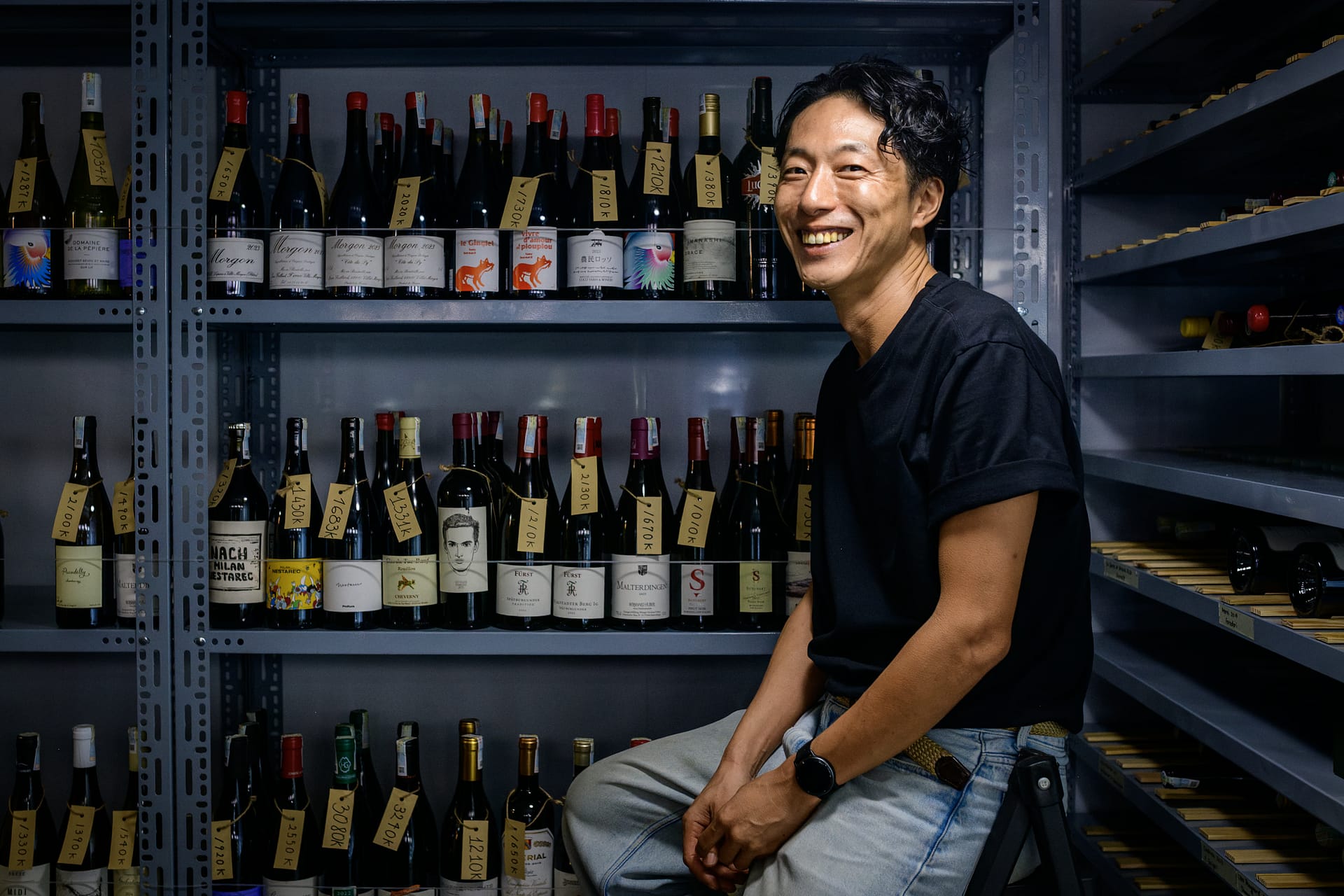
Down a side street in Ho Chi Minh City’s opulent Thao Dien neighbourhood sits LỬA – a discreet wine bar and restaurant that has quietly been growing through word-of-mouth along with the city’s wine scene since 2022. Their circle widened considerably the following year, when the MICHELIN Guide arrived in Vietnam for the first time and handed its inaugural Sommelier Award to the man behind LỬA’s wine list, Yu Yamamoto.
LỬA means fire in Vietnamese, chosen, says head sommelier Yu Yamamoto, because it is “easy to say, easy to understand.”
Today, we sit down with Yamamoto to chat about building a wine list from nothing, the promising Vietnamese wine scene he’s helping to shape, and many other things.
Cellar Bridge: Please tell us about your background – where are you from, and how did you end up in Vietnam?
Yu Yamamoto: I’m from Osaka. After about fifteen years working as a sommelier in Japan – I hold the senior sommelier certification from the Japan Sommelier Association, and the international WSET Diploma – I decided I wanted to work abroad. Mark offered me a job in Vietnam, but I’d never been to Vietnam, so I went and checked things out myself – wine shops, restaurants. I found Ho Chi Minh City a very comfortable environment, so I moved.
Six years ago it was only big international brands here. It was very challenging to build a wine list from that, and everything was more expensive than in Japan. But the wine industry in Vietnam was just starting, and I wanted to help build it. Being a sommelier in Japan is very competitive – you can get almost anything you want there. Here, it’s different. The local sommeliers are very young, and it’s a friendlier environment. I run blind tasting sessions with young Vietnamese sommeliers now, and I learn a lot from them too. They have a lot of passion.
CB: So you’re student and teacher at once.
YY: Always. Right now I’m preparing to enter the Master of Wine program. It’s very difficult – even the tasting method is completely different from the WSET approach. So I still have a lot to learn.
Wine is not just about the grape – it’s the winemaking, the terroir, the science behind it.
Kenichi Ohashi is currently the only Japan-based Master of Wine – he received the title in 2015. It is an extremely difficult qualification. Some candidates fail after six years and have to start again. I’m preparing for that now. Wine is not just about the grape – it’s also the winemaking, the terroir, the science behind it. As a sommelier, I’m good at tasting and understanding wine, but I need to be able to explain the winemaking and the soil in more depth. It’s a lot of new material, which is exciting.
CB: How did you start studying wine in Japan, and what’s your earliest memory connected to wine?
YY: My first memory of wine is a Bourgogne Rouge from Domaine Parent, though I’ve forgotten the vintage. I had to assess it for quality when I started working at a wine bar; it’s a classic Burgundy red. At the time, I couldn’t understand why people loved Pinot Noir so much – it felt too light and sour to me, and I didn’t get why it was so expensive. Now I understand its elegance completely; it’s one of the most prestigious grape varieties in the world. I still drink that wine sometimes when I want to go back to basics.
There’s a credential called the Japan Sommelier Association Certified Sommelier. I started by forcing myself to absorb a huge amount of wine knowledge, including blind tasting. Like anything, it becomes enjoyable once you start to understand it. After that, I toured wine regions in France and got completely absorbed into the world of the sommelier.
CB: Tell us about LỬA.
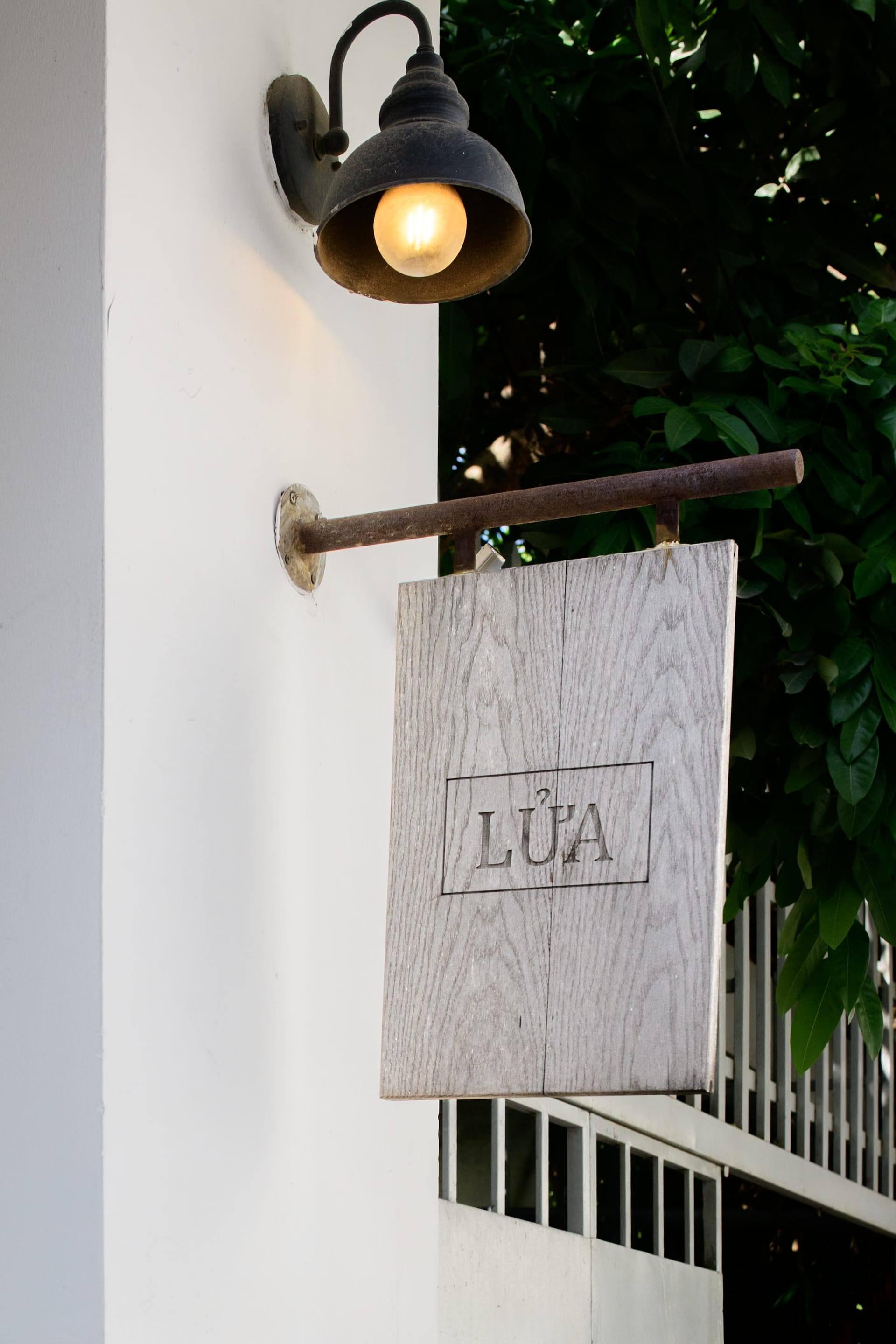
YY: I’ve been in Vietnam six years now, and Lua itself opened about four years ago. I arrived during COVID, and we couldn’t open right away because of the lockdown. This was a local Hu Tieu restaurant Mark (Shimmori) and I used to go to as regular customers, and it closed once the lockdown hit. The location was beautiful, so hidden, so once things settled, we decided to open here ourselves. Mark Shimmori is the owner and chef. I’m the manager and the head sommelier. Two hours from here we opened a pig farm, about a hundred pigs, where we make charcuterie and sausage, plus organic vegetables. We use everything from the farm. We also opened a factory near the airport for the charcuterie, and a bakery where we sell it. Farm, factory, restaurant – it’s a full circle.
About a year ago I renovated a room into a wine cellar. It’s hard to find a good wine retailer here, so I opened one myself. We carry around three hundred labels now, and customers can come buy a bottle even when the restaurant is closed. The bakery runs from eight to three, and people come for bread, ham, and a glass of wine.
CB: That’s a bit like going to the market in France! What’s been the hardest part of building LỬA?
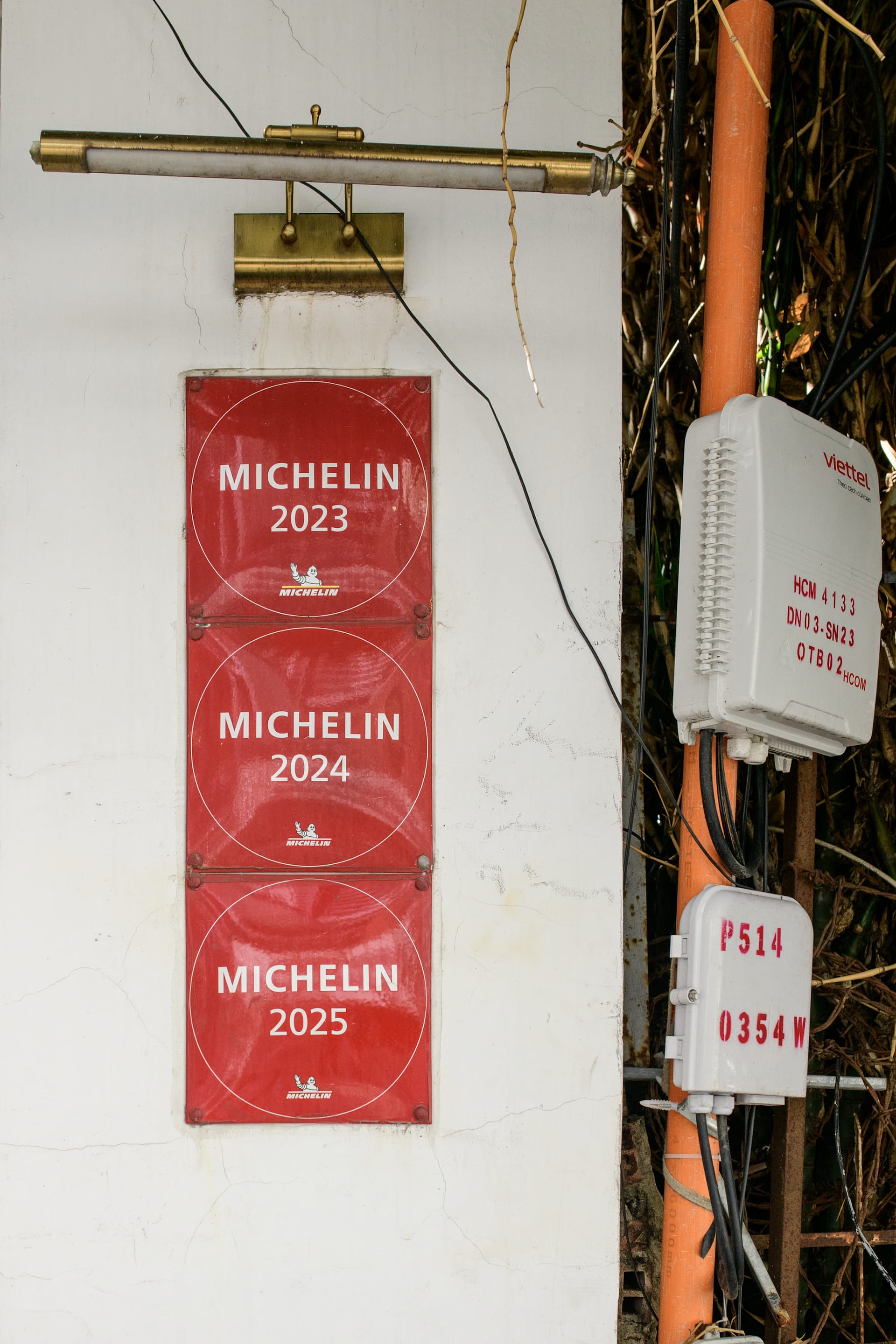
YY: At first we had very few customers – we didn’t promote at all, people just knew the name. After we received MICHELIN recognition, that changed. I got the first MICHELIN Sommelier Award in Vietnam, in 2023, and we’ve now been a MICHELIN Selected restaurant for four years running. It brings more people in, and more respect, but it’s still a casual wine bar – my menu is only wine, beer, and water. Most customers now know we only use pork and duck, both from our own farm.
CB: How do you build the wine list itself?
YY: Always compare and contrast. Take Chardonnay – there are so many expressions around the world, from hot climates to cool ones like Chablis. I want to share different styles of the same grape so people can taste the range. Some customers love an oaky Chardonnay, then try a cooler German style and find it’s excellent too. I also focus on origin – Sauvignon Blanc should taste like Sauvignon Blanc, Bordeaux should taste like Bordeaux.
For my own list, I focus on accessible bottles too, like a Chilean Sauvignon Blanc that’s affordable but shows real terroir. Even a Bordeaux blend can bring something new. I keep it balanced, from lighter styles to fuller-bodied wines, with natural wine options mixed in throughout, so there’s something for everyone.
CB: That balance is one thing on a printed list – keeping it up by the glass must be quite challenging.
YY: It is. I always check the wines carefully, especially the natural ones – I taste them again on the second and third day, and if there’s any fault, it comes off the by-the-glass list. But I keep international varieties in the mix too – Sauvignon Blanc, Riesling, Chardonnay – alongside newer things, because a lot of guests, including Vietnamese customers, don’t necessarily want natural wine. The list has to work for everyone, every time. I also keep digestifs on hand: a twenty-year-old tawny port, grappa, Calvados.
We carry somewhere between two and three hundred labels from about twenty distributors in Vietnam. Even the very small ones often have one great label, so I always ask. Sometimes you find a hidden back vintage – it’s fun.
I don’t take sides. My list has both. If the wine is good, I trust the producer.
CB: Where do you land on conventional versus natural wine?
YY: I don’t take sides. My list has both. Natural wine has only just started to gain traction in Vietnam, and I don’t think it helps anyone when people turn it into a fight. I know traditional winemakers who dislike natural ones, but I think that divide is disappearing. Some winemakers work naturally and don’t make a fuss about it publicly – they just focus on quality. Others lean into a funkier style. Either way, if the wine is good, I trust the producer.
Ho Chi Minh City is hot year-round, and natural wine tends to have good acidity, which is refreshing. I think the movement will keep growing, especially with the younger generation.
CB: What’s your take on non-alcoholic wine?
YY: I’ll be honest, I don’t like the idea. I offer kombucha and sparkling water instead – no soda, no non-alcoholic wine. Also, most non-alcoholic wine is made by reverse osmosis, which uses a lot of energy and isn’t great for the planet, and I don’t think people always realize that. Here, I’d rather just offer more real wine. There are other venues for non-alcoholic wine.
CB: If you had to name role models or favourite winemakers?
YY: Well, I’m a big admirer of what Noble Rot do in London. In terms of winemakers, I love California wine, but it’s hard to find here. My favourite producers are Steve Matthiasson and Arnot-Roberts.
It’s important to meet and talk with the winemakers. In Japan, many winemakers visit. In Vietnam it’s still rare, so I think it’s a good thing whenever it happens – the whole industry benefits. Distributors often bring winemakers to meet me directly, and I ask a lot of detailed questions, right down to fermentation temperatures, anything that shows how the wine was actually made.
Too often, winemakers come for a short visit – one exclusive private dinner, with no open tasting or seminar that the wider trade can attend. That’s a missed opportunity, since the winemaker has already made the trip. I try to act as a bridge between distributors and winemakers, explaining the Vietnamese market to the winemaker and helping the distributor sell more effectively.
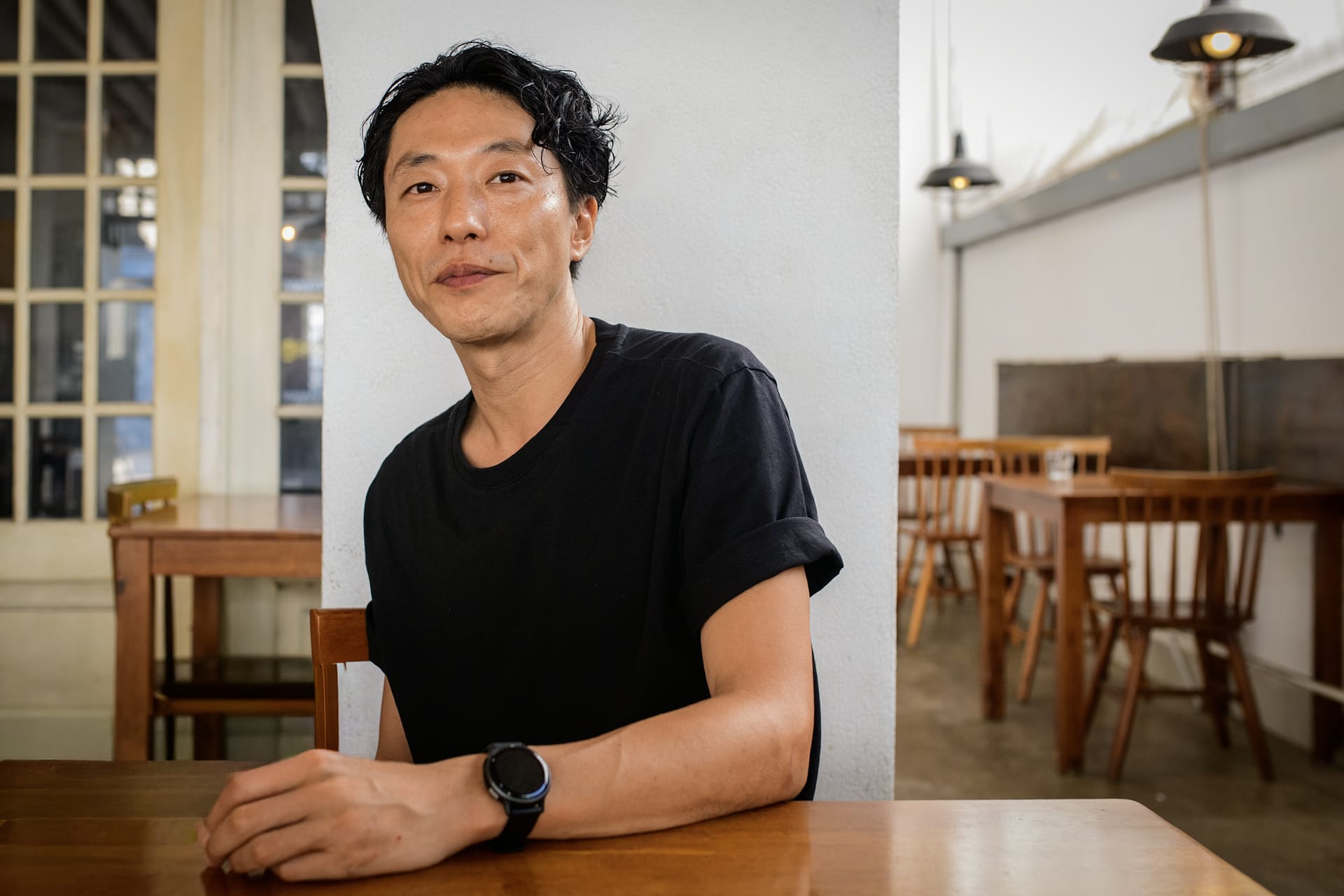
CB: Last question – what advice do you have for young sommeliers?
Get certified, and keep studying, because it never really stops.
YY: Study is very important. Communicate with other sommeliers, do wine tastings and seminars together. The Vietnam Sommelier Association is a great resource for sharing information. And personally, I’d say: get certified if you have the time. It’s not that customers care directly, but it makes things easier for them to understand who you are and what you do. When I first moved here, I was one of only a few people in Vietnam with the WSET Diploma. Clarity matters. That’s my advice: get certified, and keep studying, because it never really stops.
This interview was conducted on July 21st and has been edited and condensed for clarity.