
普罗威恩 东京 2026
第三版已打包 带着发现和新视野
奥雷利安·福柯的文字与摄影

法国和德国的展馆很大,提供的商品也很丰富,但我在这两个国家呆的时间都很有限。 东京ProWine 提供了进入亚洲很少有席位的地区的机会,我想借此机会品尝这些葡萄酒并更多地了解这些鲜为人知的地区。对我来说,这是这次活动的主要吸引力:乌拉圭、塞尔维亚、格鲁吉亚、罗马尼亚和希腊,以及日本葡萄酒本身都是我充分利用在那里的时间并有机会与每个人共度时光的理由。
我在乌拉圭馆逗留的时间稍长一些,所以它们将在另一篇文章中介绍。以下是我对 普罗威恩 东京 2026 的一些笔记。

无低产品
正如行业不断重复的那样:市场正在向无酒精或低酒精饮料发展,而 普罗威恩 以 ZERO 角落玩游戏,提供了大量脱酒精起泡“葡萄酒”。
老实说——我对脱醇酒的兴趣为零。
从成品酒中去除酒精对我来说完全没有意义。它的能源消耗量很大,并且不知何故使一个过程变得杂乱无章,其目标只是将葡萄汁转化为酒精 - 并将其颠倒过来。 这类似于为不吸烟的人生产无烟香烟:毫无意义。
然而,我更感兴趣的是那些努力创造其他产品的人,这些产品味道好,彰显个性,同时具有一定的档次;这样就可以在餐桌上陪伴不喝酒的人,而不会让他们觉得自己像青少年。这让我想起有一次我在酒吧工作,一位顾客非常感谢我给了她一个酒杯来喝她的苏打水,这样她就不会看起来与人群有太大的不同,也不会因为拿着一个彩色的罐子和一根吸管而感到幼稚。
其中一种势头强劲的更具创新性的产品是起泡茶,我在 普罗威恩 东京品尝了两种有趣的产品。
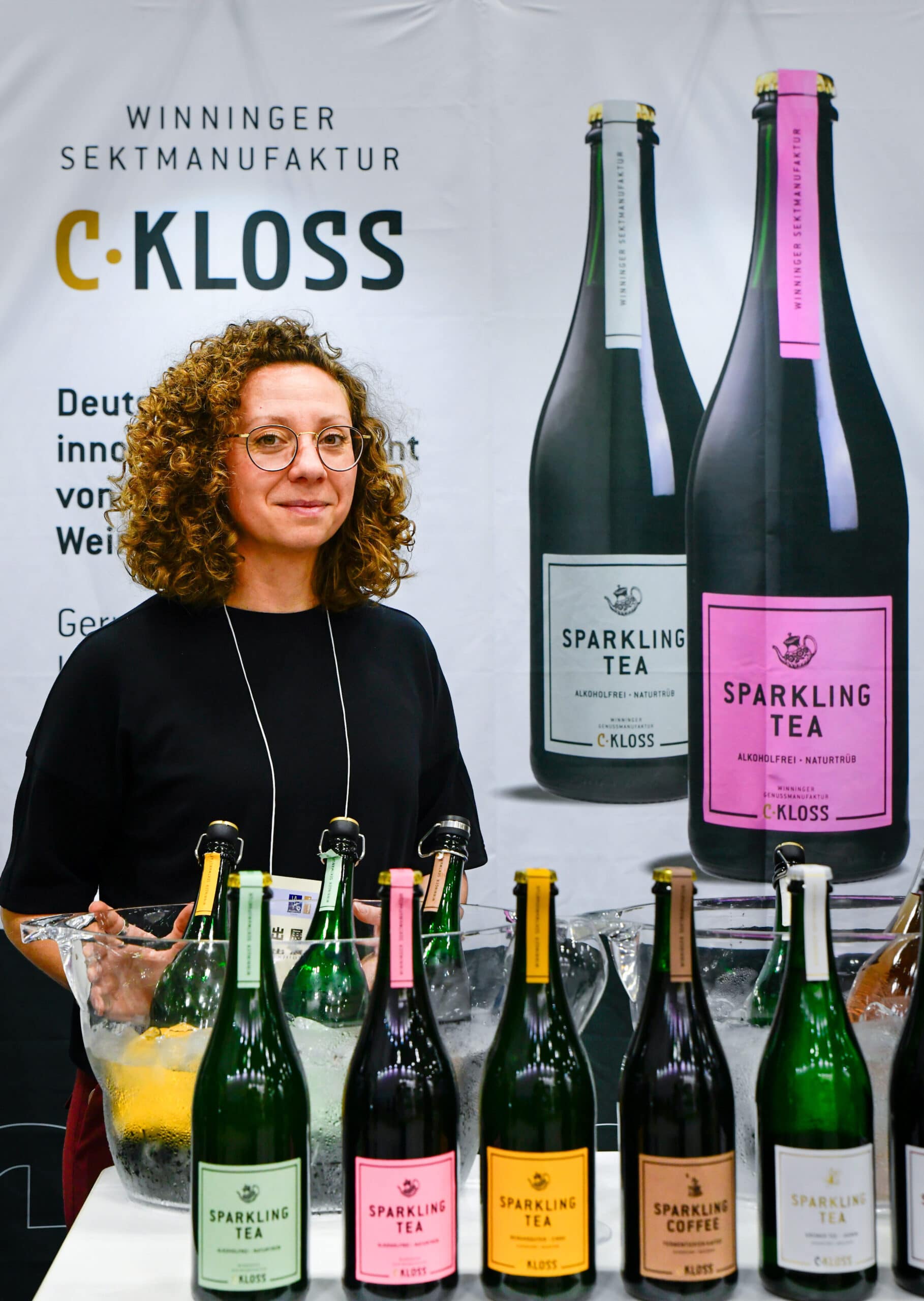
第一个是 C-克洛斯, 是一位来自摩泽尔河畔维宁根的制片人。 Christian Kloss 是 Julius Kloss 的曾孙,Kloss & Foerster 是德国最早的起泡酒酒庄之一,Kloss & Foerster 于 1856 年在弗赖堡安斯特鲁特(今天属于 Rotkäppchen-Mumm 集团的一部分)共同创立。他于 2022 年底开始了这项业务,接管了旧的 Sektkellerei von Canal。他们的起泡茶与脱醇葡萄酒的逻辑完全不同:它们完全由发酵的当地原料制成——中欧香草、水果、蔬菜,甚至康普茶——并且根本不涉及酒精。它们的含糖量相对较低(每升 30 至 40 克,完全来自原料本身),不含合成防腐剂,并于 2024 年荣获 Falstaff 价格质量奖。
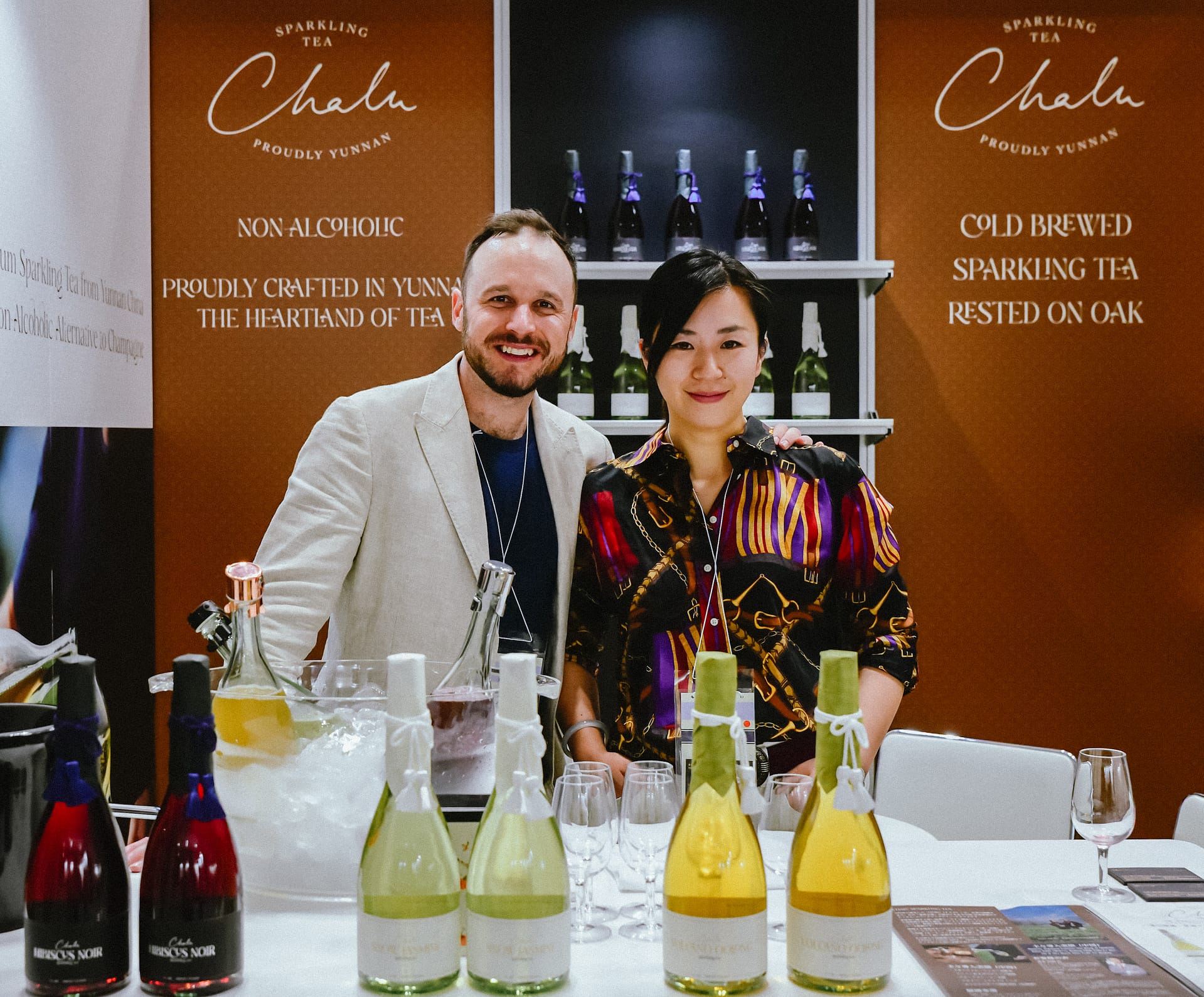
将雪茉莉与茶叶和新鲜茉莉花按 1:1 的比例在常温下浸泡 7 次,这一过程被称为“加香”。
火山乌龙茶由三种乌龙茶(绿茶、金茶和红茶)冲泡而成,其结构和复杂性使其真正以其自身的特色而闪耀。这是一瓶我会认真考虑的酒——而且肯定会喜欢镇上一半以上的杯装起泡酒。
这些饮料是在世界上最古老、最独特的茶区之一的风土上酿造的,它表达了真正的个性。茶露已在北京的两家米其林星级餐厅推出,是一款值得密切关注的产品,尤其是在优质茶文化更为盛行的市场。
塞尔维亚葡萄酒
塞尔维亚馆提供了塞尔维亚所提供的各种产品,包括葡萄酒和烈酒。周围充满了欢乐的活力,六位制作人共享他们的大型中心展位,这是一个消磨时间的好地方。

有些人将塞尔维亚视为“新兴”葡萄酒国家,但实际上它是旧世界的一部分,而且他们从事葡萄酒业已有数百年历史。但这是有原因的,了解前南斯拉夫国家葡萄酒酿造的背景也很重要。
在铁托的领导下,葡萄酒行业完全集体化——葡萄种植者必须以政府设定的价格按公斤向国有合作社出售收获的葡萄,个人生产被关闭,数量优先于质量。铁托与斯大林决裂后,南斯拉夫开始放松集体化,并于 1953 年正式放弃集体化,但国有酒庄的控制力远不止于此。直到 20 世纪 90 年代,共产主义垮台后,私人酿酒才再次合法化——这意味着在塞尔维亚,家族所有、以质量为导向的酒庄才刚刚诞生了一代人。
拉斯塔酒庄 这是一个很好的例子,说明了在这样的时期可以取得什么成就。他们于 2013 年在塞尔维亚中部的莱瓦奇地区成立,是塞尔维亚霞多丽和黑皮诺的绝佳代表。莱瓦奇河位于苏马迪亚南部,其大陆性气候——来自尤霍尔山的凉爽气流——使其所处的地区可与勃艮第马孔内较温暖的地区相媲美。 Lastar 拥有 32 公顷的土地,种植着 1976 年的黑皮诺老藤,为他们早期发布的葡萄酒提供了支柱,他们的霞多丽葡萄酒于 2016 年获得了首届 Mundus Vini 奖。他们的 Sofijin Izbor 皮诺是 Decanter 评估该国历史上评价最高的塞尔维亚黑皮诺葡萄酒。基础设施高端:重力流酒庄、法国橡木桶和匈牙利橡木、严格的绿色采收——这是一个潜力巨大的地方。
英国电信酒庄, 来自伏伊伏丁那省弗鲁什卡戈拉山坡上的贝斯卡,展示了更传统的方法和优质的特有葡萄。该酒庄坐落在富含矿物质的潘诺尼亚海沉积土壤上,经营两个不同的层次:早期饮用系列和优质塞莱克奇亚系列——完全由最古老的葡萄藤酿造,在橡木桶中陈酿两到四年,未经过滤装瓶。 Casa de Oro Prokupac 最为出色,但他们的 Tamjanika 是该地区另一个历史悠久的特有品种,非常值得品尝。
米兰扎里奇, 一位受人尊敬的国际评委、扎里克酿酒厂的老板带来了拉吉亚(rakija)。该酿酒厂位于塞尔维亚西部的 Kosjerić,位于古老的 Povlen 白兰地屋内,米兰从全国各地约一百家分包商处采购水果。他们的梨酒 Rakija Nirvana 在拉斯维加斯的 WSWA 大会上获得了双金,并在 2020 年布鲁塞尔 Concours Mondial 烈酒评选中跻身世界十大烈酒之列。他们每年生产约 100 万瓶,味道非常好,我后悔必须在一大早就把它们吐掉——而且比葡萄酒更烈。
波德鲁姆佩瓦茨, 来自塞尔维亚中部 Cvetojevac 村的家族企业,由创始人兼酿酒大师 Aleksandar Stankovic 领导,其产品涵盖酒瓶两侧——超过 20 种拉吉亚酒和利口酒品种以及 9 个葡萄酒标签。他们的招牌产品是 Zlatni Pevac,这是一款用 23 克拉可食用金箔制成的榅桲白兰地,这应该会真正引起亚洲市场的关注。
兹冯科博格丹酒庄 其名字取自 Zvonko Bogdan 本人,他是一位著名的塞尔维亚传统老城歌曲歌手,同时也是一位画家、诗人,自 2008 年起成为一名酿酒师。该酒庄占地 65 公顷,拥有 13 个品牌,产量超过 400,000 瓶,位于伏伊伏丁那最北端的葡萄酒之乡苏博蒂察附近的帕利奇湖东岸,并已悄然成为塞尔维亚最有名气的生产商之一。他们的 Cuvée No. 1 是唯一一款在 2018 年、2019 年和 2021 年连续三届荣获 Decanter 世界葡萄酒大赛金奖的塞尔维亚葡萄酒。
亚历山德罗维奇酒庄, 在托波拉 (Topola) 附近的奥普莱纳克 (Oplenac) 工作,占地 75 公顷,拥有展位上最长的机构记忆。该家族与葡萄栽培的渊源可以追溯到 1903 年,当时曾祖父 Milios Aleksandrovic 帮助建立了该地区第一家葡萄种植合作社。第二次世界大战后,皇家酒窖大师 Zivan Tadic 移居加拿大,得知 Aleksandrovic 家族正在复兴 Oplenac 传统后,向他们发送了凯旋 (Triumph) 的原始配方——曾经在欧洲宫廷享用的塞尔维亚皇家葡萄酒。该现代化酒庄建于 2000 年,目前年产量超过 300,000 瓶。
所有这些酒庄无疑都有助于表明,尽管塞尔维亚葡萄酒目前不在大多数亚洲买家的考虑范围之内,但这种情况很可能很快就会发生变化,因为质量很好,价格也很合理。
罗马尼亚
日本葡萄酒
我也非常想了解更多有关日本葡萄酒的知识,但参与的几家酒庄都位于大厅的最后面,标记也相当模糊。不过,从他们展位前不断聚集的人数来看,他们引起了浓厚的兴趣。

长野地区,给我印象特别深刻的是 汤之原庄园, ,来自长野的日本阿尔卑斯葡萄酒谷。
他们的特拉华和尼亚加拉混合酒(2025)非常清爽,带有糖果和新鲜草莓的味道,清澈如水——我觉得有点令人困惑。终于找到一种在公共场合喝酒又不被臭眼的方法了!
他们的 Muscat Bailey-A 也很有趣,清淡,带有淡淡的芒果味和常见的浆果味,这是一款非常容易饮用的葡萄酒,等待朋友来访时打开。他们还酿造出非常优质的苹果酒,香脆且不太甜——非常棒。
同样来自长野, 保坂恭子 推出了特拉华 2023 年葡萄酒,带有一些绿色无花果和一丝甜瓜的味道,以及特拉华橙酒 2024 年,带有成熟桃子和绿杏仁的味道,余味带有坚果味。他们的 2022 年 Muscat Bailey A 葡萄酒给我的印象不太好,它带有一丝黑莓的味道,但我发现它太稀了,不够集中。
马罗葡萄酒, 来自北海道的 2024 年份霞多丽葡萄酒表现出良好的酸度,微妙的张力和一定的大胆性,他们还推出了一款美丽的桶装陈酿霞多丽 2023 年份葡萄酒,优雅、清新,同时仍然强劲。他们的黑皮诺带有新鲜粉红色李子的味道,并以其低调的性格而闪耀,一切都精致而精致。
我也很感动 菊花酒庄 (九州熊本),搭配橡木桶陈酿的梅洛,口感相当强劲,余味持久、精致,并带有黑胡椒的味道。这与我品尝过的任何梅洛葡萄酒都截然不同。
MW 杰西斯·罗宾逊 (Jancis Robinson MW) 录制的视频大师班,标题为 日本葡萄酒的现状, ,作为该计划的一部分运行 - 罗宾逊亲自选择并评估了特色葡萄酒,您可以在观看视频时品尝这些葡萄酒。
大胆的纽约葡萄酒
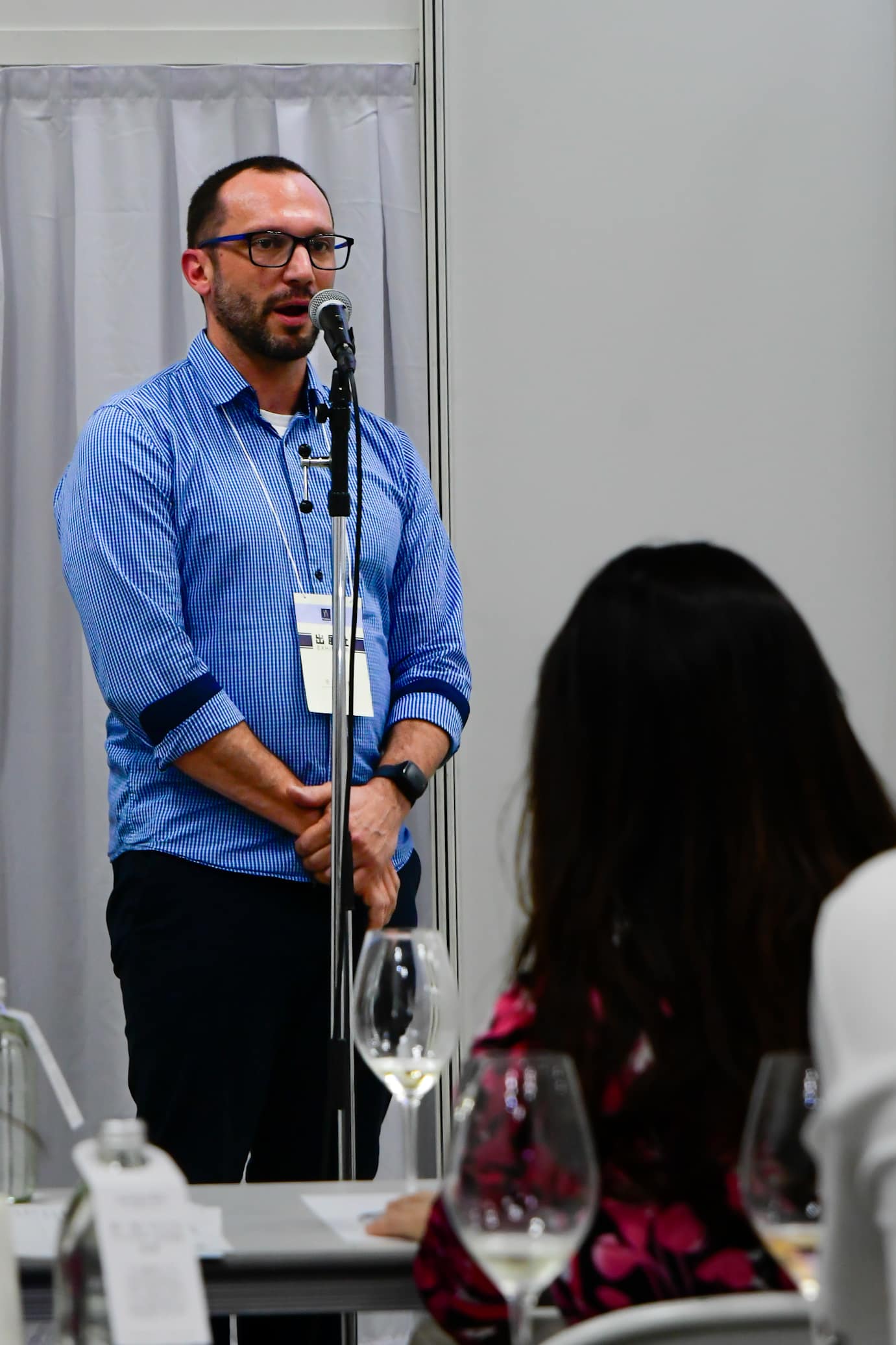
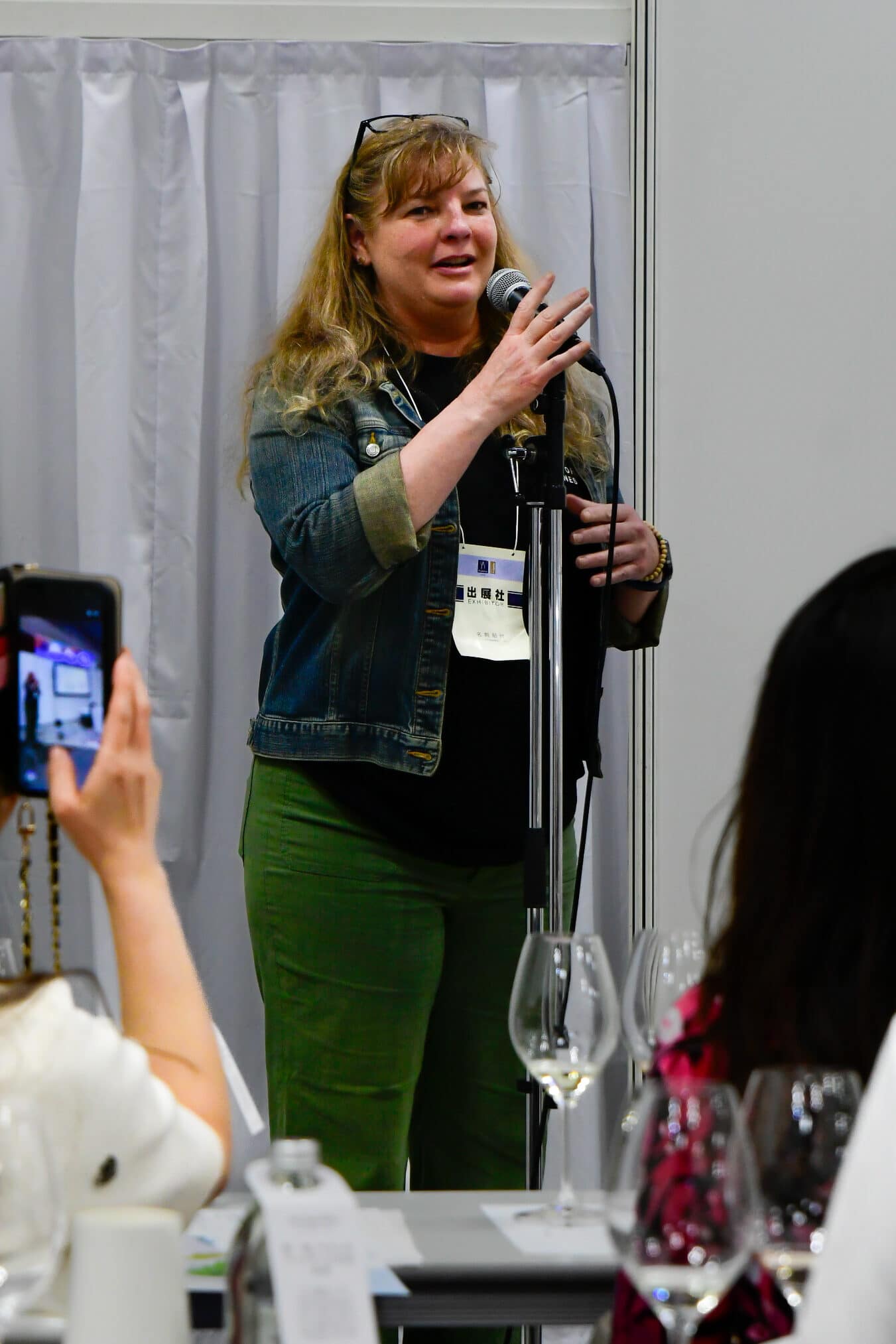


纽约葡萄酒与葡萄基金会于 1985 年根据纽约州法规成立,在“大胆的纽约”定位下设立了一个展位。
NYWGF 项目总监凯尔·安妮·帕利斯切克 (Kyle Anne Pallischeck) 是手指湖本地人,拥有侍酒师大师法庭认证,他与拥有两家卡尤加湖酒庄的戴夫·皮塔德 (戴夫·皮塔德) 一起率领代表团: 梧桐林 在罗慕路斯,以及 六八十个地窖 奥维德 (Ovid) 的全国销售总监凯莉·阿什福德 (凯莉·阿什福德) 福克斯伦葡萄园 在手指湖和马里奥·马扎 马扎肖托夸酒窖 在伊利湖。
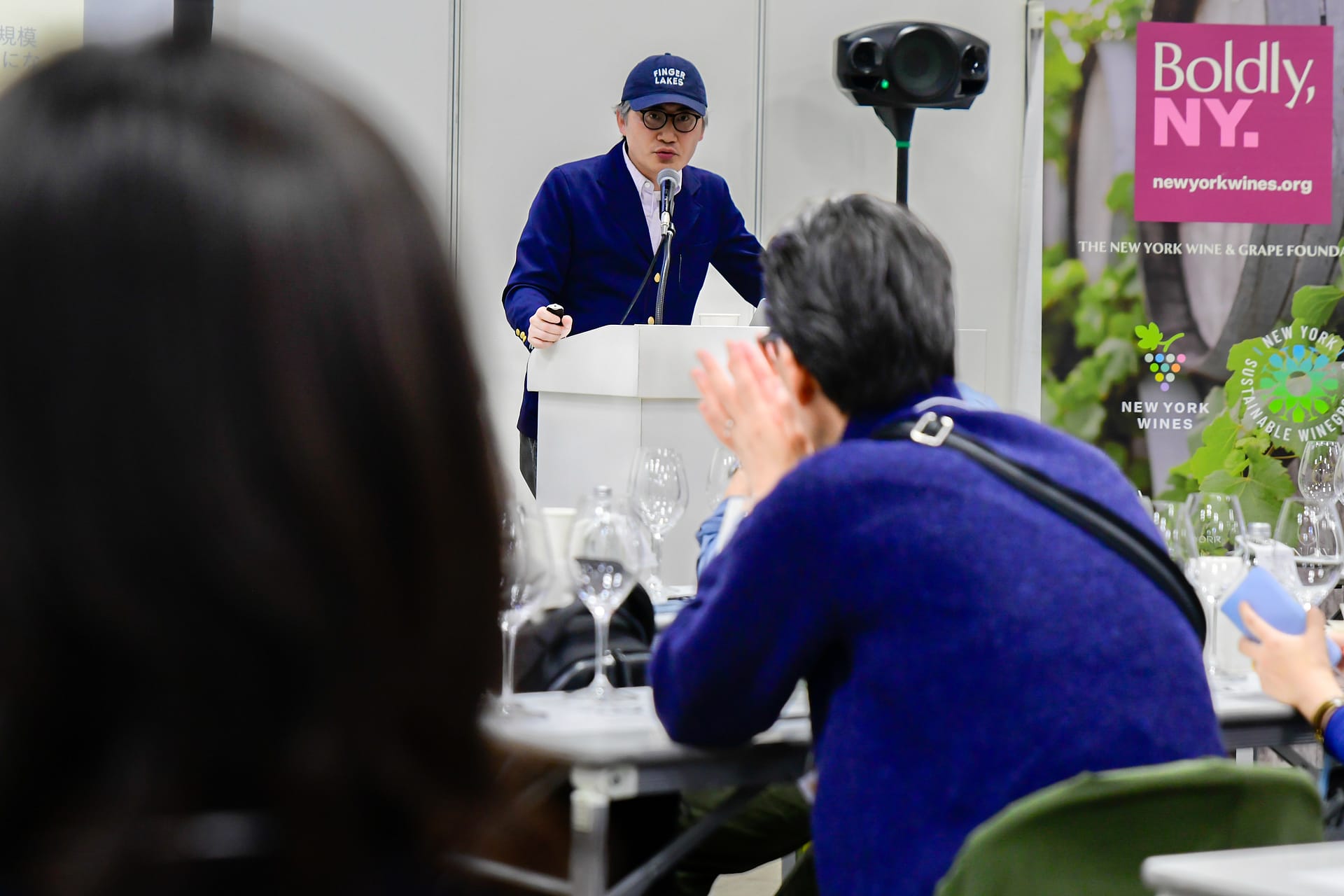
Their masterclass, led by Mr. Takenori Beppu of the NYWGF Japan office, offered an informative glimpse – and a taste – of a region that remains largely unknown in Asia despite being one of the fastest developing wine regions. New York counted just 19 酒庄 in 1976; it now has over 450, spread across seven distinct AVAs, from the cool-climate Finger Lakes to the maritime influence of Long Island, working with around 40 different wine varieties. Three of those are native American grapes – Concord, Niagara and Catawba – varieties with deep roots in American agricultural history but far removed from the European winemaking tradition: Concord, the most widely planted of the three, is better known as the grape behind Welch’s grape juice and the jelly of the American peanut butter and jelly sandwich than as a wine grape. New York is, however, in the middle of a deliberate shift towards Vitis vinifera, varieties that produce the most structured, age-worthy wines. Among those, the most popular are Riesling, Chardonnay, Merlot, and Cabernet Franc, which is now being proposed as the ‘official’ red wine grape of the New York State.
秋田制造(DANSHIKO LAB 出品)
在一个摆满了各种瓶子的小摊位后面,我发现了一个相当感人的故事 秋田县制造 (made-in-akita.com) – 一个代理秋田县清酒、啤酒、苹果酒和烈酒的策划平台。

“Geographically, Akita is not easily accessible from major cities like Tokyo or Osaka,” explains Takuya Iwata, the founder. He originally came to Akita intending to acquire a brewery, but after meeting with the locals and taking in the spirit of the place, something shifted. “While it is one of Japan’s leading regions for producing high-quality goods, it remains overlooked, and the population is declining faster than anywhere else in the world. Seeing industries struggle in such an environment made me realise something – I felt a strong urge to take these products to the world on behalf of the producers who work tirelessly to create them.” Akita is indeed the prefecture with the highest proportion of elderly residents in Japan – 38.6 per cent of its population is aged 65 or older – and faces a projected population loss of 41 per cent by 2045. It is 家 to generations of talented sake and beer artisans, but those artisans were ill-equipped to adapt to modern forms of trade and export. Rather than extract a single asset, Iwata and his CMO Shohei Nagashima decided to build around the situation and become the bridge that would bring Akita’s products to the outside world. 秋田县制造 now provides the export platform, the curation, and the international positioning that these producers would otherwise have no practical pathway to achieve. Iwata’s stated ambition leaves little room for ambiguity: “When people hear ‘Japan,’ they think of a special country. ‘Tokyo’ brings to mind a cutting-edge metropolis, ‘Kyoto’ represents tradition, and ‘Kobe’ is synonymous with world-class steak. I want to create a world where hearing the name ‘Akita’ immediately triggers the thought: ‘That’s where the best drinks in Japan come from.'”
At their booth visitors could sample sake from multiple Akita houses, a gin called Taiheizan GIN No 65, and apple cider and sparkling pear under the brand mia, presented with the modern look of natural wine. An interesting find was oga. GOSHADO, a wild sour ale brewed on Oga’s rugged coast using sea salt and native microorganisms in the style of a Belgian lambic – a brand created by Danshiko Lab themselves, based on a product originally crafted by a local brewer they invest in, and completely rebranded for the international market. It is exactly the kind of product the project is built around: exceptional local craftsmanship, reshaped into something that travels.
他们的旗舰清酒系列是 OKD,来自于 1673 年成立的奥田清酒酿酒厂 (Okuda Sake Brewery),该酒厂在整个现代日本范围内生产清酒,从江户时代到两次世界大战和苏联解体,现在首次面向国际贸易买家。旁边还有大奈川纯米吟酿、千岁盛纯米大吟酿、奥田的千代翠和鸟海穗玛雷——每家都是来自县内各地的独特生产商,每家都代表了秋田酿造传统的不同方面。我尝到的所有东西都是顶级品质——我极力推荐它们。
希腊:NOSTIMIA 和 ALPHA ESTATE

The Greek Chamber of Commerce in Japan and the importer Nostimia – 有限会社ノsuティミia – organised a masterclass on Greek wine, to be delivered in Japanese. Since I don’t speak Japanese, Marina Fragkis, who has been the company’s chief buyer since joining in 2020, ran me through the same tasting in English and I am so grateful to her for being so generous with her time.
Nostimia was started by her father in 2001, when there was simply nothing Greek in the Japanese wine market. Marina studied biology in the UK and decided to join the family company at 22. She now travels to Greece once a year to visit their suppliers and bring her first-hand experience and their stories back for the Japanese trade. Today, Greek wine accounts for 0.43 per cent of all wine imported into Japan – and that’s a situation it encounters often with the countries it exports to and that will only change with more educational work and the creation of opportunities for consumers to experience these wines.
We tasted four. A single-variety Assyrtiko (2024), by 卡拉维塔基斯酒庄 in Crete, kept at low temperature after harvest, macerated, then fermented in stainless steel. Assyrtiko has a tendency to retain acidity even in very hot climates like Crete, which gives it a citrus and mineral profile with real persistence.
ΑιΩ Marbled Malagouzia 2024, by Sacred Mountain winery in Halkidiki: aged in tanks built from marble: the marble’s micro-porosity allows slow micro-oxygenation, which the winemaker uses deliberately to smooth the texture. The result is round, floral, and expressive – white peach, herbs, fresh acidity – with a softness that is specific to this winemaking choice.
The third was the single variety Xinomavro “Hedgehog” 2023 from Alpha Estate in Amindeo, grown on sandy soils over limestone, surrounded by lakes that moderate the continental climate of north-western Macedonia. Light-bodied and elegant, with a slim structure, fresh acidity, red fruits and tomato.
The fourth wine was Thelema 2021, a 50/50 blend of Mavrotragano and Xinomavro from Zin Ideos Winery, in Halkidiki. Full-bodied, the two grape varieties were vinified separately then matured for 18 to 24 months before blending. Mavrotragano originates in Santorini, where it had nearly disappeared before being revived – it brings coffee, smoke, red fruits, and minerality to the blend. Rich and layered, this is a wine that works on its own as much as with food.
Next to the lovely family-owned importers of Nostimia, I was happy to find the only Greek winery I had had the chance to try in Vietnam: Alpha Estate. Founded in 1997 by viticulturist Makis Mavridis and oenologist Angelos Iatridis, their 220 hectares in Amyndeon are entirely privately owned, and the daughters of both founders – Angeliki Iatridou and Emorfili Mavridou – are now actively part of the team, carrying the project into its second generation.

Amyndeon sits in the far northwest of Greece, close to the borders of Albania and North Macedonia, hemmed in by three mountain ranges, as far from the coast as Greece can be and with a fully continental climate – cold winters, dry summers, with wide variation between day and night temperatures. It is possibly the coolest place in Greece to grow grapes. The vineyards themselves lie on a plateau between 600 and 700 metres of altitude, on soils so sandy that phylloxera was never able to invade. One plot, Barba Yannis, dates back to 1919 and still shows ungrafted pre-phylloxera specimens producing on their original roots.
Their range covers both indigenous varieties such as Malagouzia, Assyrtiko and Xinomavro, and international ones. Their higher tier, sourced from single vineyards and single blocks, 特征 on its labels the animals known to visit these particular plots. I was particularly impressed by their single block wines, such as their Assyrtiko ‘Aghia Kiriaki’ and their Malagouzia ‘Latipes’, which both demonstrated excellent balance and splendid notes of stone fruits, as well as a certain creaminess I would have loved alongside some grilled octopus and lemon chicken.
Some of Alpha Estate’s wines are currently available in Vietnam through Warehouse and the Annam Group.
GEORGIAN WINES
The Georgian pavilion was one of the biggest draw for me, mostly because of my personal attachment to the country and their wines. The booth was shared by 7 酒庄: Binekhi, Brother’s Avaliani, Gurgenidze family, Mesaubre, Bimbili, Royal Ikalto, and Vine Era.
A masterclass they called “New Generation Wines from Georgia”, was led by David Tamarashvili (CEO and Owner of Vine & Wine group) and Konstantine Tchanturia (Sommelier of the Binekhi team).

As most people know by now, the country of Georgia currently holds the title of the cradle of wine, with its winemaking history extending approximately 8,000 years.
The country boasts more than 500 identified native grape varieties across 29 distinct microzones. David Tamarashvili, put that figure into perspective with characteristic precision: the diversity of a single small western Georgian region like Racha or Adjara exceeds what most countries can claim in their entirety.
That framing matters, because the international market still tends to reduce Georgia to Kakheti, Saperavi, and Qvevri – which are definitely parts of its hallmark but remains only a small part of what the country has to offer.
The masterclass was accompanied by a tasting of no less than 8 wines.
We started with Binekhi Winery, founded in 1994, and their Khikhvi Qvevri. Khikhvi is an ancient Kakhetian white grape – low-yielding, aromatic, with a signature of ripe yellow fruit, apricot, and citrus blossom that makes it particularly well-suited to skin-contact winemaking. With skin contact for two weeks during fermentation, followed by a further six months of maceration, it demonstrates the characteristic structure that confuses first-time drinkers: deep amber colour, honey and dried apricot on the nose, and a tannin grip on the palate that comes from the seeds and skins.
David Tamarashvili then presented Vine Era’s Sauvignon Blanc Qvevri, with full inclusion of stems, seeds, and skins, fermented at 14 to 15 degrees Celsius over several months. Such a refreshing and unexpected take on Sauvignon Blanc which bears very little resemblance to the well-known Loire Valley or New Zealand Sauvignons. The grapes at harvest were at their best: 25 brix sugar, 6.5% acidity and a pH of 2.8 – a quality raw material that gives the winemaker considerable room to work.
The third wine came from MESAUBRE winery – whose name translates from Georgian as “talk to me”. A lovely Kakhuri Mtsvane from Akhmeta, 2022 vintage, from 16-year-old vines, with full stem, seed, and skin inclusion.
We then had a dry Rosé from Ortomeli winery, made from Chkhaveri – a grape native to the western regions of Adjara and Guria, with naturally pinkish skin that can yield white, pink, red, or sparkling wine from a single variety – a technical versatility well appreciated by winemakers.
The fifth wine nearly brought me to tears. Binekhi winery presented their Saperavi Reserve Qvevri: fermented in large oak vats, aged two years in French oak, then held a further five years in bottle before release. In Georgia, Saperavi is somehow as ubiquitous as Cabernet Sauvignon in the rest of the world. You’ll often stumble over very average quality, if not plain poor versions. But when you find a great one, you stop and smile. Even though it is sometimes easy to forget, Saperavi really can be that good. And Binekhi managed to make one just like that.
The sixth pour was Vine Era’s Mukuzani Saperavi – Mukuzani being one of Kakheti’s most celebrated PDO microzones, reserved exclusively for dry Saperavi. Another superb wine from a very new winery whose modern architecture is, by Georgia’s current standards, genuinely striking: unapologetically contemporary and yet fitting perfectly in its natural environment.
The seventh wine was Bimbili’s Aleksandrouli Reserve 2020. Aleksandrouli is most widely known as one half of Khvanchkara, Georgia’s celebrated semi-sweet PDO from Racha. Here it was made dry – a less common choice that puts the grape’s natural character front and centre: soft tannins, lively acidity, and bright red fruit without the sweetness most drinkers associate with the variety.
We concluded with the Avaliani Brothers and their Usakhelauri. The name means “nameless” in Georgian – a grape so particular that locals felt it could not be compared to anything else. It grows on steep slopes between 400 and 700 meters in Lechkhumi, near a handful of villages, and most attempts to cultivate it elsewhere have failed. Yields are tiny, harvesting entirely by hand, and fermentation stops naturally as cellar temperatures drop in winter, preserving residual sugar without any intervention. Annual production is typically measured in hundreds of bottles, therefore placing it in a higher price range – well worth the cost if you find a good one. I once had an unforgettable one in a supra in Lechkhumi and I still regret to this day not having been able to purchase a couple bottles – the winemaker made it for his family only and wouldn’t sell it. If you visit Georgia – go on the hunt for the grape with no name!

Final Impressions




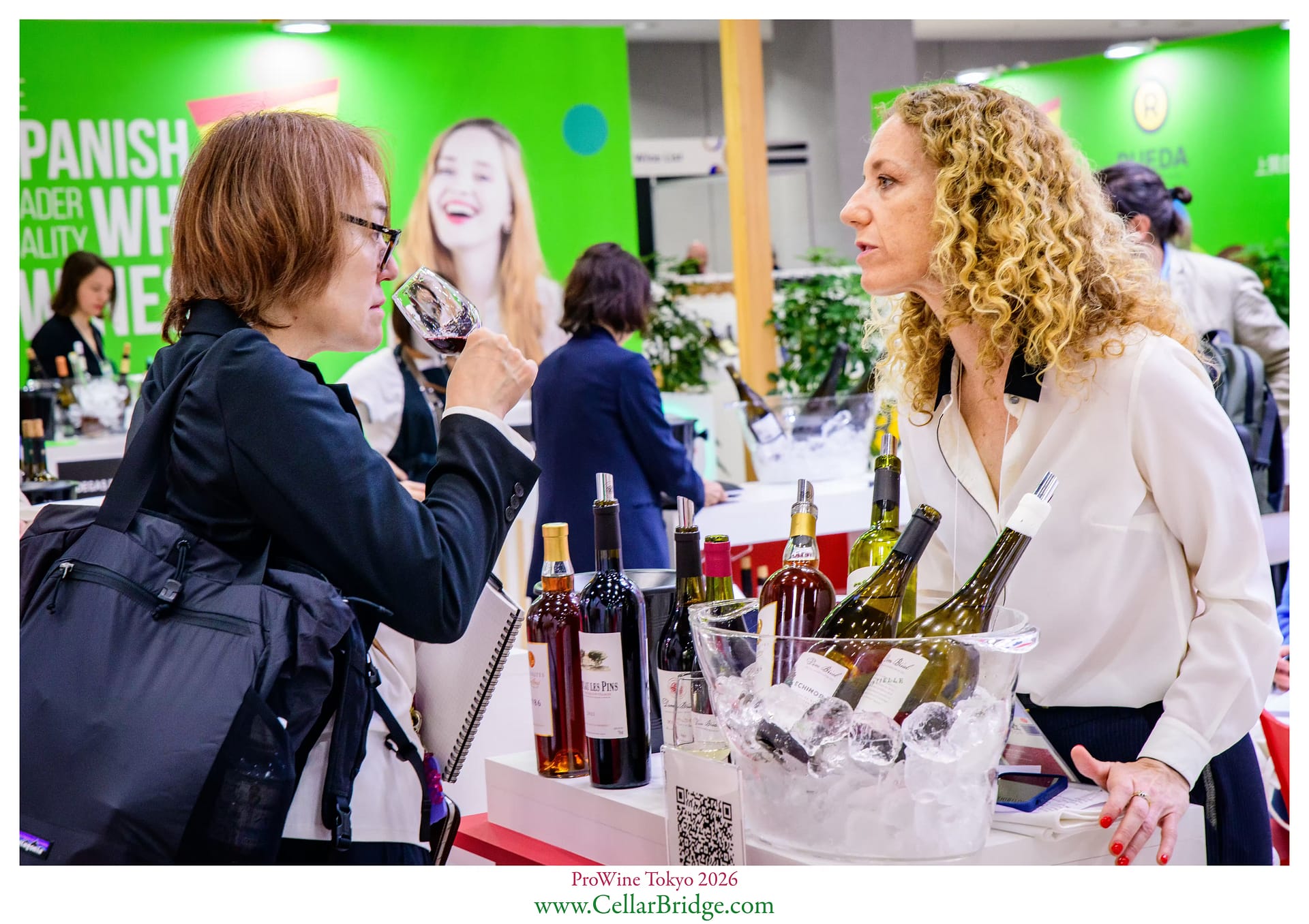
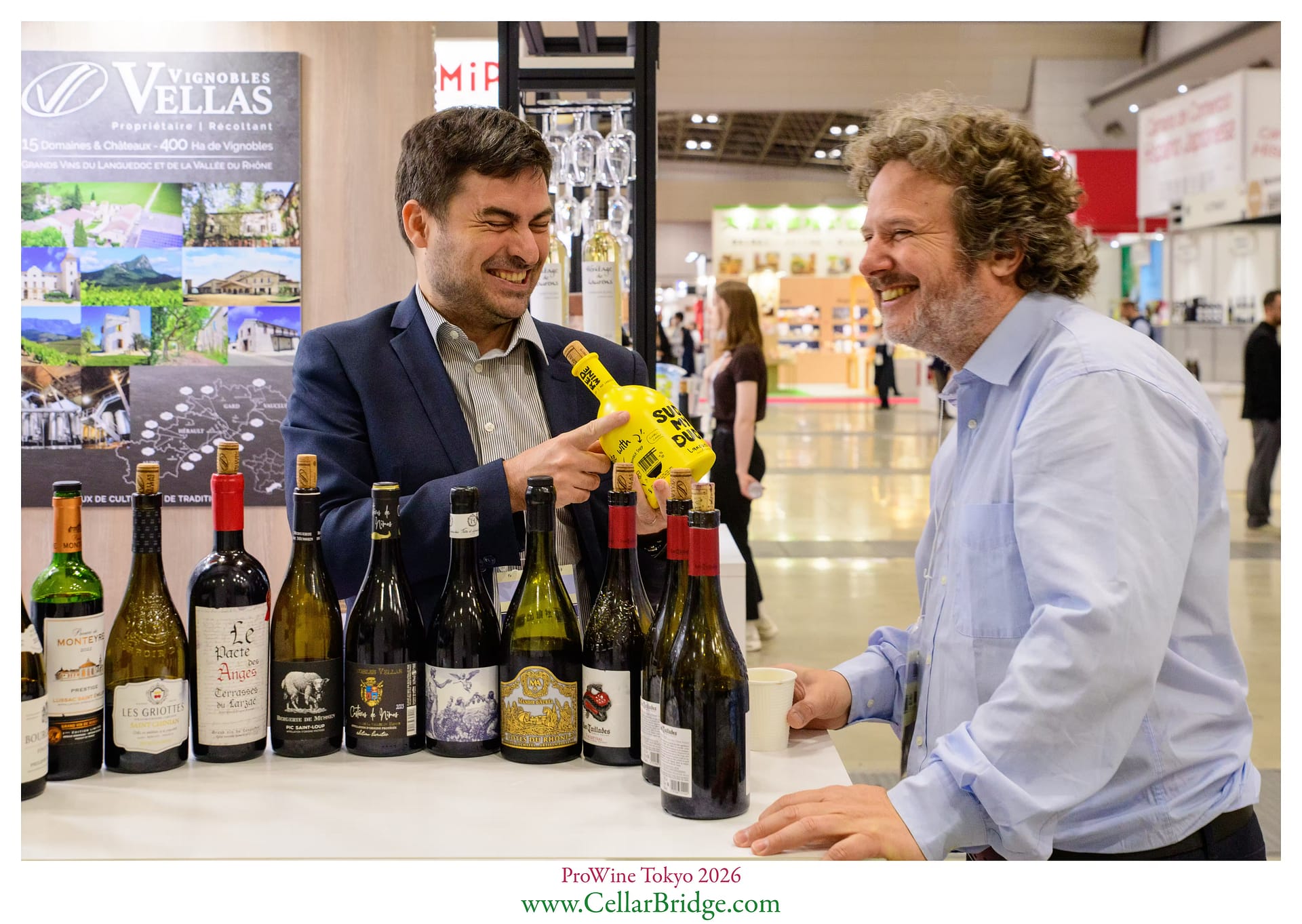
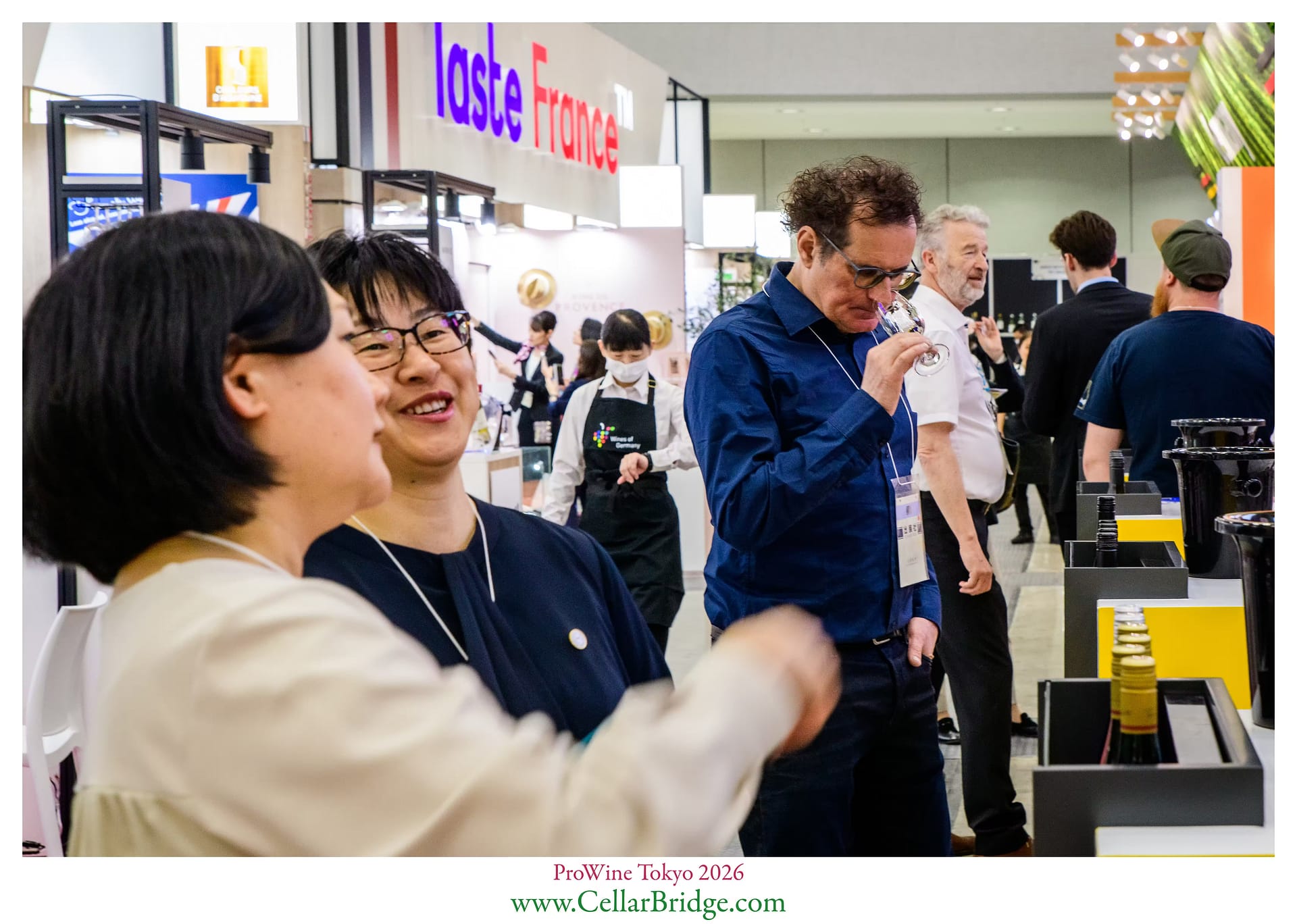


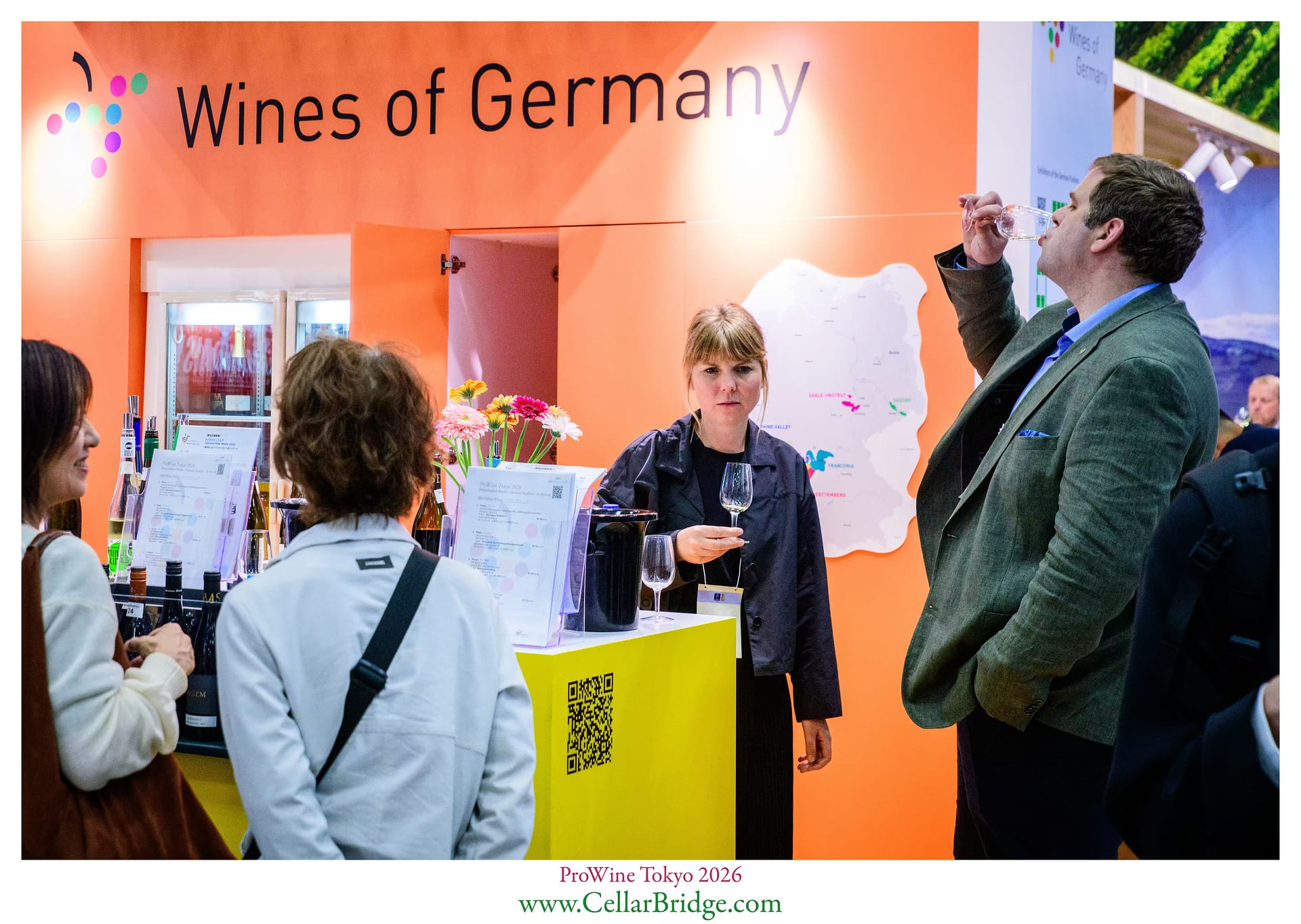
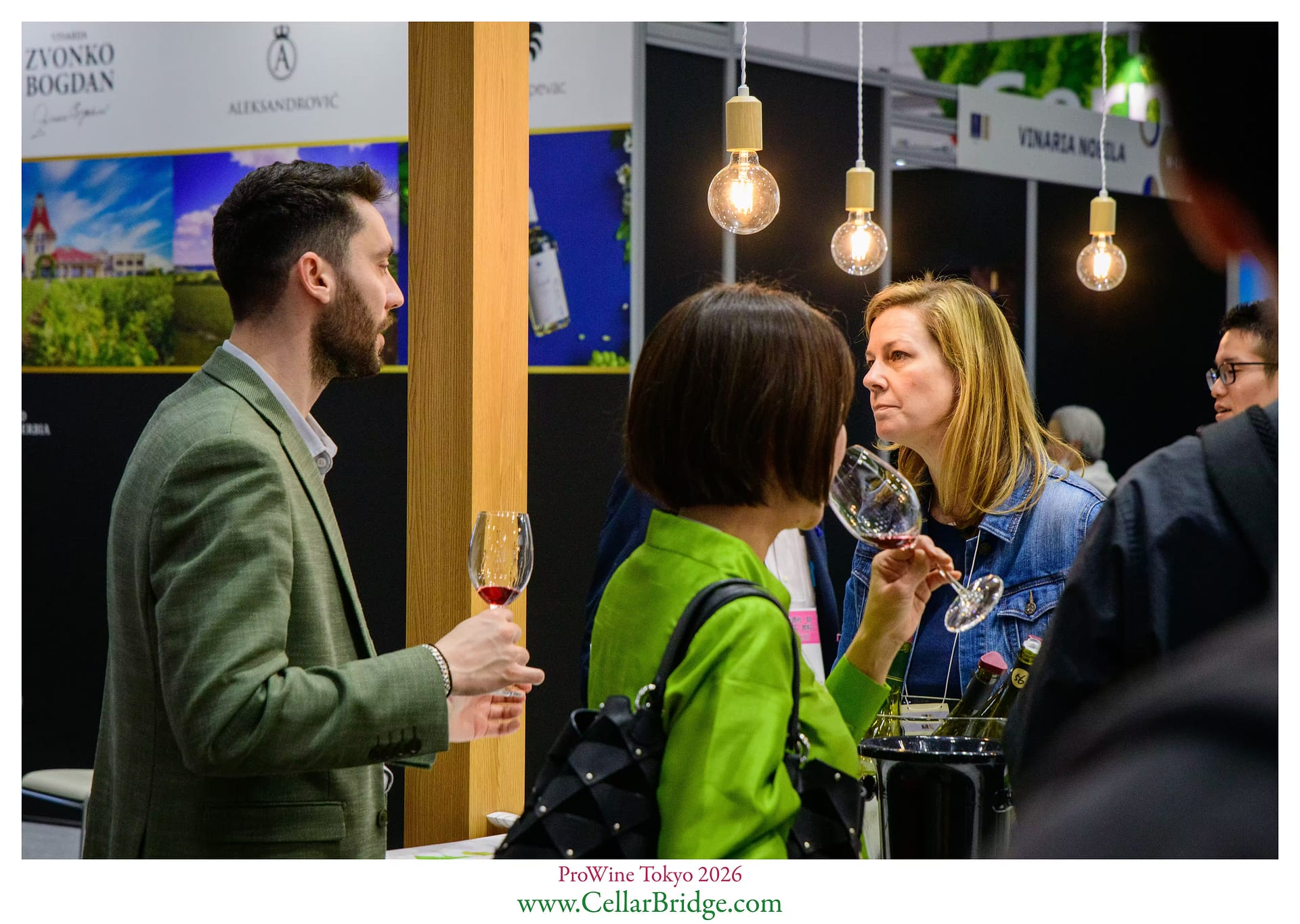
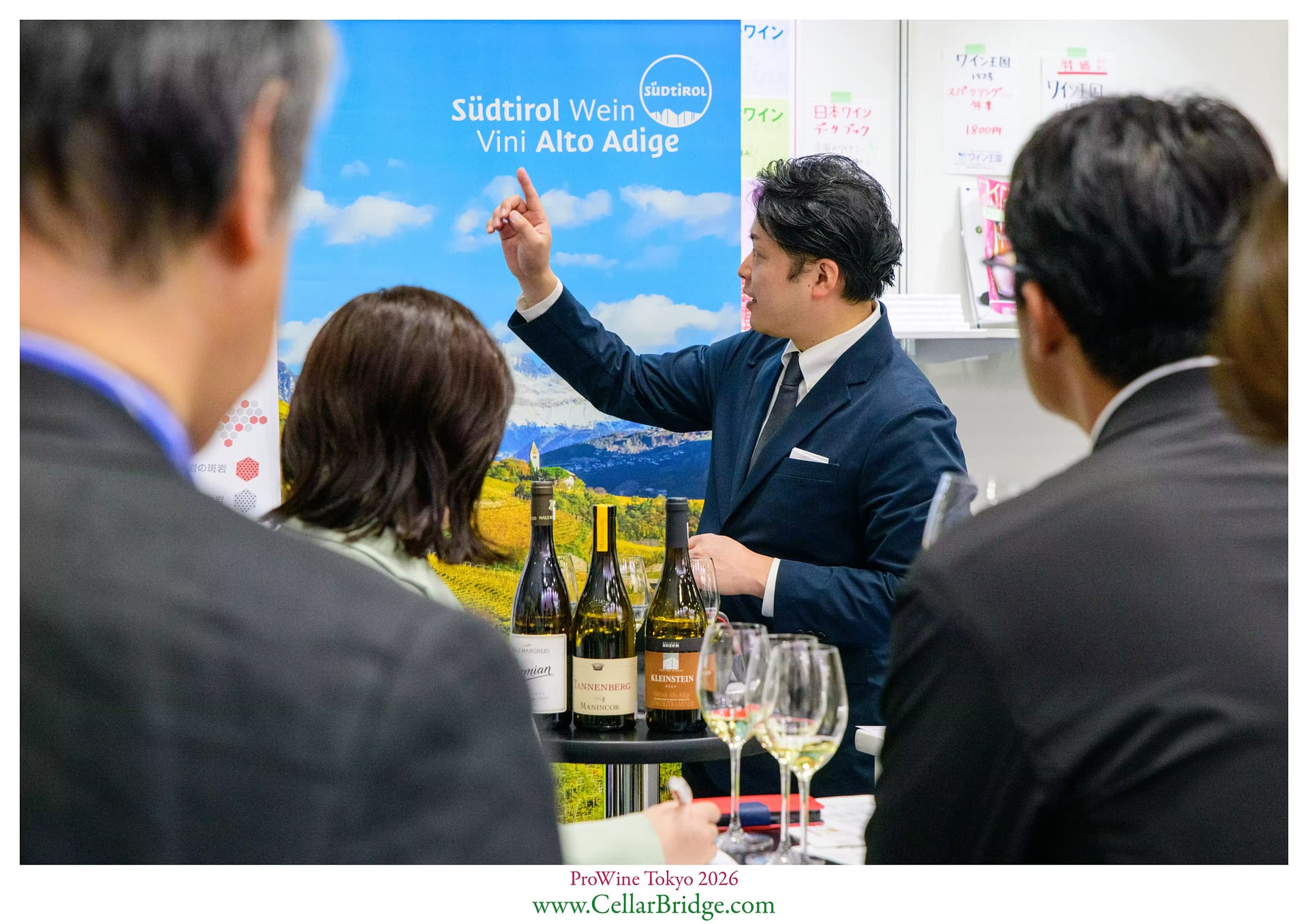

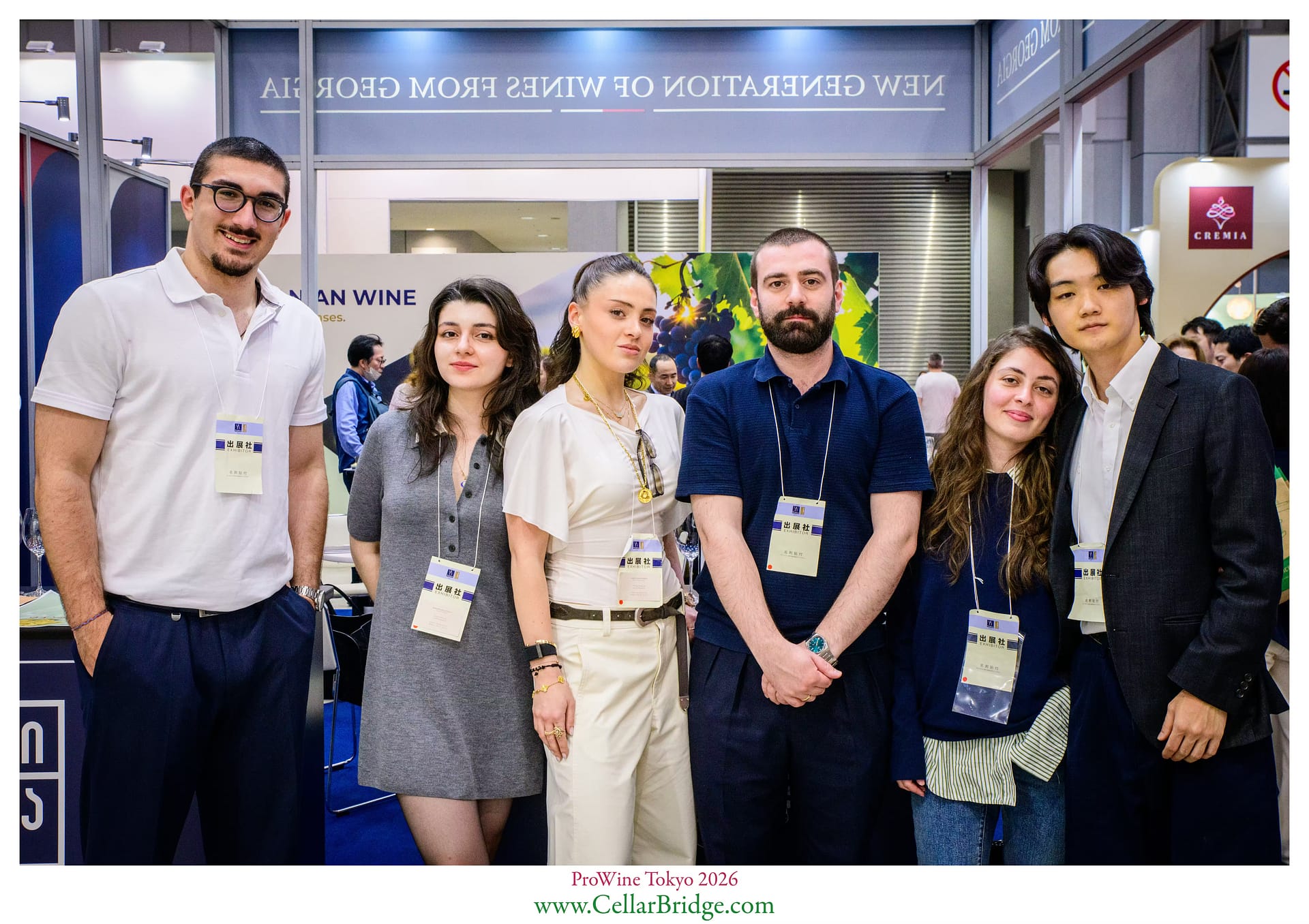
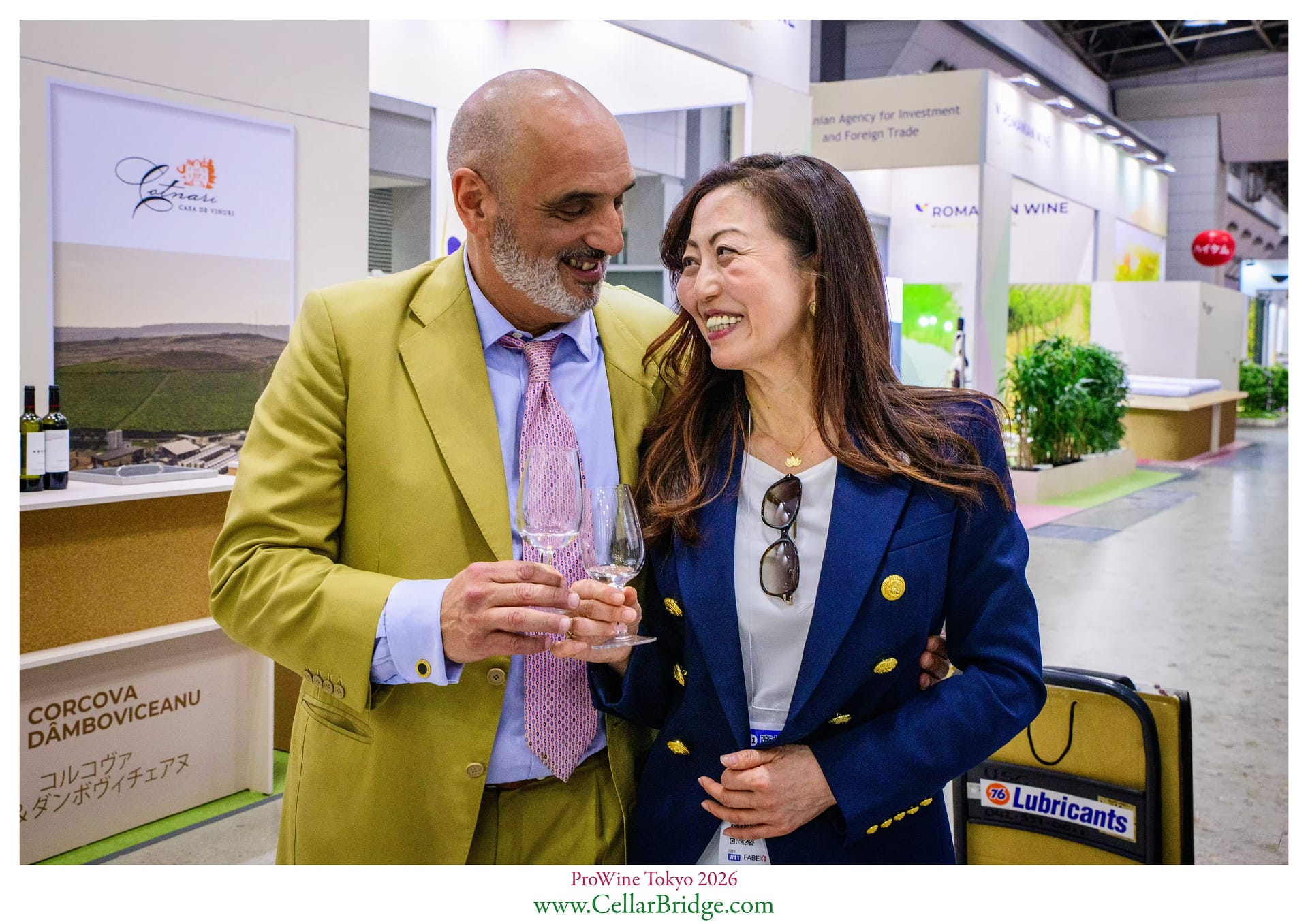
The venue itself may not be as sexy as some of its competitors and the language barrier in masterclasses is a genuine obstacle (even with the translation app that was provided, it was hard to follow), but one couldn’t ignore the genuine effervescence that was at play. What I witnessed was real communication: people taking the time to taste and ask questions, camaraderie between the producers, and plenty of smiling faces, from the opening hours till closing time. And the most important to me was access – to Georgian winemakers who do not show up in Singapore or Hong Kong, to Serbian producers building serious relationships in unfamiliar territory, to Greek wines rarely as present in other Asian fairs and to boutique projects like 秋田县制造 and 岔路 Sparkling Teas. These were 3 intense days but I would gladly have stayed double that long – and doesn’t that say it all?
It’s all about showing up, creating connections and opening your horizons and on that front – 普罗威恩 东京 2026 aced it.