
Words & Photography by Aurélien Foucault
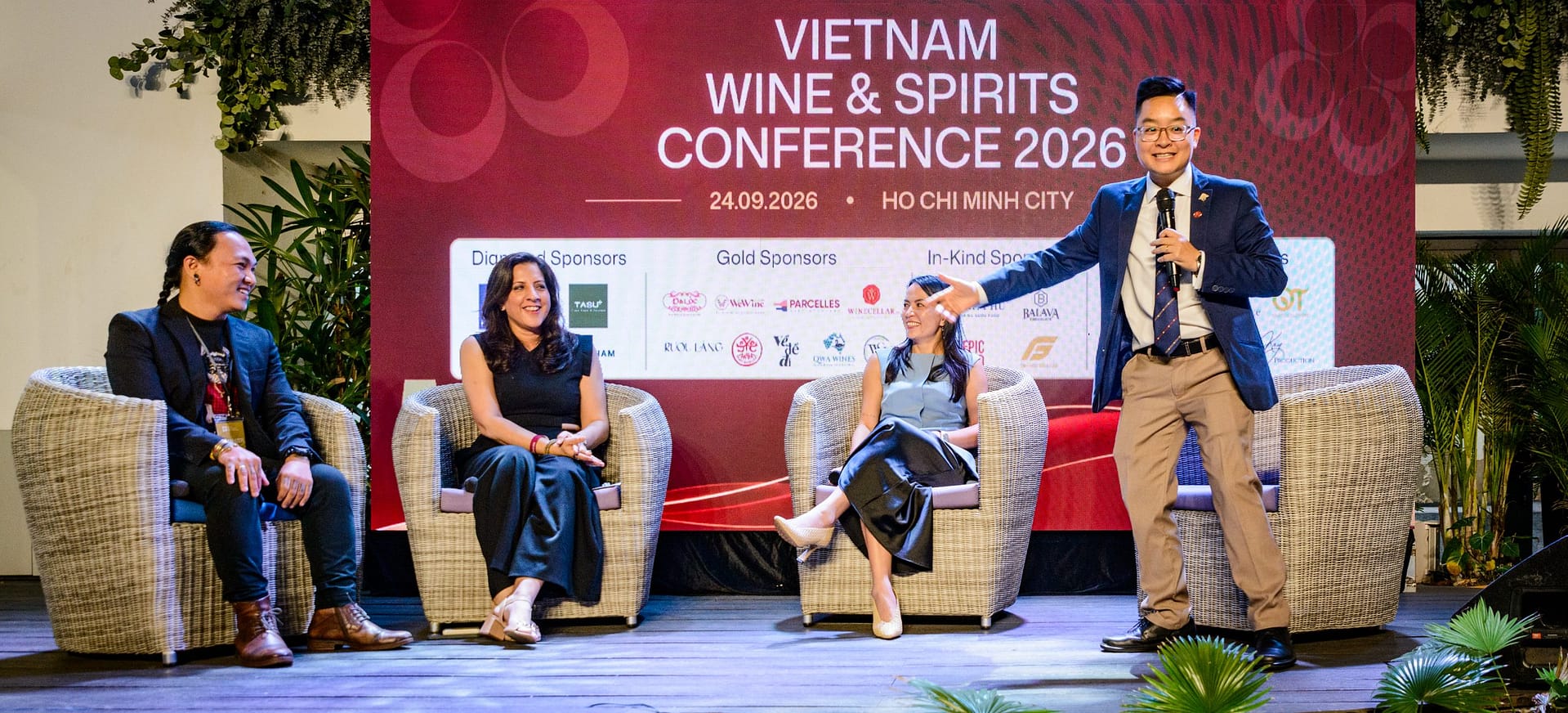
Ngonista Vietnam Wine & Spirits Conference 2026 – 24 September 2026, Amor Resort, Ho Chi Minh City
For its first edition of the Vietnam Wine & Spirits Conference, Ngonista also arranged an industry panel aimed at sharing insights and experience. Led by Lê Hoàng Khánh Vi (Vice President, Vietnam Sommelier Association), it featured Nimmi Malhotra (Asia Correspondent, The Drinks Business), Mary Vu (Co-founder, Mad Wine Bar), and Jack In Bartender (Cocktail Judge & Influencer).
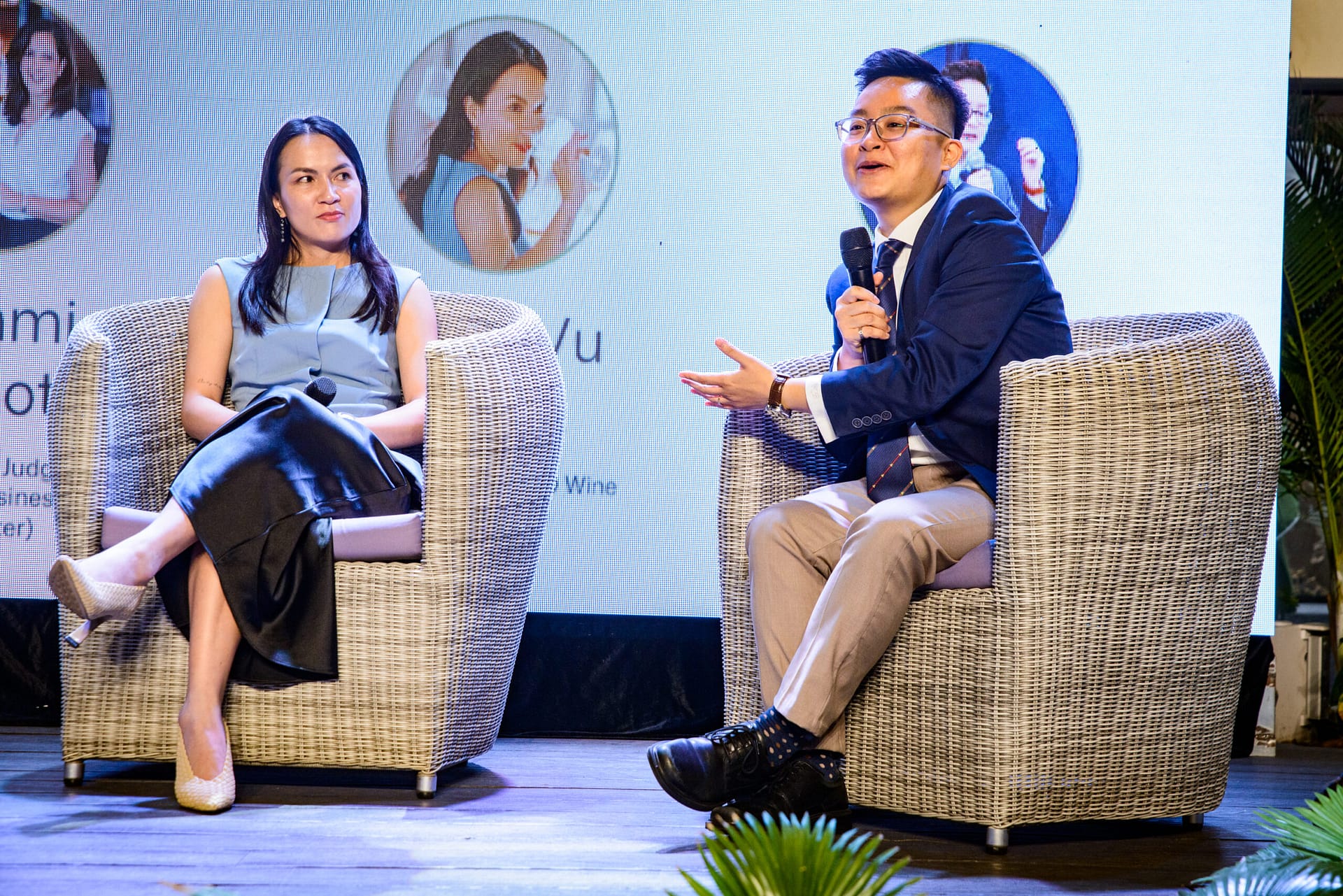
The panel started with a short video message, sent by Nguyễn Thanh Dung – Head Sommelier, Marketing Director of WINECELLAR.vn – who was originally scheduled but had to cancel for personal reasons. In her message, she apologized for her absence and highlighted a sentiment shared by many of those present: “For me, this is a very meaningful and important event, and it also marks the launching of Ngonista, a much-needed platform for Vietnam’s wine and beverage industry, and our market needs – a publication which is modern, up-to-date, and also independent, that shows different perspectives of wine knowledge, and also marketing insights and a lot of activities around the wine and beverage industry in Vietnam.”
After this warm message that set the tone of this historic event, the conversation started with what the world has seen as a rather dark period, but also became the starting point to many of the stories unfolding here: the COVID pandemic. (Have you read our story about IIUM brewery, another Made In Vietnam beverage story that started during the pandemic?)
STAYING AT HOME DIDN’T MEAN A DRY SPELL
Jack In Bartender, a successful social media influencer with over 600,000 followers across his platforms, close to Gen Z, actually started doing social media during the pandemic, initially sharing recipes of classic cocktails, and then experimenting with making cocktails at home, with the ingredients everyone has at hand.
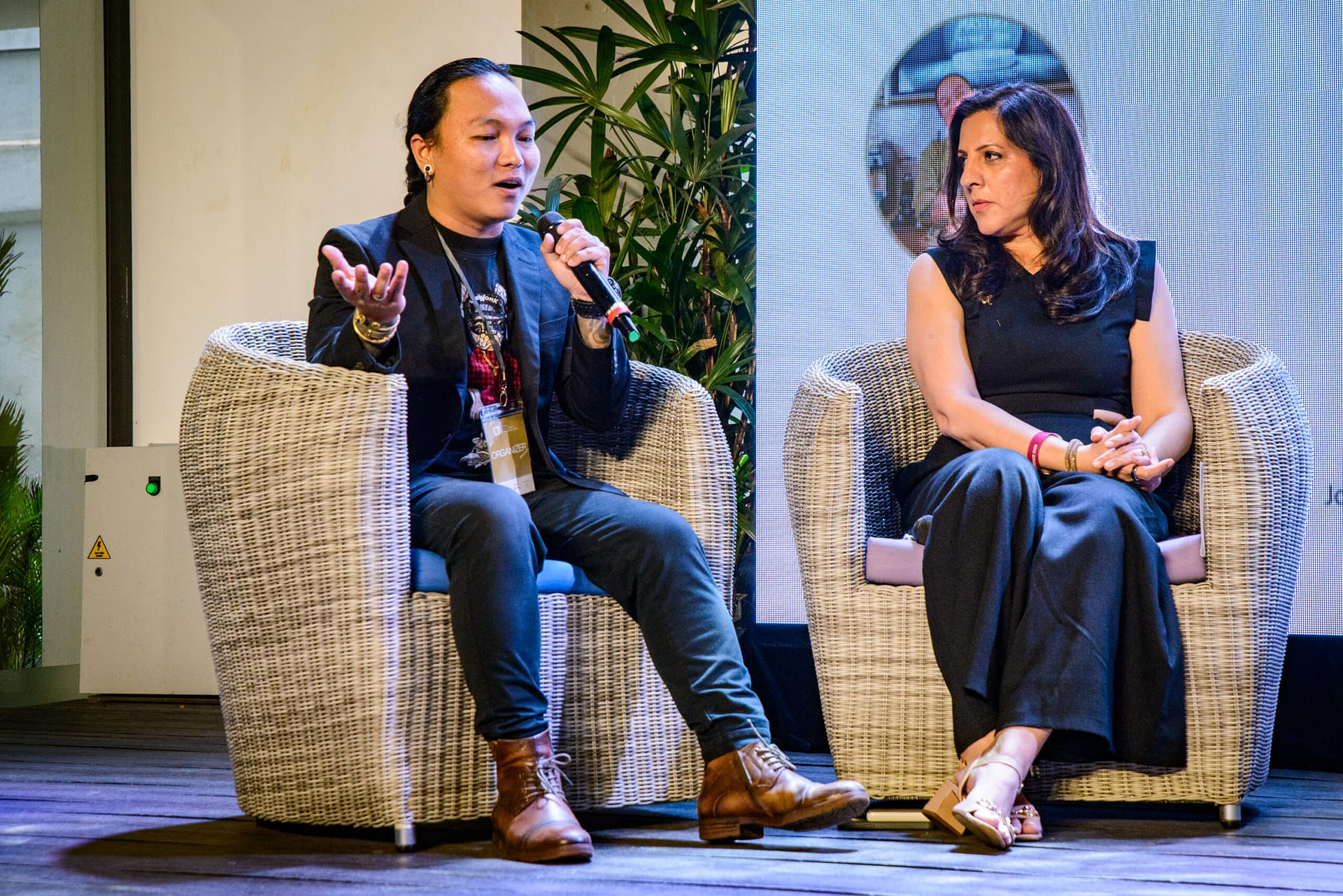
This was also a reaction to something he had noticed during the time he lived in Australia. There, he had seen a home bar in nearly every house he visited, where people mixed their own drinks and yet still went out regularly to drink at the bar. Vietnam was missing that culture, he felt, and he set out to build it: creating a social media channel teaching people cocktails made from whatever was already in the kitchen.
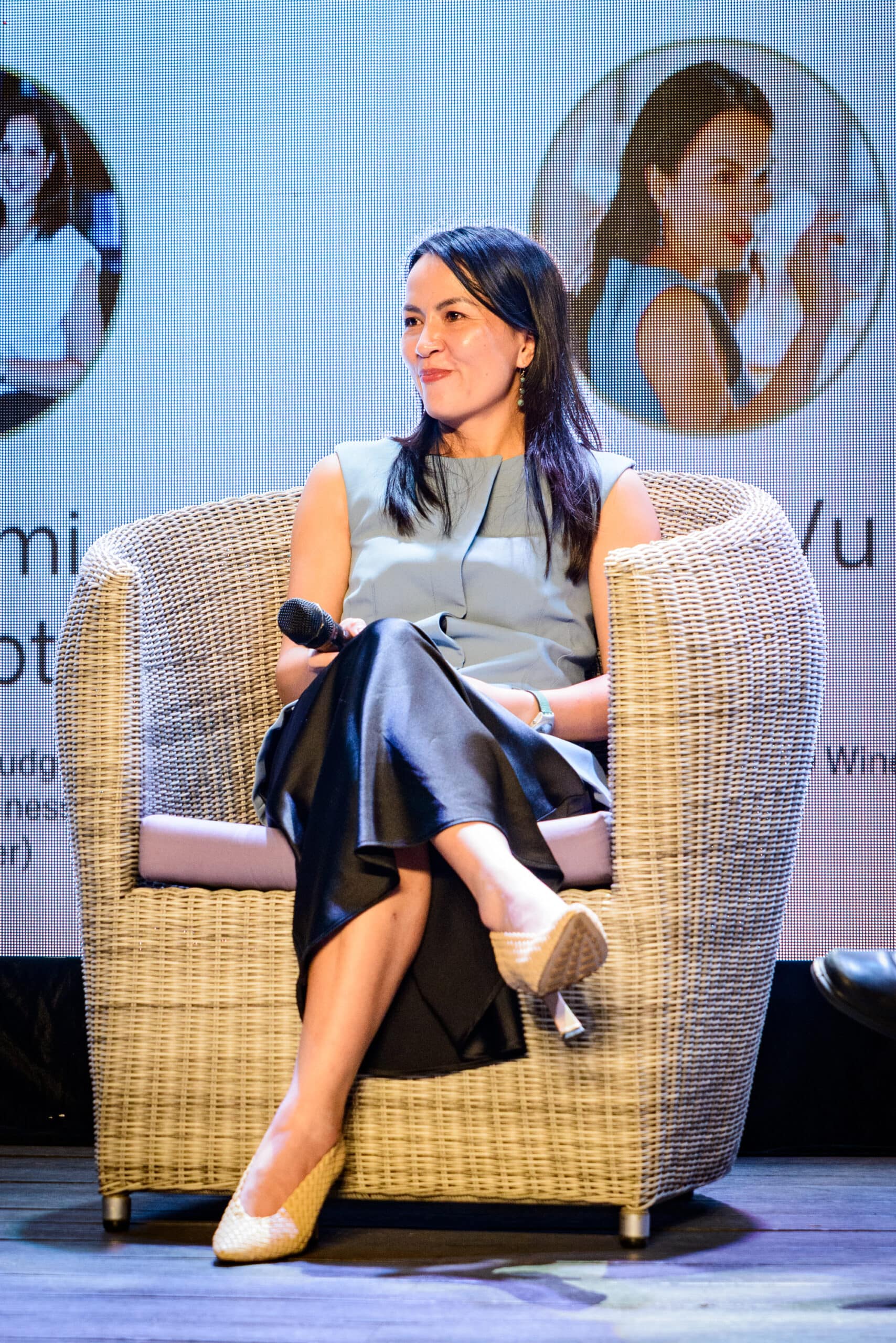
Nimmi Malhotra, splitting her time between Hong Kong and Singapore through the pandemic, watched the same shift happen twice. Hong Kong locked down hard, cutting off the travelling winemakers who once kept its trade moving. Everywhere, people drank more at home, and better quality too: premium champagne sales climbed across Asia as families realised that if they were going to be stuck indoors, they may as well be stuck indoors with something good.
On the Vietnam side of the lockdown, Vi cheekily remembered focusing on getting wine delivered on the down-low, while others stocked up on rice and vegetables. As her mother put it then: “The government will bring you food anyway, but they can’t bring you wine – so let’s talk wine first.”
Mary Vu, co-owner of Mad Wine Bar, remembered the bar opened its doors in February 2020, about a month before Vietnam’s own shutdown forced them to close completely for a month and a half.
“We learned a lot,” she said of that stretch, mostly about what they needed to spend money on to survive it. They decided right away not to let any staff go through the pandemic and to face the crisis together. Well, she laughed, “we didn’t have many employees, we were all working very hard – maybe 16 hours a day.”
She felt very lucky, however, as people came back as soon as the bar reopened, there was a strong feeling of community and a need to sit together again, and sip bottles in good company.
Case in point, of course: although everyone got used to drinking at home during the pandemic, this didn’t kill the on-trade. A drink at home is still just a drink. A bar gives you the people who make it, and the ones you share it with. “It’s not just about having a drink,” Nimmi said. “It’s about meeting people, having a good talk with the bartenders.” Bars across Hong Kong, Bangkok and Singapore that opened during the pandemic, built by people who, like Jack, had spent the lockdowns experimenting at home, are now some of the region’s more talked-about names.
Wine and Cocktails for People Who Don’t Yet Know the Rules
Ho Chi Minh City and Hanoi’s newest bars aren’t necessarily chasing the sommelier crowd. Vi talked about a concept called “Vang Hoi,” playing off the name of Vietnam’s ubiquitous draft beer “Bia Hoi,” where they set out plastic tables on the sidewalk and pour wine for whoever wants to sit down, with no expertise required nor the pretension sometimes associated with wine bars. The appeal, panelists agreed, is precisely that it doesn’t ask anything of the drinker beyond showing up, and the pictures people post on social media take care of the marketing.
Jack’s approach runs on the same instinct, starting with people at home, simple ingredients, drinks anyone can make in their own kitchen, thus helping them later walk into a bar and order a cocktail with more confidence and understanding of the process.
Where Vietnam Sits on the Map
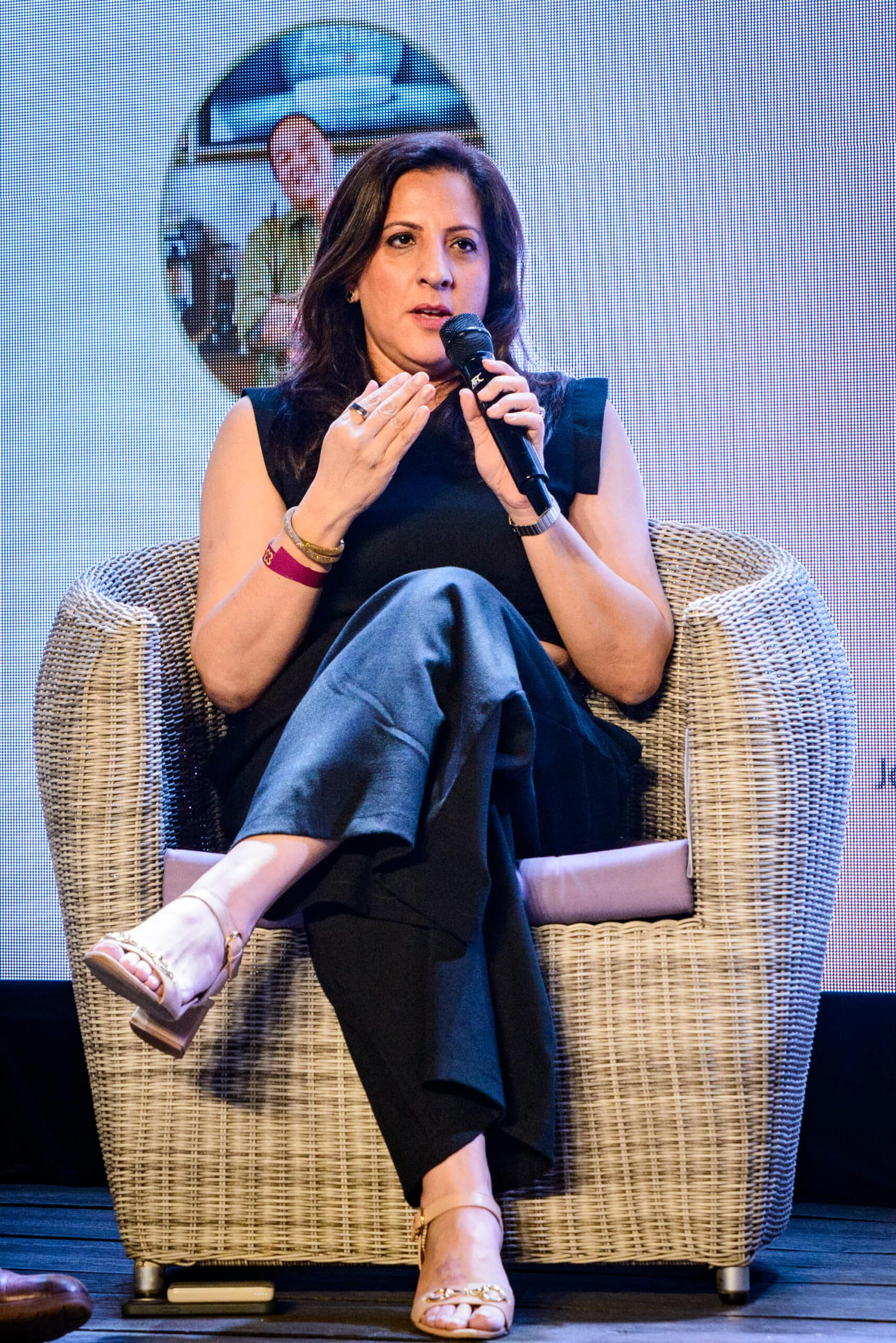
Nimmi laid out the regional picture putting Vietnam’s promise into context: “Hong Kong and Singapore are both premium markets. Hong Kong has no tax on wine and has become a major hub for fine wine. Singapore taxes far more heavily than Hong Kong, but because the duty is fixed per litre rather than by price, it weighs relatively lightly at the premium end. The high-net-worth end of the population supports a strong appetite for high-end wines.”
Vietnam is a different kind of story: consumption is rising roughly 3%, the middle class is growing, and GDP per capita is roughly double India’s, a country whose wine imports stay small relative to its population.
“The two things that stand in the way of the wine market’s growth in Vietnam are the SCT and the country’s zero-tolerance drink-driving laws”, she added.
“Two trends work in its favour. Rising urbanisation is drawing more people into city life, exposing them to new pleasures such as wine. And the cities’ dining culture, which now includes a growing number of Michelin restaurants and wine bars.”
Free trade agreements, including the ones with Australia and New Zealand, should ease some of that pressure over time. Whether the market lives up to its promise, in the end, comes down to something simpler than tax policy: whether Vietnam builds the food culture, the gastronomy, that makes wine part of a meal rather than an occasion.
Pairing Without a Rulebook
The panel had an interesting chat about wine pairing, landing on something that really echoed my own view on Asian food and wine pairing.
Mary Vu mentioned Vietnamese pancakes on the lunch table, banh xeo, piled with herbs and dipped in sweet and sour fish sauce, pairing well with an off-dry Riesling, and her point was clear: there isn’t a rulebook, and there was never supposed to be one.
Nimmi revelled in this freedom for wine pairing when it comes to Asian food. Old World traditions of pairing are “out the door,” she said. “As Asians, we decide how we pair.”
“We know what we want to taste in the food. So for example, when they say, ‘Oh, Indian food and Thai food should go with a sweet Riesling!’ Well, the sweetness kills the spice, but all of us love the spice! We actually want to feel the spice. So maybe try a dry Riesling instead. Vietnamese food is great with a Grüner Veltliner from Austria, or a Tasmanian Chardonnay. Maybe try something that really speaks to you. I’d say please pair your local food and you tell the world how well local food pairs with whichever wine you choose.”
Vi doubled down: “A lot of people try to have a pairing that can clean out the spiciness. They try to bring sweetness to compensate for the chili or spicy flavour. Why do you clean everything out? Chefs work hard to make a well-balanced spicy dish, and then somebody tries to clean that out. Don’t do that. It makes no sense. Try to create a pairing where you still can feel the spiciness, where the pairing and the dish work together to elevate the whole flavour experience.”
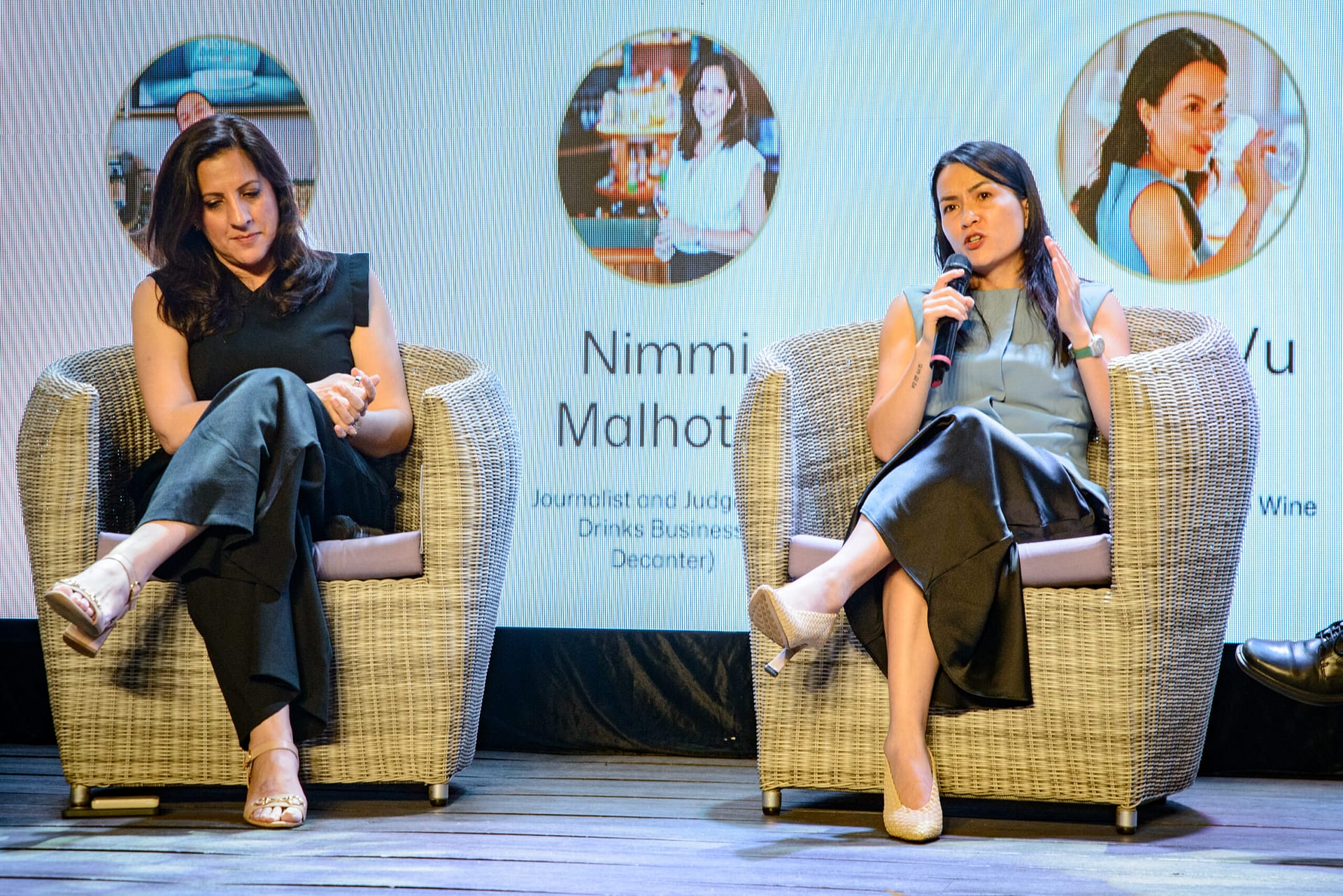
Mary Vu kindly shared a tip she got from Sommelier Mr Phat, who won Vietmam’s Best Sommelier for French Wine in 2025 and VBest Sommelier in Italian Wine 2026. He told her his favourite pairing was a heavily spiced fish dish with Amarone, and although she was surprised at first, it made a perfect match – yet more proof that we need to keep experimenting and not blindly follow rulebooks.

Ngonista’s first industry panel impressed with the quality of the panelists, the professionalism of the organisation and the fresh Vietnamese approach, which is both welcoming and fun, centered on the human experience rather than the academic – and that speaks to both the Ngonista voice and the Vietnamese identity behind it. As a foreigner who’s been here for over four years, this made me proud to be part of such a fast-developing scene, where there’s so much still to build and so many people still to meet – slowly but surely looking forward and writing its own rules.
CELLAR BRIDGE | cellarbridge.com | editor@cellarbridge.com | Words & Photography by Aurélien Foucault