Words & Photography by Aurélien Foucault
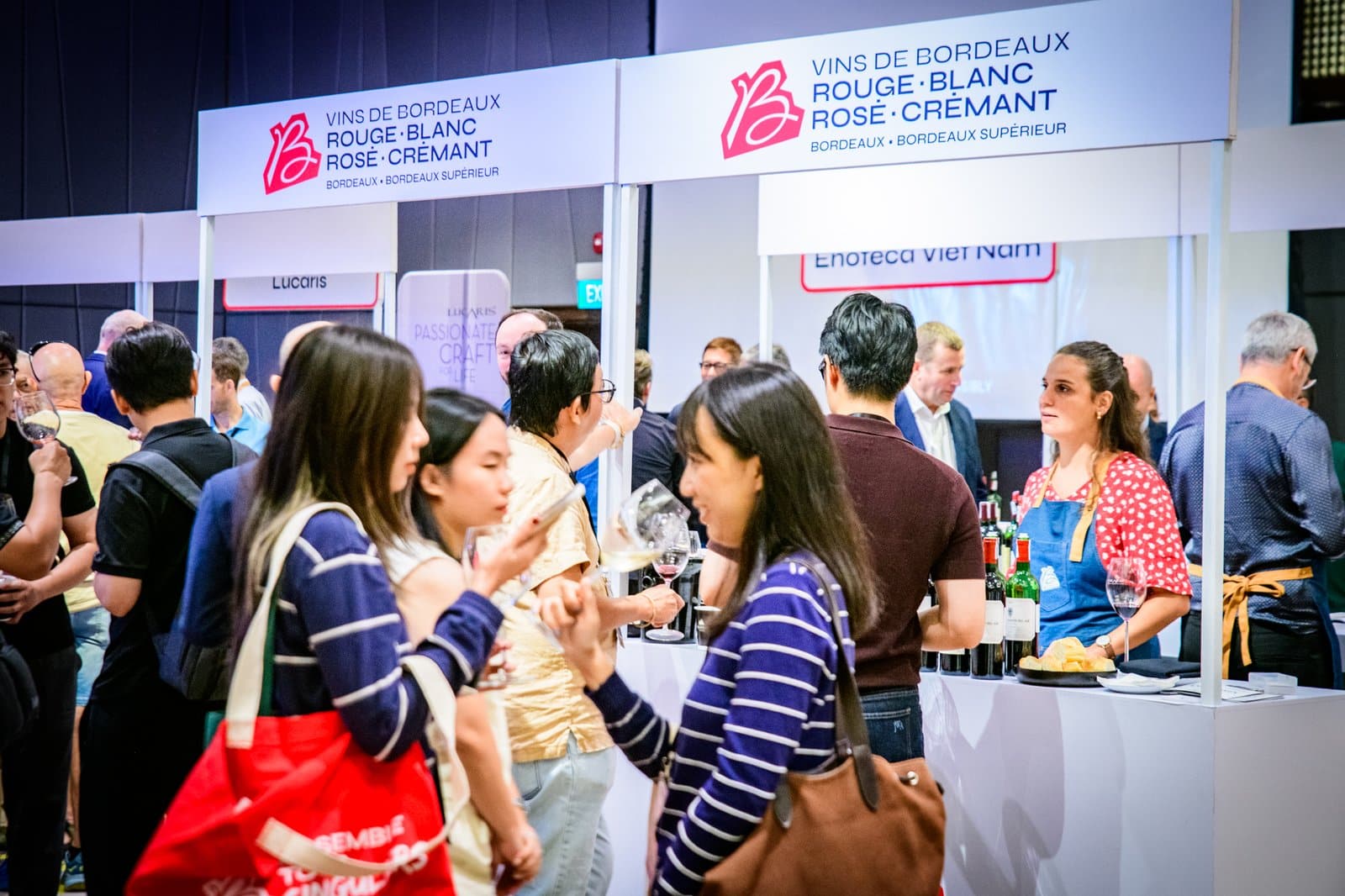
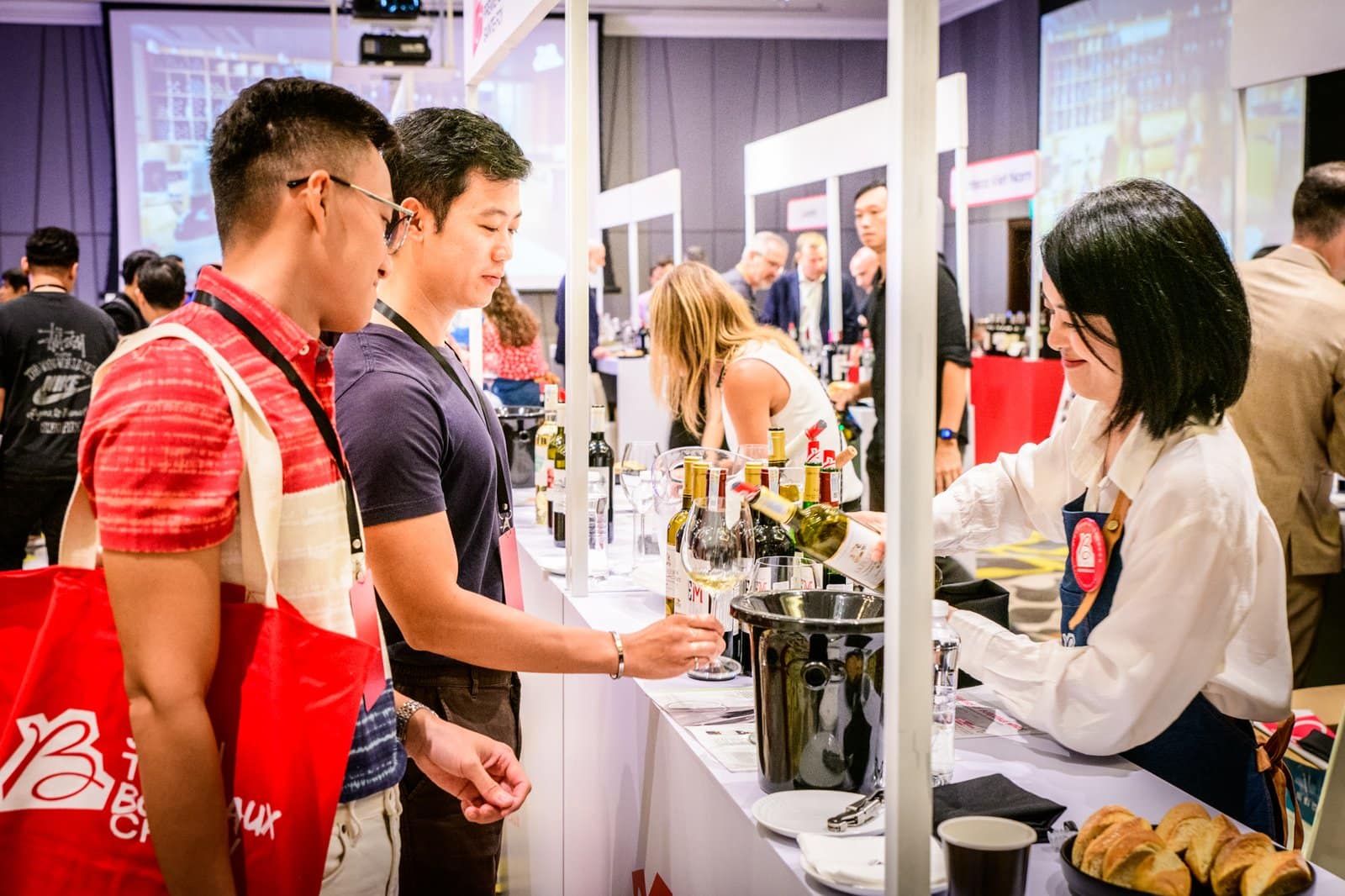
On 22 October, I attended a tasting by Bordeaux Wines, who made a renewed effort to dust off the image of their wines abroad.
Long regarded as one of the world’s very best wine regions and home to many of the most celebrated wines in history, Bordeaux wines are today often associated with a few traits that have made them fall slightly out of favour with modern consumers. They were often seen as oak-heavy, with limited versatility (we don’t always have a juicy piece of beef at hand!), too heavy for hot weather, and with a level of complexity that often required cellaring and decanting. Most people simply saw Bordeaux as something you wouldn’t pop open for any occasion.
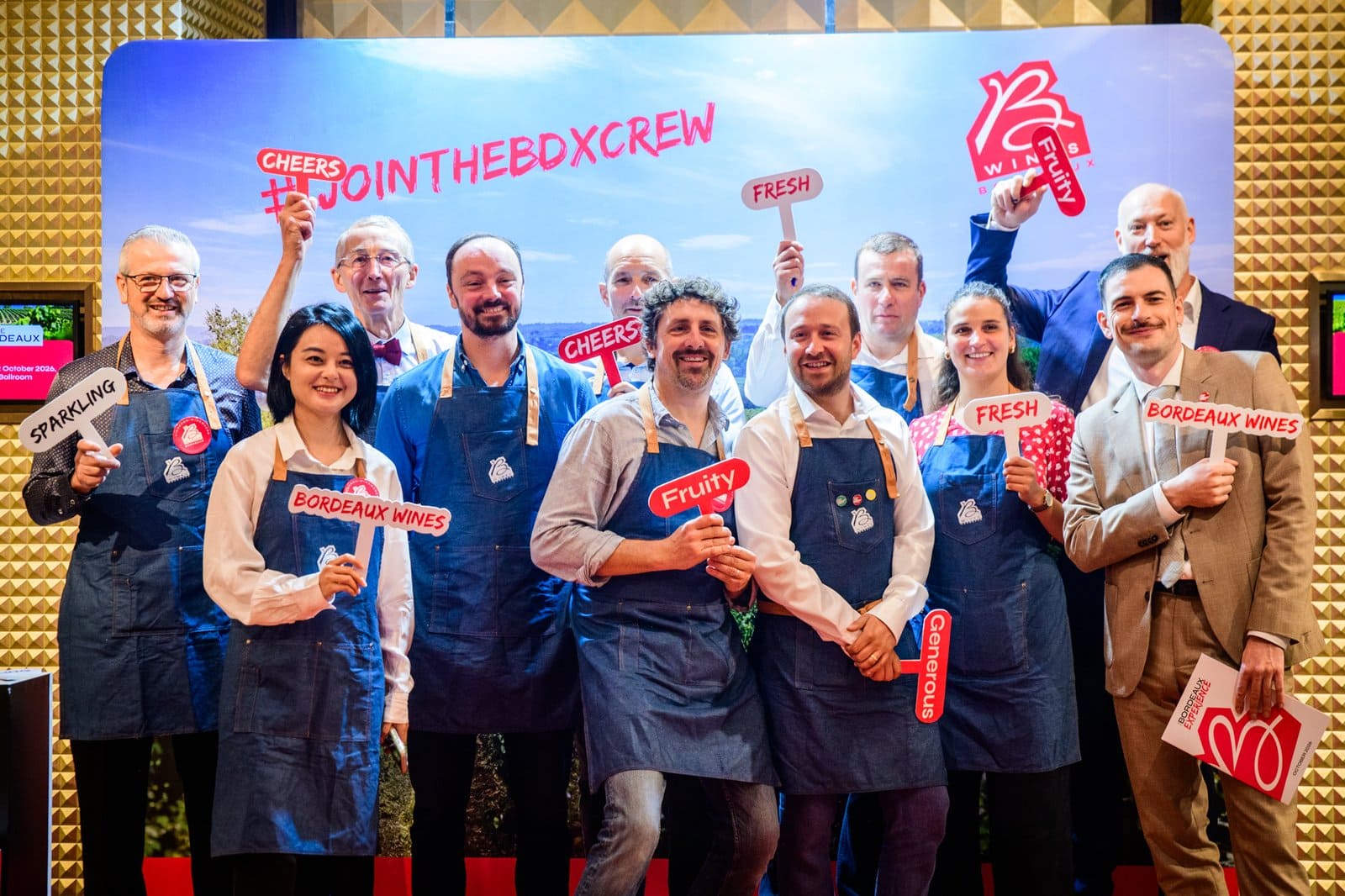
This is the perception Bordeaux Wines want to change and this was reflected by the event branding: flashy and fun colours, and a hashtagged motto: #JoinTheBDXCrew, definitely aiming at reaching a modern crowd.
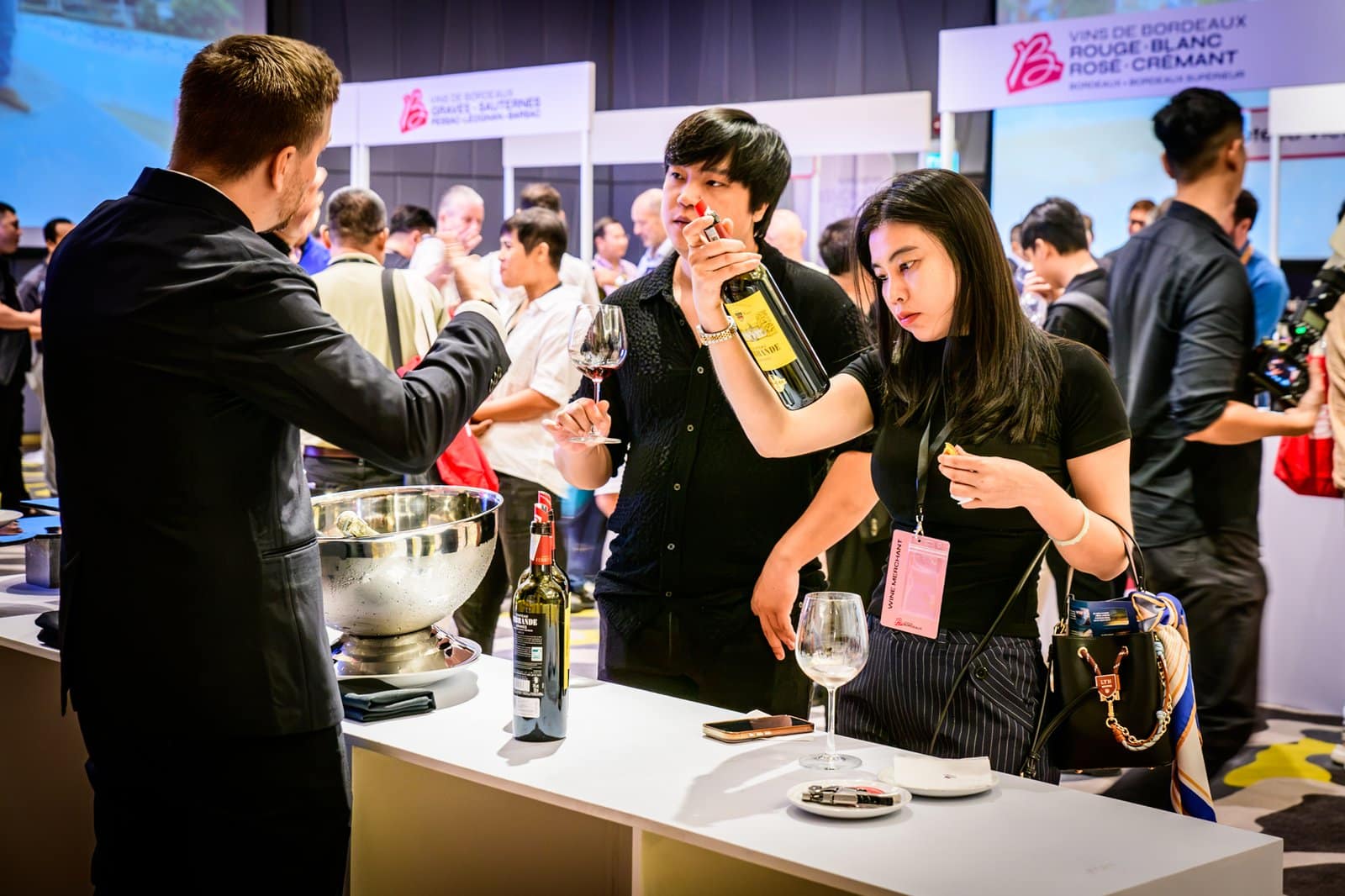
Plenty of the wines at the show (whites, crémants and reds) were refreshingly easy to drink, and would easily find a place alongside Asian food and tropical weather. With a mix of négociants, large owners, collectives, independent winemakers, and Vietnam-based importers and distributors (Parcelles, red apron, and enoteca), we got to experience a lesser-known side of Bordeaux winemaking: much more approachable, less intimidating, and resolutely as passionate about wine as ever.
A DIVERSITY OF ESTATES
The diversity of Bordeaux winemaking was also evidenced in the estates at the show.
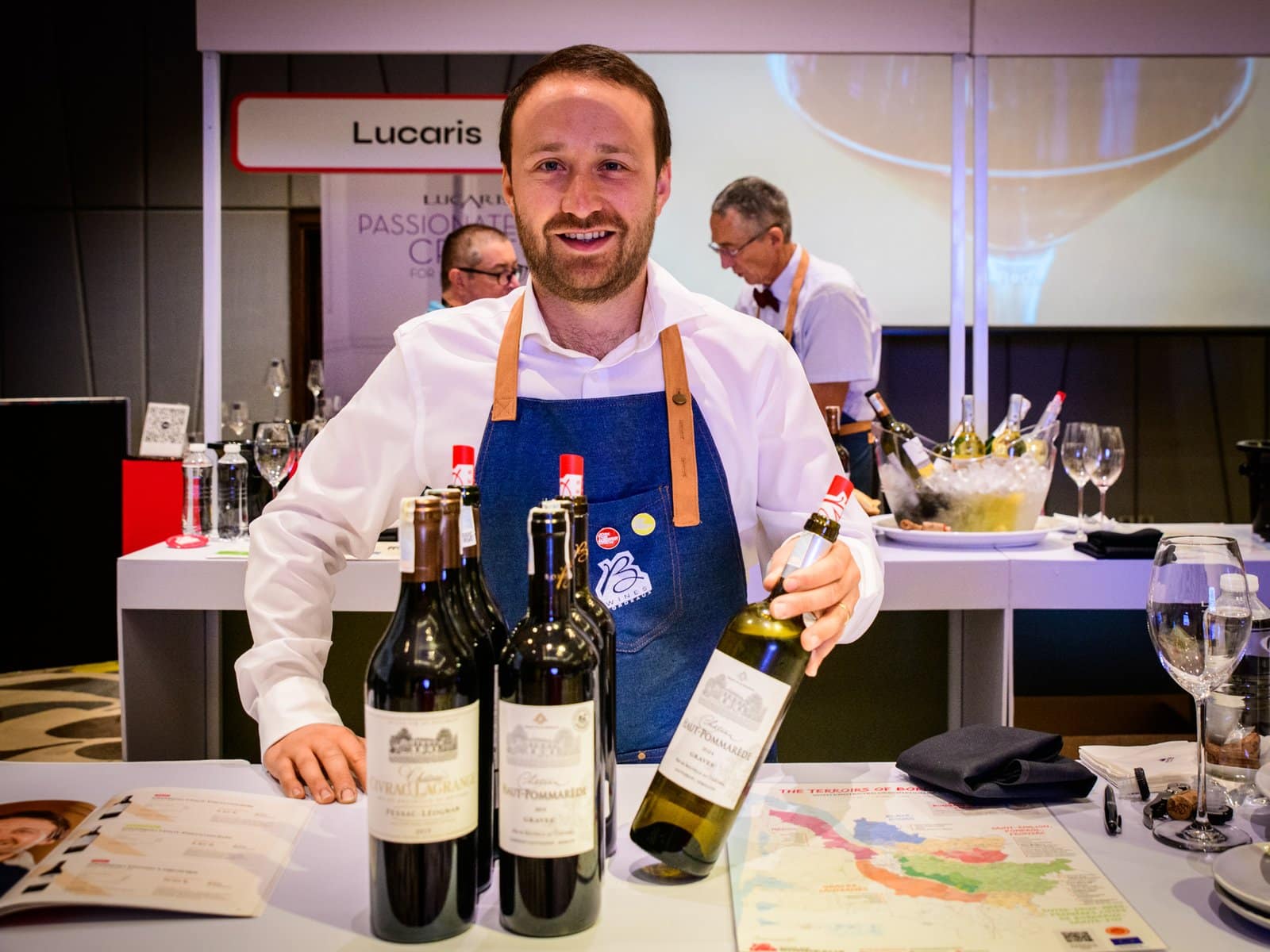
Some winemakers come from established wine families, following in their footsteps. Romain Haverlan, a fifth generation winemaker, returned home after years abroad to join his father at Vignobles Haverlan, now handling no less than 6 estates across Graves and Pessac-Léognan.
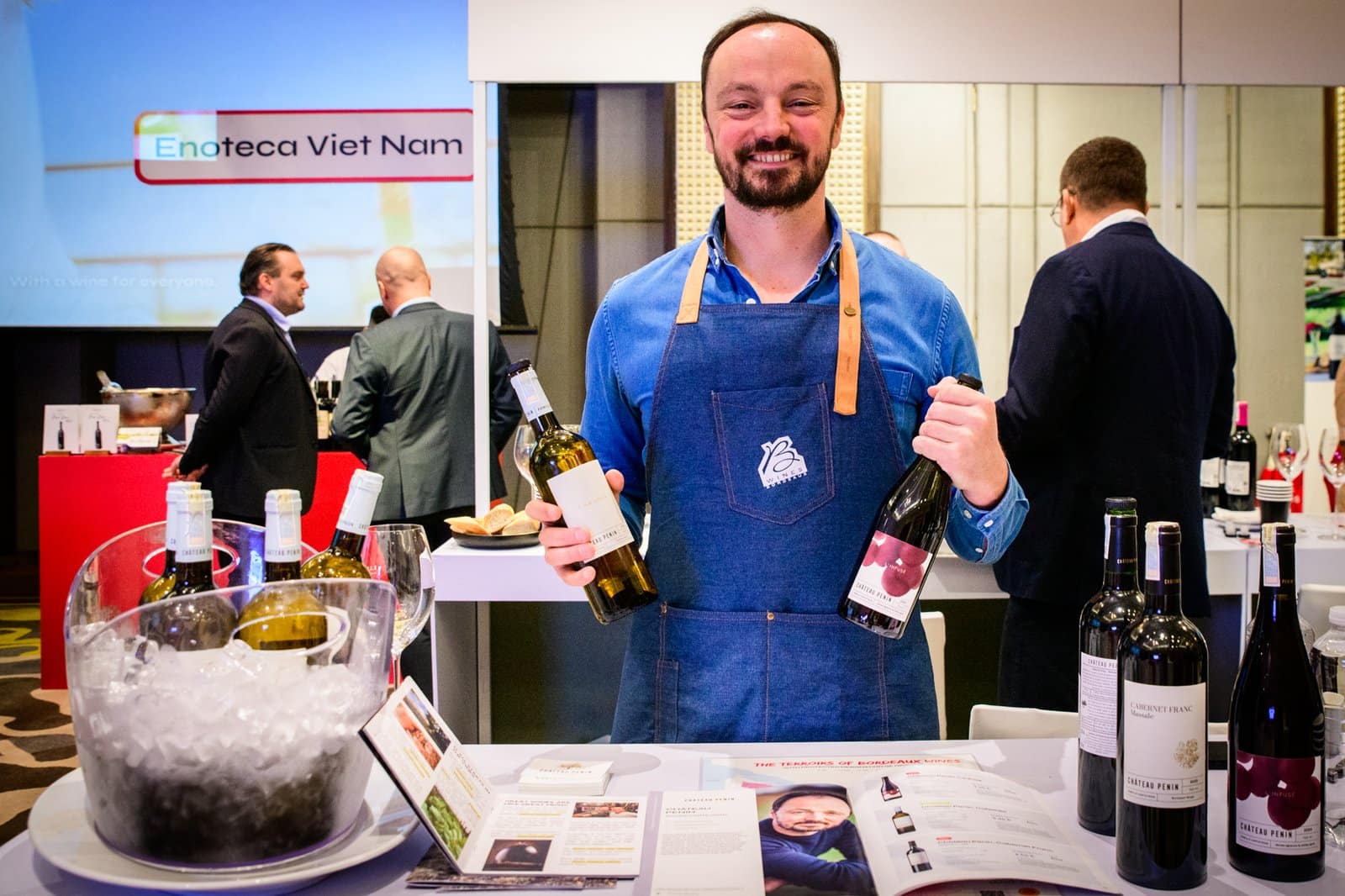
Etienne and Antoine Carteyron are two brothers who brought their own vision when they took over their fifth generation family estate in 2022, with regenerative viticulture and a long-term vision at the core of Château Penin.
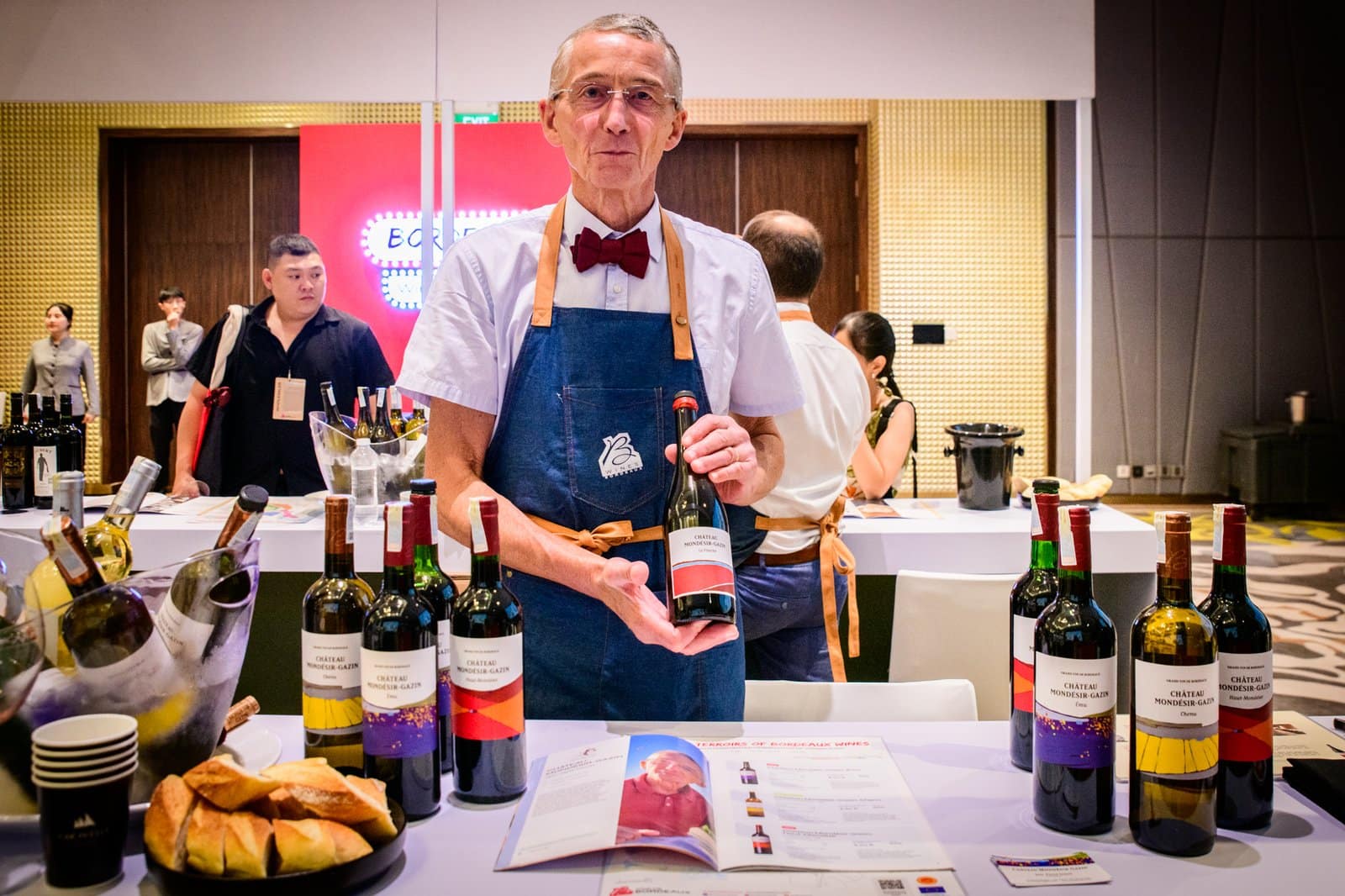
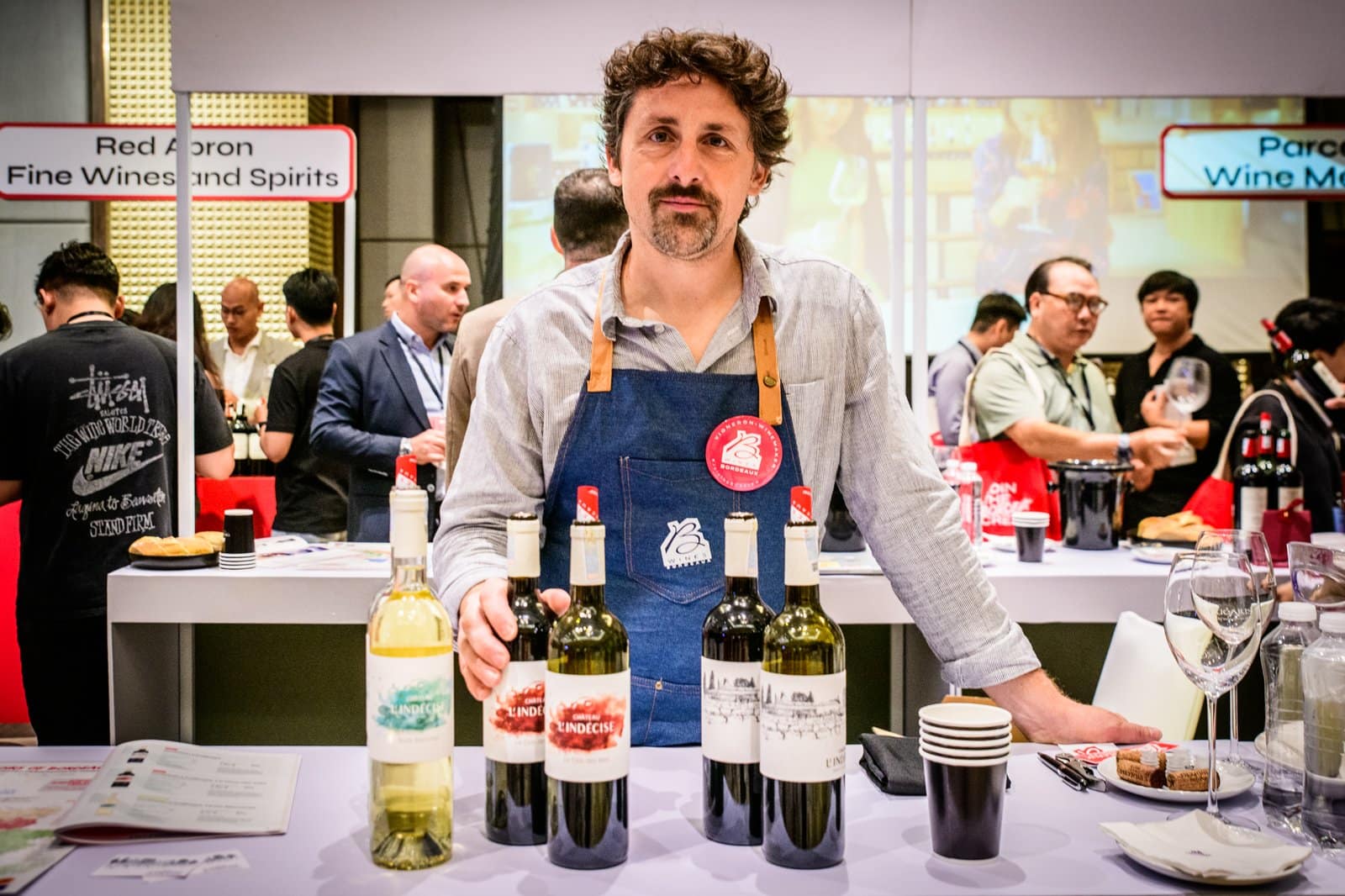
Others are “civilians” who decided to turn their lives around and follow their love of wine, such as former diplomat Jean-Pierre Simon of Château Mondésir-Gazin, who created a universe between poetry and a longing for a simple life, and Sacha and Marie Sokoloff of Château L’indécise, who decided to realign their lives with their values of terroir and community.
There was also a very interesting collective called Vignobles Gabriel & Co, united by their commitment to responsible practices, sustainable development and organic farming. They’re the first in France to adopt a fair trade label called Fair For Life. Sign of the times – why would we expect fair trade for coffee farmers in Colombia and not to the people working in our own vineyards?
What to Try
I was only there briefly, as I had to leave early, and the event was crowded enough that I couldn’t visit every booth. Still, I got to taste some lovely wines, and here’s a quick mention of wines I’d recommend you try:
Bubbles
- Crémant de Bordeaux by Château Les Combes (Sémillon/Sauvignon Blanc), by Vignobles Borderie
Whites
- Cabanes by Château Penin (Sauvignon Blanc, Sauvignon Gris & Sémillon), 2025
- Chenu, by Château Mondésir-Gazin (Sémillon/Sauvignon Blanc), Blaye Côtes de Bordeaux, 2024
- Graves Blanc (Sémillon/Sauvignon Blanc), Château Haut-Pommarède, 2024
Reds
- Château Dasvin-Bel Air, Cru Bourgeois (Merlot, Cab. Sauvignon, Cab. Franc, & Malbec)
- Château Civrac-Lagrange, Pessac Léognan (Cabernet Sauvignon, Merlot, Petit Verdot), 2019
- Château Penin, Cabernet Franc, 2020
With this glimpse of what Bordeaux has to offer today, one can only be hopeful about its global appeal. Bordeaux Wines made a strong case for their modern image: dynamic, easy to drink and diverse, with producers looking towards the future without abandoning their roots.
Bordeaux is here to stay, and it is far from being a monolith. There is room for everyone and absolutely no need to choose a camp.