Words & Photography by Aurélien Foucault

Vinexpo 2026 : A Hong Kong Return
It’s taken me a while to fully wrap my head around the whirlwind that these 3 days of Vinexpo have been. The 10th edition of Vinexpo Asia at the Hong Kong Convention and Exhibition Centre ran from 26 to 28 May and returned to form in a way that felt energised, confident and with a definite drive.
A couple of the numbers first to get them out of the way: this edition brought together 14,273 trade professionals from 76 markets – up from 59 markets in 2024 – and 38 producing countries, three more than two years ago. Nine countries exhibited for the first time: Austria, Belgium, Georgia, Greece, Hungary, Moldova, Slovakia, Tunisia, and Uruguay. Seventy-five percent of total attendance came from Greater China, Hong Kong, Taiwan, Macao, and mature Asian markets such as Japan and South Korea, while Southeast Asian markets including Vietnam and Thailand also showed growing participation. The event benefited from 28 local and regional trade associations, up from 19 in 2024, strengthening its reach among importers, distributors, and sommeliers across the region.

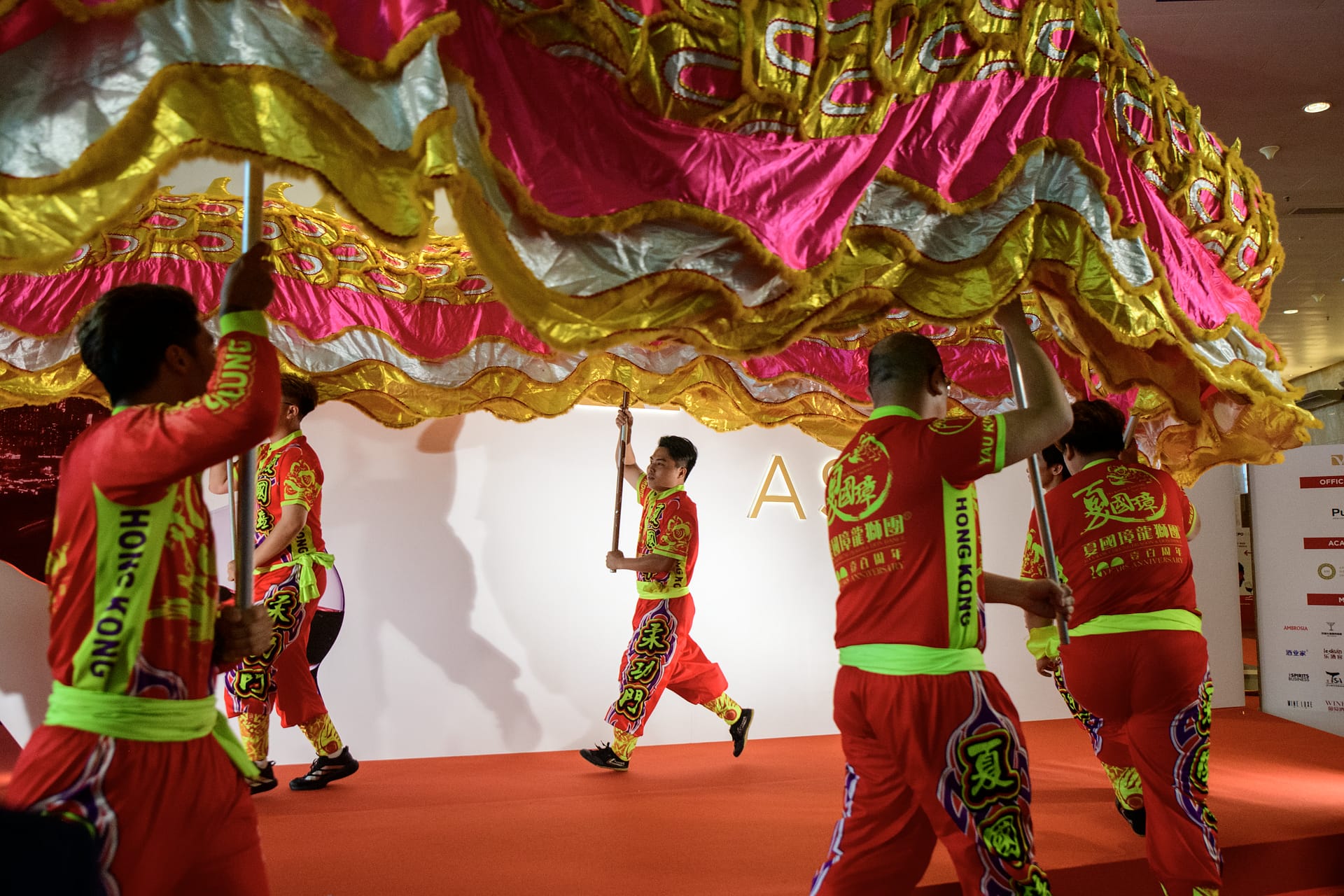
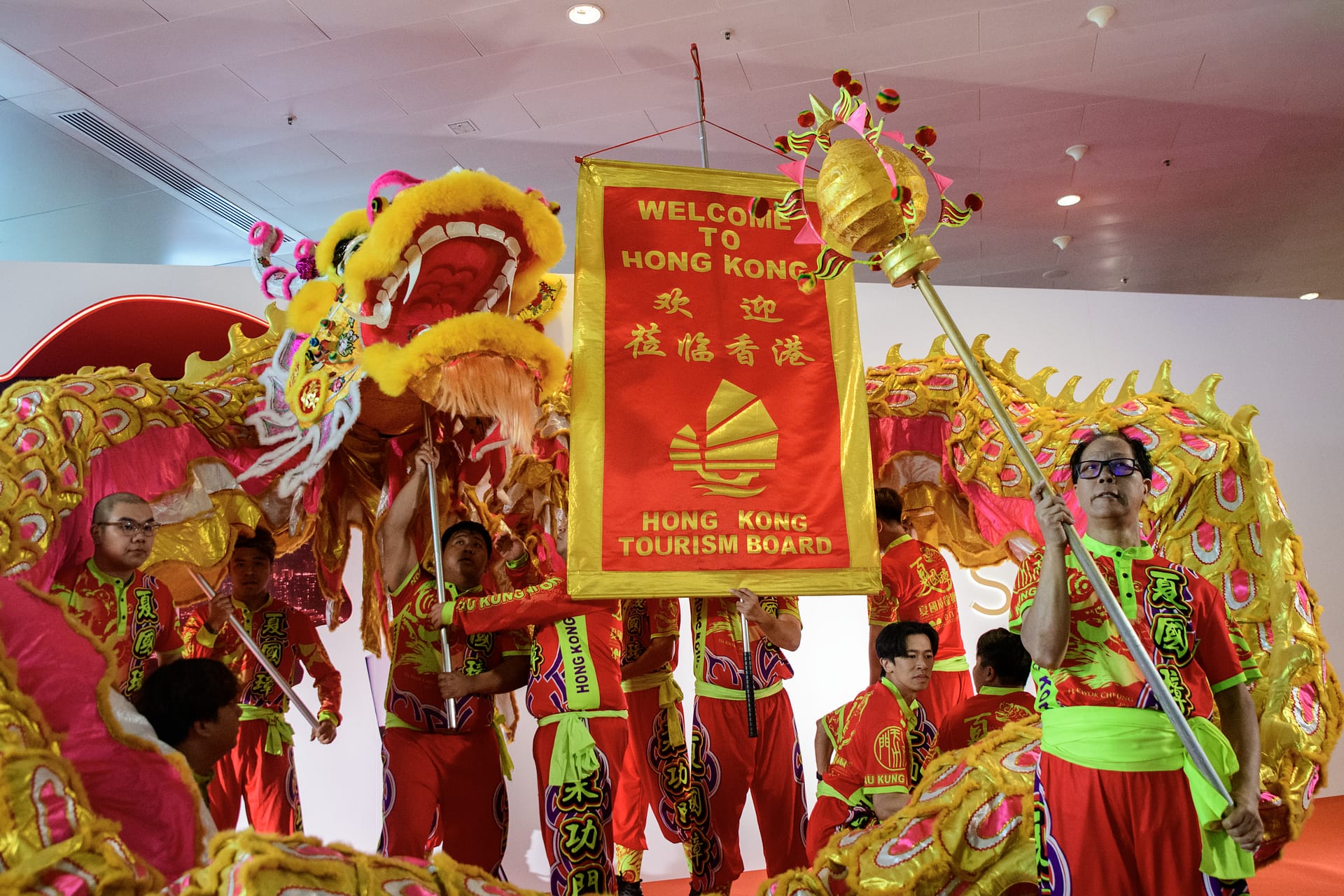
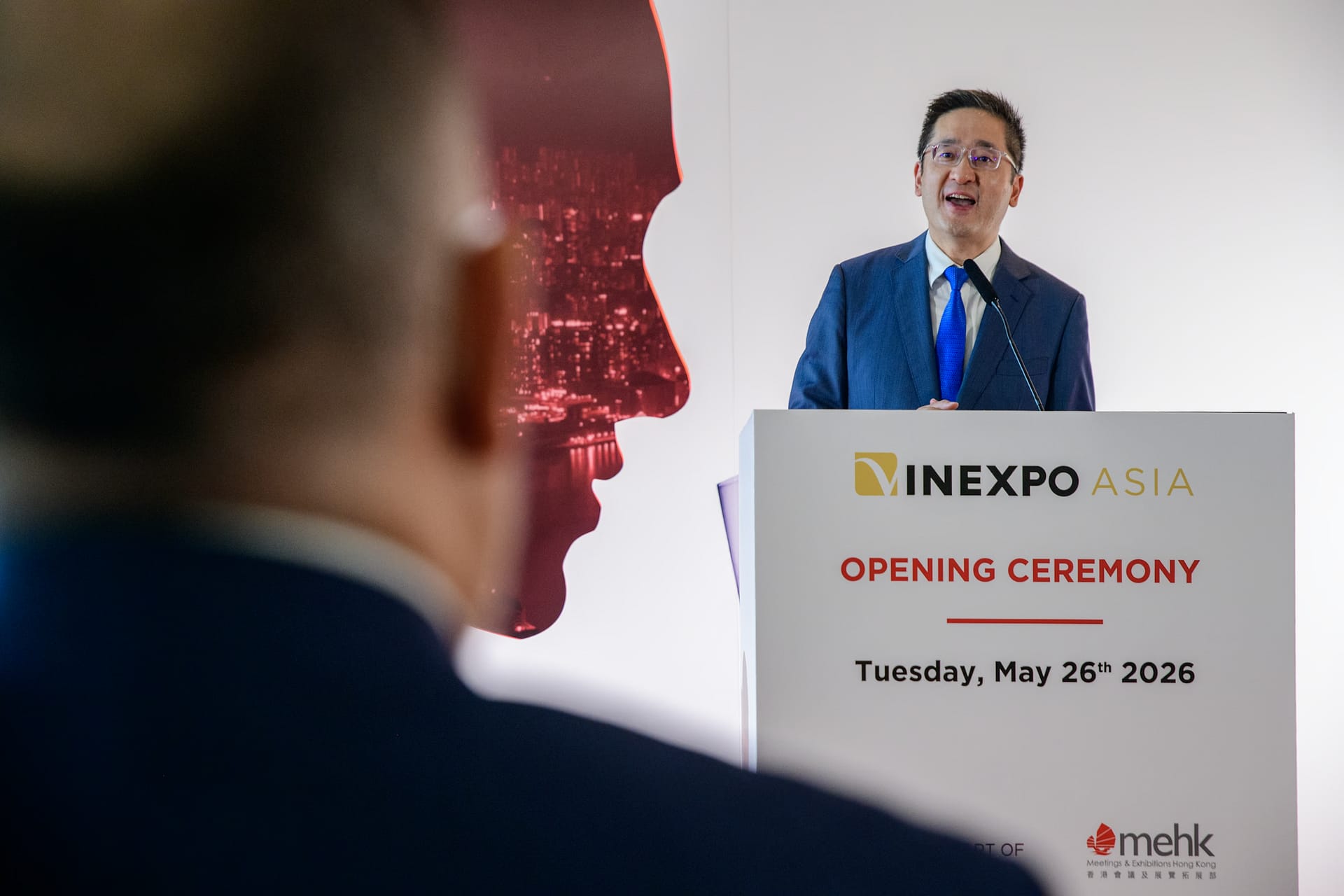
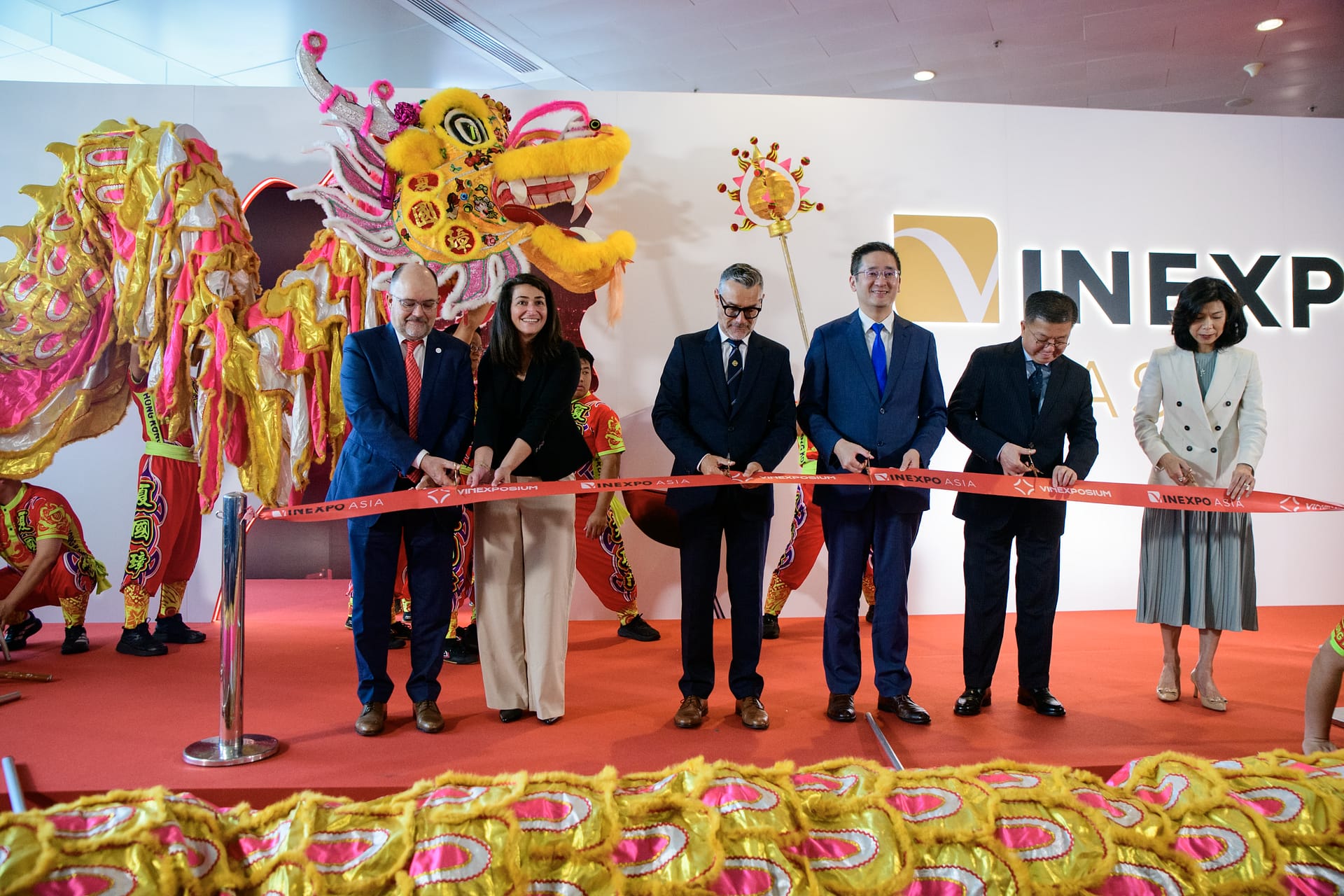
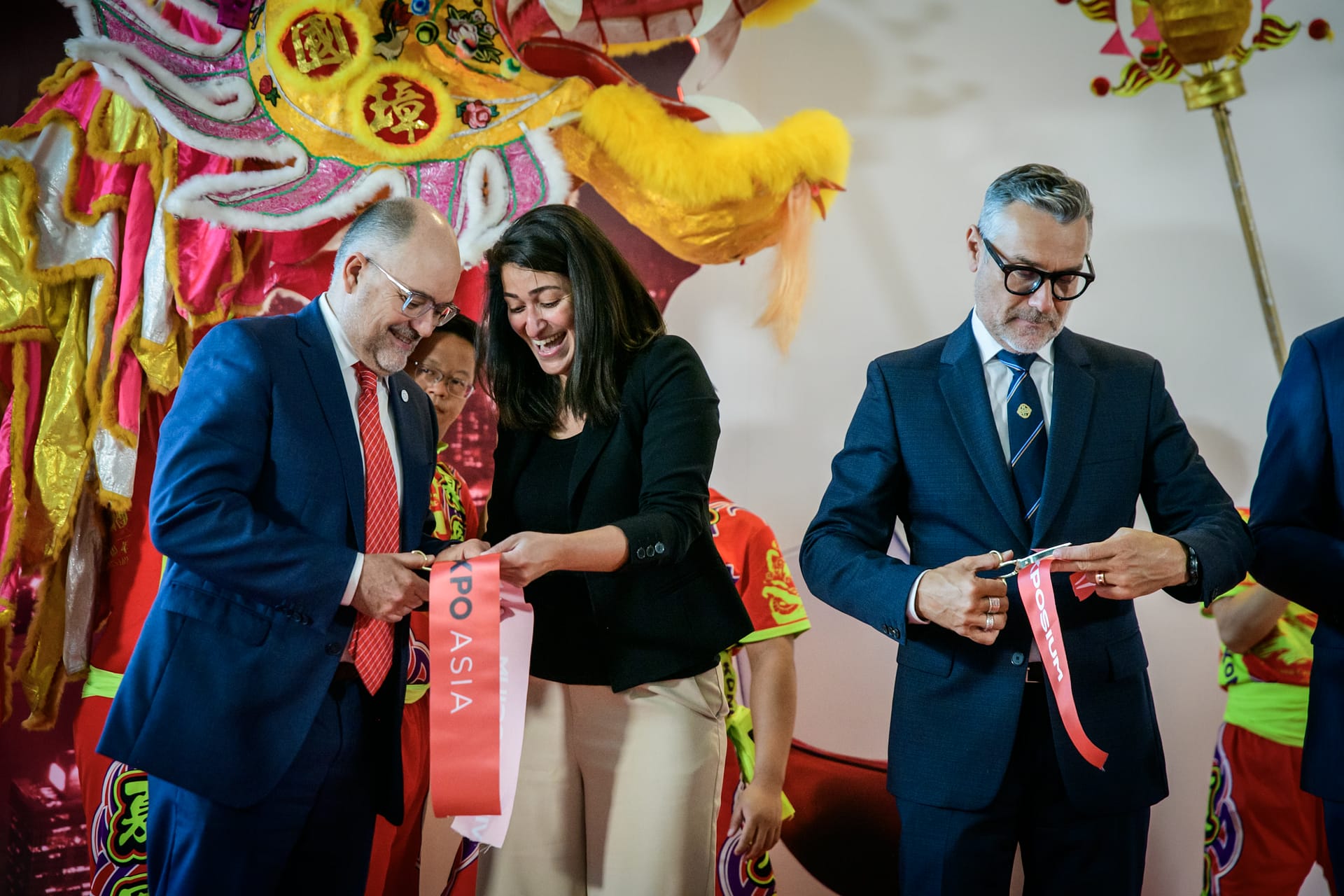
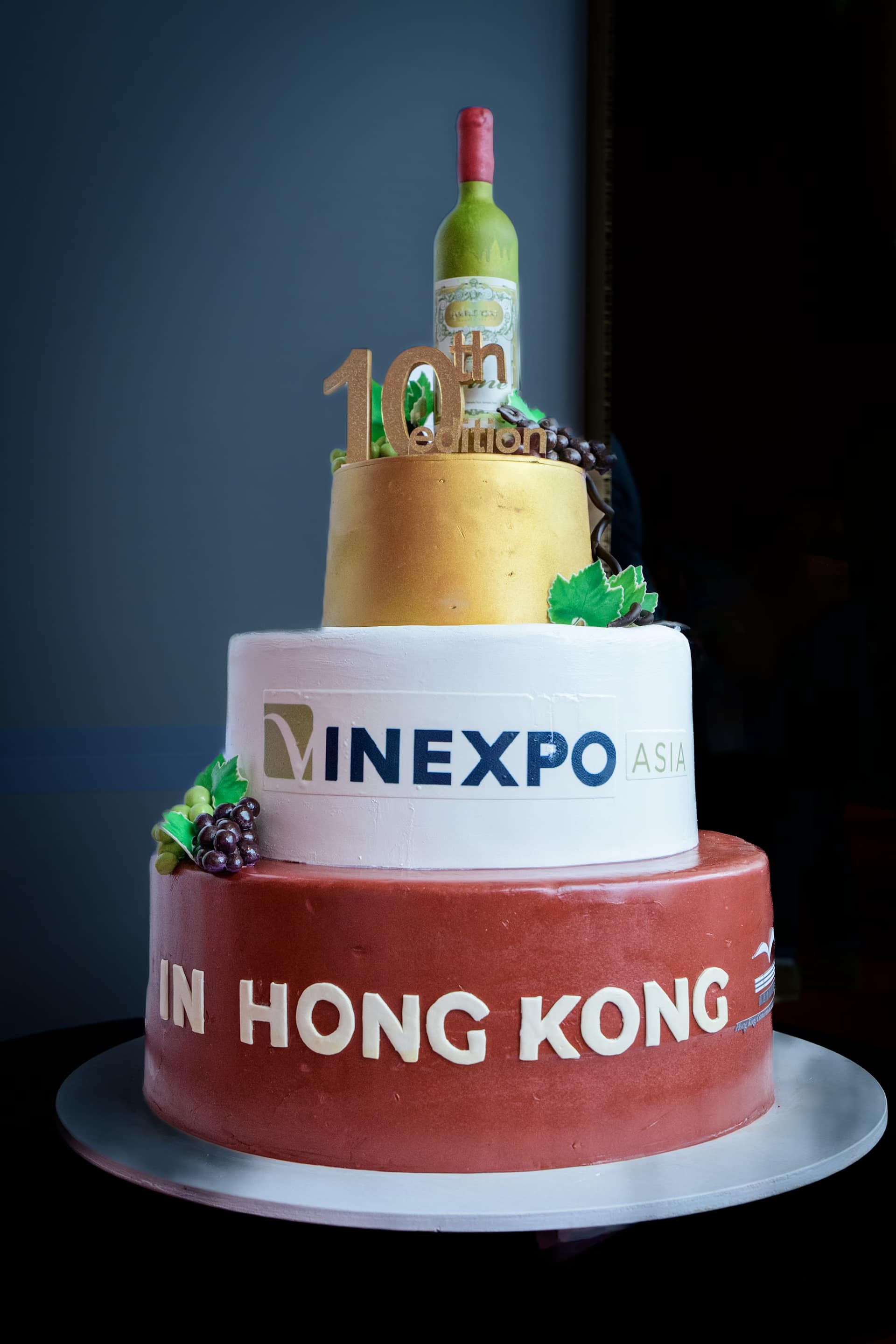
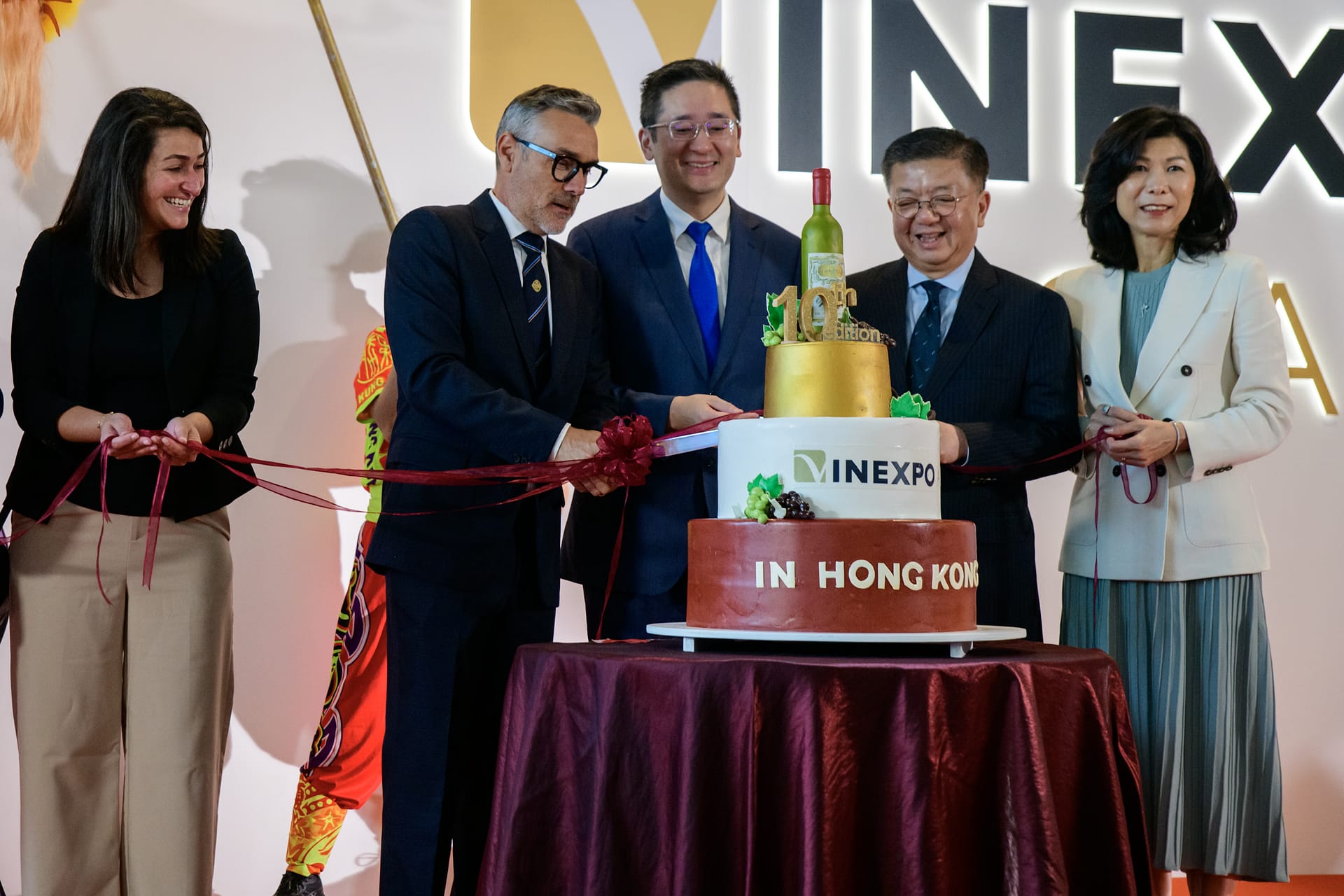
The opening ceremony showed clear support from the diplomatic and institutional side. Dr Bernard Chan, Acting Secretary for Commerce and Economic Development of the Hong Kong SAR Government, opened the event alongside the French Ambassador Bertrand Lortholary, the EU Ambassador Harvey Rouse, 25 consuls general, and trade advisors from 18 countries. Rodolphe Lameyse, CEO of Vinexposium, framed the edition in terms of continuity and ambition, calling Hong Kong a lasting point of convergence for international producers, local stakeholders, and the Asia-Pacific region. The opening ceremony was led by Rodolphe Lameyse and Grace Ghazalé, International Events Director, who cut the ribbon together to mark the show’s 10th Hong Kong edition.
The most visible shift beyond wine was the expansion of Be Spirits, which tripled its exhibitor base to 105 producers from 18 countries – up from 13 countries in 2024, with 89% international exhibitors. Dedicated to spirits, beers, ciders, sakes, and mixology, Be Spirits is becoming a serious argument for diversification. Alongside it, Be No confirmed the slow but real rise of no-alcohol products, which accounted for one in ten exhibitor references across the show.
The Vinexpo Academy ran 25 masterclasses and conferences over three days and from what I saw, most encountered large attendance with lines starting well in advance of the starting times. I only attended one, on which I’ll write a separate article.
Walking The Floor
This was not my first time at Vinexpo, as I came to the 8th and 9th edition in Hong Kong and Singapore, but this was my first time as Cellar Bridge, and the experience was much more personal. The audience was large on most days, and even if quite a few estates confided in being slightly disappointed with the last day being quieter than expected – most of the exhibitors I spoke with agreed on several key points on the attendance: there was a clear majority of Mainland Chinese visitors, the audience was mostly professional, there weren’t as many occasional ‘casual drunks’ as other years, and if the buyers were slightly less than expected, they were of higher quality in terms of intent and many knew exactly what they were looking for.
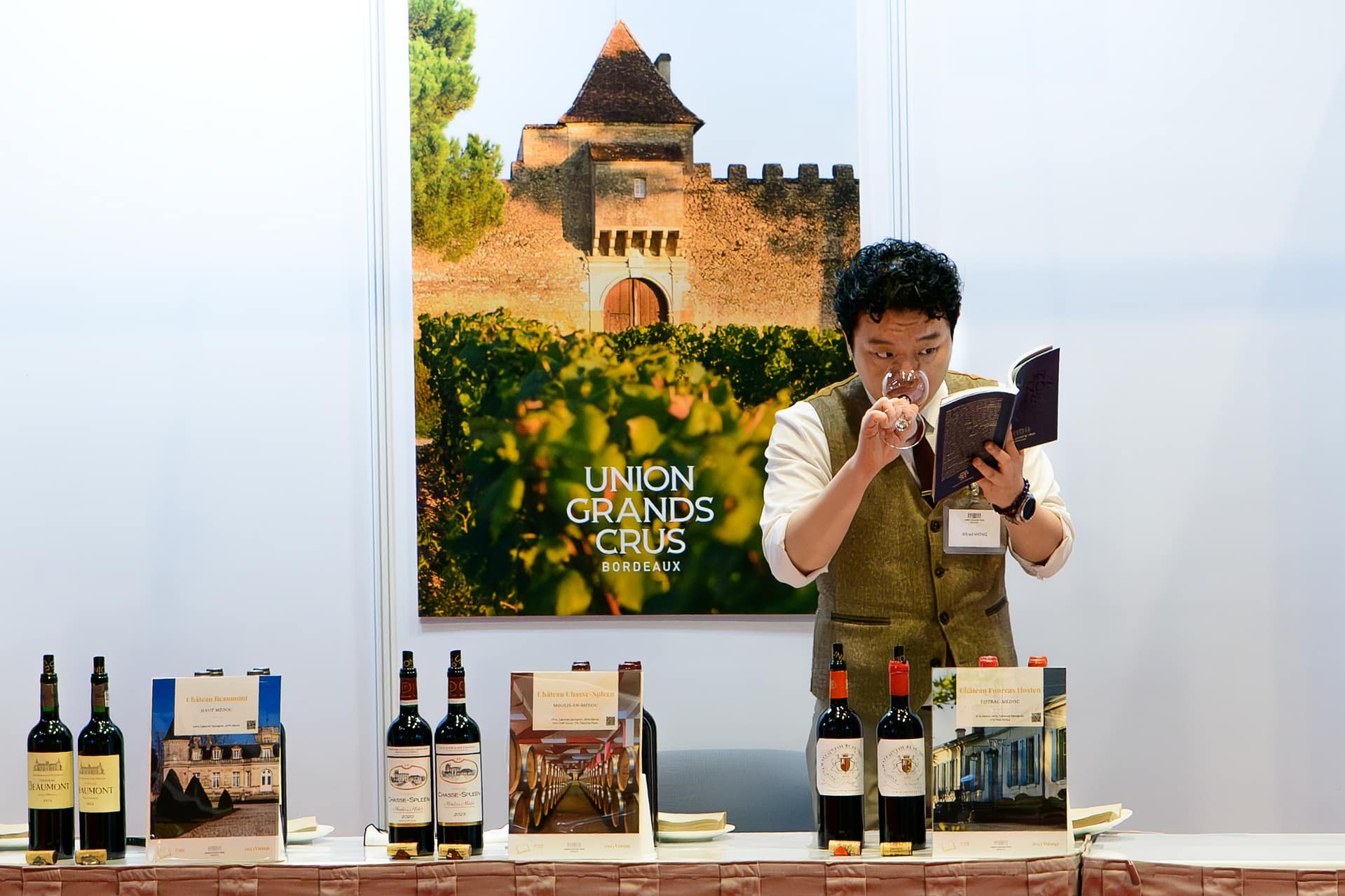
UGCB Grand Tasting
One of the big draws of the first day was the Union des Grands Crus de Bordeaux tasting that was quite a success, so crowded it was nearly impossible to move – a reminder that, whatever the headlines about softening Chinese demand, Bordeaux still commands serious attention in this market, especially when it comes to the premium sector of Grands crus.
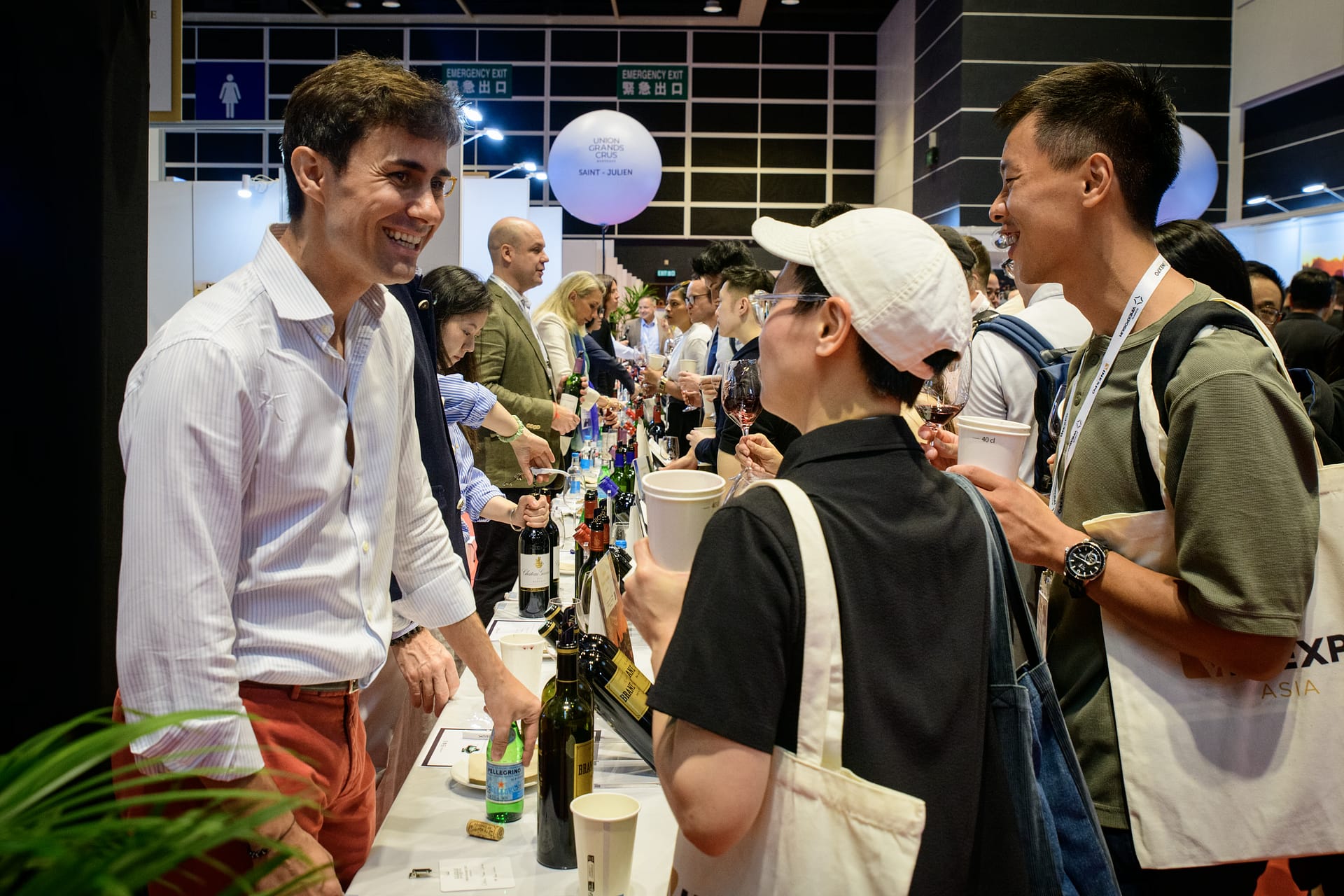
Here’s some of the producers that have caught my attention.
Massimo Lentsch
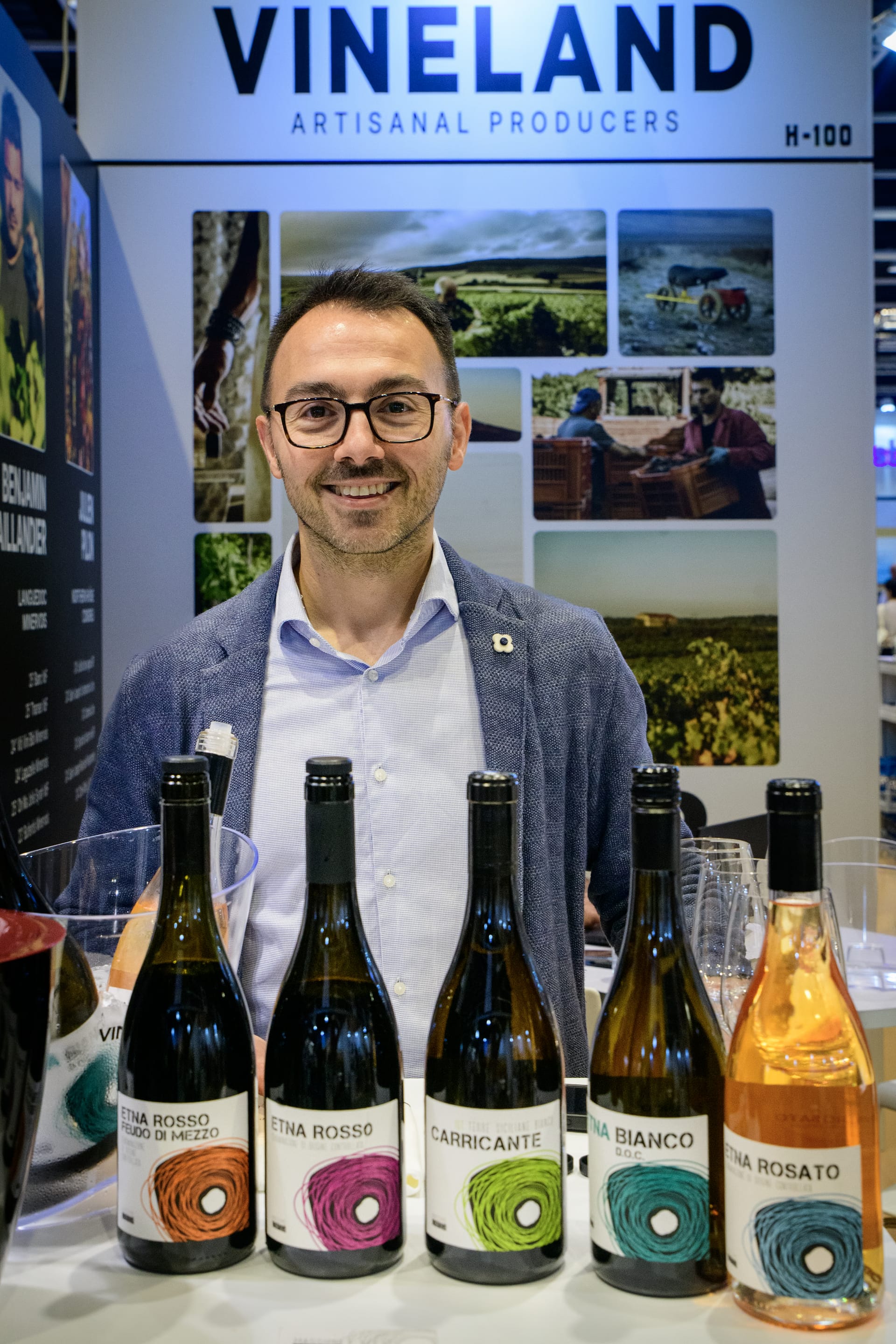
I stopped by David Mazzuferi, sales and export manager, to learn more about Massimo Lentsch, a small producer with vineyards across several contrade on Etna’s northern slope, between Castiglione di Sicilia and Randazzo.
Etna has attracted serious attention over the past decade from buyers looking beyond Tuscany and Piedmont, and Massimo Lentsch makes a strong case for the volcanic north.
The estate works exclusively with Nerello Mascalese and Carricante, both trained as alberello – the low, free-standing bush vines traditional to Etna and increasingly rare among producers who have shifted to trellises.
Their Feudo di Mezzo vineyard, at around 750 metres, holds pre-phylloxera ungrafted vines among the oldest on the mountain, alongside newer plantings in the contrade of Calderara Sottana, Pianodario, and Montelaguardia.
In the cellar, they work organically and with minimal intervention – spontaneous fermentation with native yeasts for part of the production, ageing in tailor-made concrete vessels, cold static decantation in place of filtration. From the wines I tasted, I was most impressed with their Carricante and Etna Rosso Feudo di Mezzo: precise, mineral, and with a strong sense of place. Worth tracking down if you work with Italian fine wine. Massimo Lentsch is represented in Asia by Vineland wine agency, and I regret not having spent more time at their pavilion as they seem to have put together a dream-team roster for distribution in Asia.
Clark Estate Wine
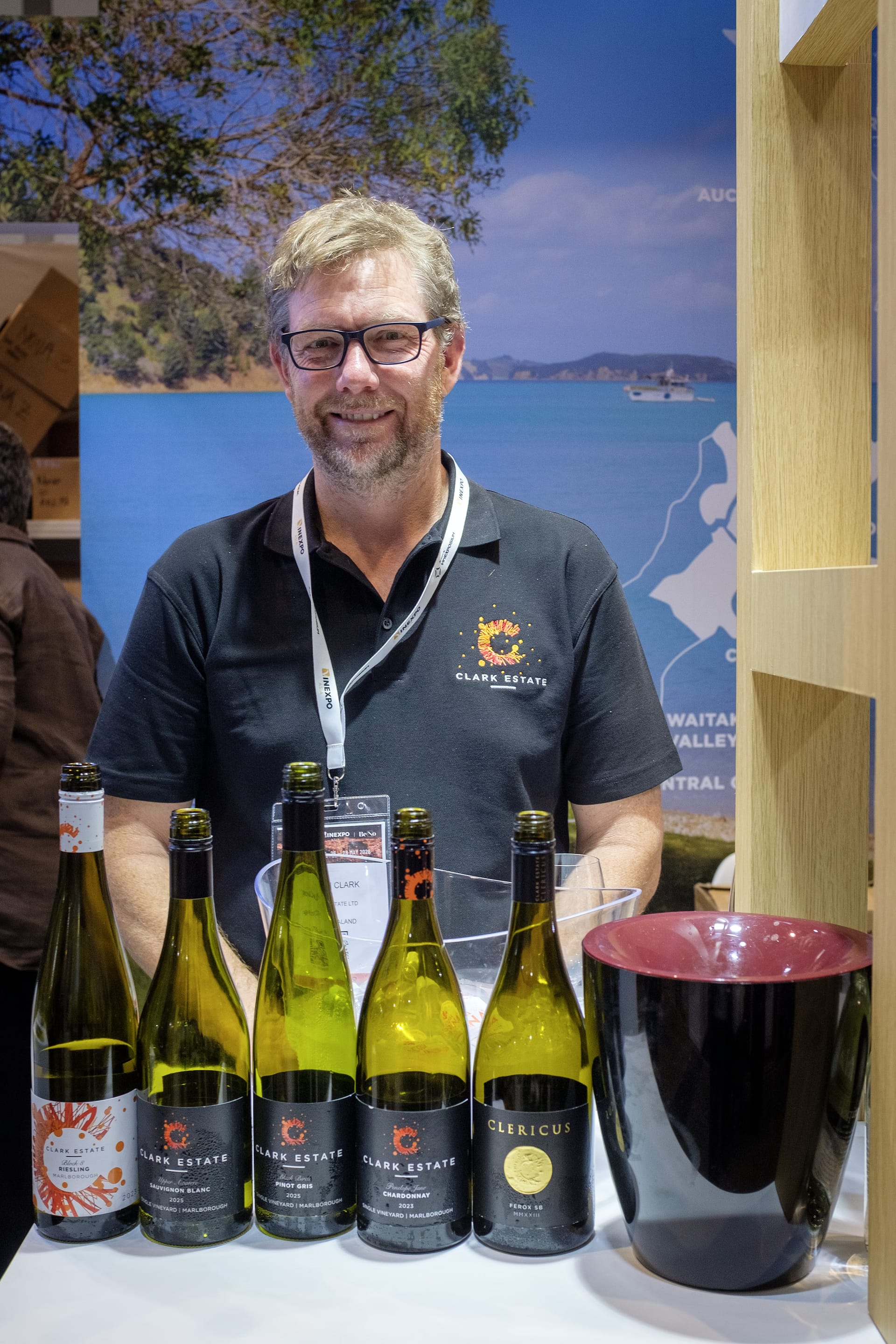
The rather reserved Simon Clark, family winemaker at Clark Estate Wine in Marlborough, New Zealand, told me he was more comfortable working in his vineyard than at his booth doing a salesman job. This true family estate – founded by his parents Peter and Jane Clark, who planted their first vines in the Awatere Valley – does beautiful wines and elegant Sauvignon Blanc and Pinot Noir. Their wild-yeast Ferox SB had superb concentration, rich stone fruit, tropical fruit aromas, and a well-balanced use of oak. We’re talking top notch sauvignon here. They’re about to be distributed to Thailand and are looking for distribution across Asia.
Zoetendal, Black Oystercatcher & The Barrio
Just opposite Clark’s booth, I got into a chat with Denzel Swarts, sales and brand executive at Zoetendal Vineyards and River Estate, near Elim on the Cape Agulhas coast – the most southern point of the African continent. The name of the estate is a reference to a Dutch vessel that ran aground in the area back in 1673. The estate sits on the banks of the Nuwejaars River, on koffieklip soils – an iron-rich laterite that gives wines from the area extra grip and minerality – with a clear maritime influence from the nearby Indian Ocean. And because wine is always the best way to learn about culture and history, I learned a few things with Denzel.
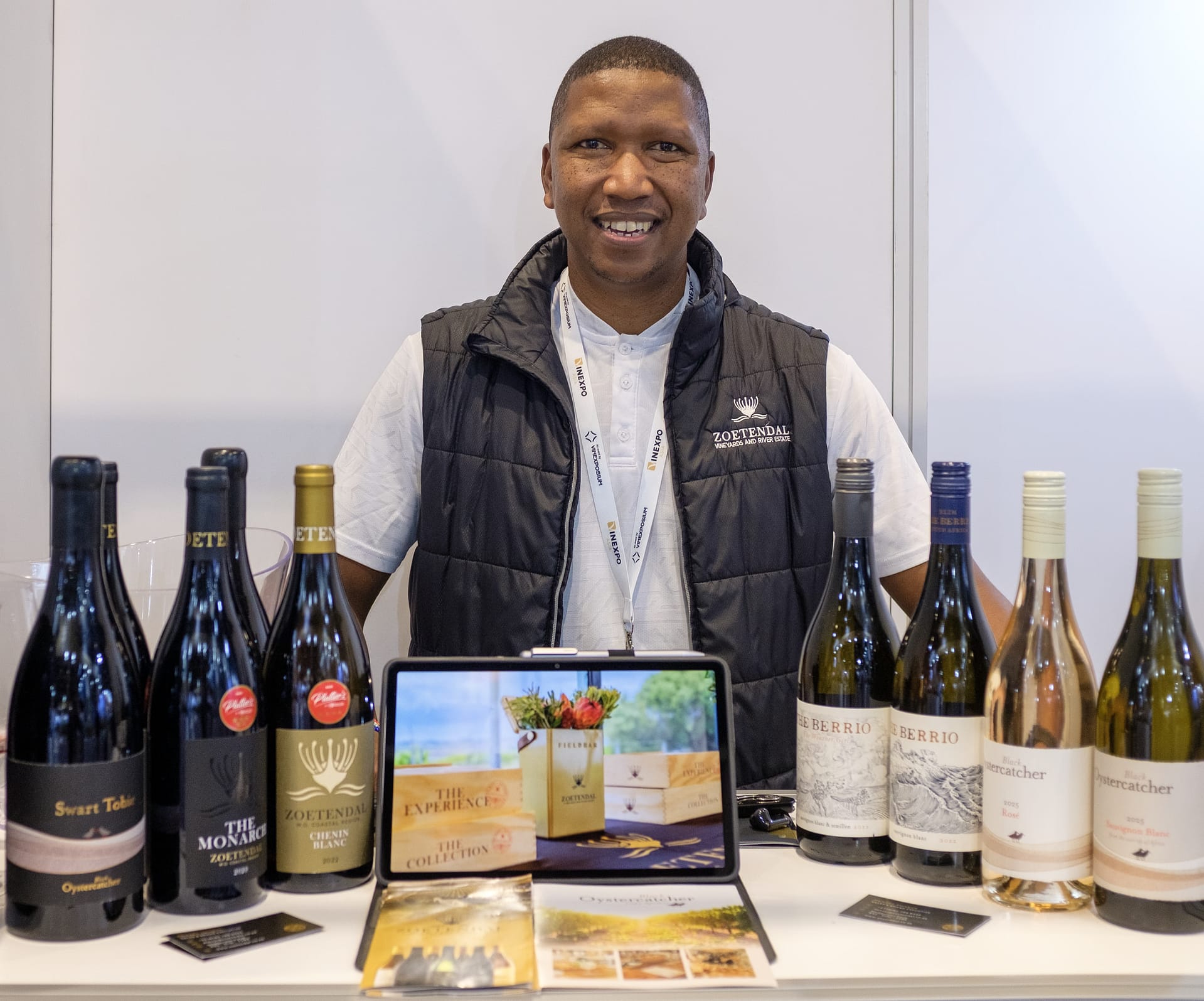
“Not to get too political,” he says, “but only around 3% of wineries are currently Black-owned,” and Zoetendal is – in majority – with one of the current owners a member of the Venda Royal family. At the same booth, Denzel also presented Black Oystercatcher, Dirk Human’s family estate on Moddervlei farm near Elim, where he planted his first vines in 1998. Zoetendal and acclaimed winemaker Bruce Jack recently acquired majority shares in the estate, bringing Black Oystercatcher, Zoetendal, and The Berrio under the same distribution umbrella, with Broad-Based Black Economic Empowerment certification across the group – a South African government policy framework designed to redress economic inequality by increasing Black ownership, management, and participation in the economy. For both estates, the same coastal winds and ancient soils come through clearly. I particularly enjoyed Zoetendal’s Chenin Blanc and their superb Monarch red blend, The Berrio Sauvignon Blanc & Semillon and Black Oystercatcher’s Swart Tobie, a rich Syrah with a hint of anise seed.
Champagne Brimoncourt
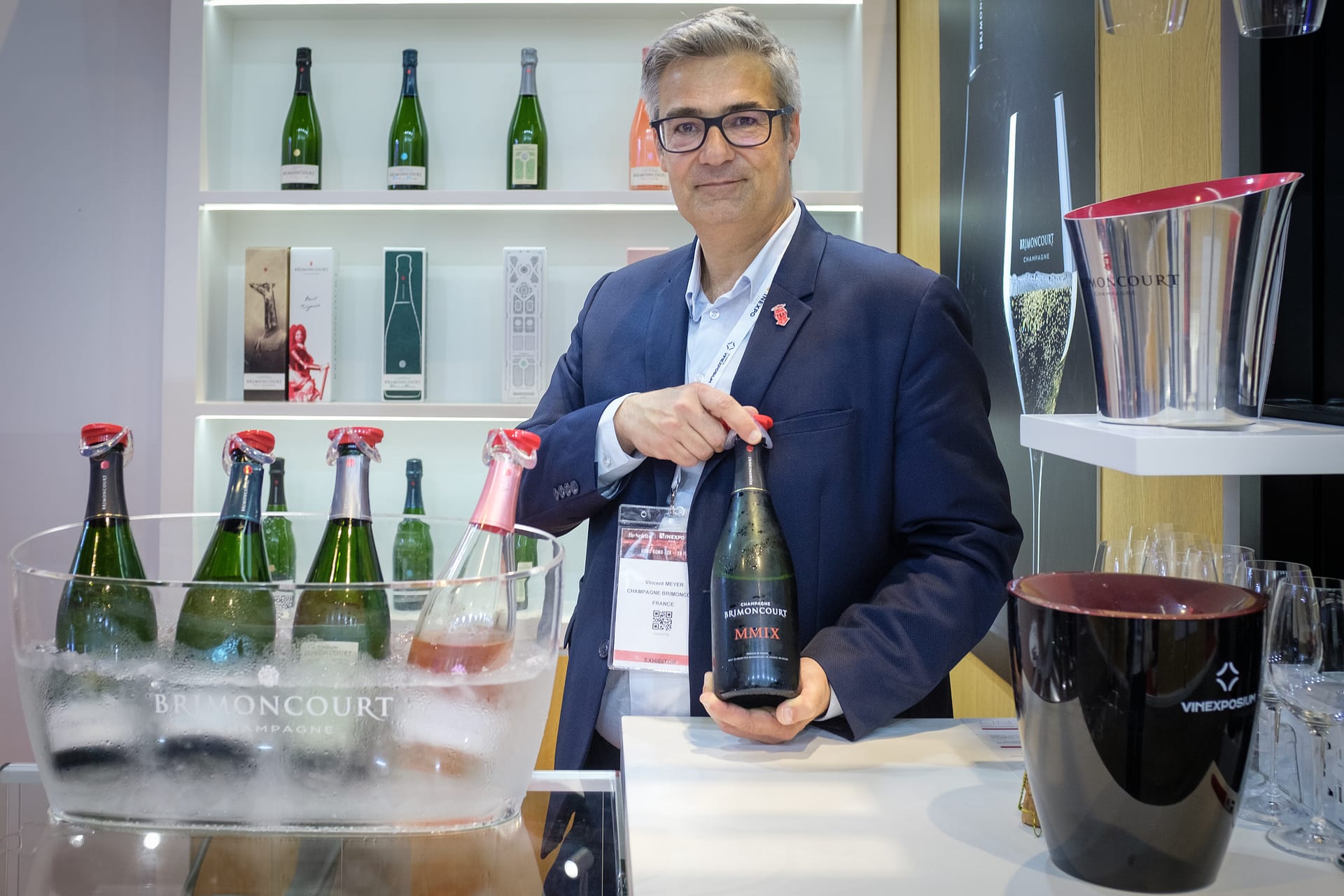
At the end of a long day, I found refuge in the beautiful bubbles of Champagne Brimoncourt. Vincent Meyer, International Director, was about to orchestrate a full line-up tasting and I joined in just in time to discover their excellent Champagne wines, which are both refined and generous. It is always a joy to enjoy independent Champagne houses and Brimoncourt is one I hope I’ll cross paths with more often. We even had the chance to try their CUVÉE MILLÉSIME 2009 which was just phenomenal: silky, mineral, and oh so rich.
Mewstone Wines
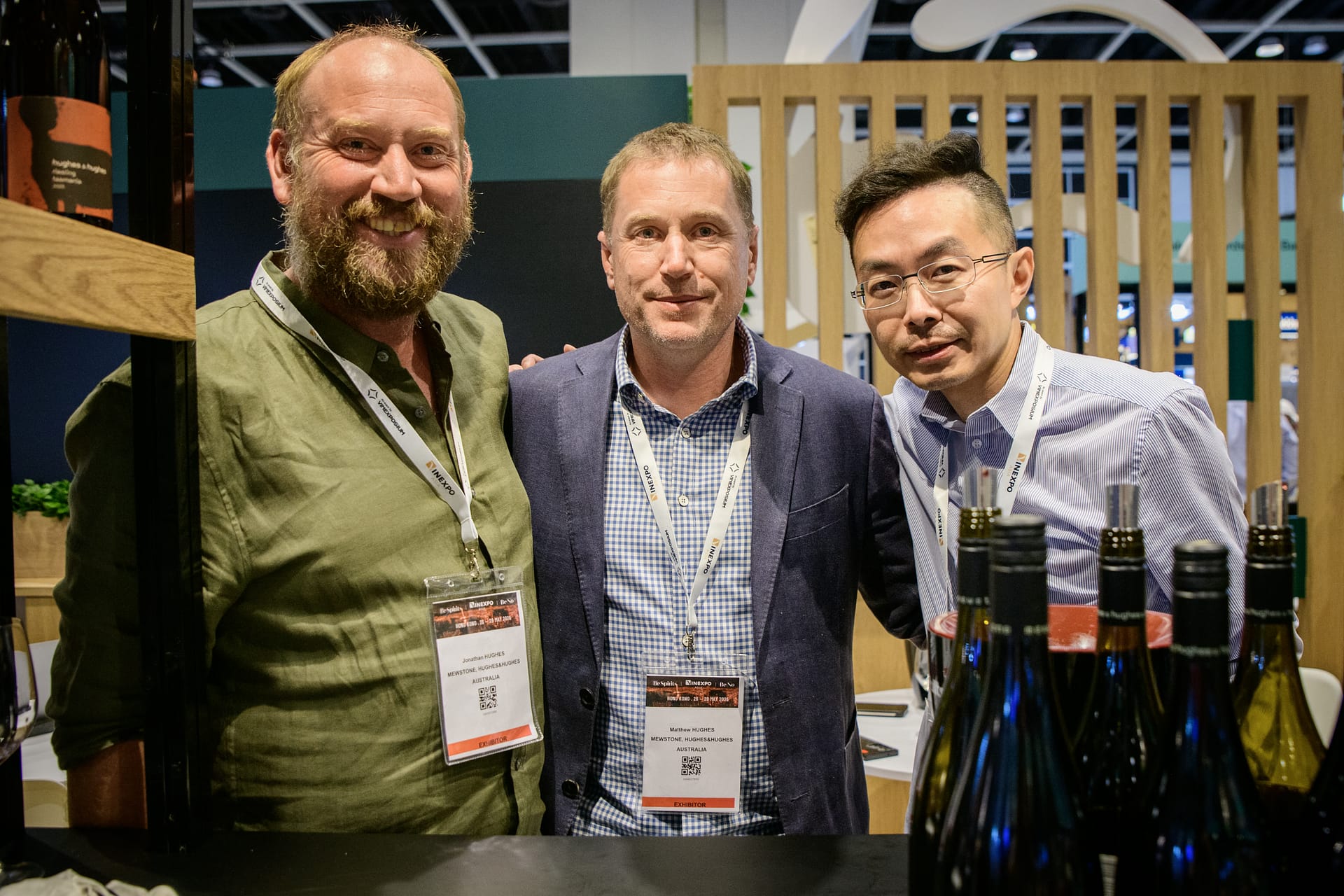
Jonny and Matt Hughes, the brothers behind Mewstone Wines, were at the Wine Australia pavilion with single-varietal bottlings from their Tasmanian estate and some of the most striking label designs I saw.
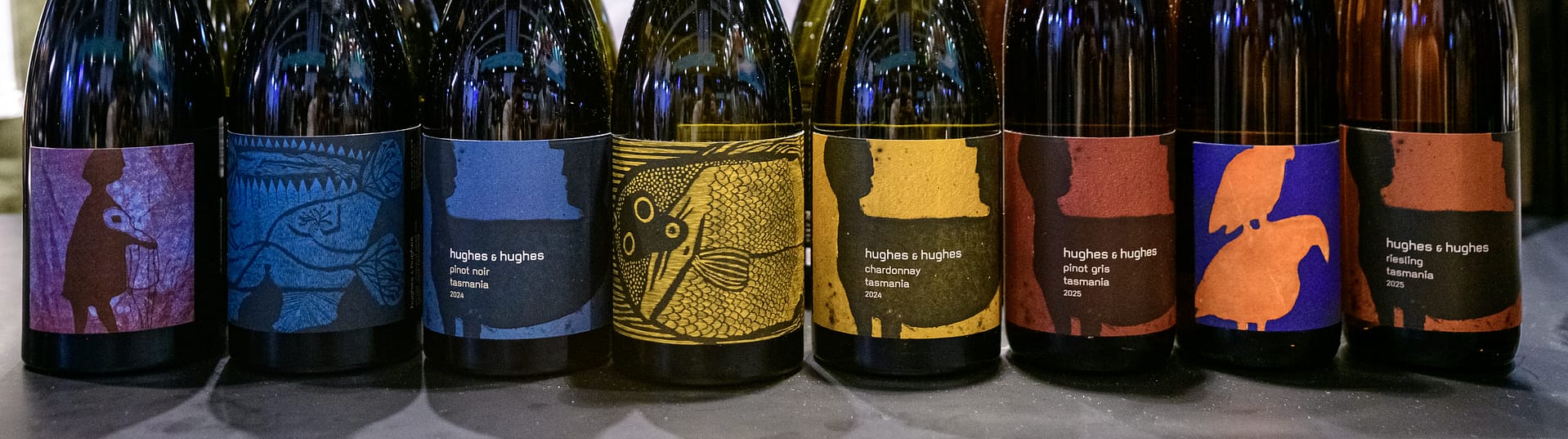
Tasmania has been earning serious attention among fine-wine buyers over the past few years, and Mewstone did not disappoint. The cool climate of Tasmania really does wonders for their Pinots and Chardonnays. The two brothers work across two labels: Mewstone, estate-only and minimal intervention, no fining or filtration where possible; and hughes & hughes, a multi-regional range drawing on grower relationships across Tasmania, with single-site Pinot Noir, Chardonnay, and Syrah sitting alongside broader regional blends. The two together give importers a layered proposition, and fine-wine lovers should be paying attention to these superb offerings.
Azul Y Garanza
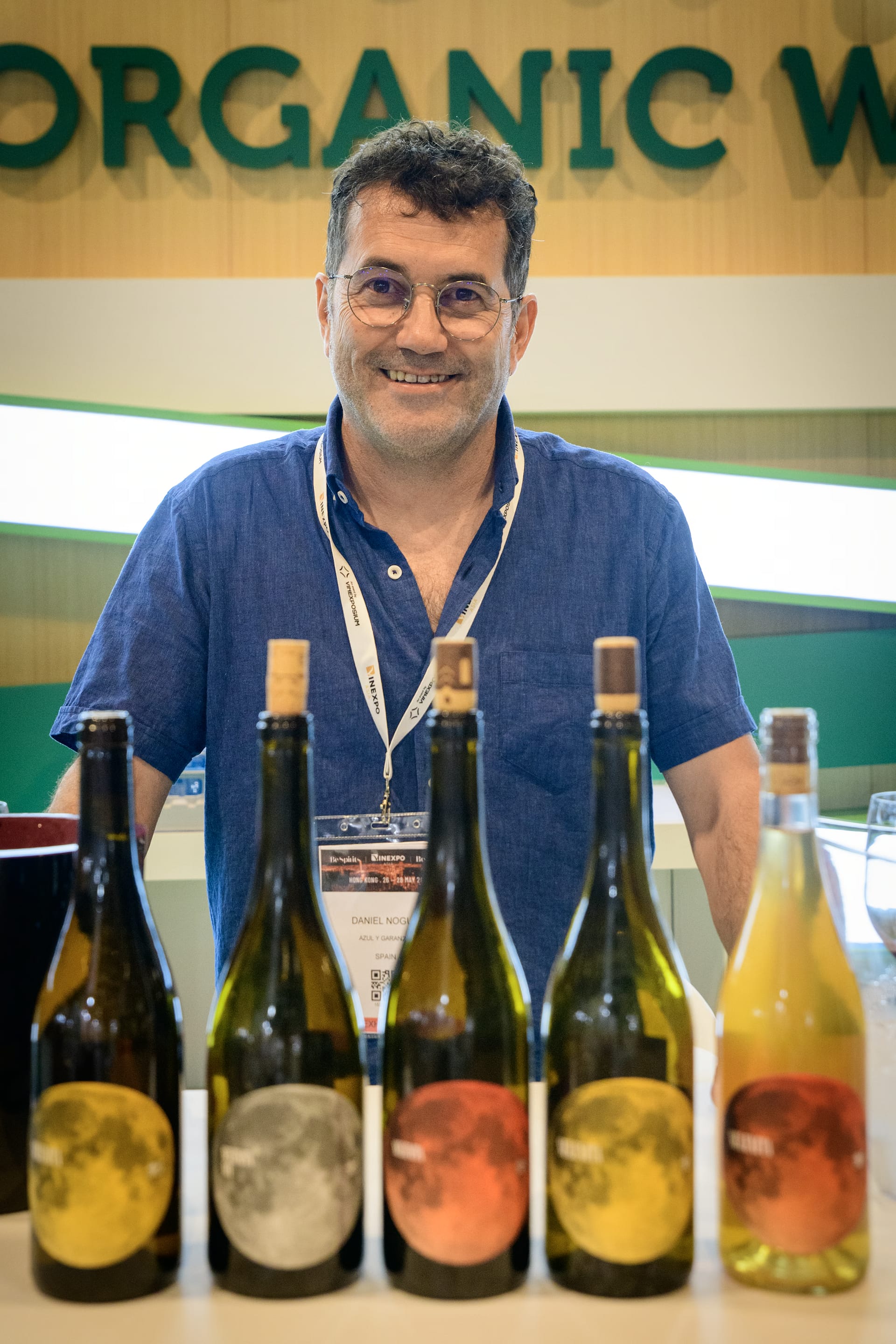
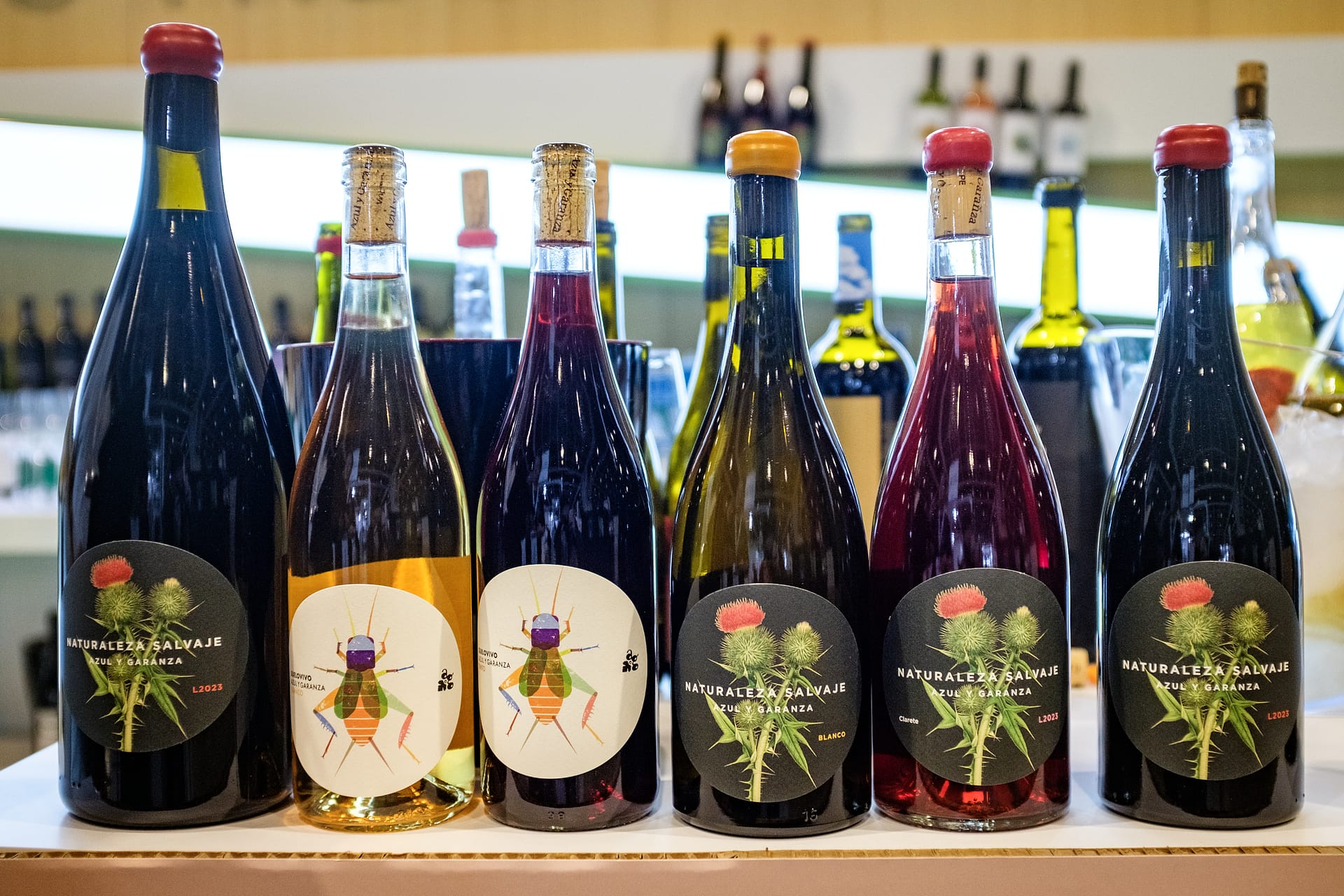
On day 2, I stopped by a man beaming with a smile even though he stood behind only 4 bottles. Without departing from his smile, Dani Nogué explained that his wine shipment had not arrived and that he was expecting them any minute. Luckily, he did receive them on the last day, and I got the chance to try them. At the doors of the desert, in Navarra, Dani Nogué and his collaborators Fernando and María Belzunegui create some wonderfully lively wines under the brand Azul y Garanza. Embracing regenerative viticulture, they have created several lines of wines which all have something to say.
Their Living Soil White was just the perfect hit of fun and happy mood, easy to drink and wonderfully playful. They also have a range of classic reds, ‘serious’ enough to convince lovers of the big reds about the undeniable quality of their winemaking. Their “Seis de Azul y Garanza” was just a masterpiece I wish I could have at hand every time I have friends over.
Hambledon Wines
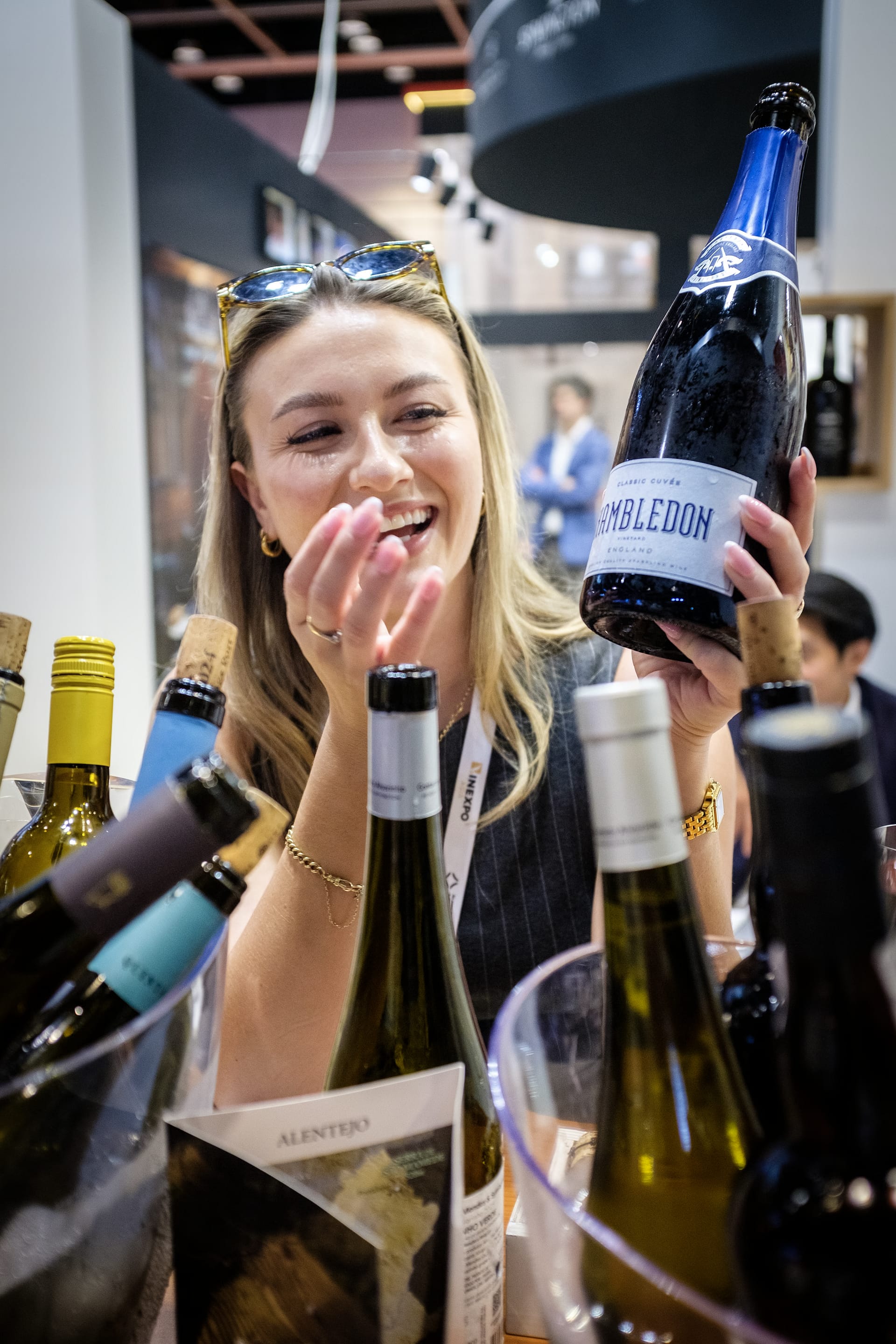
I was very much looking forward to trying Hambledon wines, the only British sparkling wine at the show and I must say these were everything I hoped them to be. Emilie Slater, who recently joined the company as their Brand Ambassador for the Asia-Pacific region, brought unmatched charm and knowledge to the presentation. These wines offer fine bubbles, real complexity, and the perfect combination of luxury and playfulness that puts the conversation with Champagne on more equal terms than many would like to admit. It will take some time before Asian markets understand the proposition, but we’d recommend getting a headstart!
I was very much looking forward to trying Hambledon wines, the only British sparkling wine at the show and I must say these were everything I hoped them to be. Emilie Slater, who recently joined the company as their Brand Ambassador for the Asia-Pacific region, brought unmatched charm and knowledge to the presentation. These wines offer fine bubbles, real complexity, and the perfect combination of luxury and playfulness that puts the conversation with Champagne on more equal terms than many would like to admit. It will take some time before Asian markets understand the proposition, but we’d recommend getting a headstart!
This is Part 1 of a three-part dispatch from Vinexpo Asia 2026 in Hong Kong. Part 2 covers the UNSIGNED pavilion of natural and low-intervention producers, plus a first taste of Tunisian wines. Part 3 looks at the off-site tastings, spirits and sake beyond wine, and what’s next for the show.