
奥雷利安·福柯的文字与摄影
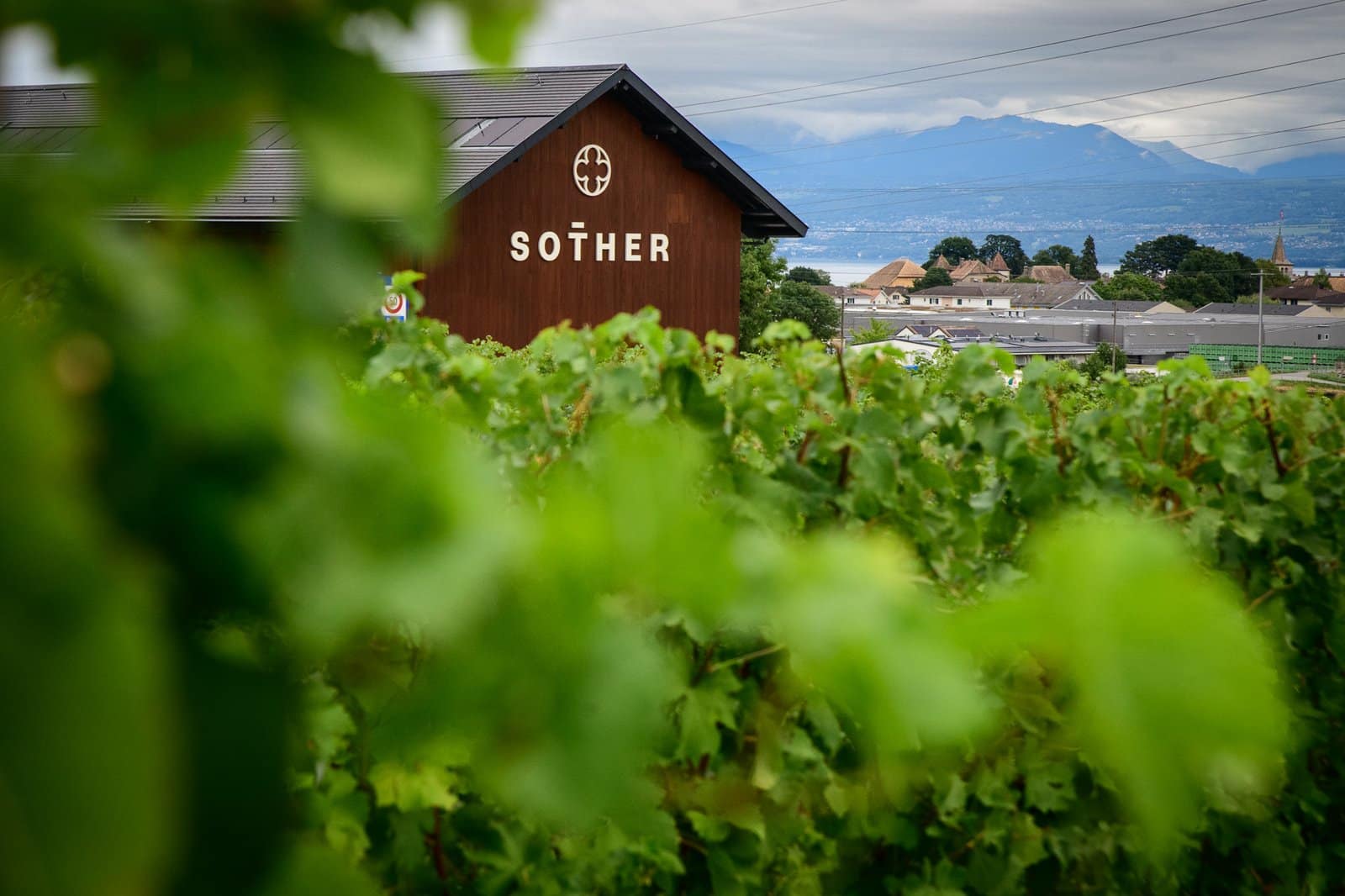
我是在蒙蒙细雨中抵达日内瓦的。经过两周的完美天气后,我不禁想知道这是否是一个坏兆头。我当然希望有更好的天气来拍摄葡萄园。
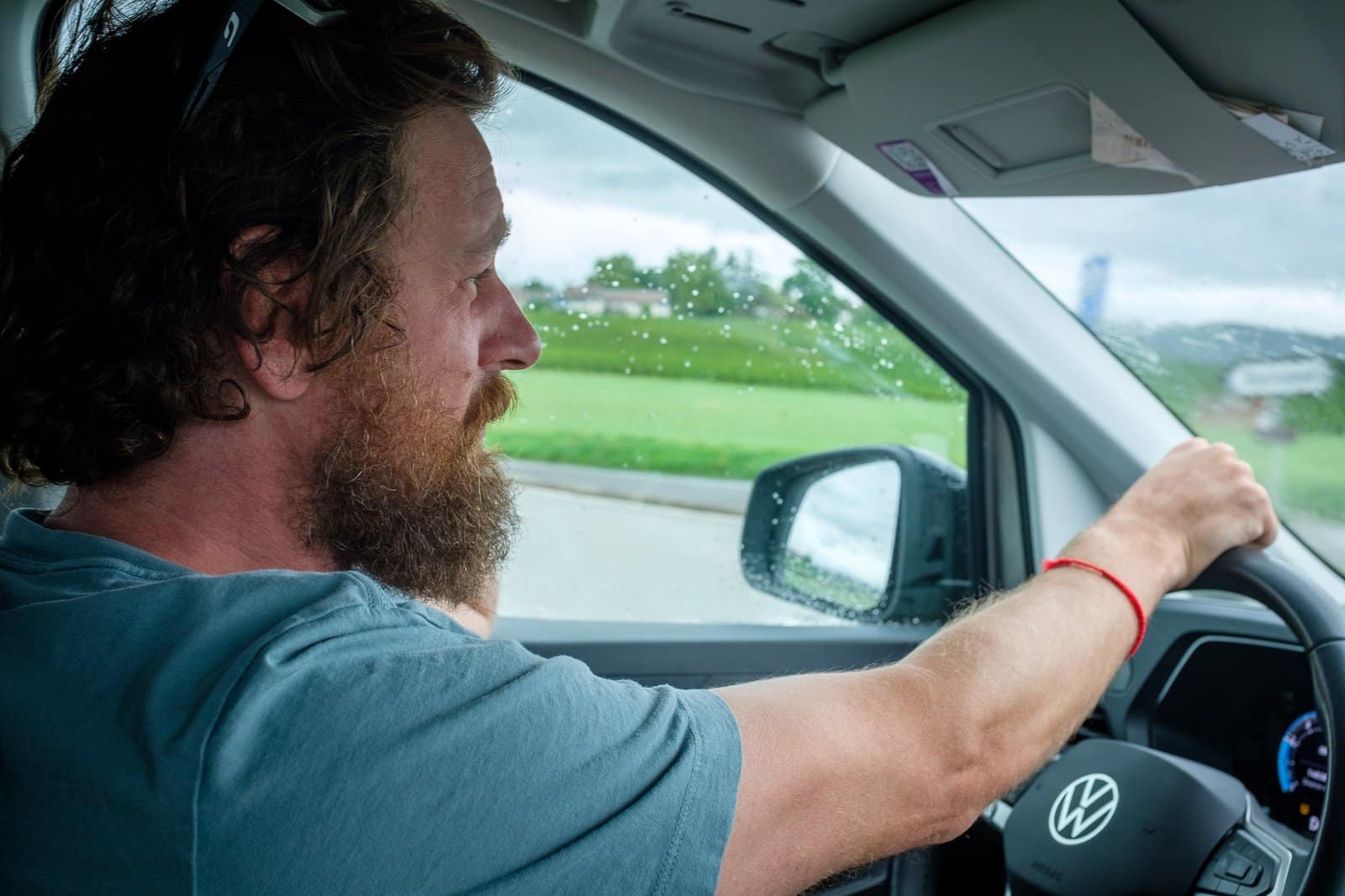
阴郁很快就被一个电话一扫而空:“你到车站了吗?请往南口走,我一会儿去接你。”几分钟后,我发现自己坐在一辆面包车里,里面堆满了儿童溜冰鞋和随意的东西,我们正在前往莱芒湖北侧的沃州。
马克西姆·索瑟 (Maxime 索瑟) 将墨镜戴在头上——也许是预示着天气会更好? – 具有瑞士人所熟知的从容不迫的氛围。虽然他不是瑞士人——来自阿尔萨斯——但十年后,他已经领会了他们的一点冷漠,甚至还有一点时不时冒出来的口音。
他的父亲让-皮埃尔·索瑟 (Jean-Pierre 索瑟) 在瑞士退休,在电信行业取得成功后,他决定追随自己对葡萄酒的热爱,在沃州购买了两处经营性庄园:位于佩罗伊 (Perroy) 的 Château de Malessert 庄园,全部种植白葡萄;以及位于瓦莱雷斯苏朗斯 (Valeres-sous-Rances) 的 Domaine du Manoir,主要种植红葡萄。起初,马克西姆和他的兄弟姐妹以为他们的父亲疯了。从那时起,他追随了自己的脚步:在担任声学工程师之后,他在 Changins 接受了酿酒培训,现在担任该公司的总经理。尽管如此,他仍然偶尔想知道这到底是不是疯狂。
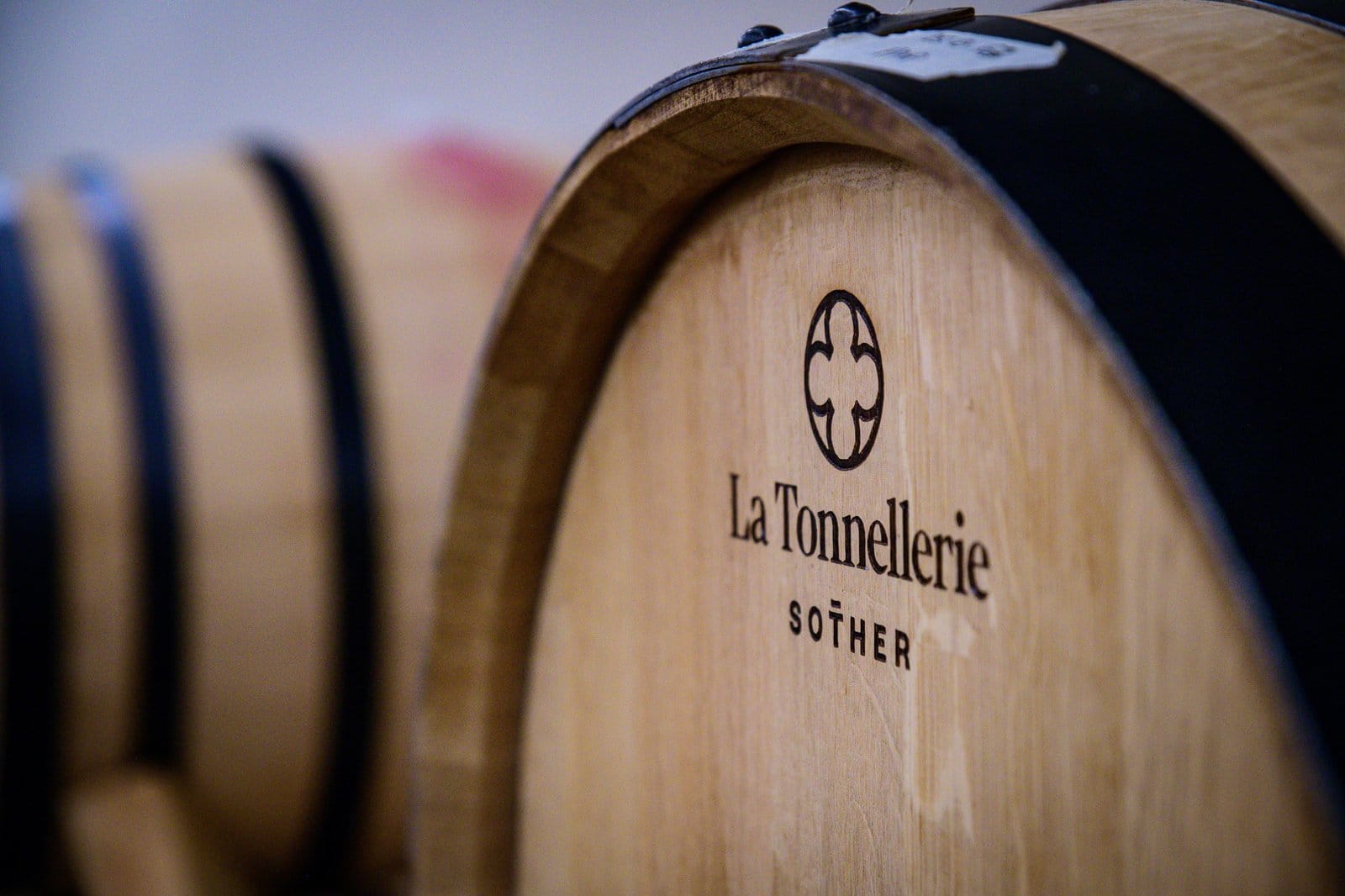
I met Maxime at 普罗威恩 Singapore earlier in the year, where he was presenting his wines, and I got hooked when he told me about the estates and the fact that they even own their own cooperage, making barrels out of Swiss oak.
几个月后,我坐在他的货车里,前往酒庄。穿过一个又一个美丽的村庄,我简直不敢相信我们经过了多少葡萄园。对于一个一年前我几乎不知道酿酒的国家来说,我大吃一惊。 “这里,”他说,“是莎斯拉的领地。在法国,它被认为是鲜食葡萄,但它是这里白葡萄酒生产的核心。”
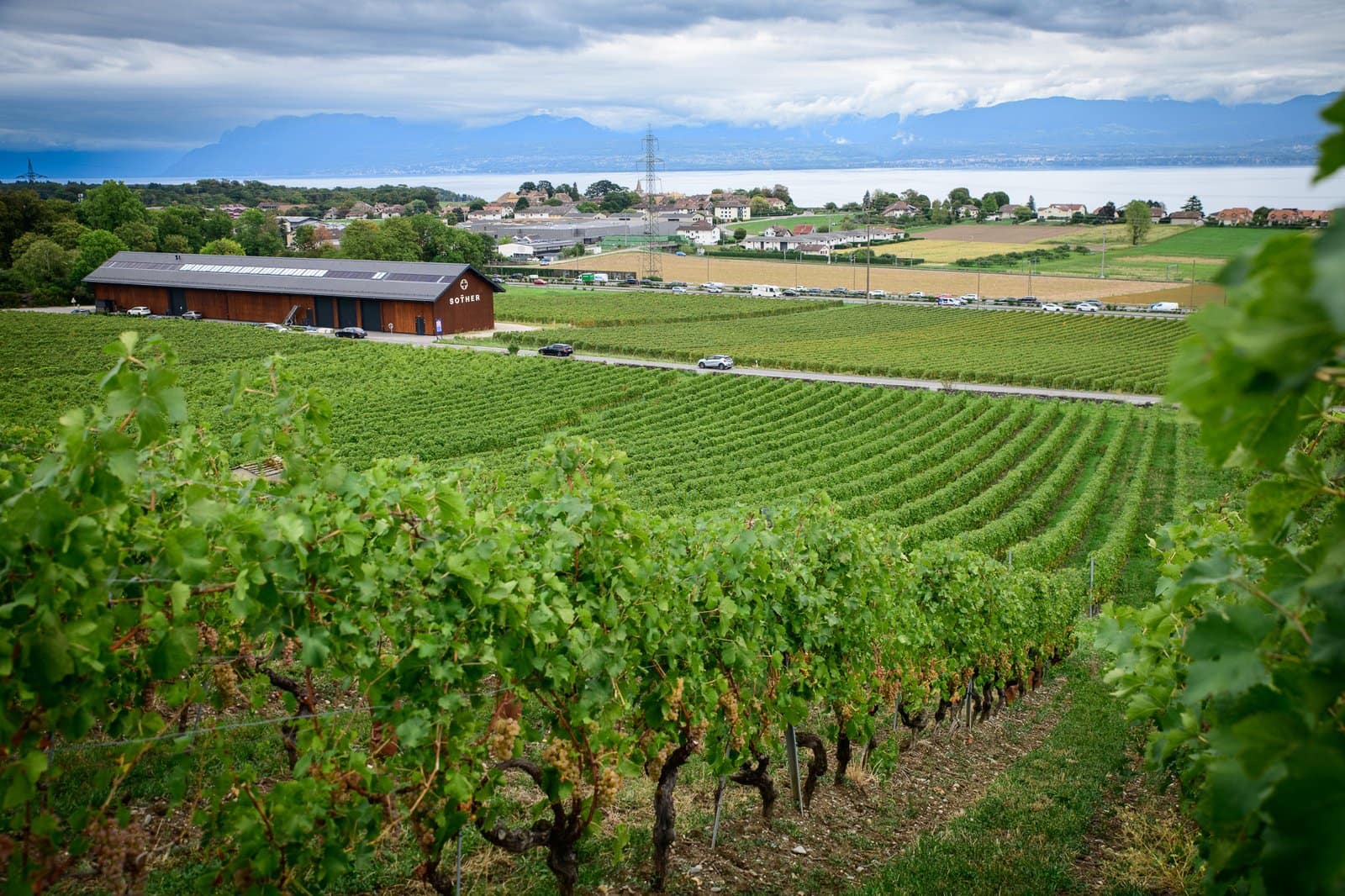
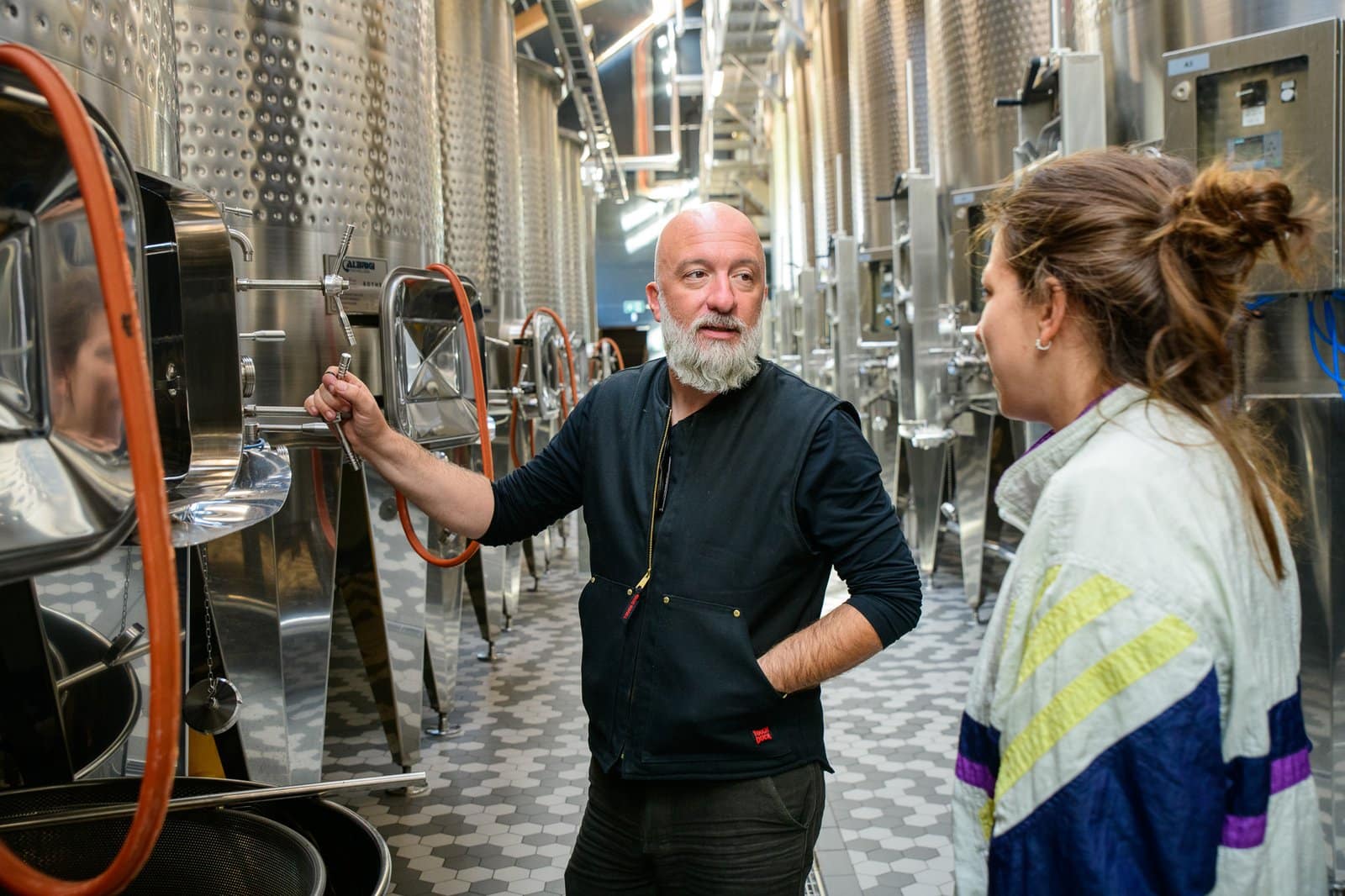
我们很快就到达了他们全新的酒庄,坐落在葡萄园的底部,距离马勒塞特城堡十米,位于莱芒湖上方,甚至可以看到雄伟的勃朗峰,正如我后来在晴朗的日子里发现的那样。
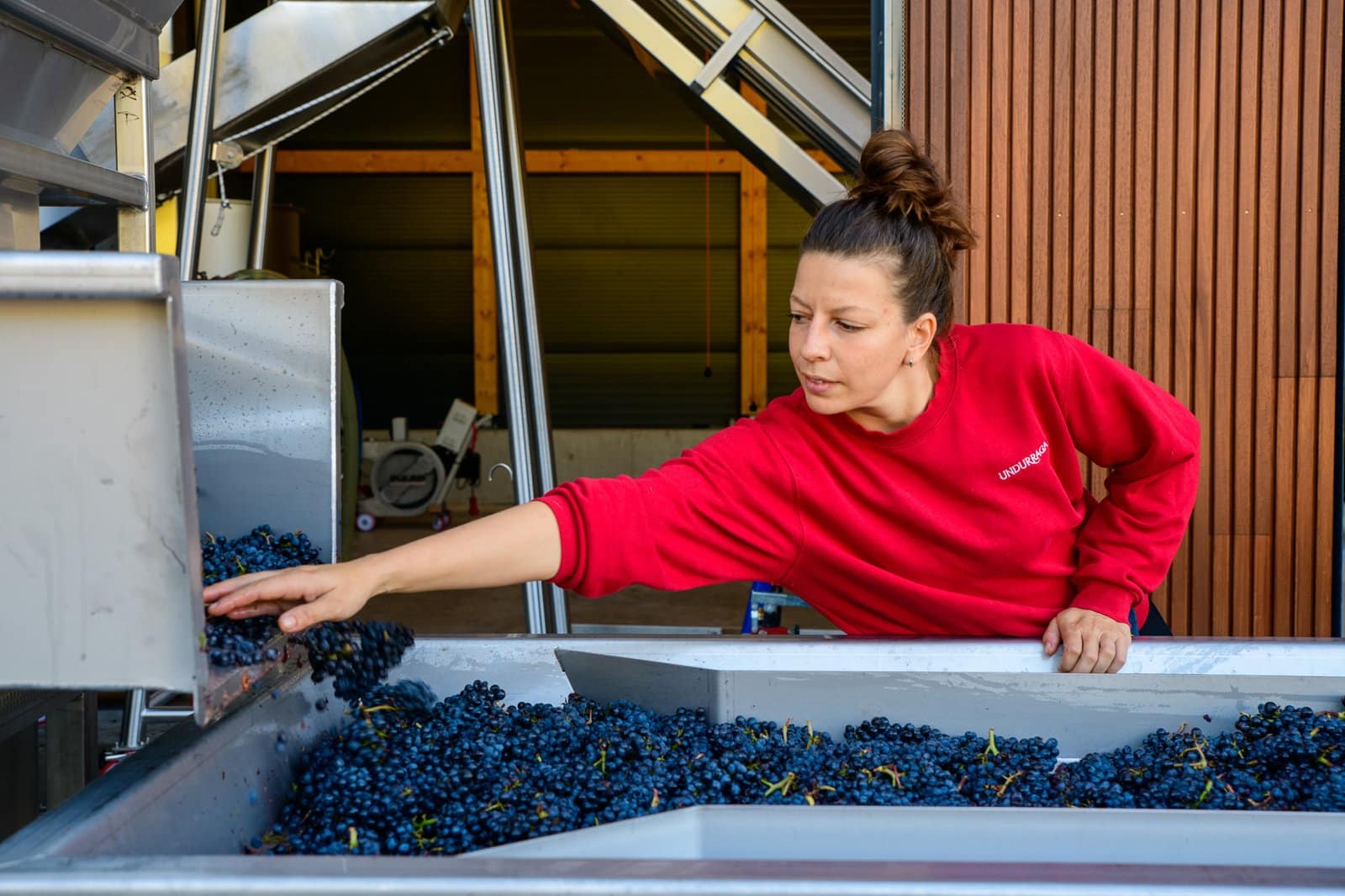
该酒庄于 2023 年竣工,现在酿造所有产品——来自马勒塞特的白葡萄酒和来自庄园的红葡萄酒。酒庄在购买时拥有自己的压榨机,但这些压榨机已经老化,而且对于目前的产量来说太小了,庄园的大部分葡萄都卖给了其他地方酿酒。现在他们终于在内部完成了这一切。
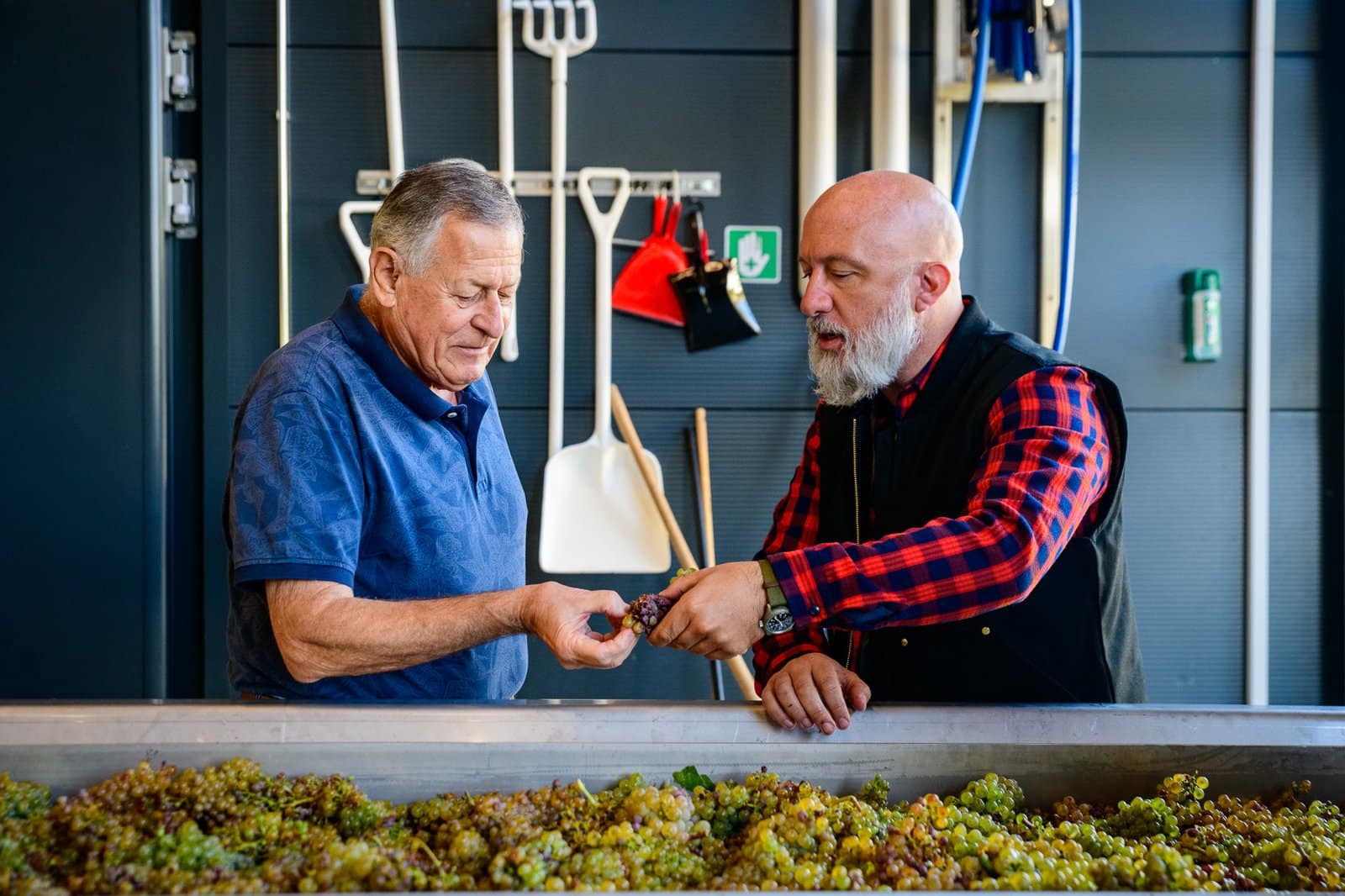
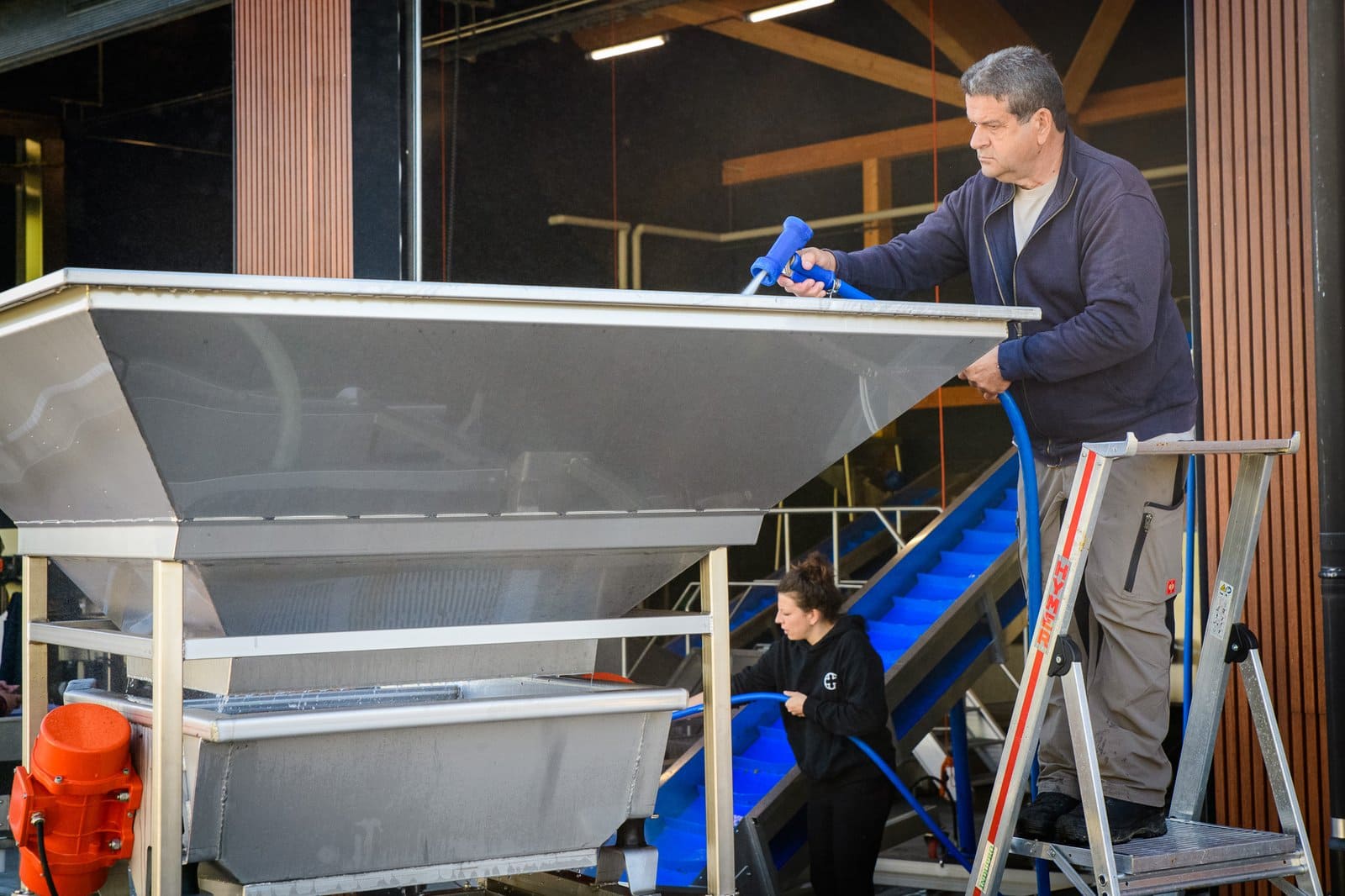
当我们在酿酒厂时,Maxime 接待了他们的技术供应商之一 Jean-Jacques 的来访,他来仔细检查他们的一些设备,以确保一切都为收获做好了准备。 “我们明天就出发!”马克西姆说。 “我们首先会做小块混种的白诗南和萨瓦宁,然后是庄园的红葡萄酒。莎斯拉还可以稍等一下——说到这里……让我们尝尝它们吧!”
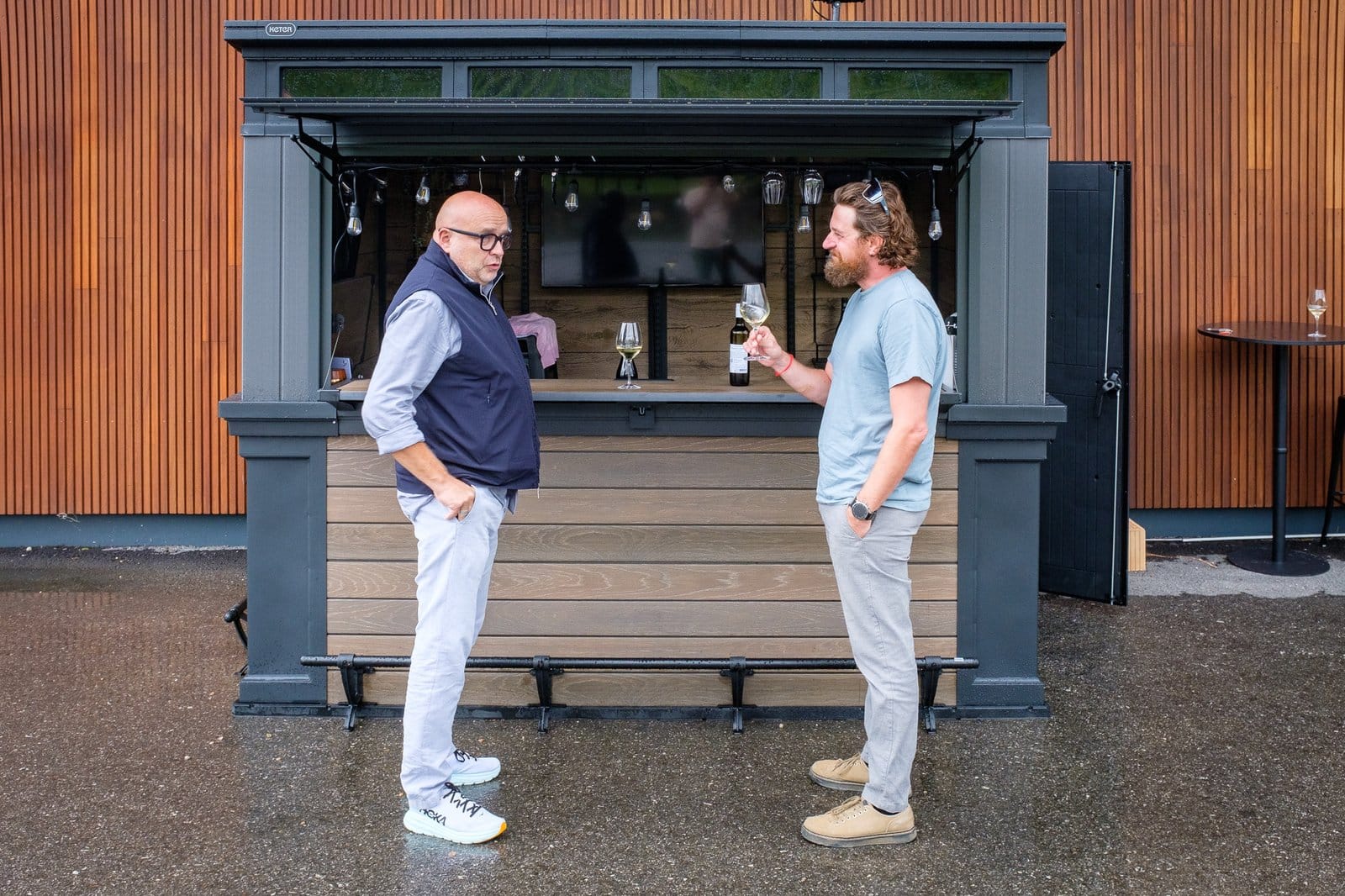
马克西姆站在酒庄旁新设立的小“酒棚”外面,以便路人可以尝试购买葡萄酒。马克西姆正在倒两杯夏斯拉葡萄酒。他解释说,第一种更适合当地的口味——更质朴一些——而第二种更有可能赢得国际饮酒者的青睐。我不确定我是否同意这种区别,因为我同样喜欢第一个。两者都有淡淡的油感和中等的酒体,而且都很可爱。
喝了几杯后,我能感觉到那种难以言喻的感觉,让 Chasselas 悄然上瘾。这是一个有个性的白色。
让·雅克 (Jean-Jacques) 来自意大利奥斯塔山谷,但已在瑞士生活多年,他说他一开始不喜欢莎斯拉,但现在离不开它。
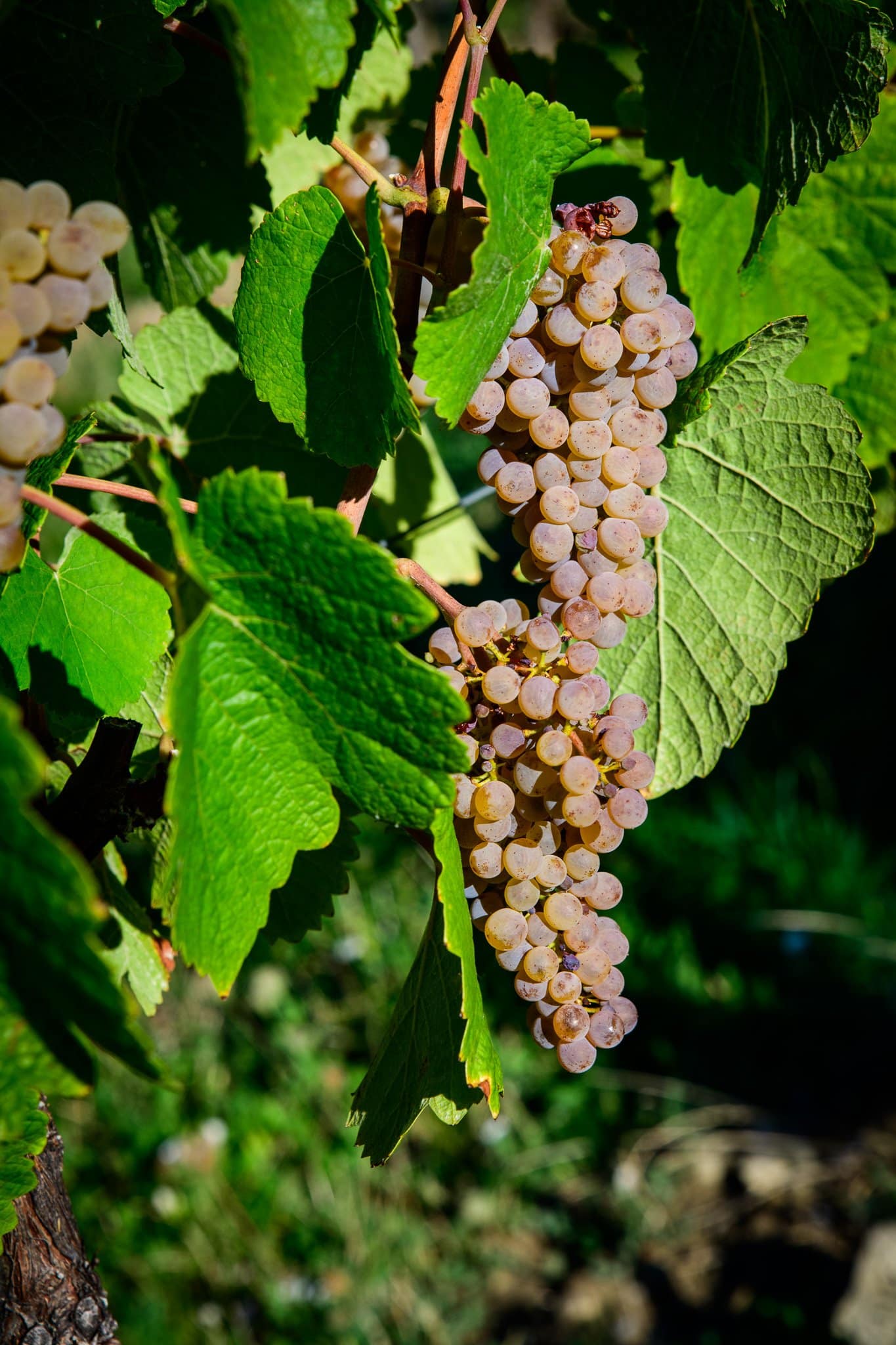
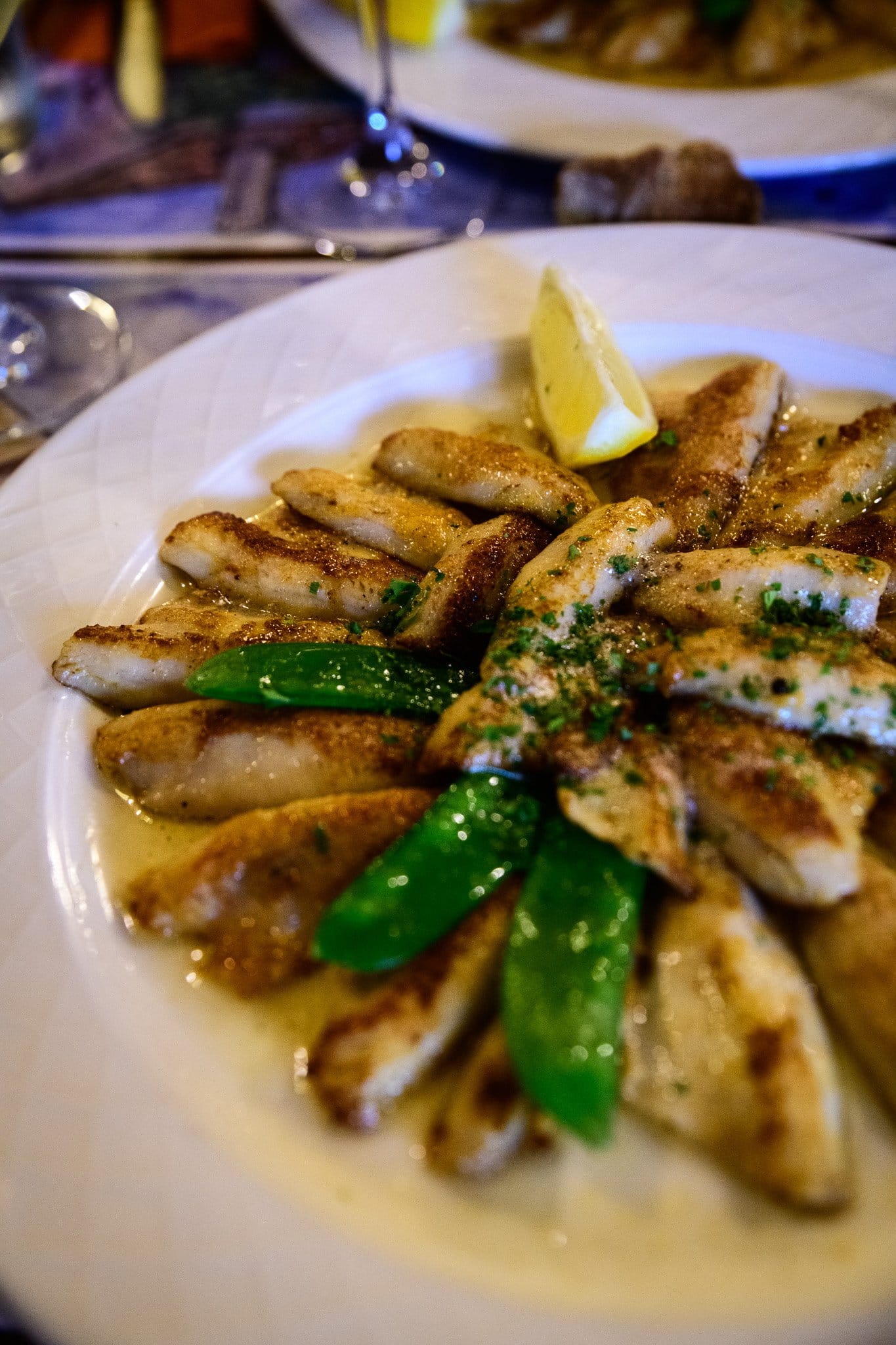
然后我们前往当地的一家小酒馆吃午餐,在那里我见到了 索瑟 团队的其他成员:技术总监 Pierre-Olivier Dion-Labrie(来自魁北克移民,在阿根廷和瑞士拥有多年经验)和酒窖大师 Amélie Diaz。有人告诉我我必须尝试湖里的鲈鱼片,所以我就这么做了,结果证明它与该地区竞争对手生产商的一瓶 Chasselas 完美搭配。 “我们在这里都认识。”他们异口同声地纠正我。 “他们不是竞争对手,而是同事!”
第二天早上,我一觉醒来,天空蔚蓝,如释重负,但还没来得及喝杯咖啡,马克西姆就在办公室里爆发了:“哎呀,今天的收割队效率超级高,速度比预想的还要快。如果你想抓的话,我们现在就走吧!”
采收团队外包给当地的科索沃夫妇 索瑟,他们已经合作多年,并帮助他们创建了自己的企业,工作速度确实很快。他们对着镜头羞涩地微笑,很快就把白诗南和萨瓦宁葡萄从藤蔓转移到篮子里。
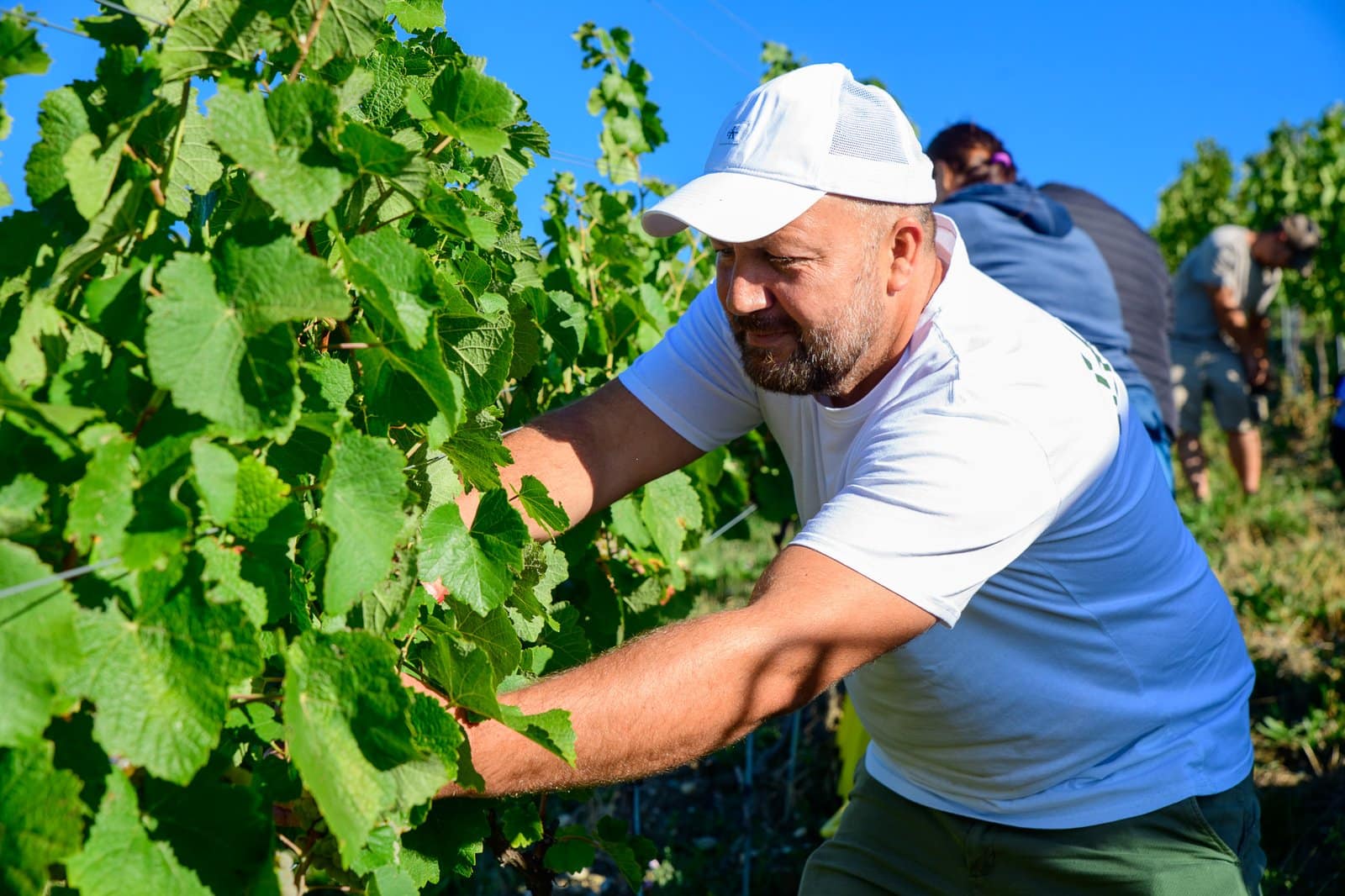
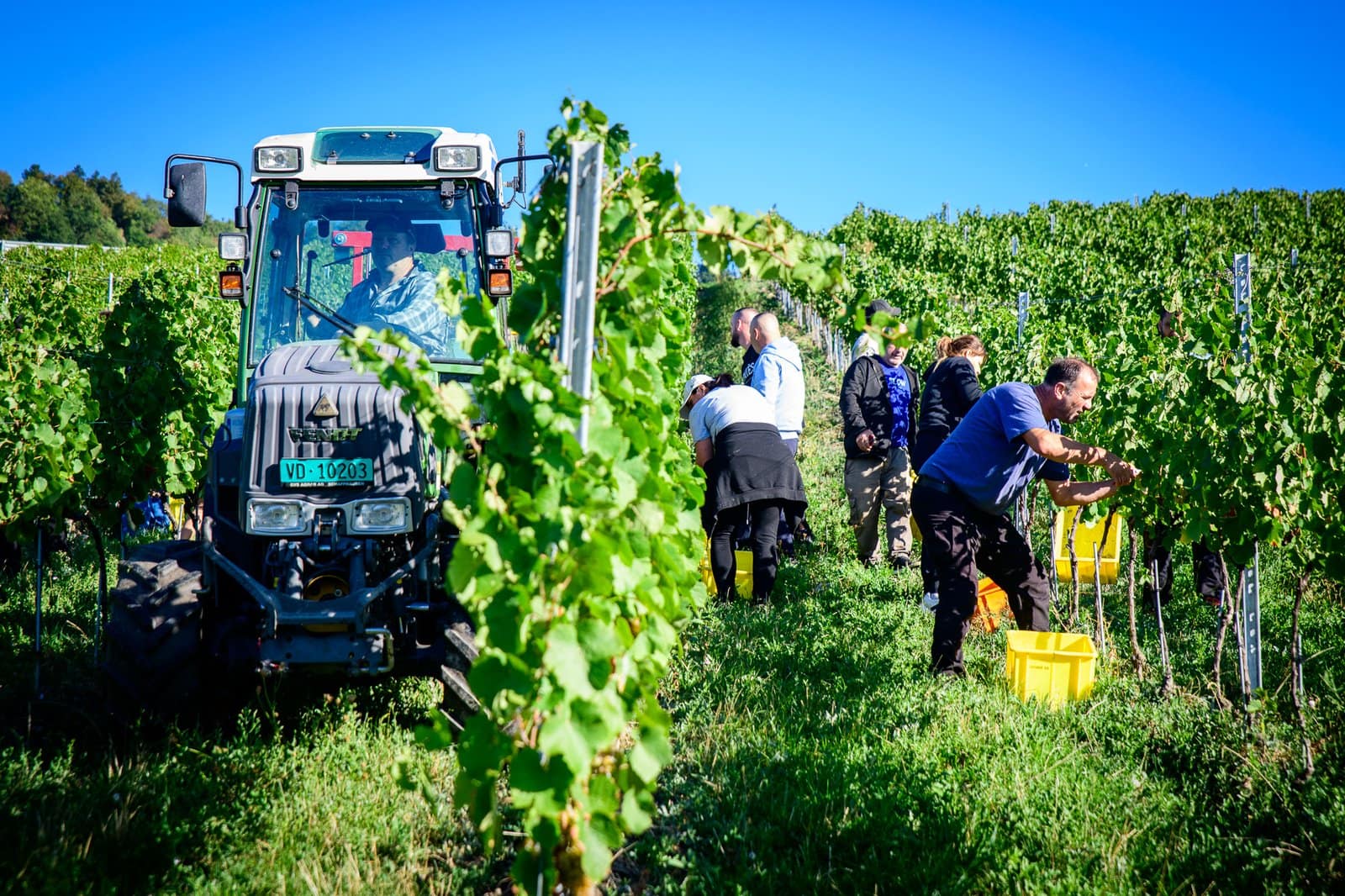
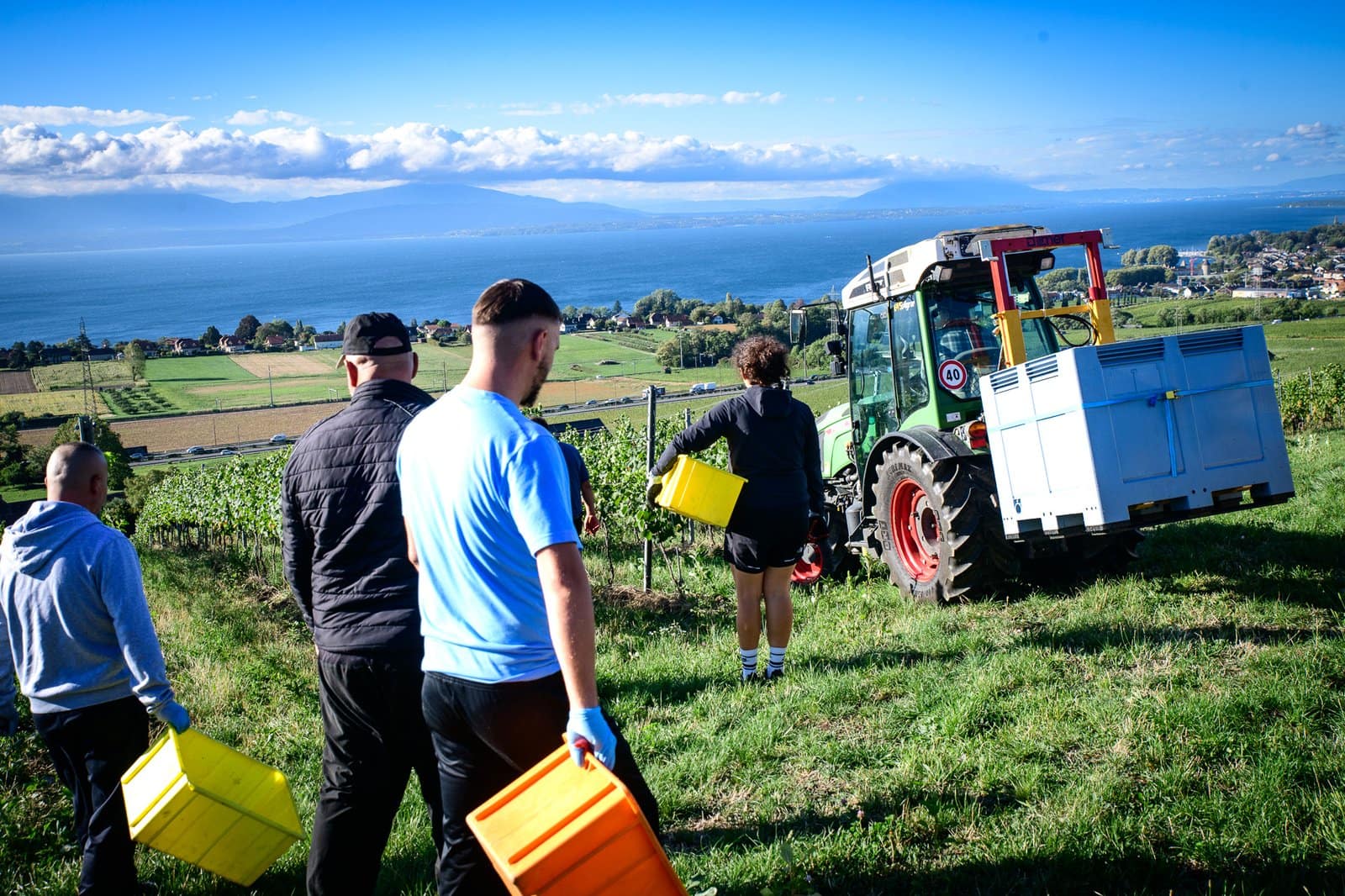
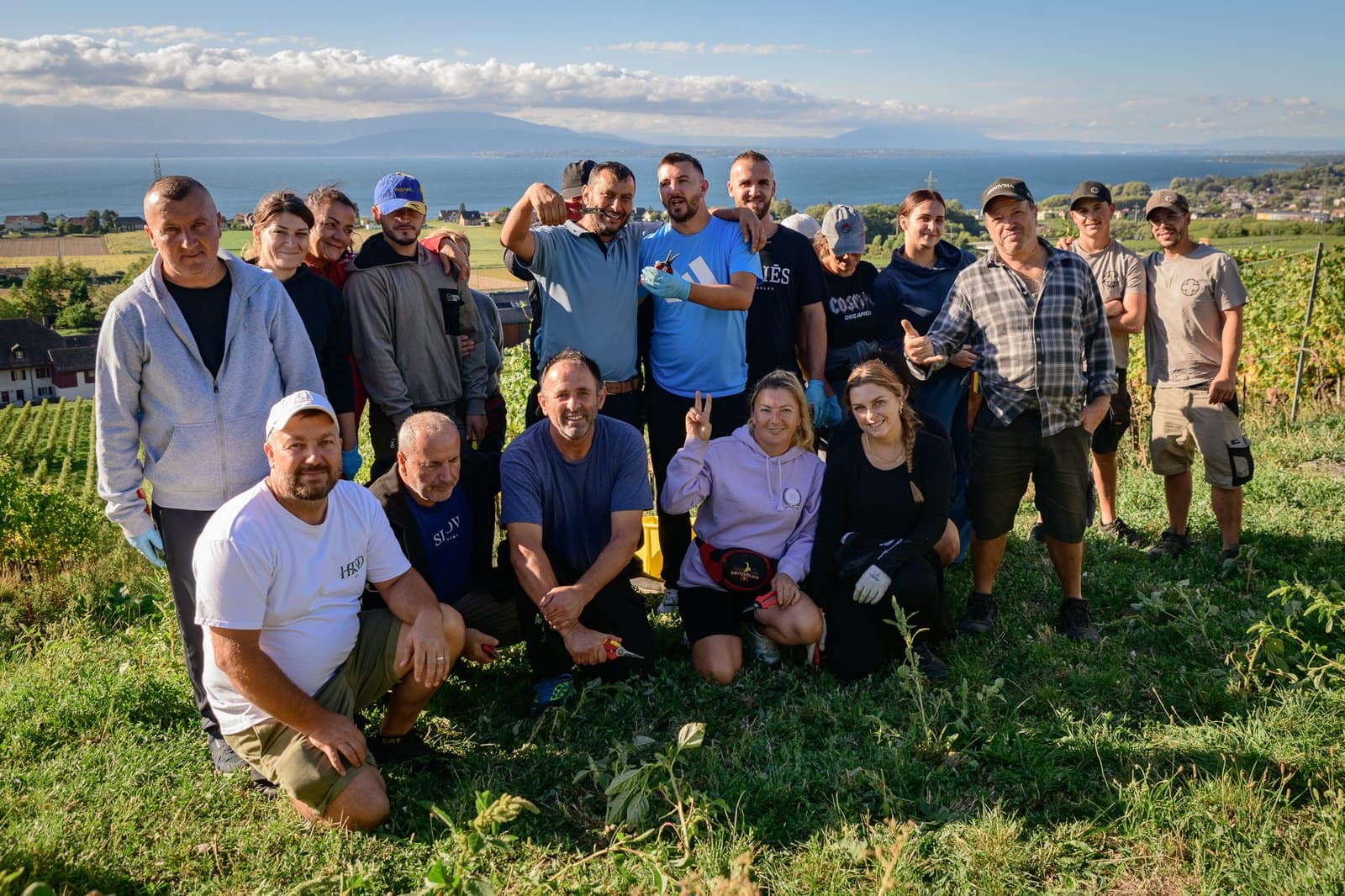
选择外包收获是一种特殊精神的一部分,我花了一些时间才理解,但现在完全有道理。虽然 索瑟 是一个家族企业,但它是一个小团队,拥有很大的葡萄园面积和很多工作要做。除了葡萄树和酿酒业务外,索瑟家族还管理着两座宏伟的建筑:庄园和城堡(后者被改建为酒店)、制桶厂,甚至还有他们刚刚种植的松露种植园。
庄园庄园
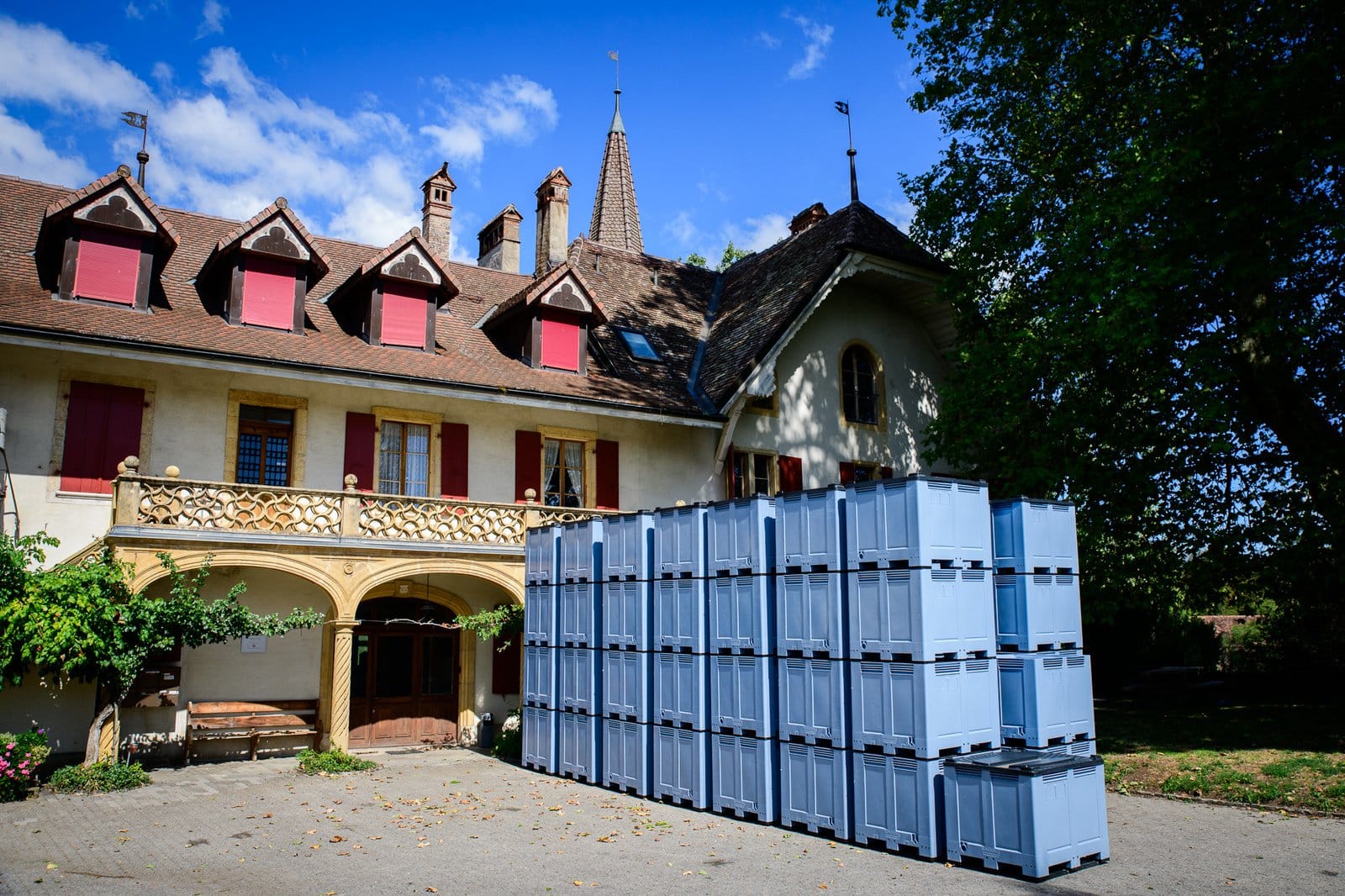
Domaine du Manoir距离酒庄大约一个小时的车程,当我们走近时,我不禁感觉自己仿佛走进了童话故事里。葡萄园,古老的传统房屋,沐浴在蓝天下的阳光。庄园本身看起来非常壮观,尽管它目前部分隐藏在准备收集收获的箱子后面。它的屋顶,它的楼梯,它的花园,它的阳光普照的厨房,可以看到葡萄园的景色……我会很高兴放下我的手提箱并在那里定居。
这就是Sother团队的成员所做的,因为负责Domaine葡萄园和制桶厂的工作人员都住在庄园里,充分利用附近的花园种植新鲜蔬菜和香草。
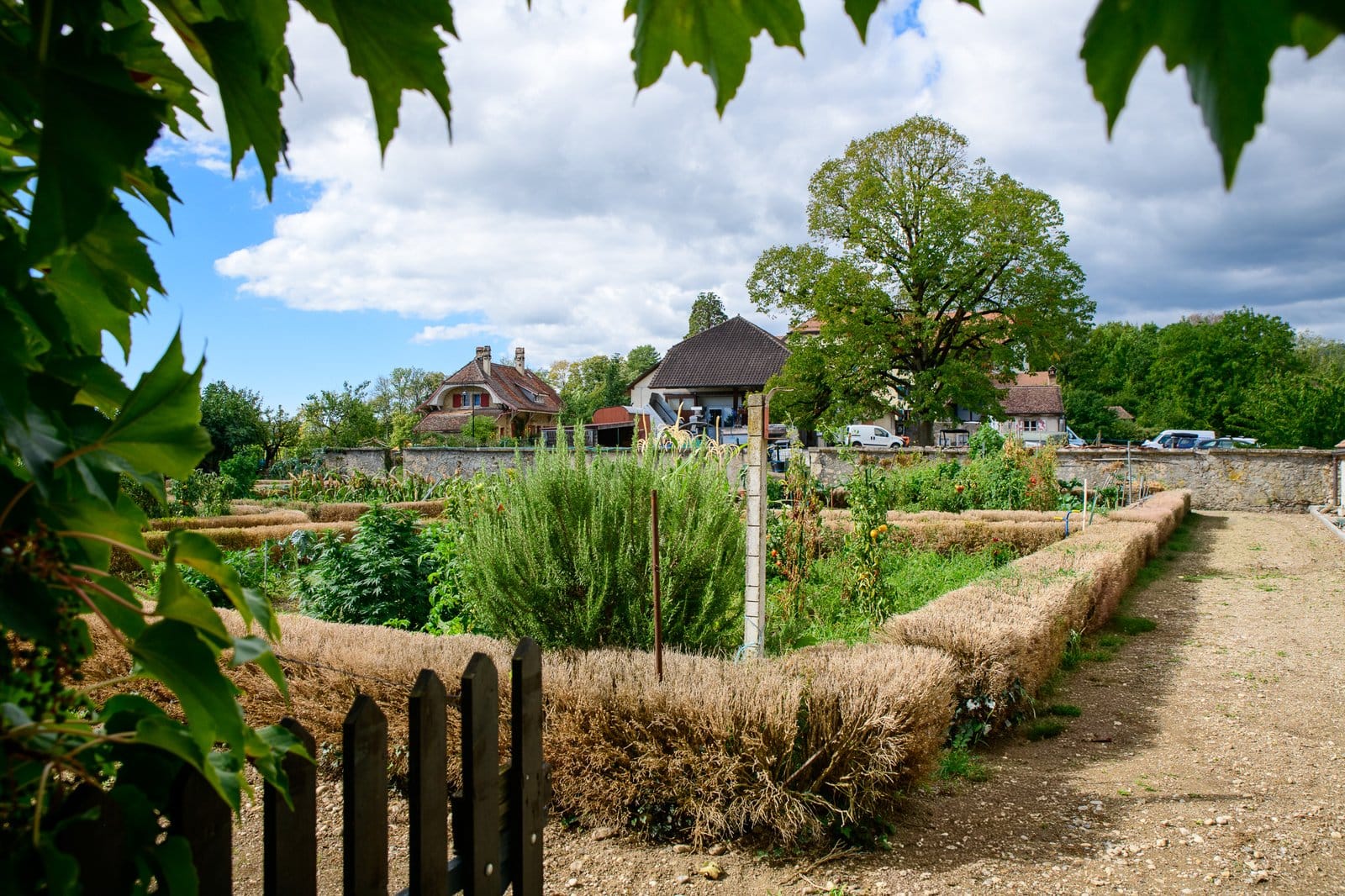
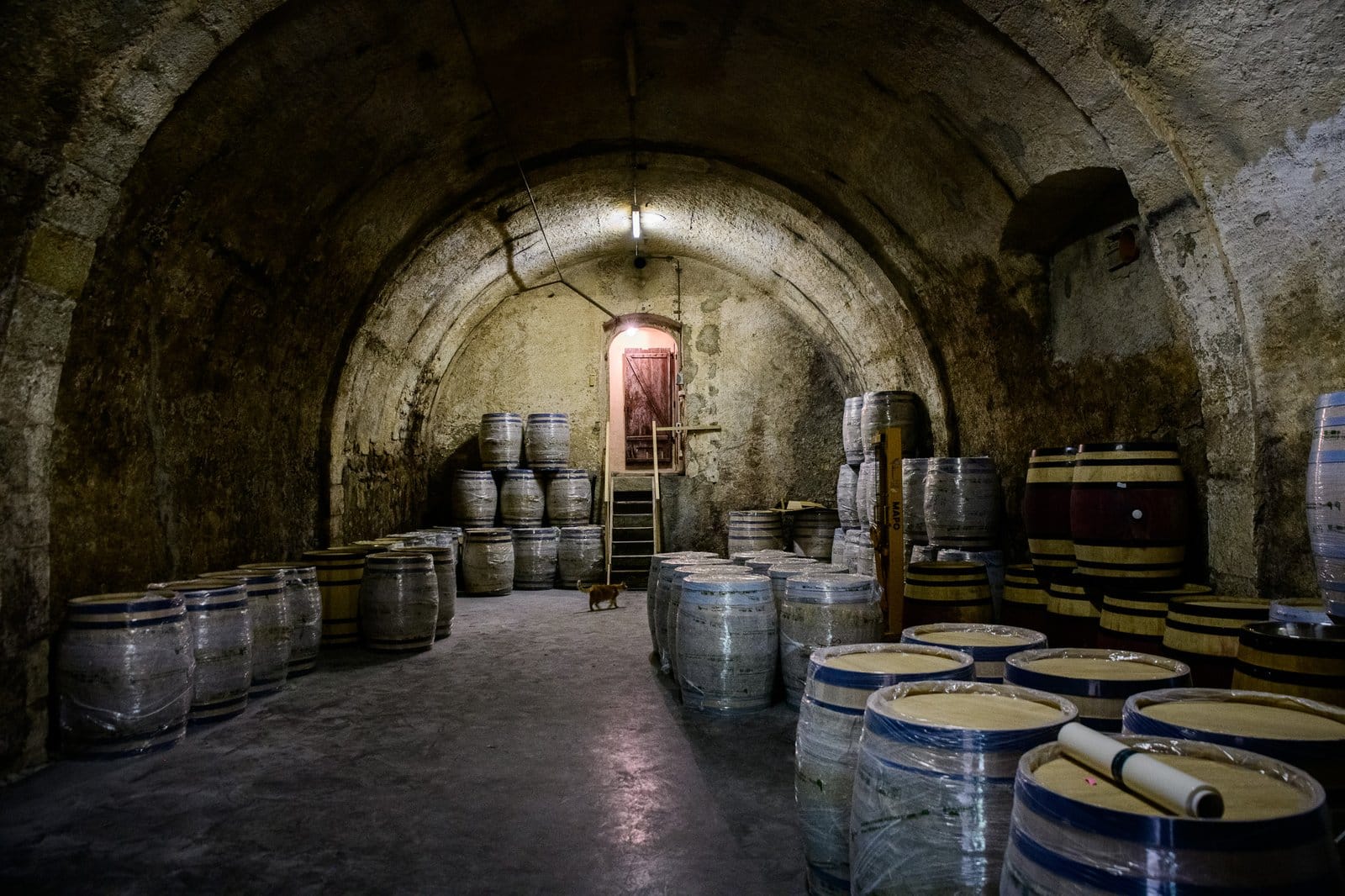
庄园内有很多漂亮的房间和一个看起来像地下室的地下仓库,马克西姆梦想把它改造成音乐厅或剧院。整个地方就像一个梦想:安静,周围环绕着大自然和葡萄园,有充足的区域可供休息和激发灵感。
潜力巨大,一切都取决于是否有足够的游客愿意冒险进入该地区。
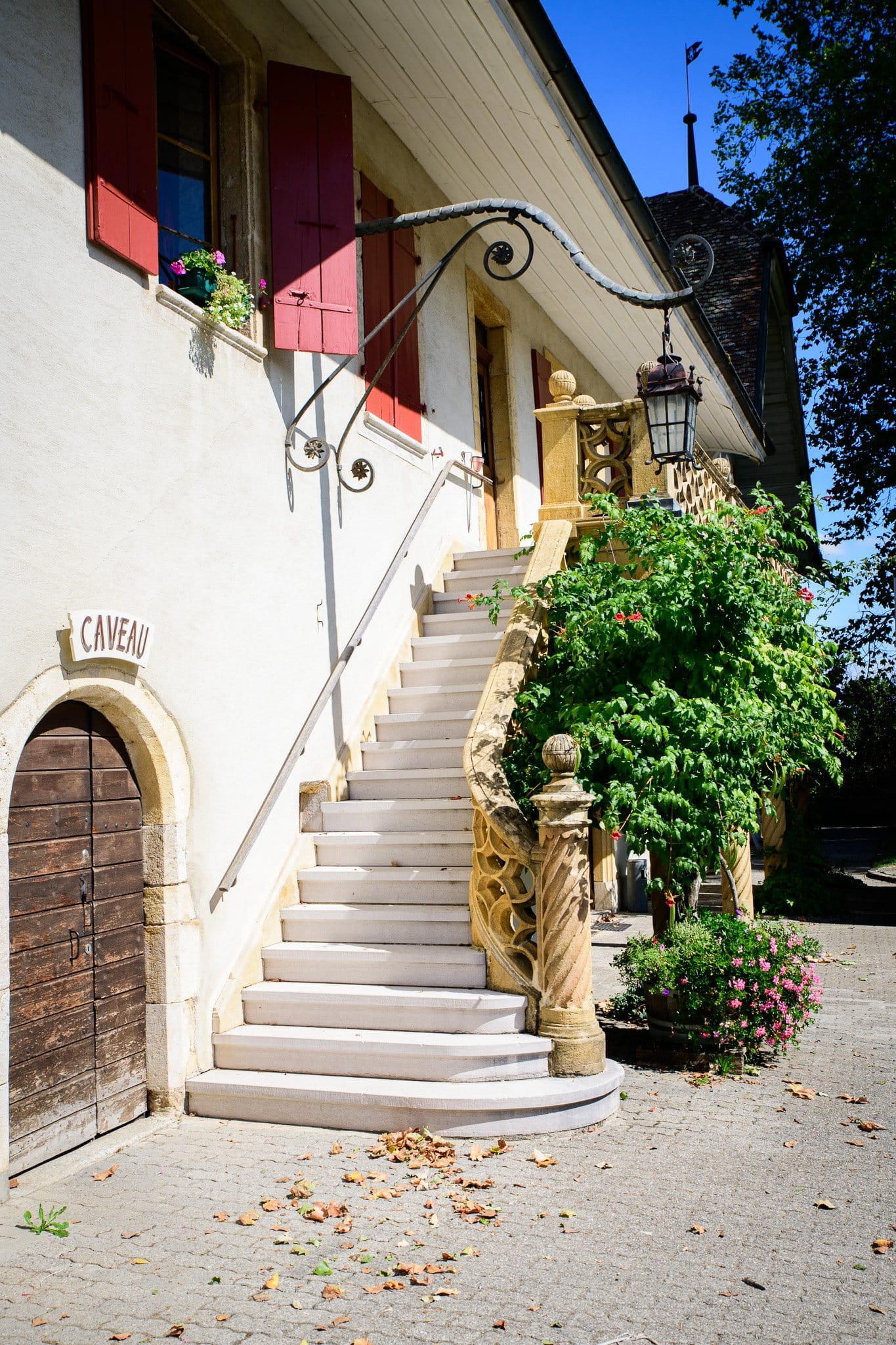
该庄园最初是一座修道院,后来在 14 世纪成为一座庄园,是克吕尼修道院网络的一部分,帮助在欧洲传播葡萄种植技术,有趣的是,它也与他们的另一个庄园马勒塞特城堡 (Château de Malesert) 的根源有关。
购买庄园时,庄园实际上有一位房客,索瑟夫妇将她留在那里,始终本着延续性和尊重这个地方的精神。许多在前任主人手下工作的葡萄藤工人也采取了同样的做法。
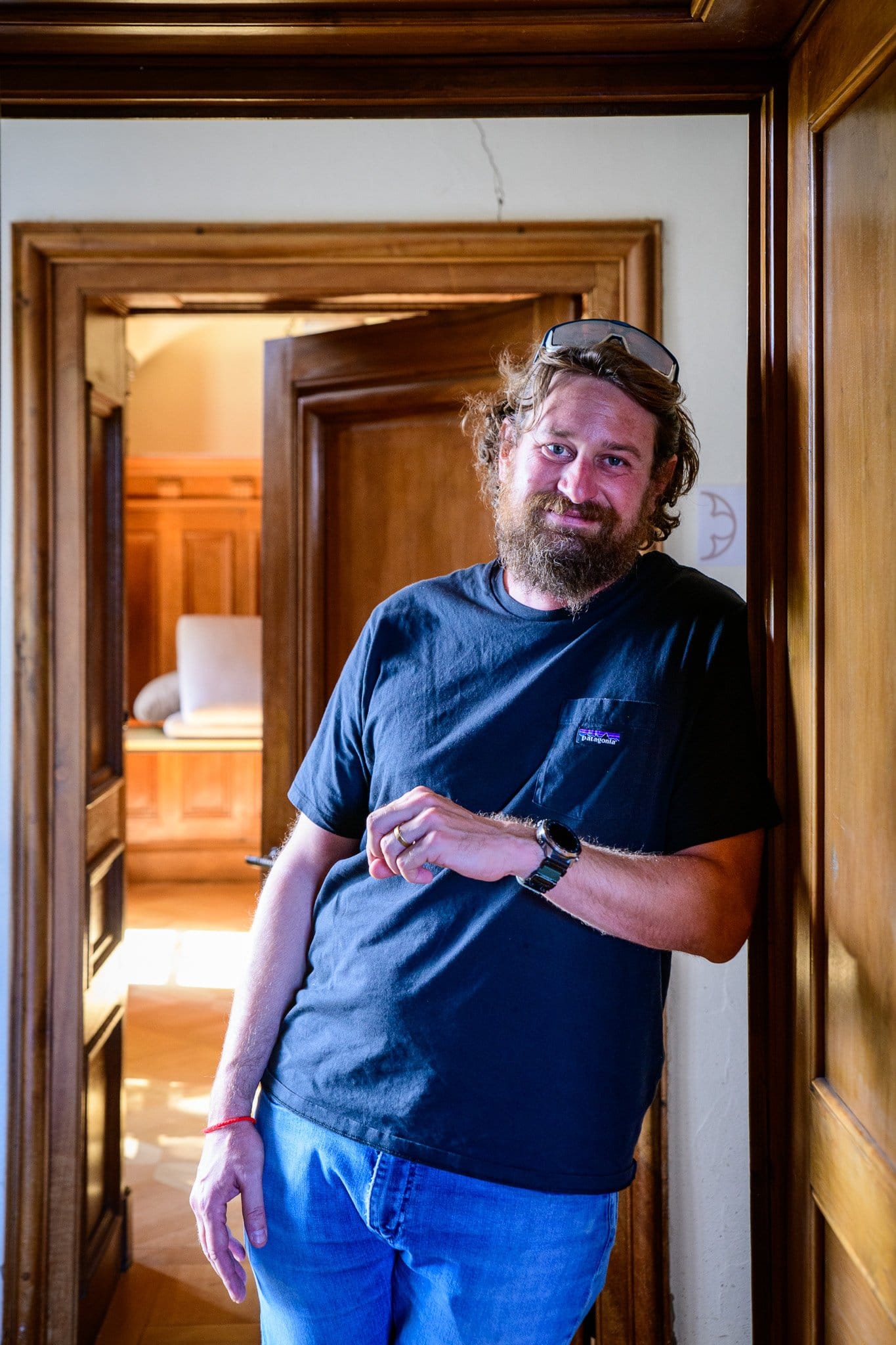
“我们在这方面是新手,而且我们实际上有机会拥有对这项工作了如指掌的人。这是合乎逻辑的事情,而且大部分情况都进展顺利,”马克西姆解释道。
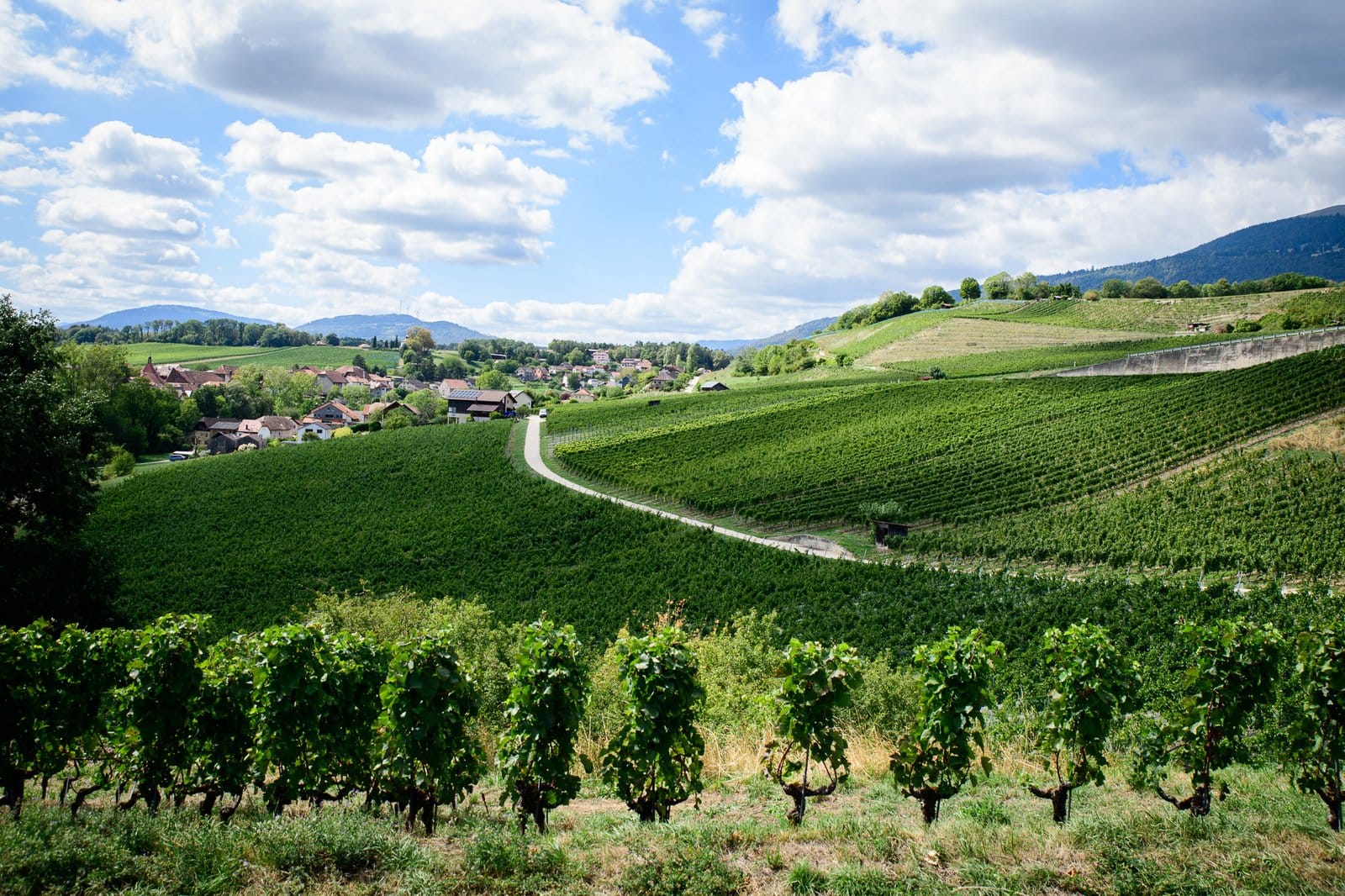
然后马克西姆带我参观了庄园杜庄园的葡萄园,主要种植黑皮诺、佳美、一些梅洛,以及一些当地的葡萄品种,如加马雷和加拉诺瓦。
这里的土壤与马勒塞特周围的土壤有很大不同,我们现在位于奥尔布山丘。自2020年接管以来,索瑟夫妇也逐渐转向有机农业,他们鼓励葡萄园里的生机勃勃。
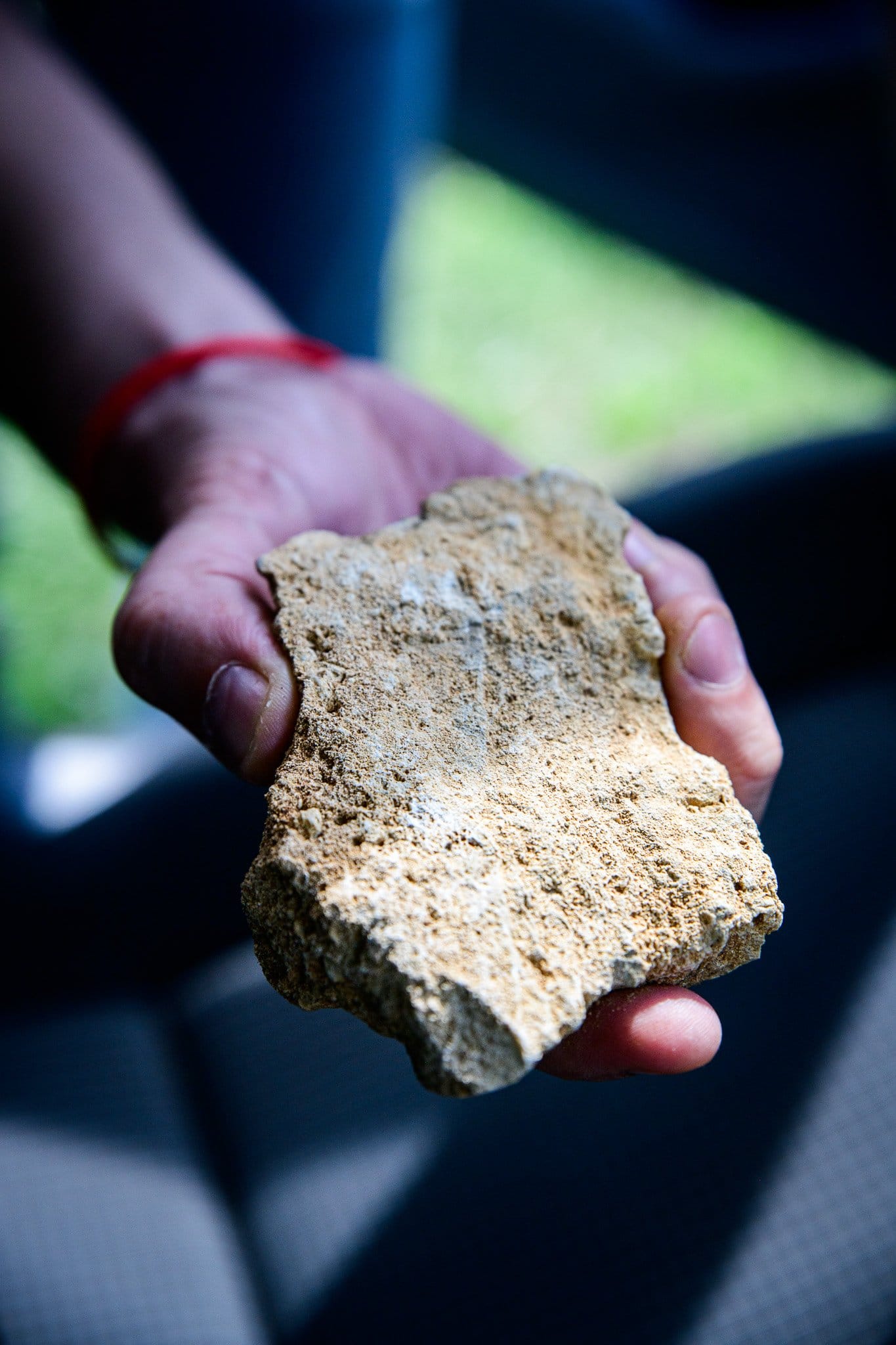
这也是 Maxime 带我参观的另一个雄心勃勃的项目背后的想法之一:la truffière(又名松露农场)。
长远愿景
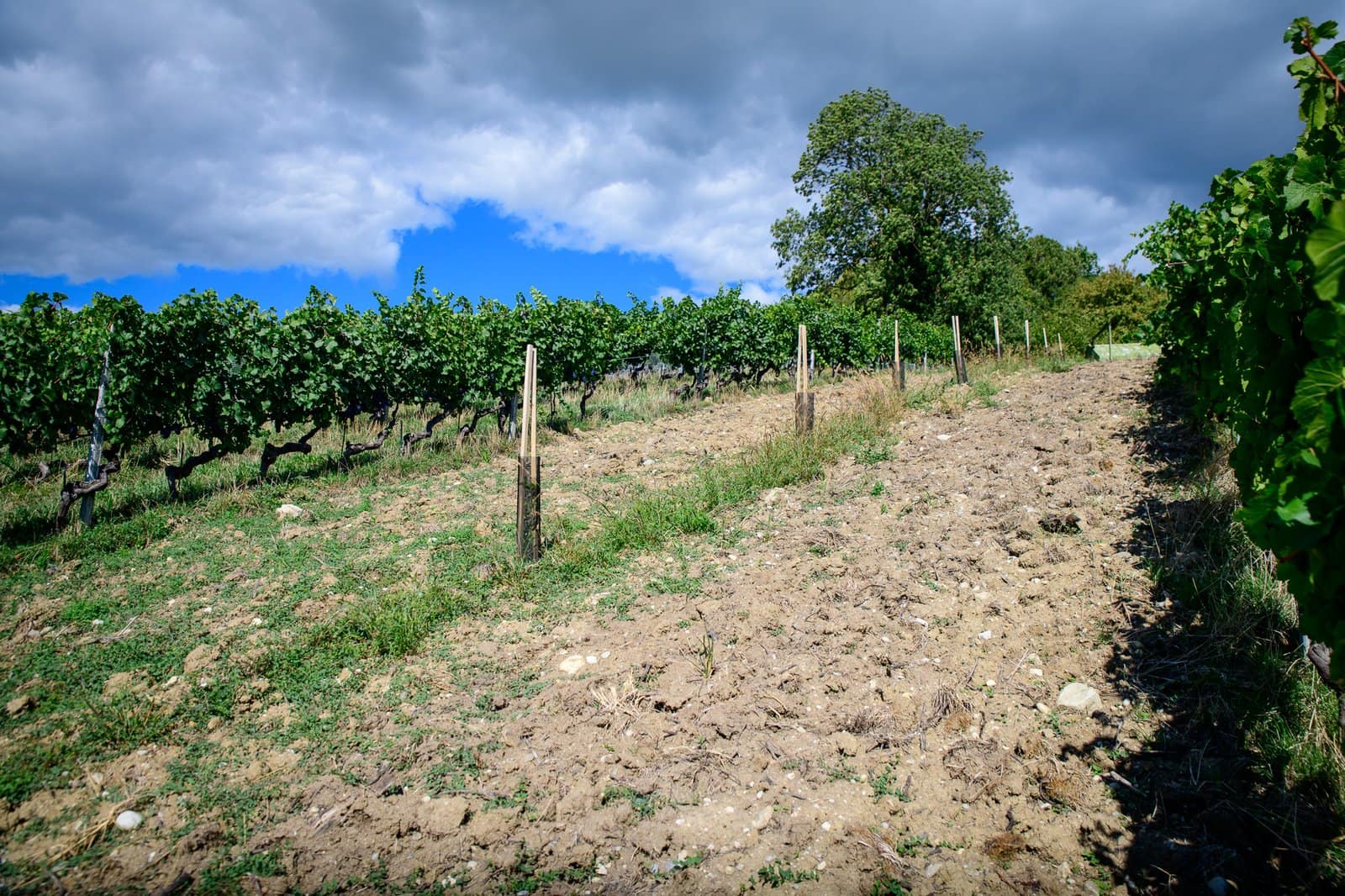
马克西姆带我参观了一排排交替的藤蔓和幼树,这些藤蔓和幼树由接种了松露真菌的榛子和橡树组成。特鲁菲埃尔是一个长期的赌注。这些菌根树是去年春天才种下的,如果一切按计划进行,第一批松露应该会在大约十年内出现。但他们已经得到了一点鼓励:Pierre-Olivier 借了一只 Lagotto,这是一只为寻找松露而饲养的狗,这只狗立即在他们的包裹旁边发现了一块松露。 “所以,我们非常有信心,”马克西姆告诉我。十年是一段漫长的等待时间,但至少狗似乎认为他们在做某件事。
他们还在葡萄园周围试验生物多样性,在不干扰拖拉机的地方留下鹅卵石和岩石,为昆虫和蜥蜴创造栖息地。
在特鲁菲耶尔周围走了一小段路后,我们乘坐皮埃尔-奥利维尔的SUV,将头撞到老派的魁北克嘻哈音乐中,这会让老奶奶脸红。我们会见了采摘团队,他们现在已经前往 Domaine du Manoir 葡萄园,正在采收红葡萄。现在是时候进行一点“团队建设”——或者“tonus”,正如我的格鲁吉亚邻居过去所说的那样——意思是为团队倒几杯酒。马克西姆和皮埃尔-奥利维尔卸下一盒干净的玻璃杯,开始大量倒酒,直到士气恢复到应有的水平,但在此之前可能会转化为令人小睡的能量。
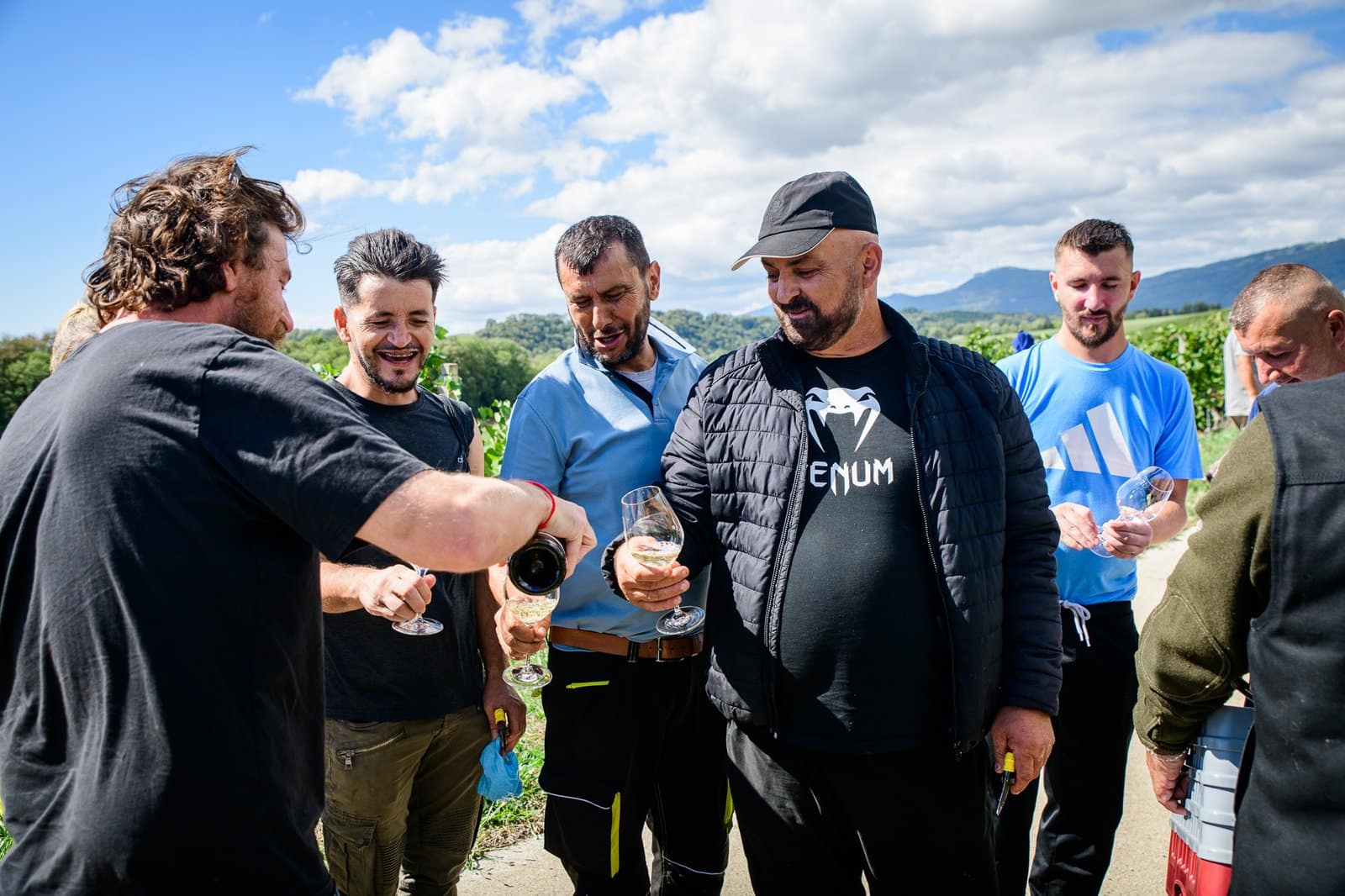
瓶子空了,我们收集了所有的玻璃杯后,我们就回到庄园,在那里我可以看到制桶厂正在运作,制桶大师正在带领一群游客参观。
酒桶厂
我见过很多酒窖,但这是第一个拥有自己的制桶厂的酒窖。公司有两名 20 多岁的全职员工,看到手艺得以传承,确实令人鼓舞。
这个想法并不牵强——如果我们继续谈论风土,那么平等地使用来自该地区的木材是有意义的。
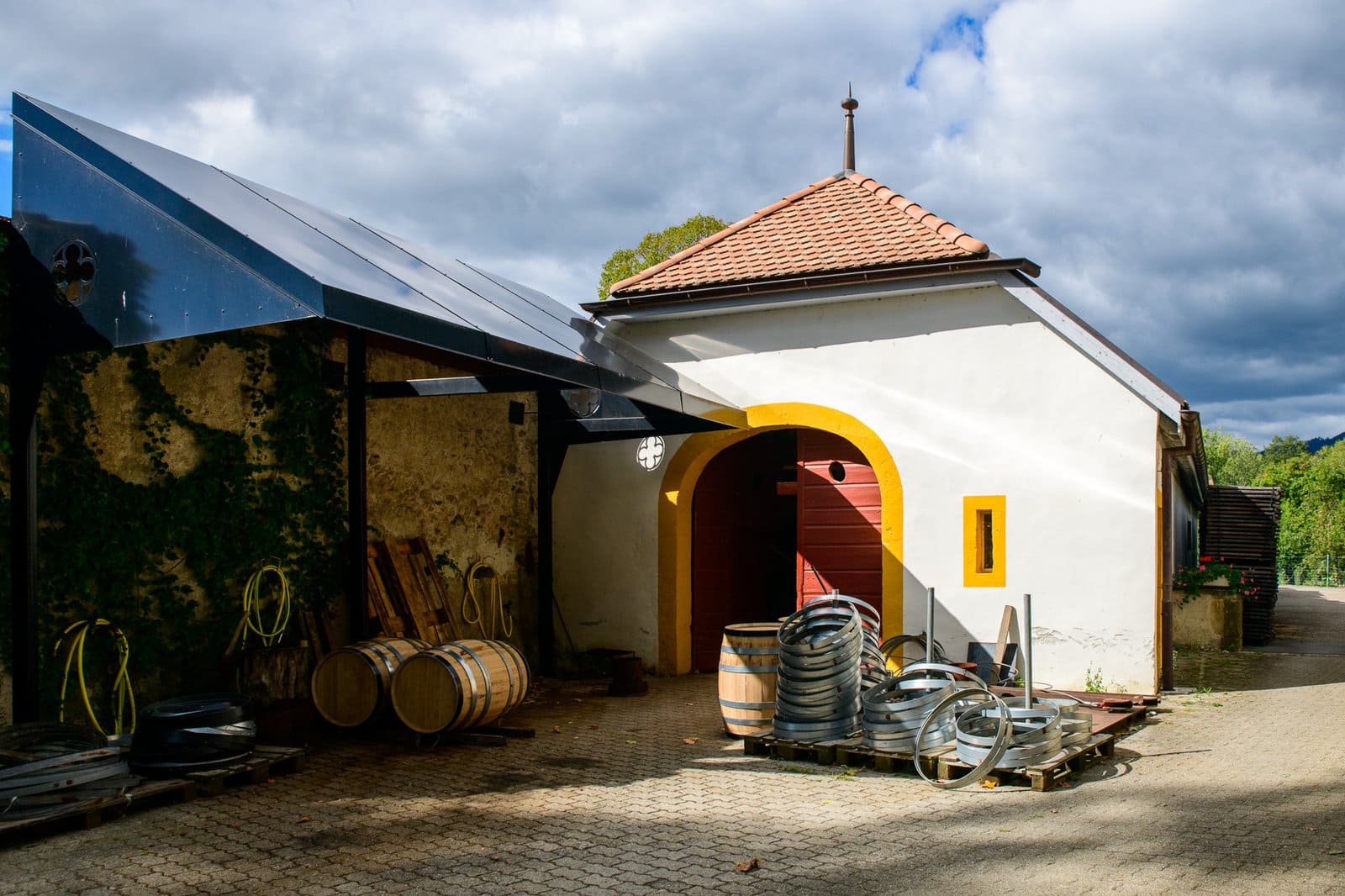
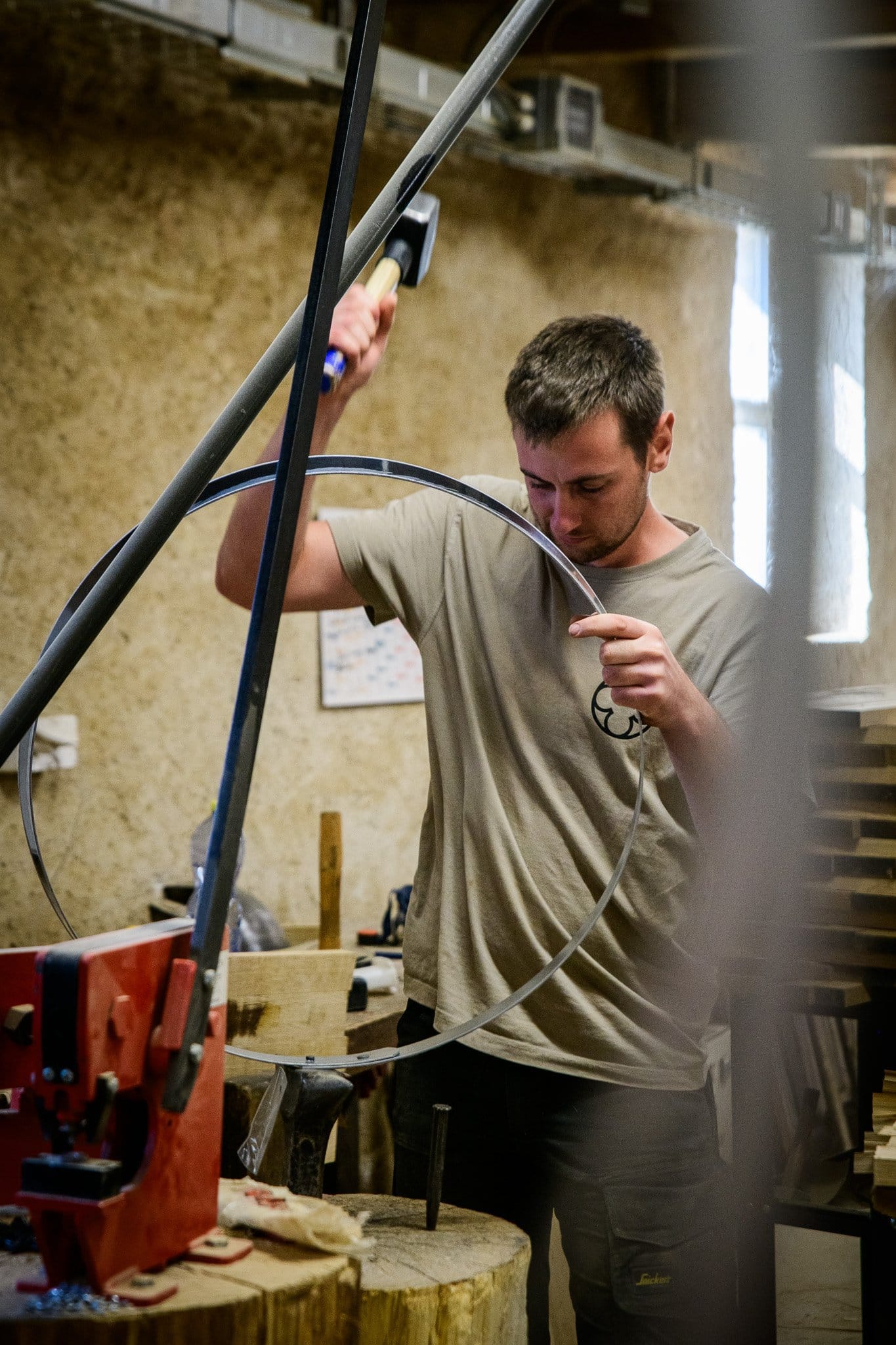
车间内,空气中弥漫着烤木头和锯末的味道。 “制作一个木桶需要大约八个小时的手工劳动,”Rémi Merlier 解释道,并展示了他们如何使用传统的簧片作为桶头之间的天然防水密封。
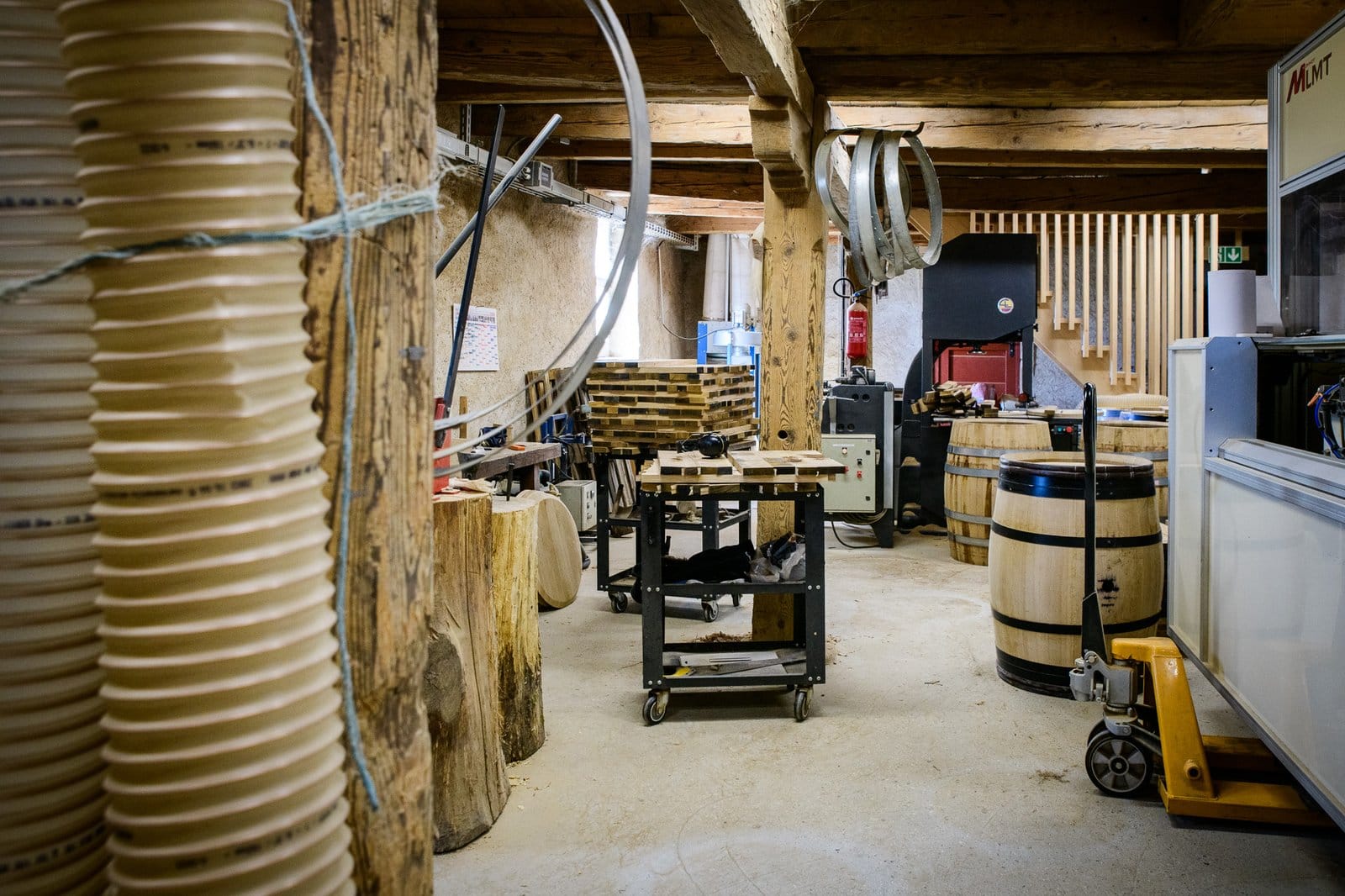
它们的酒桶容量从 140 升到 500 升不等,提供了介于传统单桶尺寸(如 225 升波尔多木桶和 228 升勃艮第单桶)和大型传统陈酿容器(如约 900 升波尔多酒桶(历史上与容器一样的计量单位)或数千升勃艮第 foudre)之间的多功能中间地带。
该过程是旧工艺和工业机械的混合体:准备、成型和组装木板,加热和弯曲木材,安装箍,插入头部,然后对整个物体进行打磨并测试是否泄漏。
索瑟夫妇还将他们的酒桶出售给其他生产商,尽管说服酿酒师放弃他们可能已经合作了十年的制桶厂并不是一件容易的事。可以理解的是,第一反应是让其他人承担这个风险。虽然花费的时间比预期要长,但情况正在发生变化,尝试过的生产商对结果非常满意,而且口碑很好。当前的许多订单现在都来自回头客。
雷米·梅里尔,库珀大师
除了制作标准木桶外,该团队还不断分析不同的烘烤程度如何与瑞士橡木相互作用,并与 Changins 葡萄栽培学校合作,研究木材中的芳香化合物,并微调他们的木桶烘烤以尊重精致的水果外形。
马勒塞特城堡
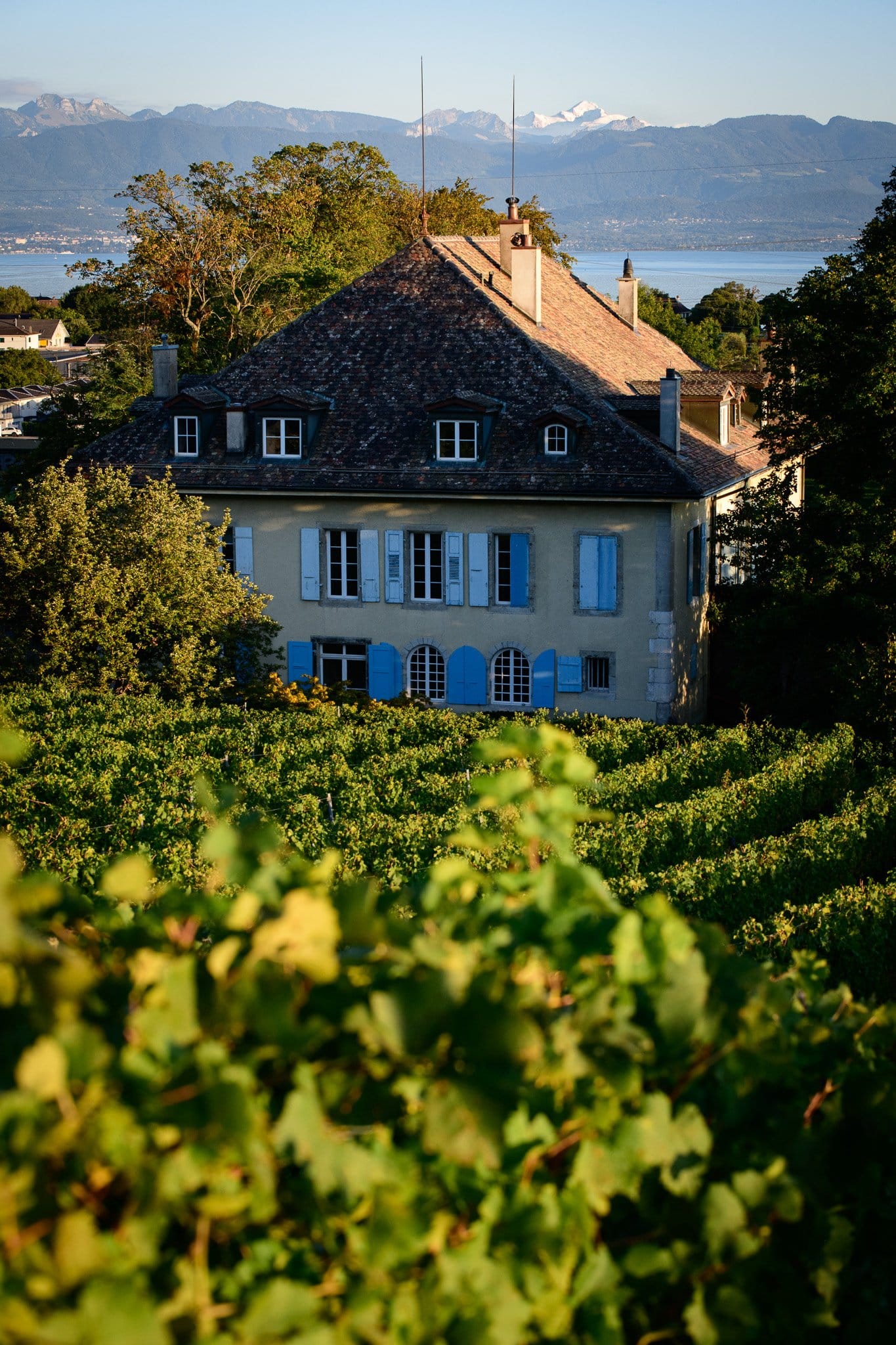
第二天,我们回到酒庄,我有机会参观马勒塞特城堡。
这里的历史可以追溯到很久以前。最早的踪迹是 996 年的一份文件,当时一位名叫马林 (Marin) 的牧师将这片土地(当时称为 Clos de Bougel)交给了克鲁尼修会(当地由罗曼莫捷修道院代表)。索瑟徽章本身借鉴了克鲁尼修道院的建筑和中世纪意象,因为两个庄园都拥有同样的克吕尼过去。
那个时期的建筑没有幸存,但“clos”的定义是指封闭的葡萄园,因此几乎可以肯定这片土地已经在种植葡萄树了。城堡本身的出现要晚得多。其现存最古老的横梁可追溯至 1600 年,多年来,这座建筑经历了无数次改建。有一座中世纪的塔楼。曾经有一条护城河。旧马厩仍然保留着原来的饲槽,其巧妙的系统可以让干草直接从上面的地板上掉落。楼上曾经是马具厂。
在其他地方,曾经使用一个大罐来为葡萄园准备铜和硫处理剂。管道网络和大型泵使混合物能够分布在葡萄藤上。该系统可以追溯到第二次世界大战后不久,铜在墙壁上留下了蓝色污渍。
从内部看,城堡比从外面看起来要大得多,房间也令人难以置信:一个巨大的浴室,几乎就像一个澡堂,曾经属于一个富有的沙特人,会议室里挂满了壁画,一张宫女般的沙发,还有一个精美的古老炉子,等等。这个地方很大,就像庄园一样,提供了太多的可能性,想想就头晕。
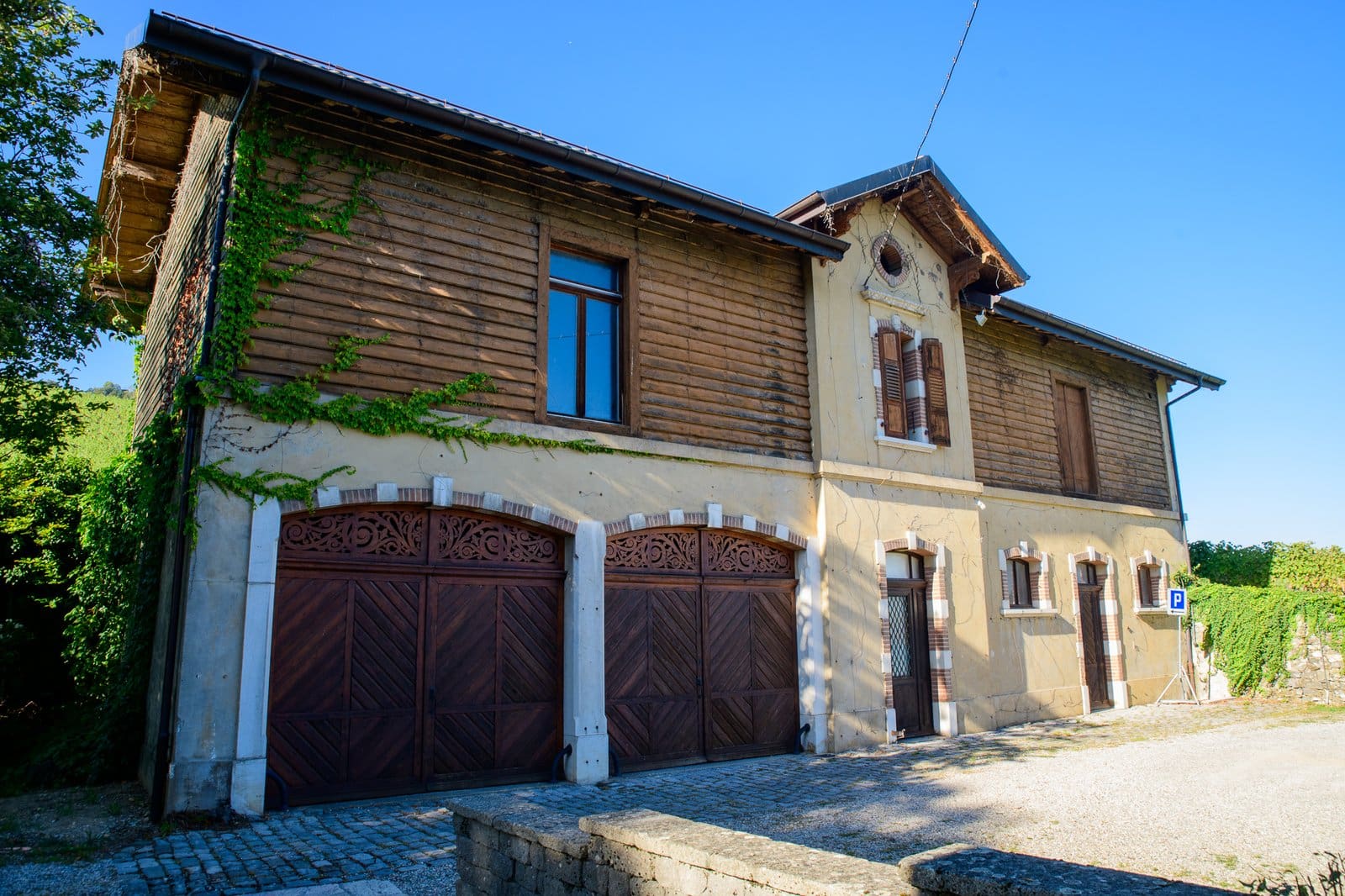
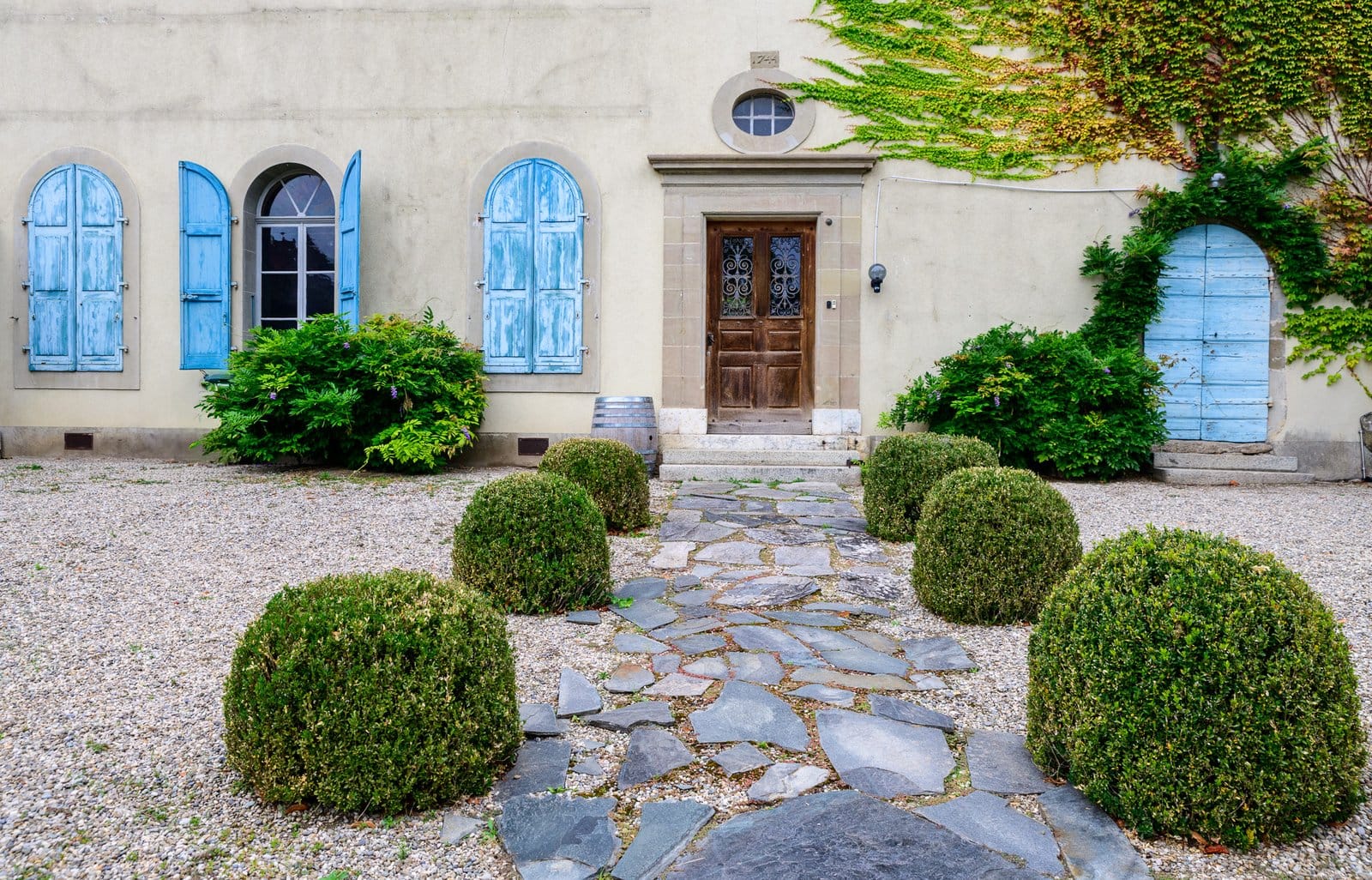
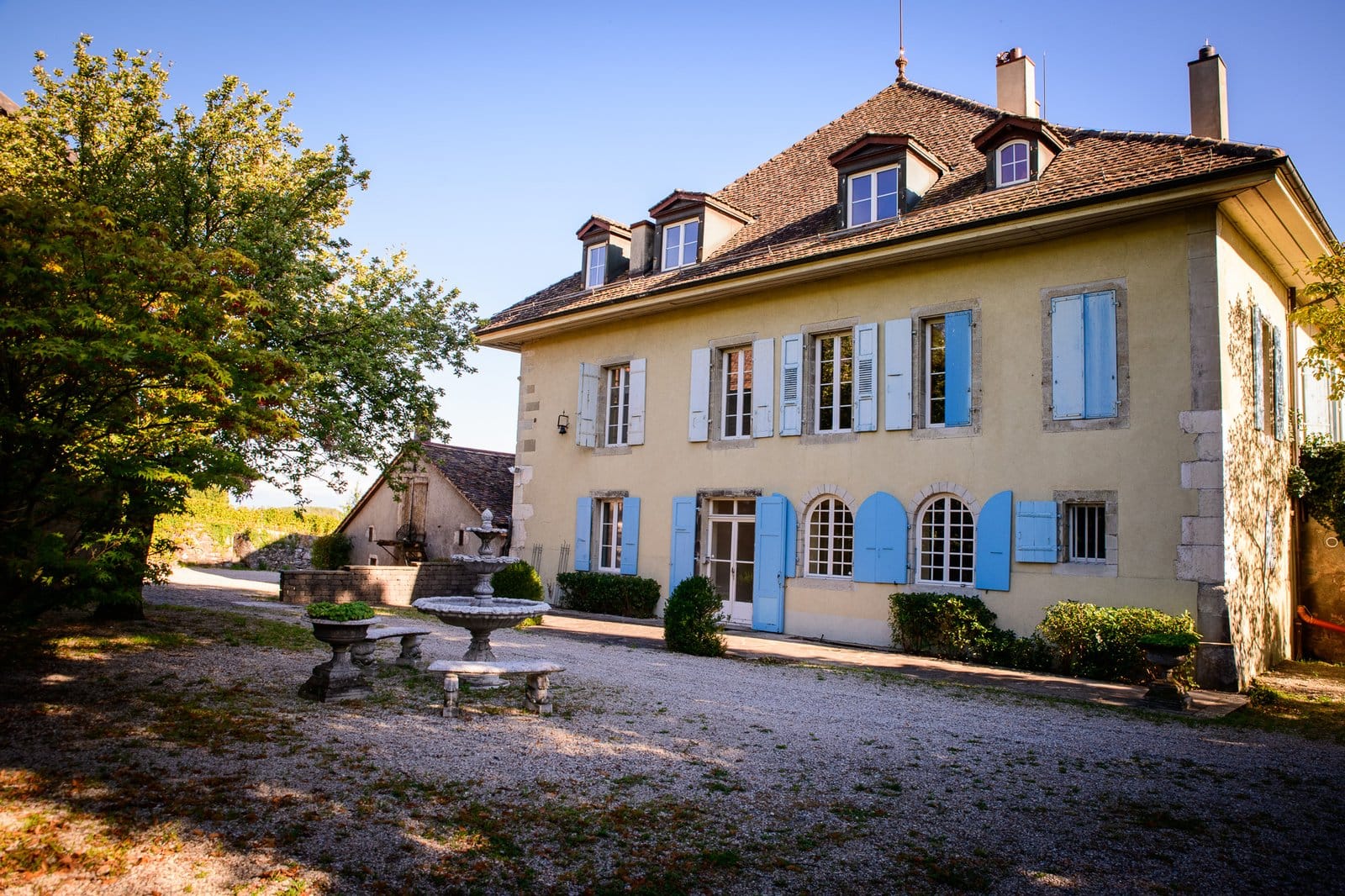
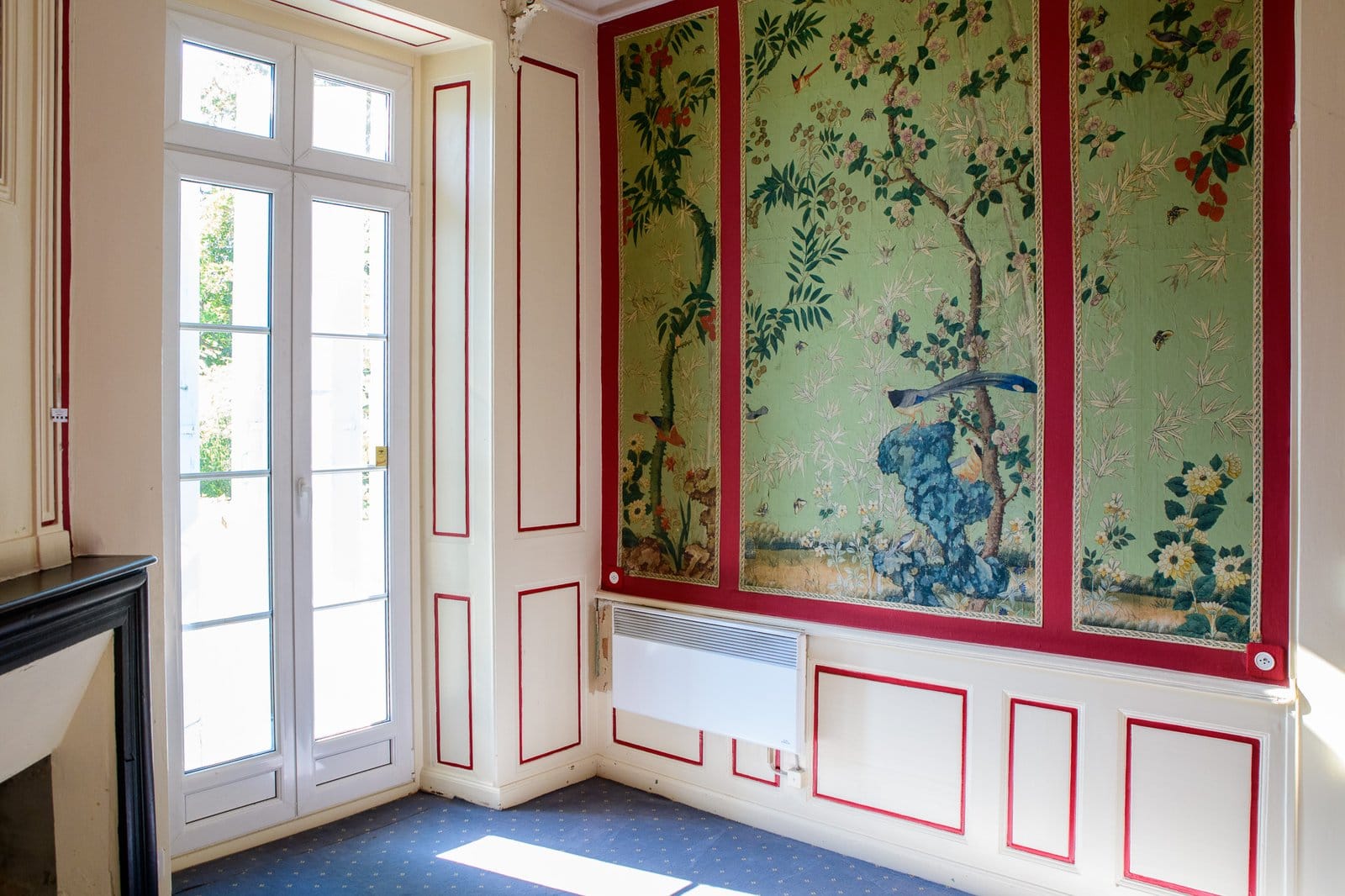
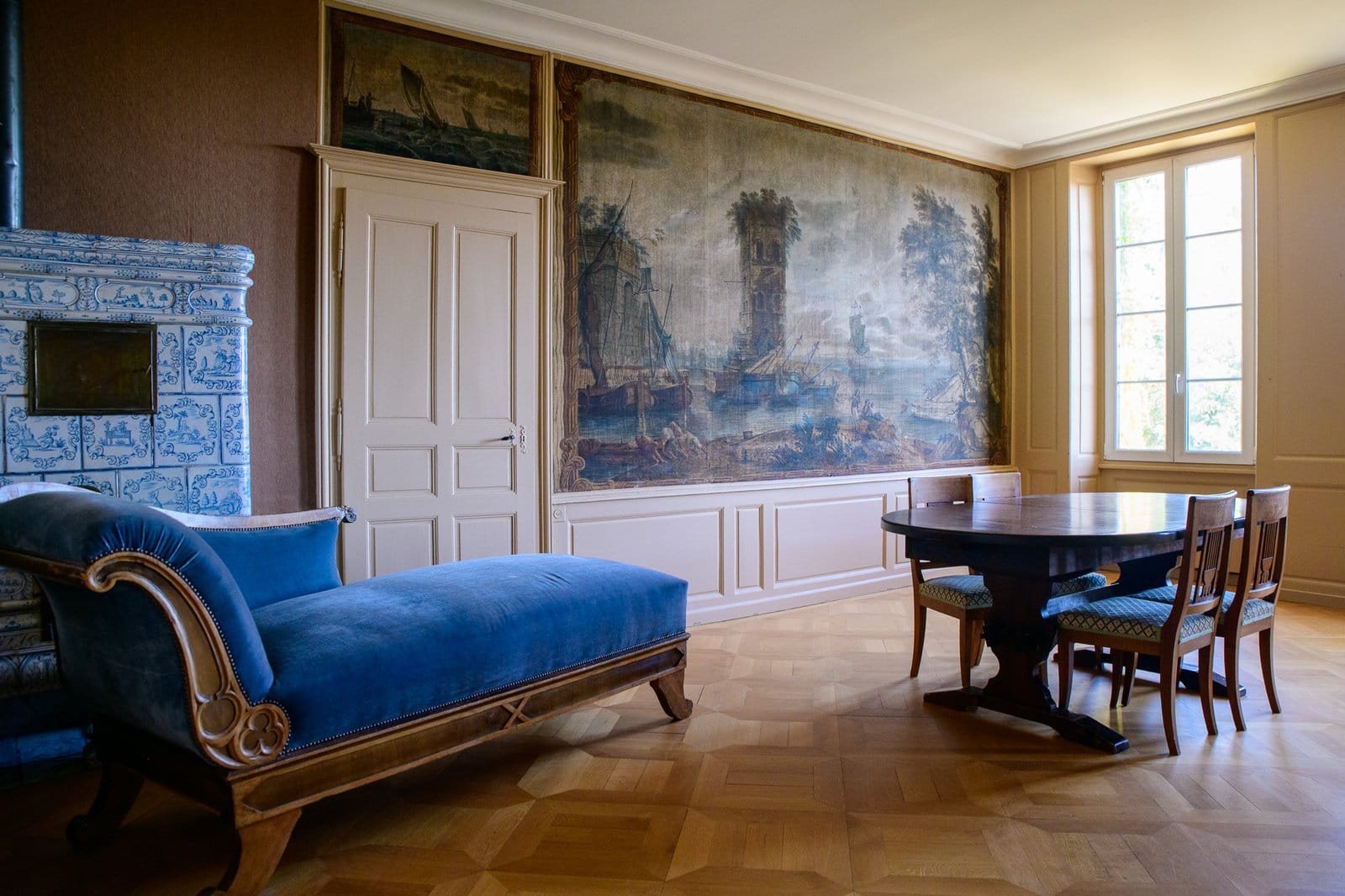
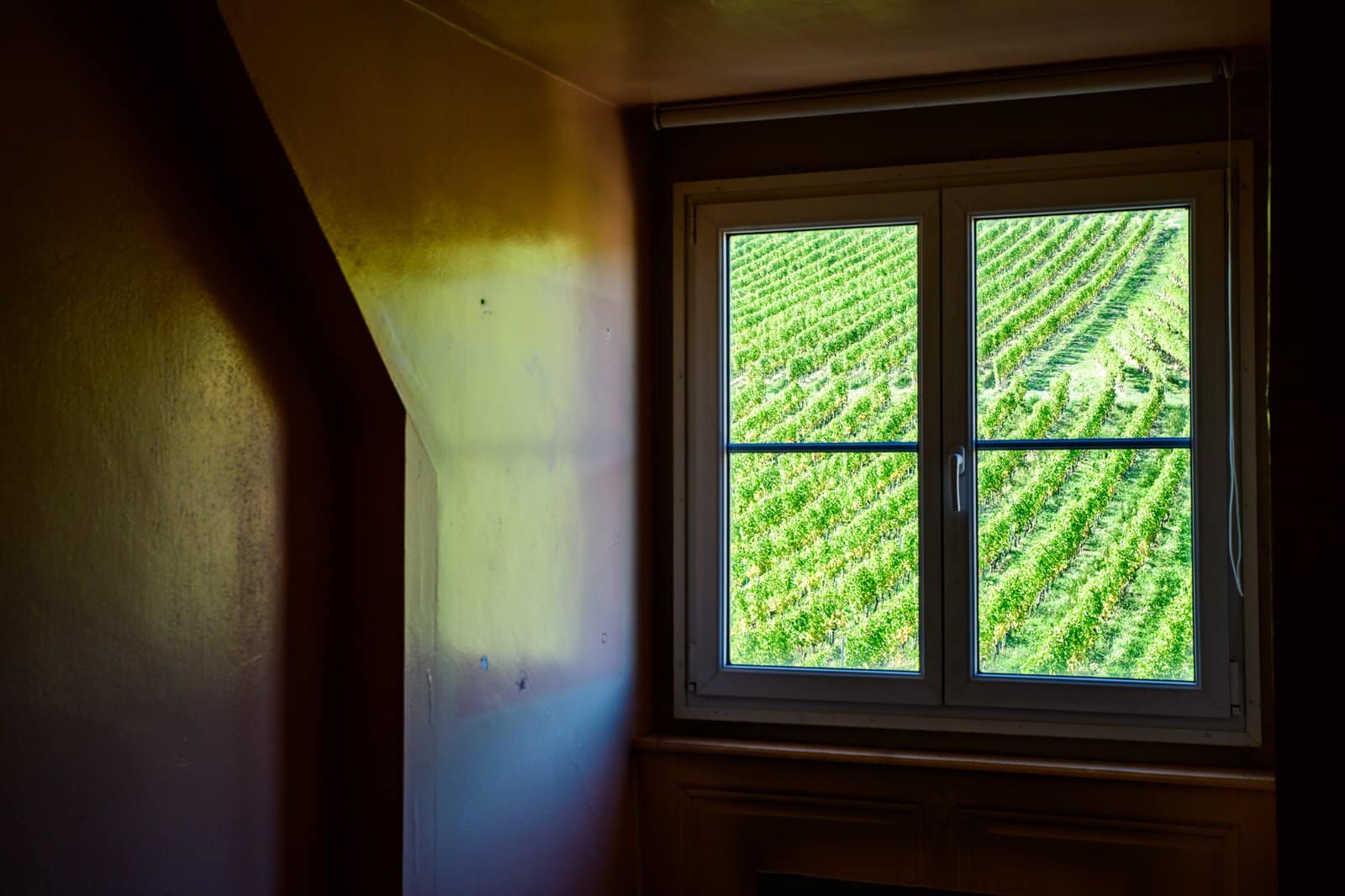
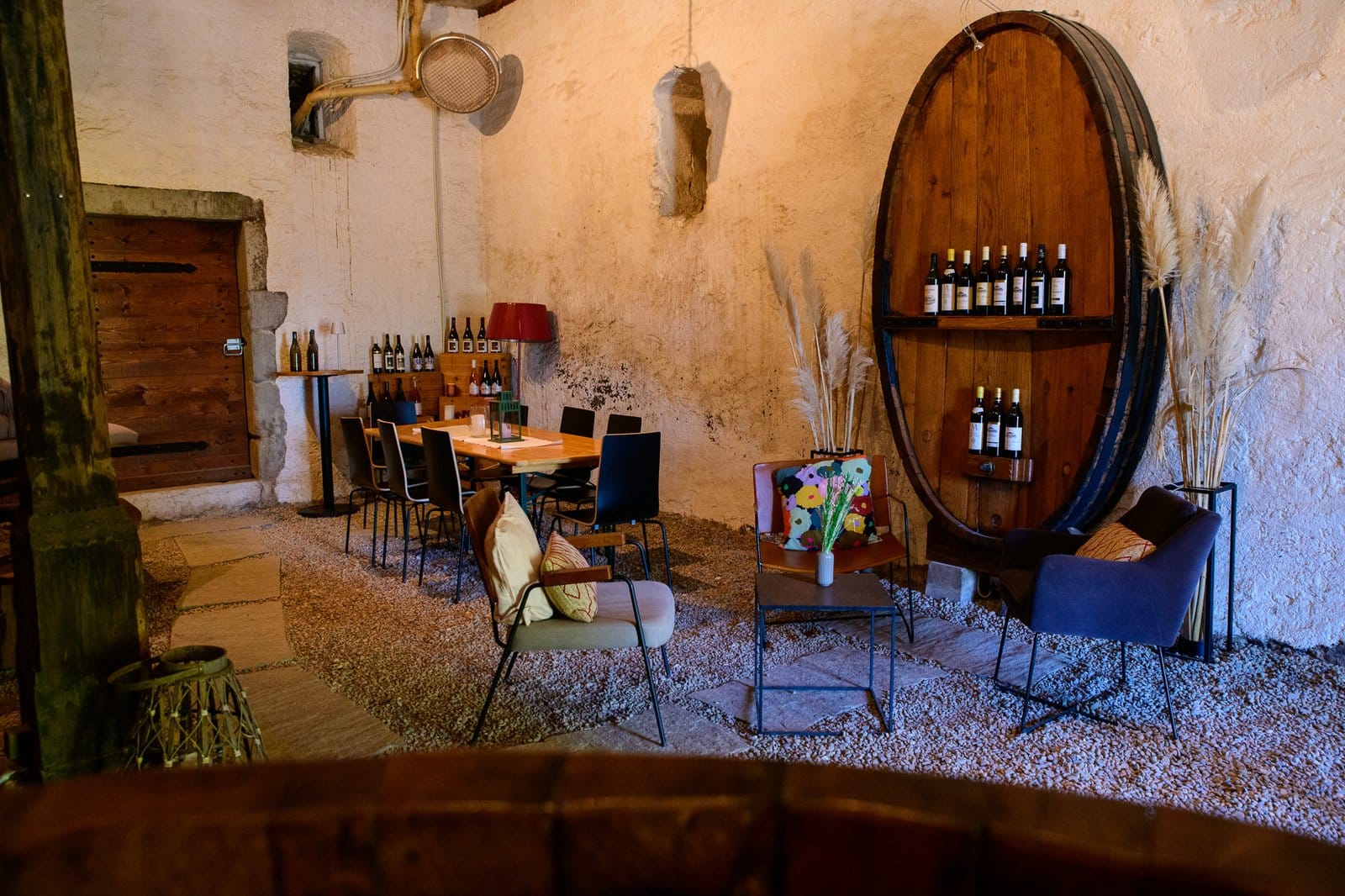
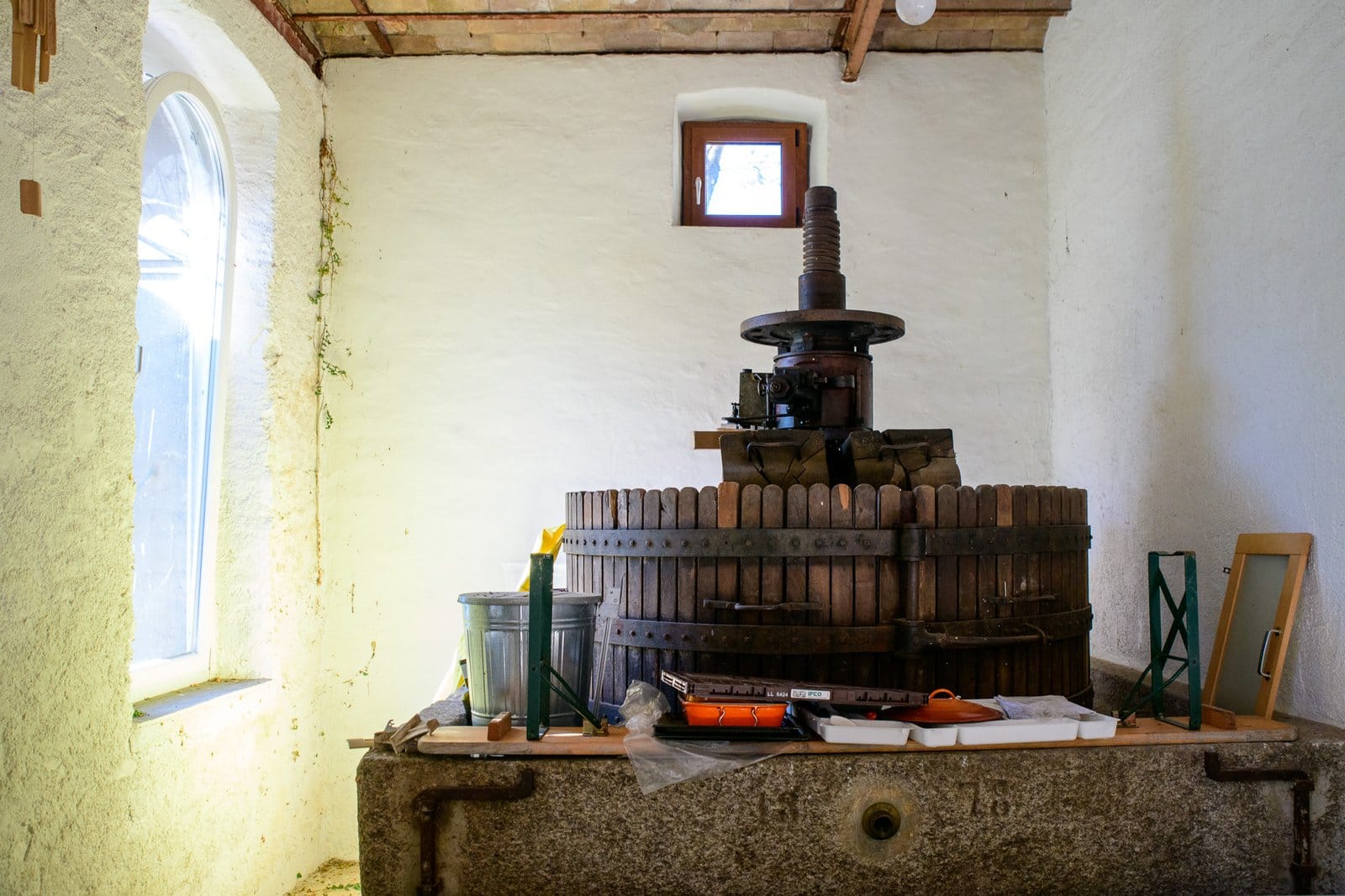
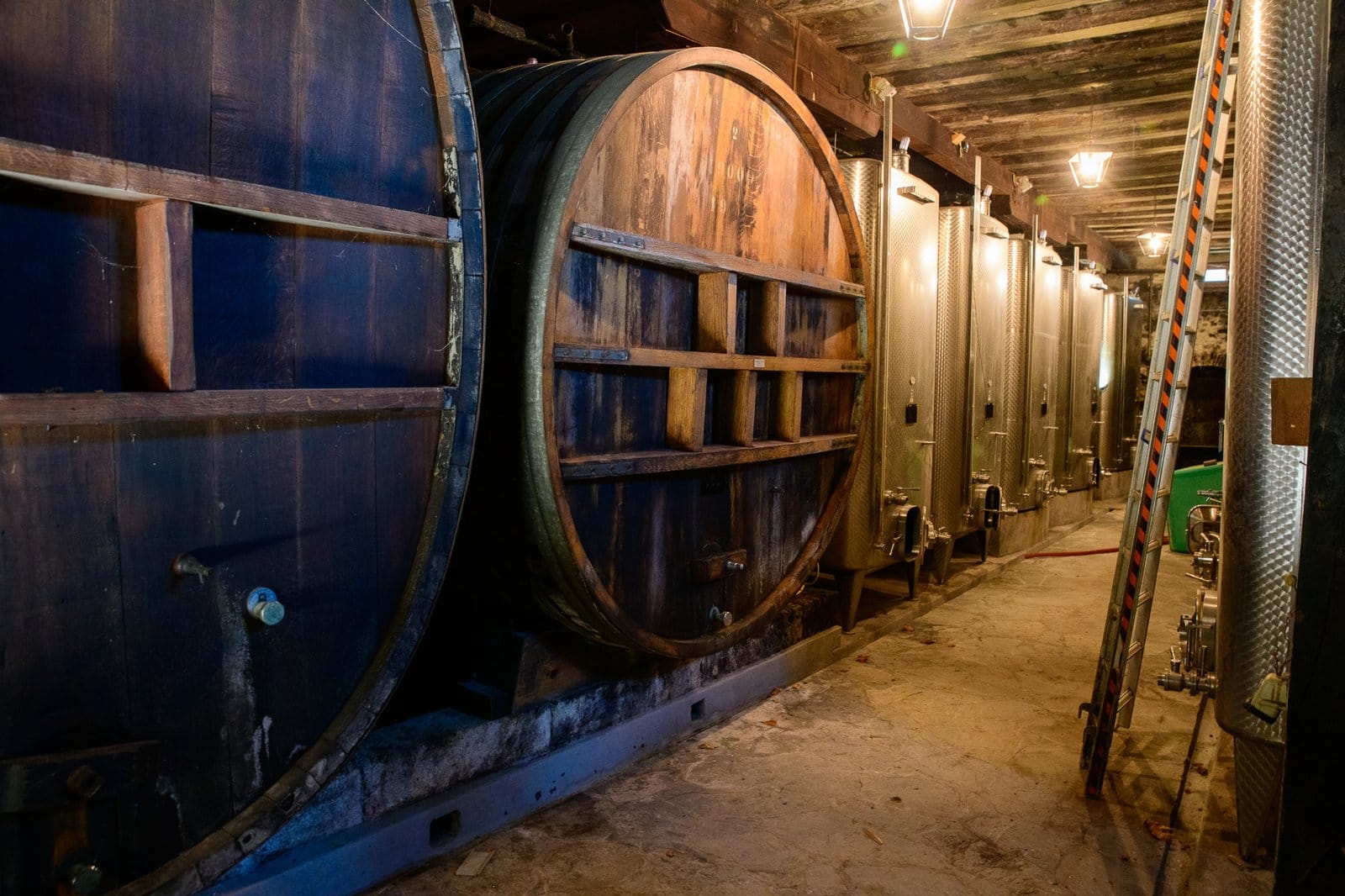
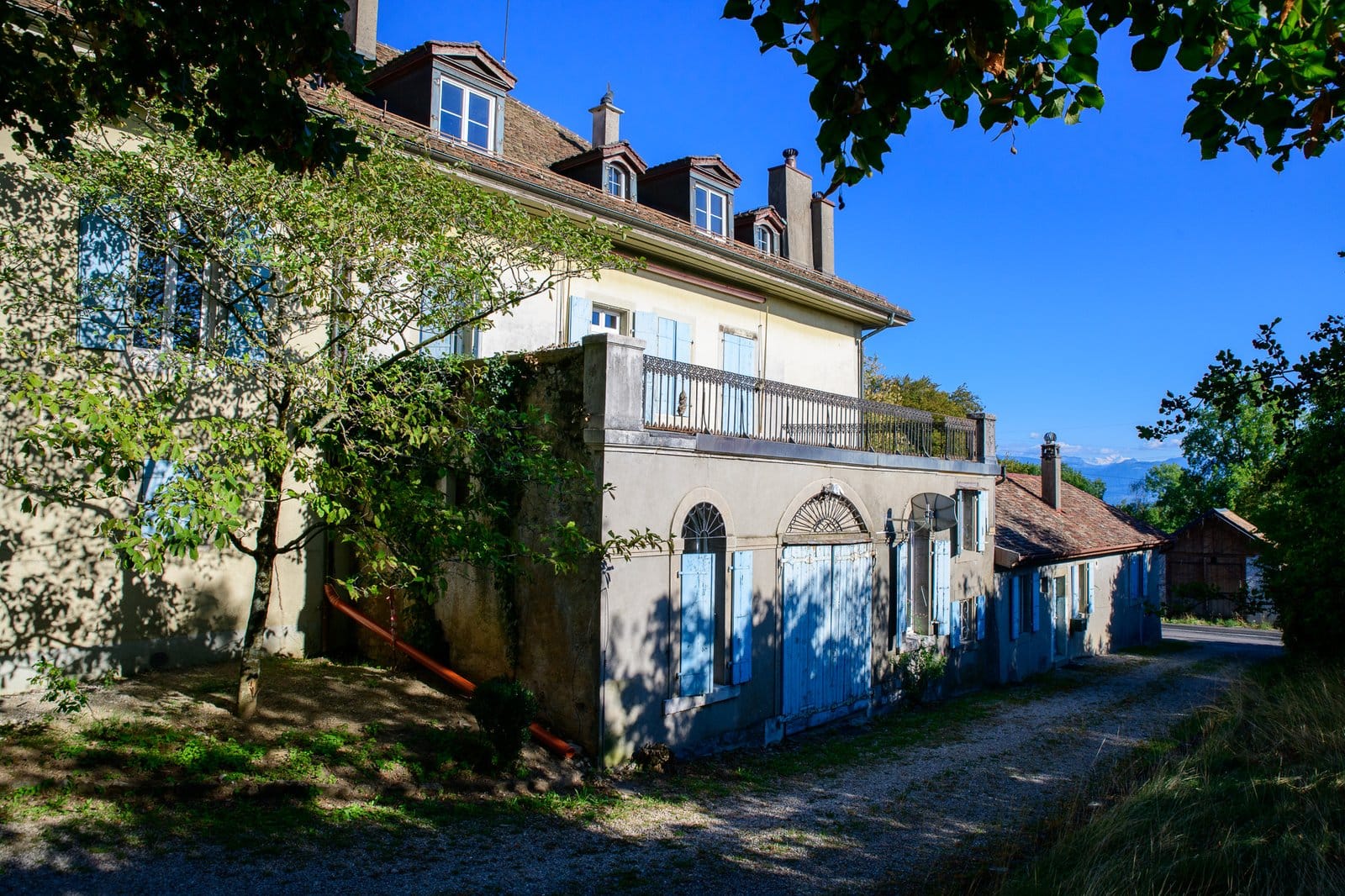
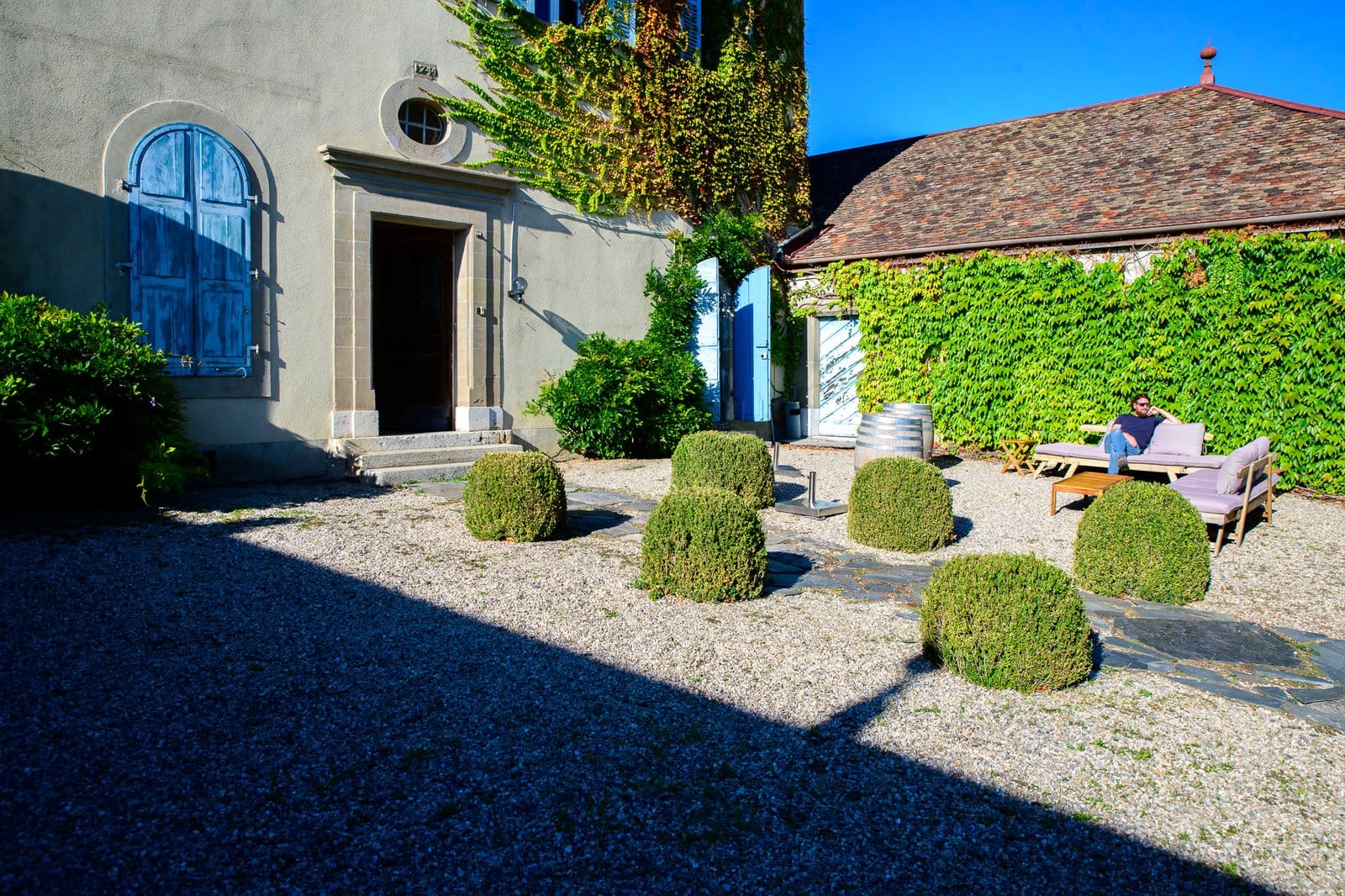
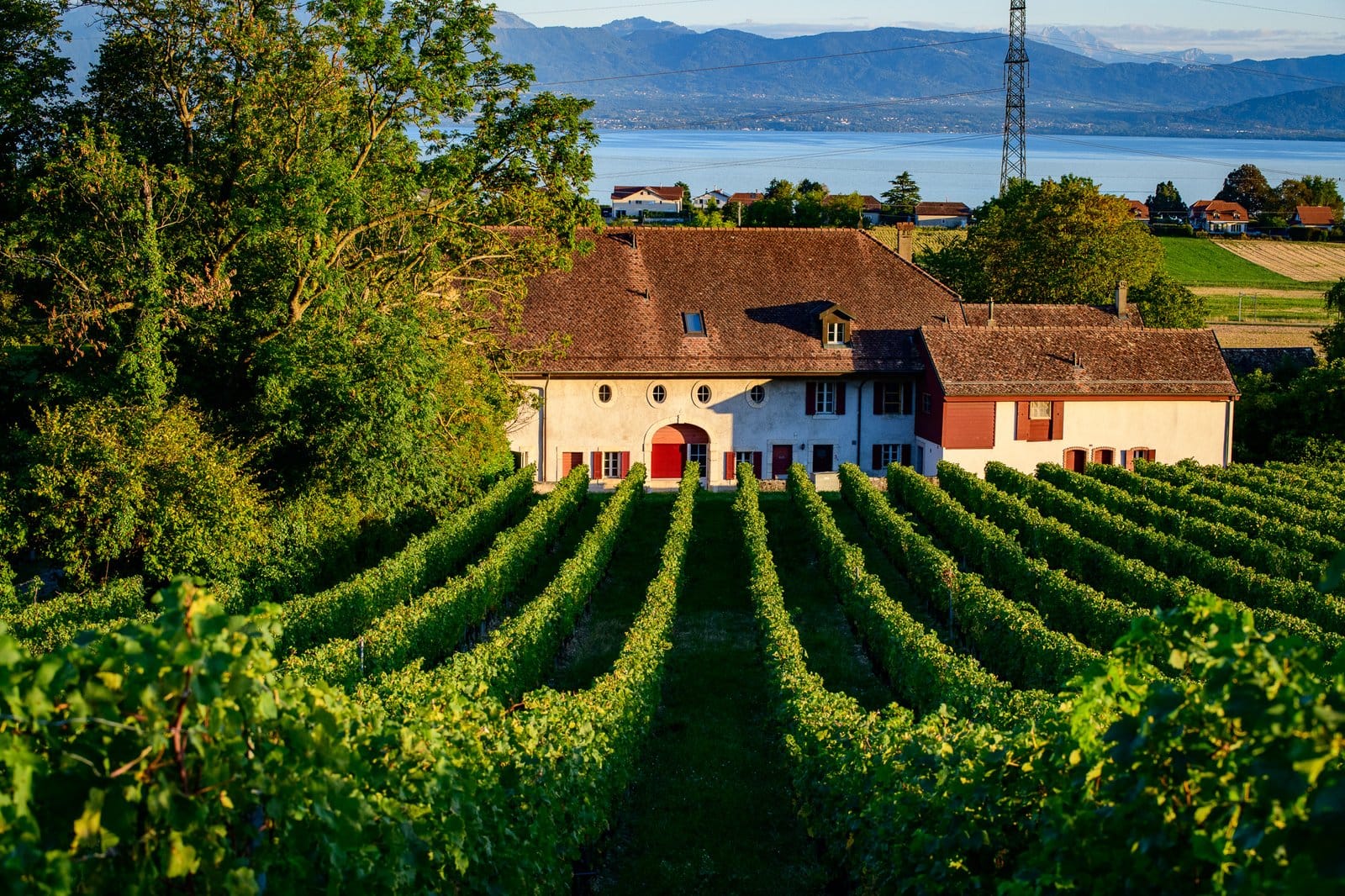
主要项目是将城堡改造成酒店,为葡萄酒旅游提供完美的着陆点,但他们也在考虑一些附加项目。他们想要再次居住的地方。
I don’t hide my awe at all the work involved and all the fronts on which Maxime must operate with such a small team. “Well, my dad always says that a business that stops investing is a business bound to die,” he says. “And I agree with him. One thing at a time – I try to see the big picture.”
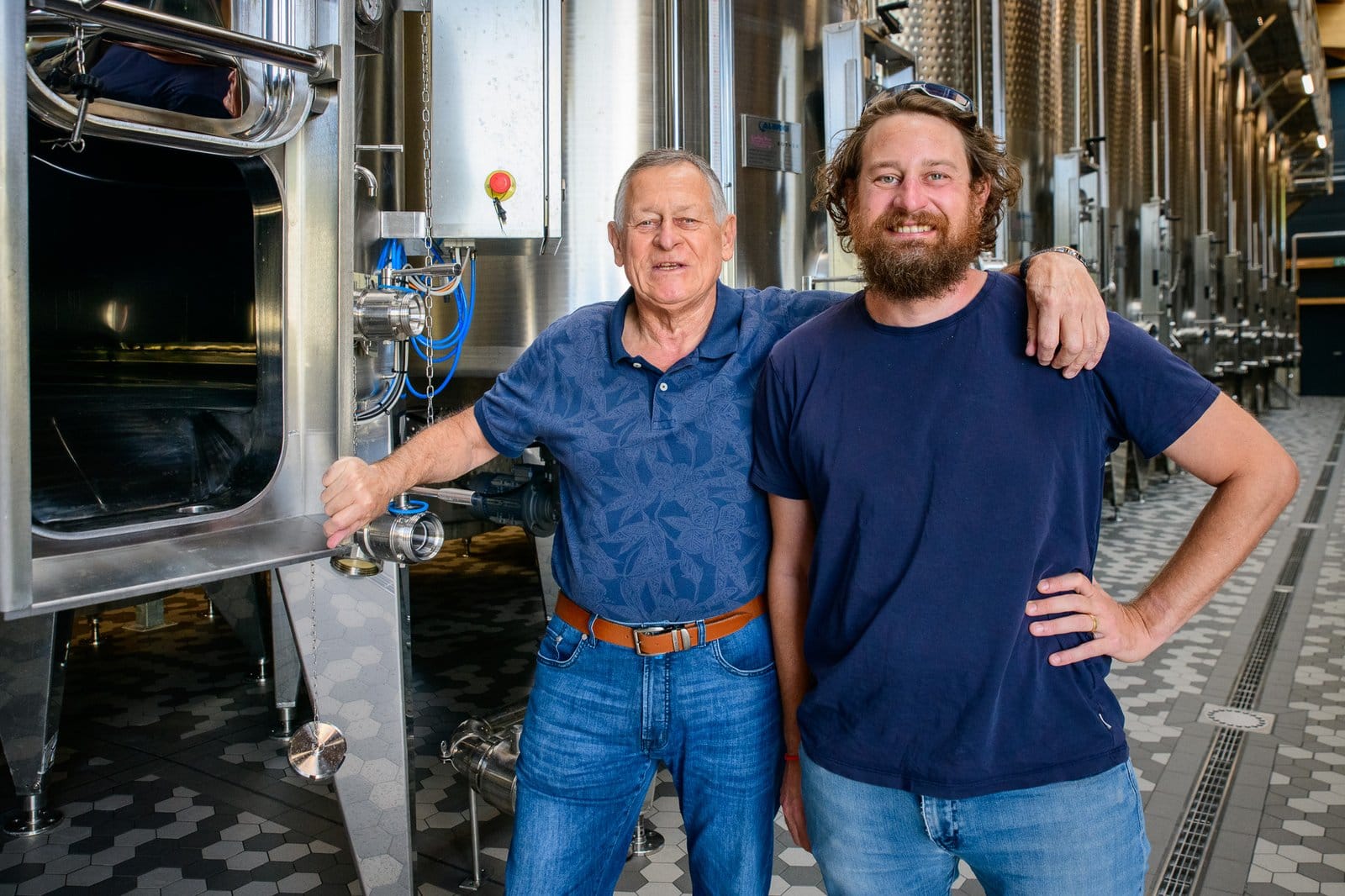
Speaking of his father, I got the chance to meet him in person as he was passing by the winery for the pressing of the year’s first grapes. An opinionated man of character, he did not hide his views on the issues they face with the restoration of the castle. He finds some of the rules around historical preservation frustrating, to say the least. “Why should a building that has been modified by every generation for centuries suddenly be required to freeze in the style it happened to have in the twentieth century? History didn’t just stop one day. If the people who lived there before us were allowed to adapt the building to their time, why shouldn’t we be allowed to leave a mark of this generation?” Continuity does not mean keeping everything exactly as it was, but rather allowing the story to continue.
There is definitely a strong family vision to all of this. The estate is not being developed as a collection of isolated projects, but as something closer to an ecosystem: vineyards, wine, barrels, buildings, hospitality, and truffles…in ten years, if things go well.
从沃州走向世界
显然,葡萄酒本身仍然是这一切的中心。
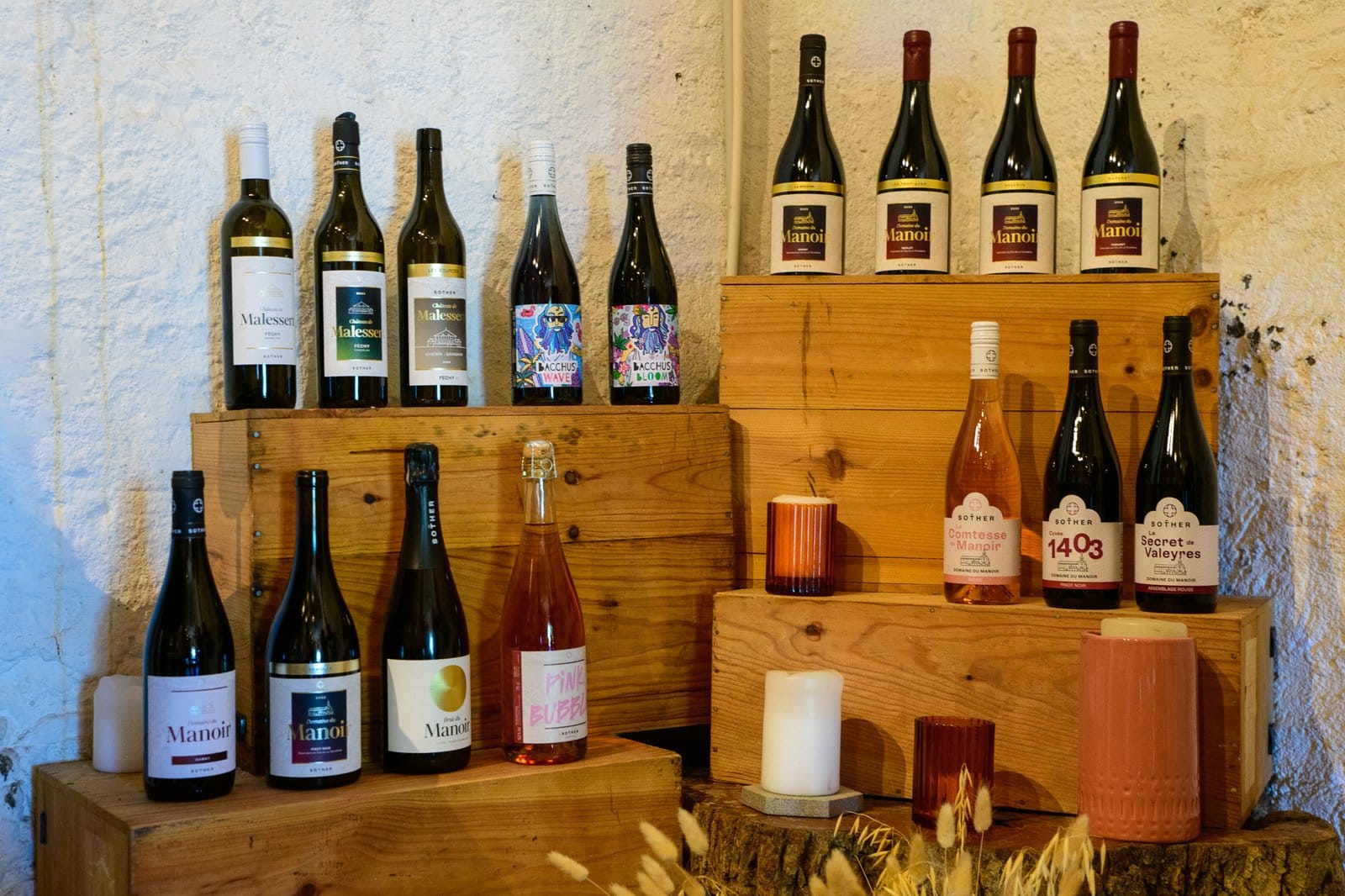
The Domaine du Manoir counts about 24 hectares of red plantings, and the red wines in the current range are effectively a new chapter, because the grapes are now being vinified and bottled by the estate itself.
The red range runs from entry-level to flagship, starting with Le Secret de Valeyres (2024, a blend of Gamay, Pinot Noir and Garanoir) and Cuvée 1403 (their first Pinot Noir) both vinified in tank, built for straightforward, fresh fruit. At the other end, En Biolex (2023, Pinot Noir from a single plot in the village of Champagne) shines with powerful elegance and La Bassine (2023, Gamay off deliberately poor marl soil) surprises with very deep black fruit. Both have aged in barrels from the estate’s own cooperage for12 and 15 months respectively.
The Château de Malessert, meanwhile, has 15 hectares dominated by Chasselas – the grape I now count myself a devoted fan of. Its two established white wines are mostly a continuation of tradition, which the family has carried on with their own vision and care. This continuity is also what allows their top Chasselas to carry the Premier Grand Cru Féchy designation, a classification with requirements a brand-new estate could never meet. To qualify, producers have to demonstrate consistency over time, and the wines are subject to blind tasting: the process looks at five vintages within a ten-year period, while each subsequent vintage has to pass the tasting to retain its place in the annual selection. It is therefore thanks to the consistent quality of vintages both from the previous owners and their own that Château de Malessert can be a Premier Grand Cru – a title that’s back in the ring for a blind tasting every year.
“Isn’t that stressful?” I ask Maxime. “Well, not really – we think that’s a good thing. People know it’s not a qualification you sit on forever. It rewards quality work and carries real weight.”
They also have a parcel of co-planted Chenin and Savagnin, an offering that moves beyond the traditional local white-wine model, which I’ve had the chance to try and found really great. But this one is already sold out in advance, as it’s a small production. “We mostly do this one for ourselves,” Maxime says.
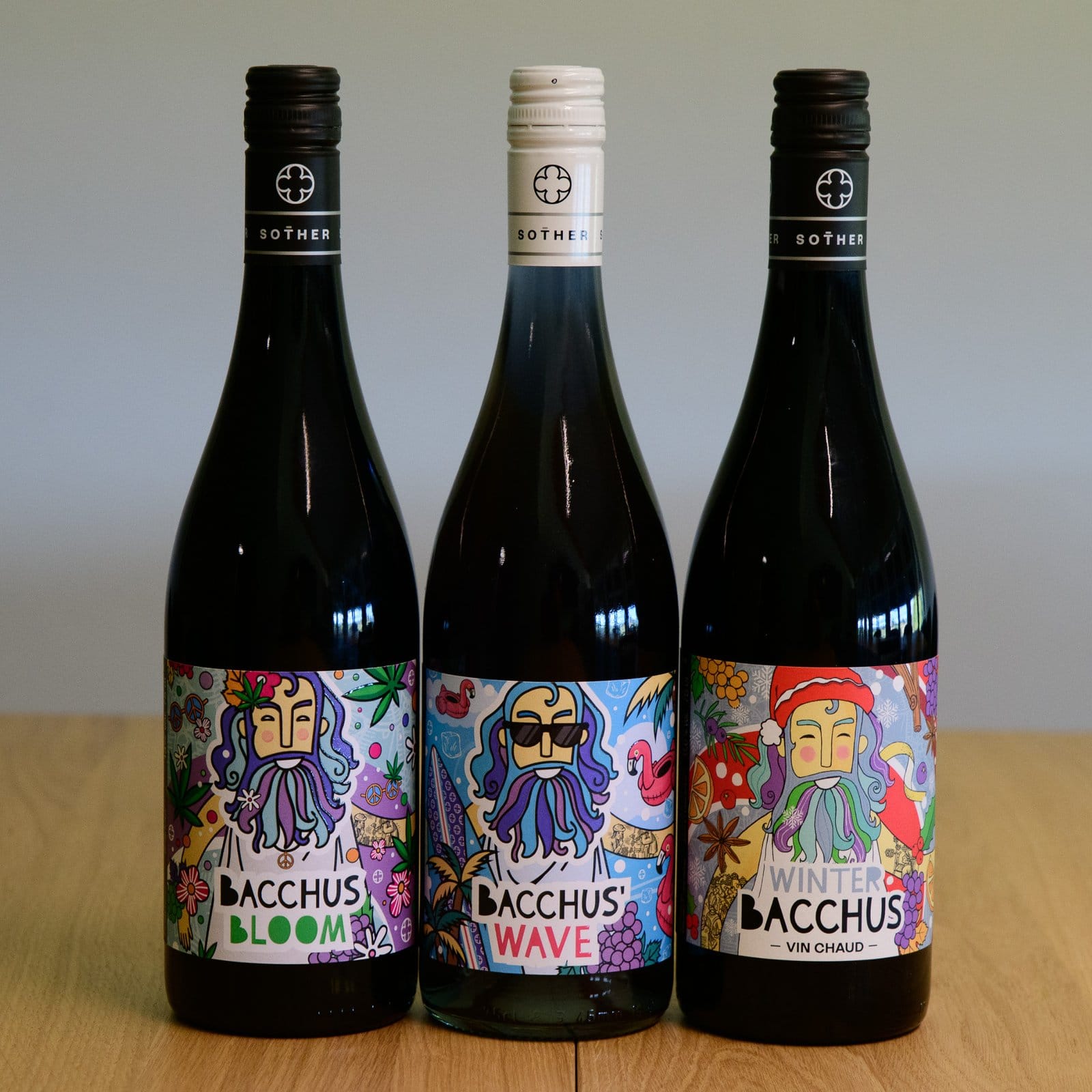
The Sothers are also having fun, and thinking outside the box, trying to get the younger generation more interested in wine. An example of this is Bacchus, a line of three products aimed at supermarkets, far removed from the traditional image of Swiss wine: Wave, a blue-coloured rosé, Winter, a vin chaud (mulled wine), and Bloom, a CBD-infused wine made with their own hemp grown in the Manoir’s garden.
I like to think I am open-minded, but my old-world reflex of tradition makes me scoff at it. However, it’s undeniable that the market needs to break free of our clichés and limitations. And that CBD wine makes for a fun alternative for a generation that’s mostly turned its back on classic wines and their dusty image. It really tastes of weed, too.
In the evening, as we sit outside the winery, keeping Amélie and Pierre-Olivier company while they wait for the grapes from the Manoir’s harvest to arrive, we open a couple of bottles from other producers. “That’s our tradition,” explains Pierre-Olivier. “During harvest, everyone brings bottles from everywhere, and we drink them together – for inspiration,” he laughs, before emptying his glass.
When chatting about the market and the decline in wine consumption, I tell Maxime I read some Swiss complain on LinkedIn about the low cost of foreign wines entering the Swiss market, and demanding higher tax on foreign wines. Maxime doesn’t like the idea. “It doesn’t make sense for foreign wine to become artificially expensive just to make Swiss wine look more affordable. People must choose our wines because they like them.”
The ambition is to sit roughly in the CHF 20-30 retail bracket, which Maxime sees as a realistic middle ground where Swiss wine can compete with Burgundy rather than trying to beat Spain or Chile on price. “And if the Swiss don’t buy enough wine anymore, we need to look at export.” These are not times when one can simply sit back and wait for wine to sell itself.
The 索瑟 wines have also started collecting the kind of credentials that help open doors. The estate has just received recognition from Gault et Millau, something Maxime says is particularly useful with restaurants and consumers who have never heard of their estate.
“Medals” are often the first question from an importer, he tells me. It is not necessarily the most romantic way to discover a wine, but in an increasingly crowded market, anything that gets the bottle through the door is useful.
Two estates, one team
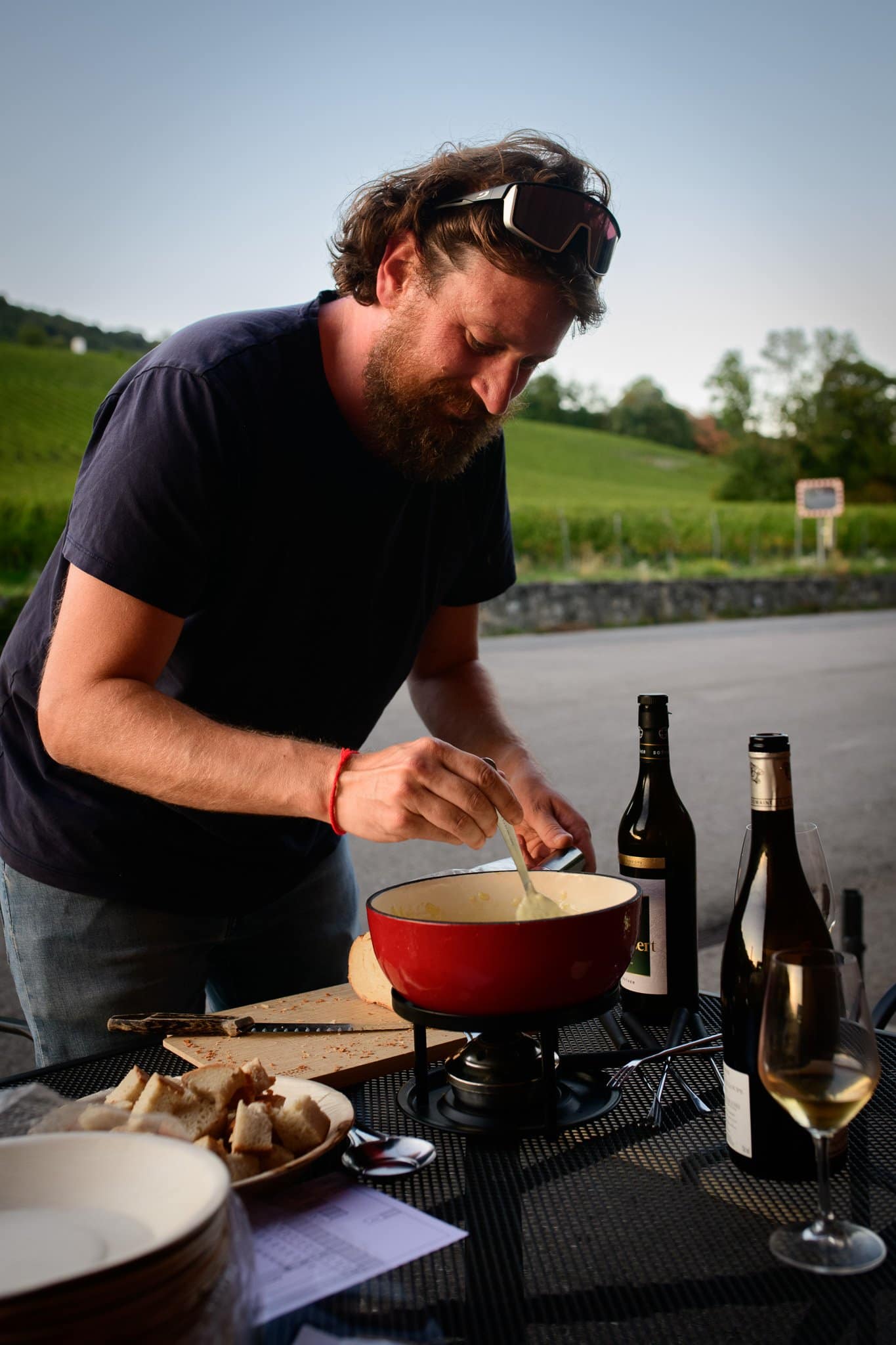
After a busy day in the winery, giving the very first care to the future vintages, interrupted by visitors and old friends looking to partake a little in the euphoria of harvest, Maxime still finds the strength to put together a little fondue for my send-off.
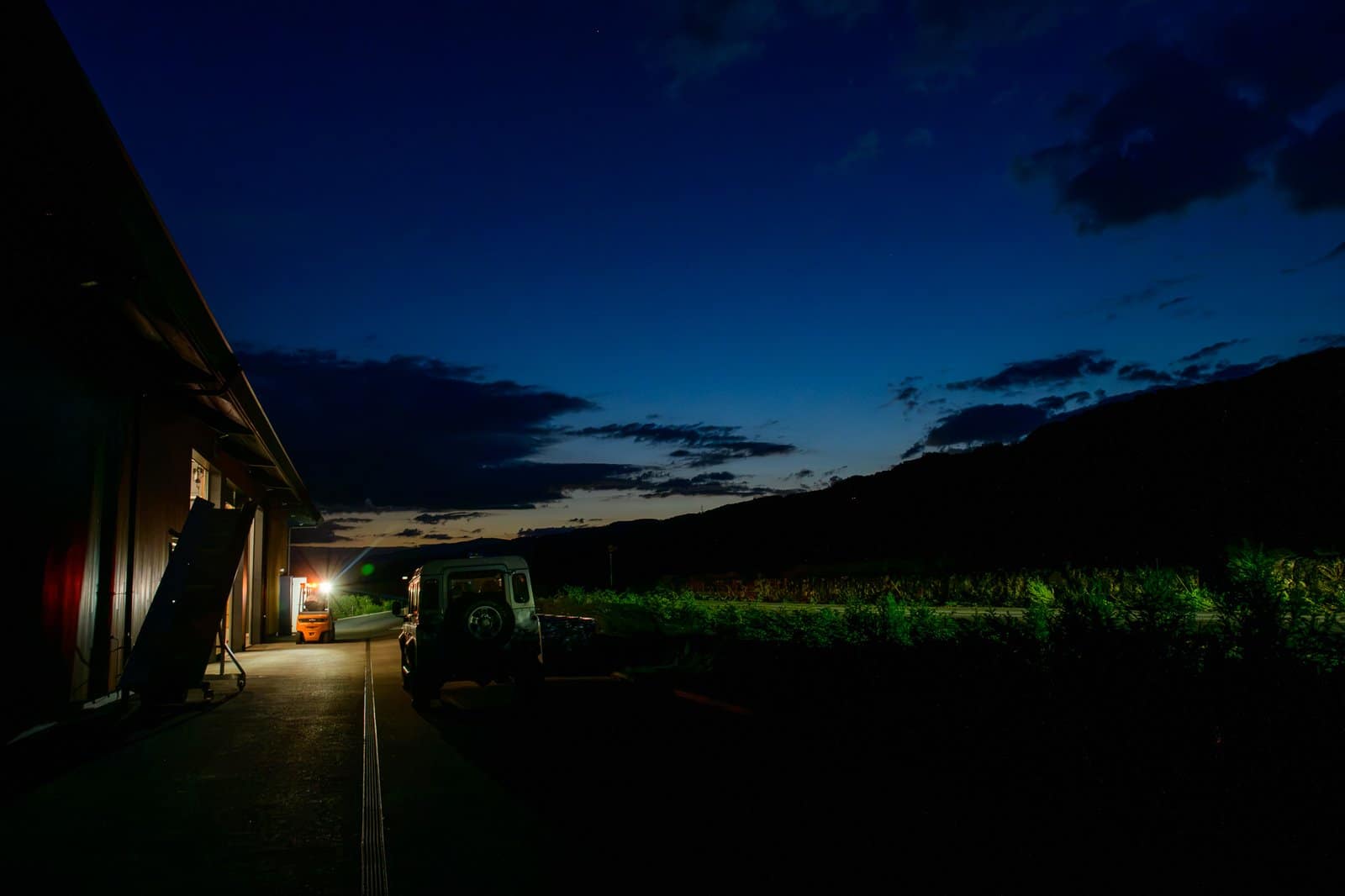
As we’re having a glass of wine, watching over the vineyards bathing in the sunlight of the late afternoon, I sigh, listing all the work ahead of them. Maxime says it’s less about worrying over what’s still to build, and more about registering everything they’ve already accomplished. Only that way can one find the fuel to move ahead.
The Sothers did not arrive in Vaud wanting to erase what was already there. They kept the people, kept the old wines that made sense, kept the buildings and the vineyards.
At the same time, they stopped selling grapes and built a winery. They planted new varieties. They created new wines. They built a cooperage. They planted a truffière. They are planning a hotel and looking at ways of getting Swiss wine further into the world.
Not bad for a relatively small family operation. And Maxime, gently stirring the fondue pot, seems happy and relaxed about it all.
At the end of the dinner, we talk about the tendency, especially in the Old World, to put the winemaker at the centre of the story. The person who tends the vineyard, makes the wine, and gets to be called the author.
Maxime grimaces, “I know I’m often expected to, but that’s not how we work. I don’t want to pose as the winemaker, because I’m more like a gestionnaire – I’m managing the whole thing. Our wine is really the product of our team, and of Pierre-Olivier and Amélie’s work. This is really something we create together. It is the work of many.”
There is a lot going on at 索瑟, and they are clearly only beginning.
Formidable expérience et super reportage