
프로와인 도쿄 2026
3번째 에디션이 포장되었습니다. 발견과 새로운 지평으로
Aurélien Foucault의 글과 사진

프랑스와 독일에는 다양한 상품을 제공하는 대형 파빌리온이 있었지만 나는 둘 다 제한된 시간을 보냈습니다. 프로와인 Tokyo는 아시아에서는 테이블이 거의 없는 지역에 대한 접근을 제공했으며, 저는 이 기회를 통해 그러한 와인을 맛보고 덜 알려진 지역에 대해 더 많이 배우고 싶었습니다. 나에게는 이것이 이벤트의 주요 매력이었습니다. 우루과이, 세르비아, 조지아, 루마니아, 그리스와 일본 와인 자체가 모두 제가 그곳에서 시간을 최대한 활용하고 모든 사람과 시간을 보낼 수 있는 기회를 얻을 수 있는 이유였습니다.
우루과이 파빌리온을 조금 더 길게 둘러보았는데, 이에 대해서는 별도의 글에서 다루도록 하겠습니다. 다음은 프로와인 도쿄 2026에 대한 내 메모 중 일부입니다.
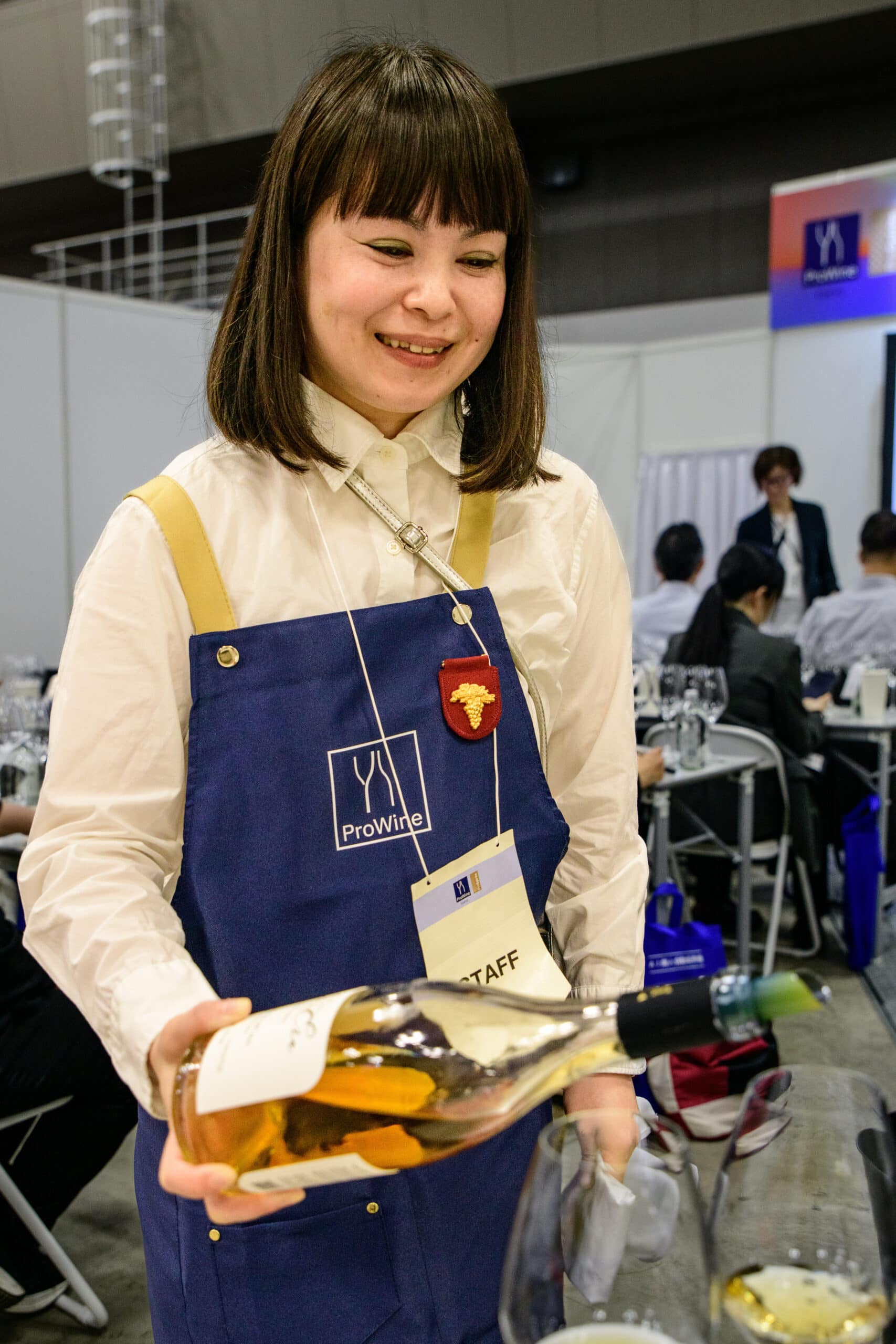

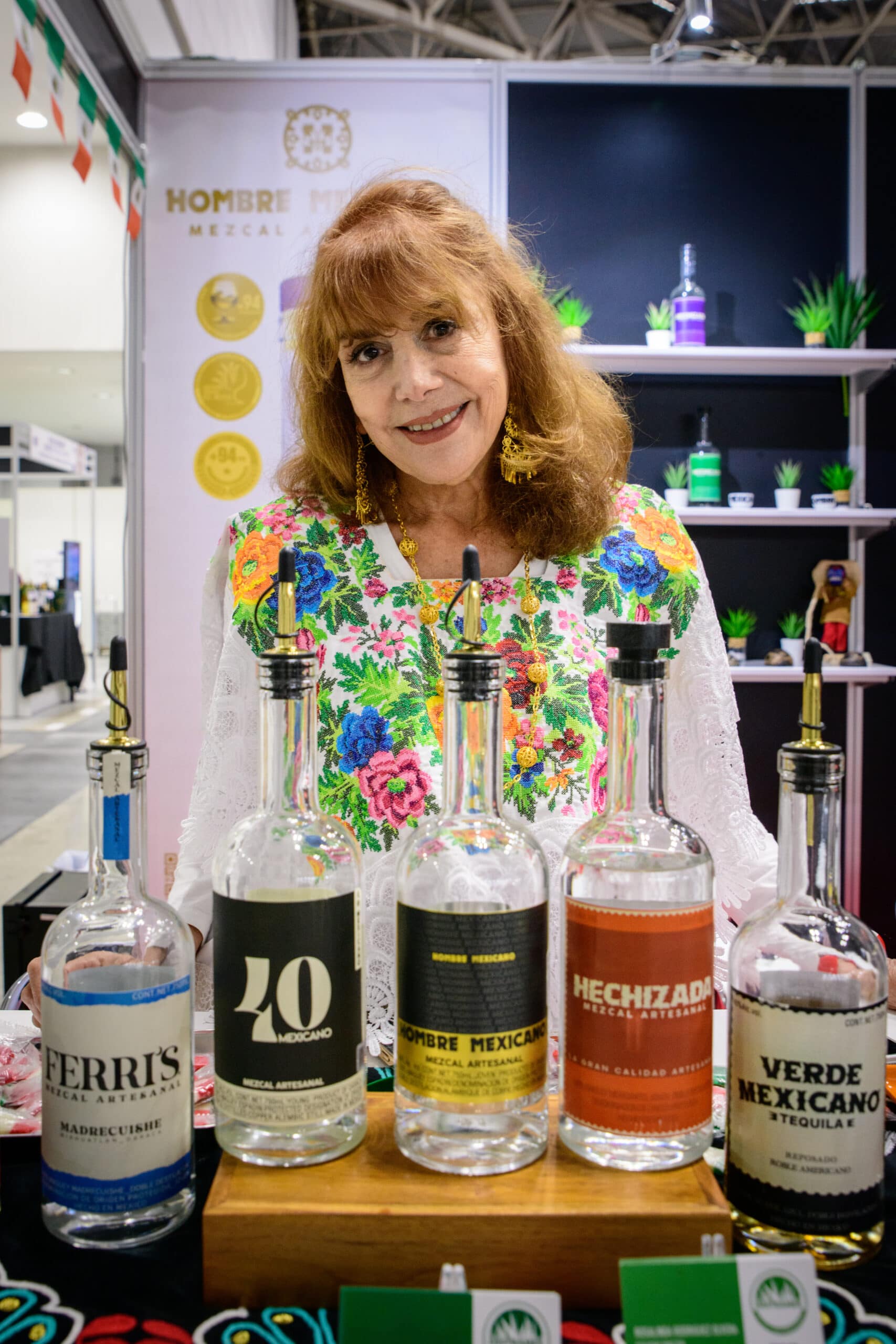
노로우(NO-LOW) 제품
업계가 계속 반복함에 따라 시장은 무알코올 또는 저알코올 음료 쪽으로 이동하고 있으며 ProWine은 다양한 종류의 스파클링 탈알코올 '와인'을 제공하는 ZERO 코너를 통해 게임을 진행했습니다.
솔직하게 말씀드리자면 저는 무알코올 와인에는 전혀 관심이 없습니다.
완성된 와인에서 알코올을 제거하는 것은 나에게는 전혀 의미가 없습니다. 이는 에너지 소비가 많고 단순히 포도 주스를 알코올로 변환하는 것이 목표인 프로세스의 서커스를 만들고 이를 뒤집어 놓습니다. 담배를 피우지 않는 사람들을 위해 담배 없는 담배를 만드는 것과 비슷합니다. 무의미합니다.
하지만 나는 어떤 클래스를 갖고 있으면서도 맛도 좋고 개성도 있는 다른 제품을 열심히 만드는 사람들에 더 관심이 쏠린다. 따라서 술을 마시지 않는 사람들이 십대처럼 느껴지지 않으면서 식탁에 함께 갈 수 있는 가능성을 제공합니다. 제가 와인바에서 일했는데 고객이 자신이 탄산음료를 마실 수 있도록 와인잔을 주면서 나에게 단호하게 감사를 표했던 때가 생각납니다. 그녀는 군중과 크게 다르지 않게 보이거나 화려한 캔과 빨대를 가지고 어린아이처럼 느껴지지 않을 것입니다.
추진력을 얻고 있는 혁신적인 제품 중 하나는 스파클링 티입니다. 저는 프로와인 Tokyo에서 두 가지 흥미로운 제안을 맛보았습니다.
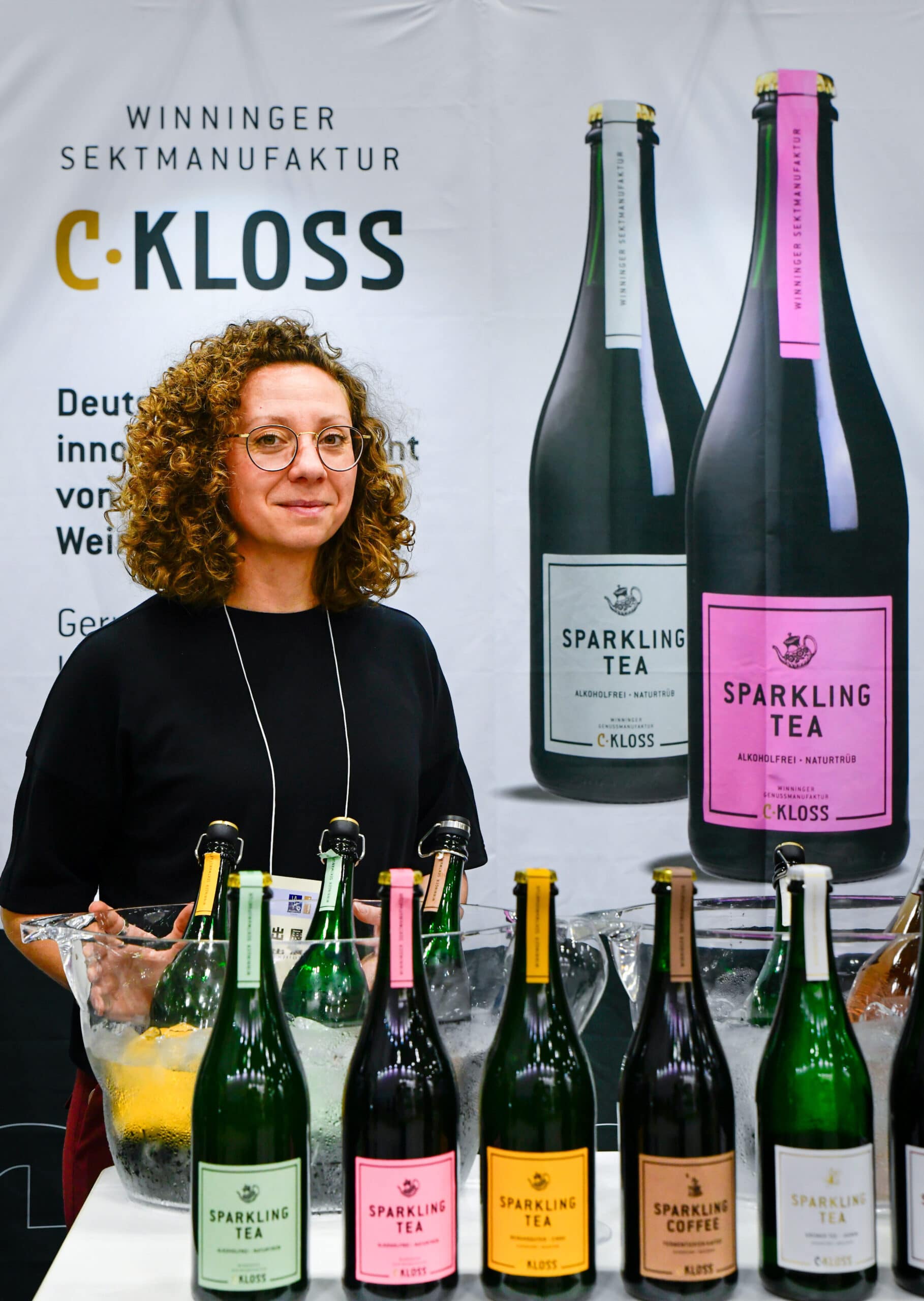
첫 번째는 C-클로스, Mosel의 Winningen 출신 프로듀서. 1856년 Freyburg an der Unstrut(현재 Rotkäppchen-Mumm 그룹의 일부)에서 설립된 독일 최초의 스파클링 와인 하우스 중 하나인 Kloss & Foerster를 공동 창립한 Julius Kloss의 증손자인 Christian Kloss는 오래된 Sektkellerei von Canal을 인수하면서 2022년 말에 이 사업을 시작했습니다. 스파클링 티는 무알코올 와인과 완전히 다른 논리를 바탕으로 만들어졌습니다. 이 차는 중앙 유럽 허브, 과일, 야채, 심지어 콤부차 등 발효된 지역 재료로만 만들어지며 전혀 알코올을 사용하지 않습니다. 설탕 함량이 상대적으로 낮고(리터당 30~40g, 전적으로 재료 자체에서 공급됨) 합성 방부제가 없으며 2024년에 Falstaff 가격 품질 상을 수상했습니다.
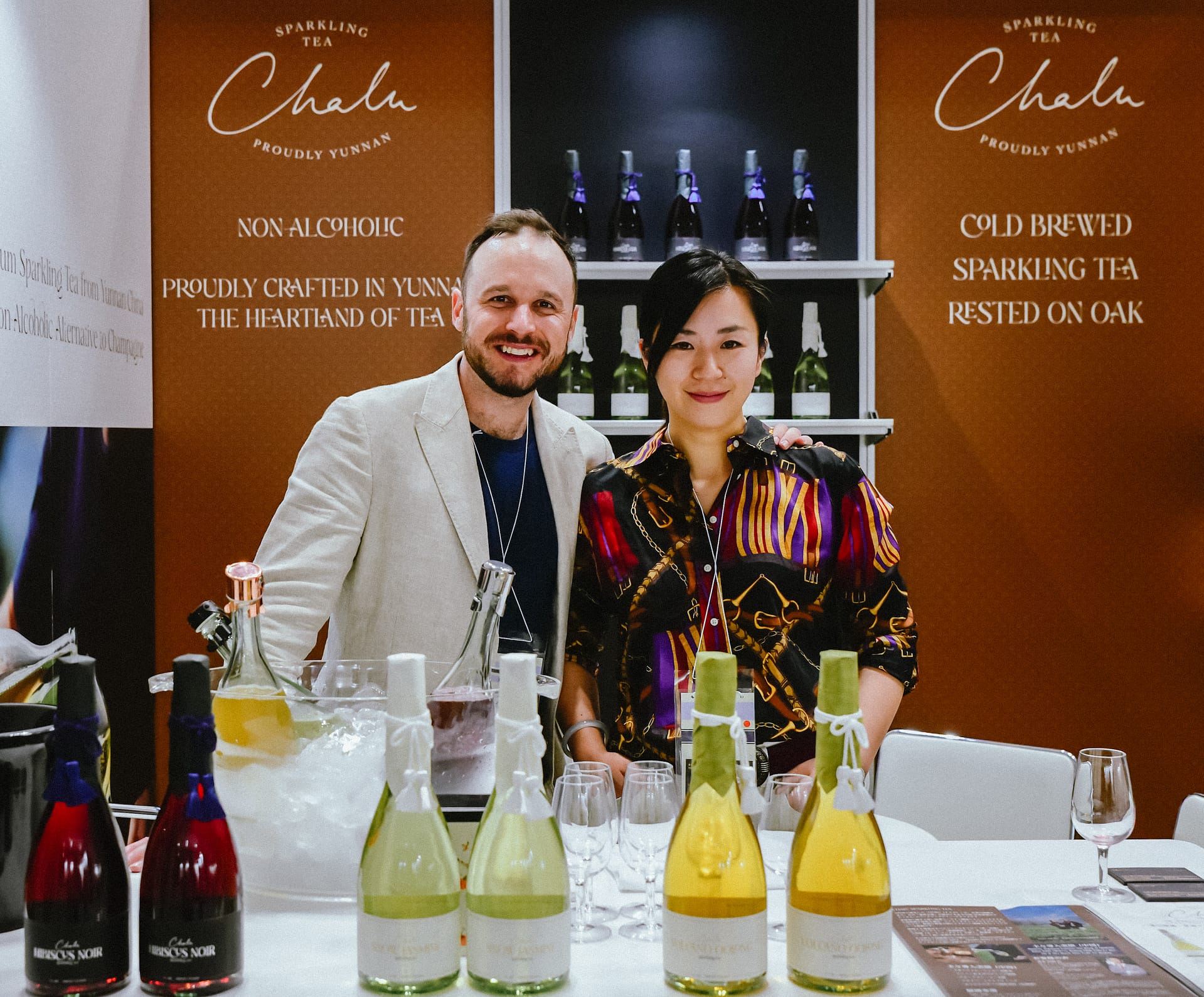
Snow Jasmine은 '향'이라고 부르는 과정을 통해 차와 신선한 자스민 꽃을 1:1 비율로 주변 온도에서 7번 주입합니다.
볼케이노 우롱(Volcano Oolong)은 세 가지 종류의 우롱차(녹색, 황금색, 검은색)로 양조되며, 그 자체로 진정한 빛을 발하는 구조와 복잡성을 제공합니다. 이것은 제가 진지하게 고려해 보고 싶은 병입니다. 그리고 확실히 시내에서 잔으로 마시는 스파클링 와인의 절반 이상을 즐길 수 있습니다.
이 음료는 세계에서 가장 오래되고 가장 독특한 차 지역 중 하나의 떼루아에서 만들어졌으며 진정한 개성을 표현합니다. Chalu는 이미 베이징에 있는 미슐랭 스타 레스토랑 2곳에서 제공되고 있으며, 특히 고품질 차 문화가 더 널리 퍼져 있는 시장에서 면밀히 관찰할 가치가 있는 제품입니다.
세르비아 와인
세르비아 전시관은 와인과 증류주 측면에서 세르비아가 제공해야 하는 다양한 제품을 제공했습니다. 6명의 프로듀서가 커다란 센터피스 스탠드를 공유하는 등 유쾌한 에너지가 맴돌며 시간을 보내기에 좋은 장소였습니다.

어떤 사람들은 세르비아를 '신흥' 와인 생산지로 보지만 실제로는 구대륙의 일부이며 그들은 수세기 동안 와인을 생산해 왔습니다. 하지만 구 유고슬라비아 국가의 와인 제조 맥락을 이해하는 것이 중요한 이유가 있습니다.
티토의 지도력 하에서 와인 산업은 완전히 집단화되었습니다. 포도 재배자들은 수확물을 정부가 정한 가격에 킬로 단위로 국가 협동조합에 판매해야 했고, 개인 생산은 중단되었으며, 품질보다 양이 우선시되었습니다. 유고슬라비아는 티토가 스탈린과 분열한 이후 집단화를 풀기 시작했고 1953년에 이를 공식적으로 포기했지만 국영 와이너리는 그 이상으로 계속 지배권을 유지했습니다. 공산주의가 몰락한 후인 1990년대에야 개인 와인 양조가 다시 합법화되었습니다. 즉, 가족 소유의 품질 중심 농장이 세르비아에서 거의 한 세대 밖에 되지 않았다는 뜻입니다.
라스타 와이너리 그러한 시기에 무엇을 성취할 수 있는지 보여주는 아름다운 예입니다. 2013년 세르비아 중부 레바치 지역에서 설립된 이 회사는 세르비아 샤르도네와 피노 누아에 대한 훌륭한 주장을 펼치고 있습니다. Levač은 슈마디야 남부에 위치하고 있으며 Juhor 산의 시원한 기류와 함께 대륙성 기후로 인해 Burgundy의 Mâconnais의 따뜻한 끝 부분과 비슷한 영역에 있습니다. Lastar는 32헥타르 규모의 1976년부터 초기 출시의 중추를 제공한 오래된 피노 누아 포도나무를 보유하고 있으며 샤르도네로 2016년 첫 번째 Mundus Vini 상을 받았습니다. 피노 소피진 이즈보르는 디캔터가 국가를 평가한 역사상 가장 높은 평가를 받은 세르비아 피노 누아라는 구별을 갖고 있다. 인프라는 고급입니다. 중력 흐름 와이너리, 프렌치 바리크 및 헝가리 오크, 엄격한 녹색 수확 등 이곳은 큰 잠재력을 가진 지역입니다.
비티 와이너리, Vojvodina의 Fruška Gora 경사면에 있는 Beška에서 보다 전통적인 접근 방식과 우수한 고유 포도를 보여주었습니다. 이 와이너리는 미네랄이 풍부한 판노니아 바다 퇴적 토양에 자리잡고 있으며 두 가지 계층으로 운영됩니다. 조기 마시는 라인과 프리미엄 셀렉치야(Selekcija)는 가장 오래된 포도나무로만 만들어지며 오크통에서 2~4년 숙성되고 여과되지 않은 상태로 병입됩니다. 카사 데 오로 프로쿠팍(Casa de Oro Prokupac)이 가장 눈에 띄었지만, 이 지역에서 오랜 역사를 지닌 또 다른 고유 품종인 탐자니카(Tamjanika)도 맛 볼 가치가 충분합니다.
밀란 자리치, 존경받는 국제 심사위원이자 Zaric Distillery의 소유주인 가 라키자를 데려왔습니다. 증류소는 서부 세르비아의 Kosjerić에 있는 오래된 Povlen 브랜디 하우스 부지에 있으며, 밀라노는 전국에 걸쳐 약 100개의 하청업체로부터 과일을 공급받습니다. 그들의 배 라키자 너바나(rakija Nirvana)는 라스베거스에서 열린 WSWA 컨벤션에서 두 배의 금메달을 획득했으며 2020년 브뤼셀에서 열린 Concours Mondial의 Spirit Selection에서 세계 10대 증류주에 포함되었습니다. 그들은 매년 약 백만 병을 생산하고 맛이 너무 좋아서 이른 아침에 뱉어내야 했던 것을 후회할 정도로 맛이 좋았습니다. 그리고 와인보다 훨씬 더 강했습니다.
포드럼 페바츠, 는 중앙 세르비아의 Cvetojevac 마을에서 설립자이자 증류의 대가인 Aleksandar Stankovic이 이끄는 가족 기업으로, 병 양쪽에 걸쳐 9개의 와인 라벨과 함께 20개 이상의 라키자와 리큐어 표현을 보유하고 있습니다. 시그니처 작품은 식용 가능한 23캐럿 금박으로 마무리한 모과 브랜디인 즐라트니 페박(Zlatni Pevac)으로, 아시아 시장에서 큰 주목을 받을 것입니다.
즈본코 보그단 와이너리 그 이름은 Zvonko Bogdan 자신의 이름에서 따왔습니다. Zvonko Bogdan은 세르비아 전통 노래를 부르는 유명한 가수이자 화가이자 시인이자 2008년부터 와인 메이커이기도 한 인물입니다. 65헥타르 규모, 13개 라벨, 400,000병 이상의 생산량을 자랑하는 이 와이너리는 보이보디나 최북단 와인 산지인 수보티차 근처 팔리치 호수 동쪽 해안에 자리잡고 있으며 조용히 세르비아에서 가장 유명한 생산자 중 하나가 되었습니다. Cuvée No. 1은 2018년, 2019년, 2021년에 3회 연속 Decanter World Wine Awards Gold를 수상한 유일한 세르비아 와인입니다.
알렉산드로비치 와이너리, Topola 근처 Oplenac에서 75헥타르를 작업하며 부스에 있는 사람 중 가장 오랜 제도적 기억을 가지고 있습니다. 가족과 포도 재배의 인연은 증조부 Milios Aleksandrovic이 지역 최초의 와인 재배자 협동조합 설립을 도왔던 1903년으로 거슬러 올라갑니다. 제2차 세계대전 후, 왕실 와인 저장고 장인인 Zivan Tadic는 캐나다로 이주했고, Aleksandrovic 가문이 Oplenac 전통을 부활시키고 있다는 사실을 알고 한때 유럽 궁정에서 사용되었던 세르비아 왕실 와인인 Triumph의 오리지널 레시피를 그들에게 보냈습니다. 이 현대적인 와이너리는 2000년에 지어졌으며 현재 연간 300,000병 이상의 병을 생산하고 있습니다.
이 모든 와이너리는 세르비아 와인이 현재 대부분의 아시아 구매자의 고려 대상이 아니지만 품질이 좋고 가격이 적절하기 때문에 곧 바뀔 수 있음을 보여주는 데 확실히 도움이 되었습니다.
루마니아
일본 와인
나는 또한 일본 와인에 대해 더 많이 배우고 싶었지만 참여하는 몇몇 와이너리는 홀 맨 뒤쪽에 있었고 표시가 다소 불분명했습니다. 하지만 부스에는 끊임없이 사람들이 모여드는 것으로 보아 큰 관심을 끌었다.

특히 나가노 지역이 인상 깊었습니다. 도메인 드 유노하라, 나가노의 니혼 알프스 와인 밸리에서.
델라웨어와 나이아가라(2025)의 블렌드는 캔디와 신선한 딸기 향, 물처럼 맑은 향으로 매우 상쾌했습니다. 약간 혼란스러웠습니다. 드디어 공공장소에서 눈에 거슬리지 않고 와인을 마실 수 있는 방법을 찾았습니다!
무스카트 베일리-A(Muscat Bailey-A)도 흥미롭고 가벼우며 일반적인 베리 향과 함께 망고 향이 가미되어 친구가 방문할 때마다 개봉되기를 기다리는 매우 쉽게 마실 수 있는 와인이었습니다. 그들은 또한 아주 좋은 사과주를 만들고, 바삭바삭하고 너무 달지 않습니다. 정말 훌륭합니다.
또한 나가노 출신, 호사카 쿄코 녹색 무화과와 약간의 멜론이 들어간 델라웨어 2023과 잘 익은 복숭아와 녹색 아몬드 향이 살짝 나고 견과류 향이 나는 델라웨어 오렌지 2024를 선보였습니다. 블랙베리 향이 살짝 나는 2022년 무스카트 베일리 A는 별로 인상적이지 않았지만 너무 묽고 집중력이 부족했습니다.
마로 와인, 홋카이도 출신인 는 좋은 산미와 은은한 긴장감, 그리고 어느 정도 대담함을 보여주는 샤도네이 2024를 선보였으며, 파워풀하면서도 우아함과 신선함을 보여주는 아름다운 배럴 에이징 샤르도네 2023을 선보였습니다. 피노 누아에는 신선한 핑크색 자두 향이 가미되어 있으며 절제된 성격, 기교와 섬세함으로 빛났습니다.
나 역시 매우 감동받았다. 키쿠카 와이너리 (큐슈 구마모토), 배럴 숙성된 메를로로 매우 짜릿한 느낌을 주며 오래 지속되고 세련된 마무리와 후추 향이 납니다. 이것은 내가 맛본 메를로와는 상당히 달랐습니다.
Jancis Robinson MW의 녹화된 비디오 마스터클래스 일본 와인의 현황, 프로그램의 일부로 실행되었습니다. 로빈슨이 직접 추천 와인을 선택하고 평가했으며, 동영상을 보면서 맛볼 수 있습니다.
대담한 뉴욕 와인
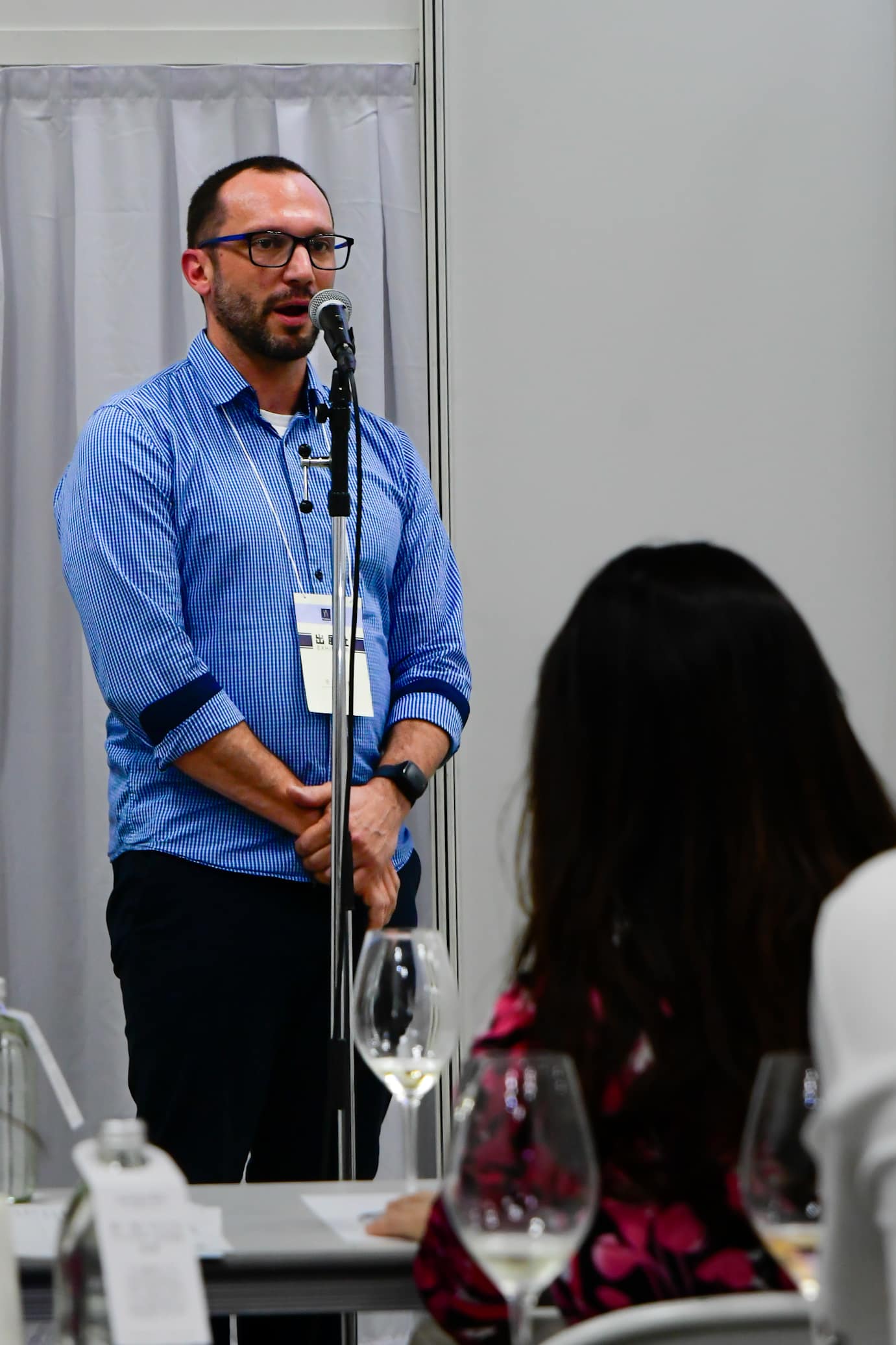
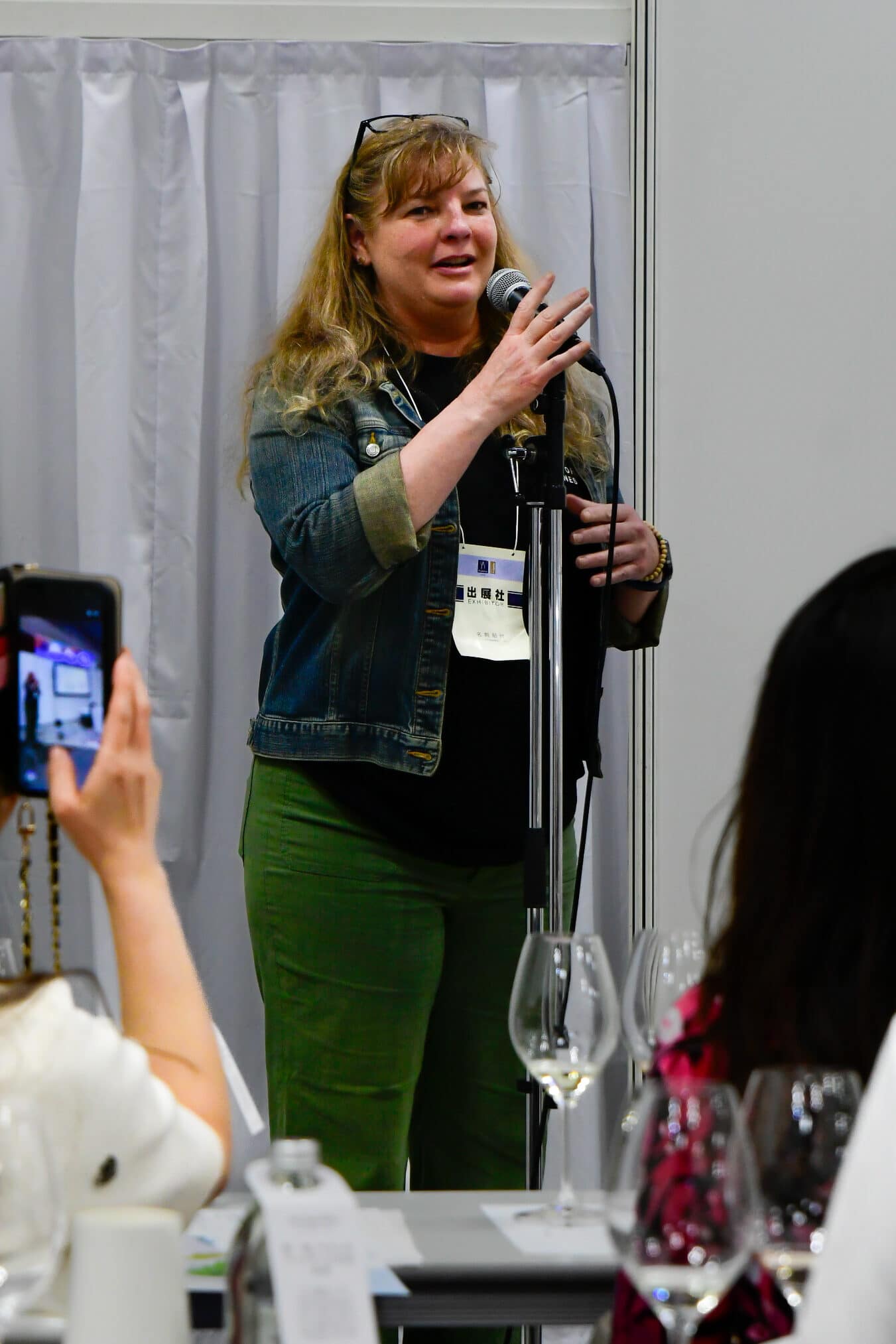
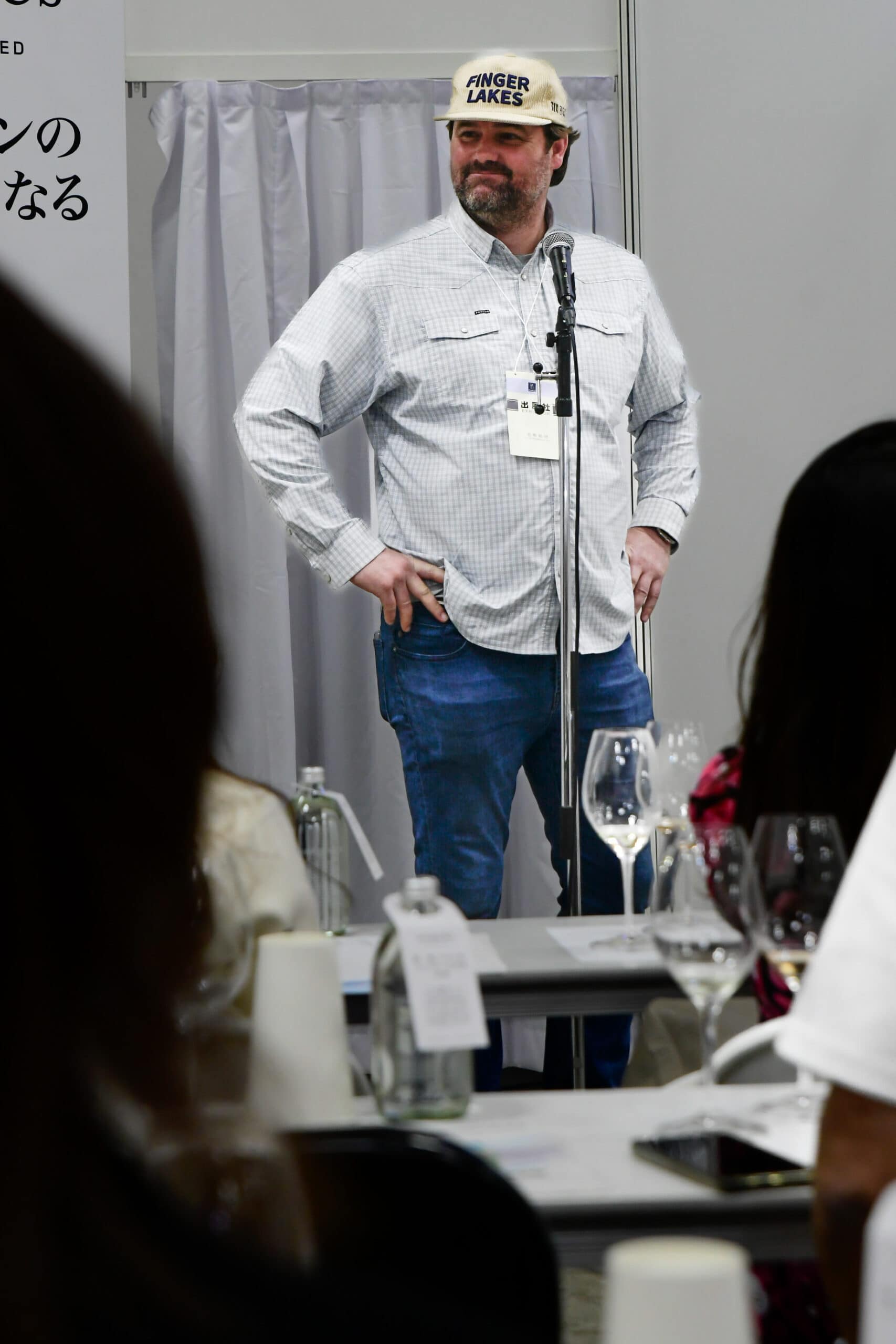

1985년 뉴욕 주 법령에 따라 설립된 뉴욕 와인 및 포도 재단(New York Wine & Grape Foundation)은 "Bold NY"라는 포지셔닝 아래 부스를 열었습니다.
NYWGF의 프로그램 이사인 Kyle Anne Pallischeck(Finger Lakes 출신으로 Court of Master Sommeliers 인증을 보유함)는 두 개의 Cayuga Lake 와이너리를 소유한 Dave Pittard와 함께 대표단을 이끌고 있었습니다. 버튼우드 그로브 로물루스에서는 식스 에이티 셀러 Ovid에서는 전국 영업 이사인 Kelly Ashford가 폭스 런 포도원 Finger Lakes와 Mario Mazza의 마자 셔터쿼(Mazza Chautauqua) 지하실 이리 호수에서.
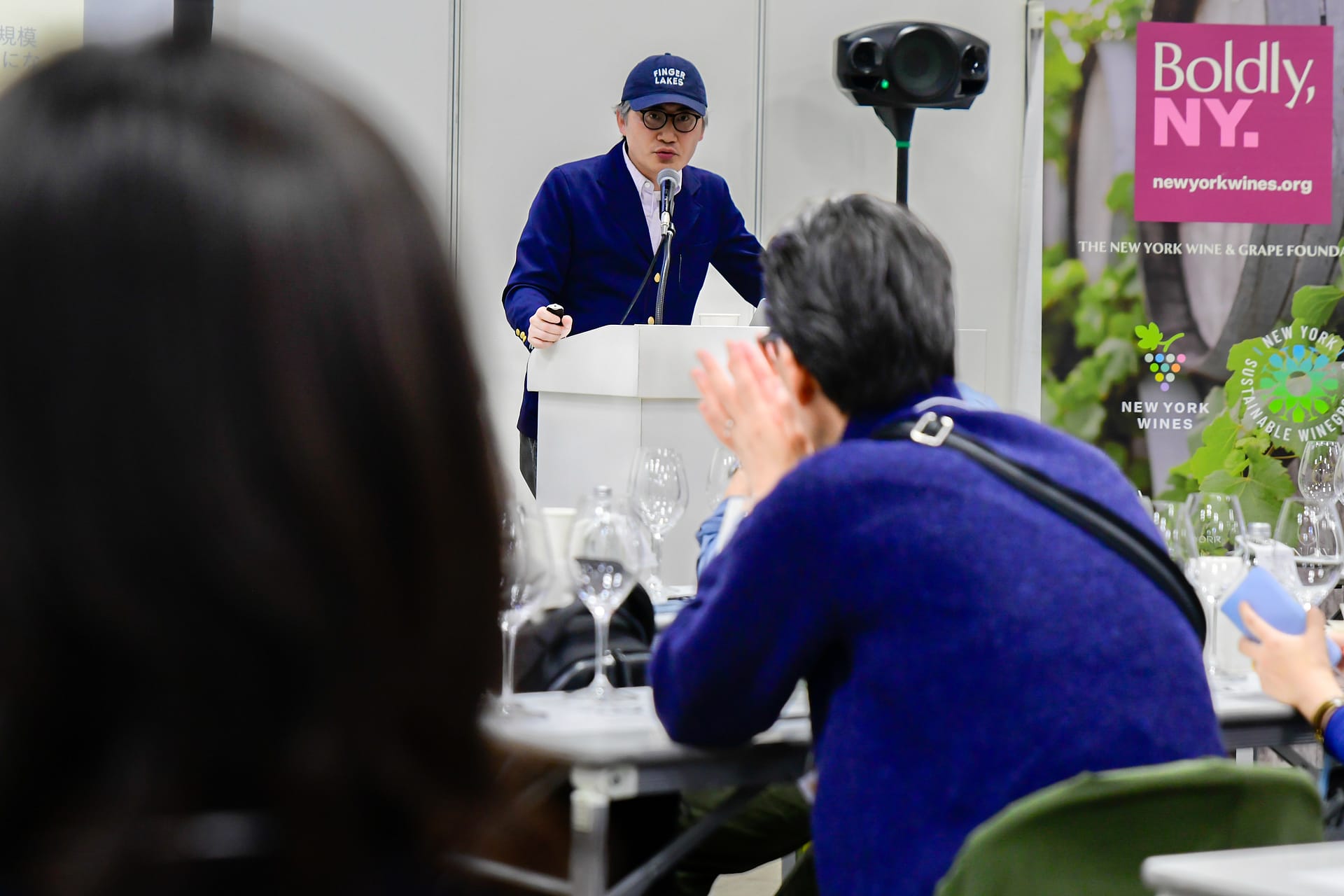
NYWGF 일본 사무소의 Takenori Beppu가 이끄는 마스터클래스에서는 가장 빠르게 발전하는 와인 산지 중 하나임에도 불구하고 아시아에서는 거의 알려지지 않은 지역에 대한 유익한 정보와 맛을 제공했습니다. 1976년에는 뉴욕의 와이너리 수가 19개에 불과했습니다. 현재는 시원한 기후의 Finger Lakes부터 해양 영향을 받는 Long Island에 이르기까지 7개의 서로 다른 AVA에 걸쳐 450개가 넘는 와인을 보유하고 있으며 약 40가지의 다양한 와인 품종을 다루고 있습니다. 그 중 3개는 미국 원주민 포도인 콩코드(Concord), 나이아가라(Niagara), 카토바(Catawba)입니다. 이 품종은 미국 농업 역사에 깊은 뿌리를 두고 있지만 유럽의 와인 제조 전통과는 거리가 멀습니다. 3개 중 가장 널리 재배되는 콩코드는 와인용 포도라기보다는 웰치 포도 주스와 미국 땅콩 버터 젤리 샌드위치의 젤리 뒤에 있는 포도로 더 잘 알려져 있습니다. 그러나 뉴욕은 가장 체계적이고 숙성에 적합한 와인을 생산하는 품종인 비티스 비니페라(Vitis vinifera)로 의도적으로 전환하는 중입니다. 그중 가장 인기 있는 품종은 리슬링(Riesling), 샤르도네(Chardonnay), 메를로(Merlot), 까베르네 프랑(Cabernet Franc)으로, 현재 뉴욕주의 '공식' 레드 와인 포도로 제안되고 있습니다.
아키타산(단시코 연구소 제작)
온갖 종류의 병이 가득 차 있는 작은 부스 뒤에서 나는 다소 감동적인 이야기를 발견했다. 아키타산 (made-in-akita.com) – a curated platform representing sake, beer, cider, and spirits from Akita Prefecture.

“Geographically, Akita is not easily accessible from major cities like Tokyo or Osaka,” explains Takuya Iwata, the founder. He originally came to Akita intending to acquire a brewery, but after meeting with the locals and taking in the spirit of the place, something shifted. “While it is one of Japan’s leading regions for producing high-quality goods, it remains overlooked, and the population is declining faster than anywhere else in the world. Seeing industries struggle in such an environment made me realise something – I felt a strong urge to take these products to the world on behalf of the producers who work tirelessly to create them.” Akita is indeed the prefecture with the highest proportion of elderly residents in Japan – 38.6 per cent of its population is aged 65 or older – and faces a projected population loss of 41 per cent by 2045. It is 집 to generations of talented sake and beer artisans, but those artisans were ill-equipped to adapt to modern forms of trade and export. Rather than extract a single asset, Iwata and his CMO Shohei Nagashima decided to build around the situation and become the bridge that would bring Akita’s products to the outside world. 아키타산 now provides the export platform, the curation, and the international positioning that these producers would otherwise have no practical pathway to achieve. Iwata’s stated ambition leaves little room for ambiguity: “When people hear ‘Japan,’ they think of a special country. ‘Tokyo’ brings to mind a cutting-edge metropolis, ‘Kyoto’ represents tradition, and ‘Kobe’ is synonymous with world-class steak. I want to create a world where hearing the name ‘Akita’ immediately triggers the thought: ‘That’s where the best drinks in Japan come from.'”
At their booth visitors could sample sake from multiple Akita houses, a gin called Taiheizan GIN No 65, and apple cider and sparkling pear under the brand mia, presented with the modern look of natural wine. An interesting find was oga. GOSHADO, a wild sour ale brewed on Oga’s rugged coast using sea salt and native microorganisms in the style of a Belgian lambic – a brand created by Danshiko Lab themselves, based on a product originally crafted by a local brewer they invest in, and completely rebranded for the international market. It is exactly the kind of product the project is built around: exceptional local craftsmanship, reshaped into something that travels.
Their flagship sake range is OKD, from Okuda Sake Brewery founded in 1673 – a house that has been making sake through the entire arc of modern Japan, from the Edo period through two world wars and the collapse of the Soviet Union, and is now reaching international trade buyers for the first time. Alongside it sit Dainagawa Junmai Ginjo, Chitosezakari Junmai Daiginjo, Okuda’s Chiyomidori, and Chokai Homare – each a distinct producer from across the prefecture, each representing a different facet of Akita’s brewing tradition. Everything I tasted was top quality – and I can’t recommend them enough.
GREECE: NOSTIMIA AND ALPHA ESTATE

The Greek Chamber of Commerce in Japan and the importer Nostimia – 有限会社노스티미아 – organised a masterclass on Greek wine, to be delivered in Japanese. Since I don’t speak Japanese, Marina Fragkis, who has been the company’s chief buyer since joining in 2020, ran me through the same tasting in English and I am so grateful to her for being so generous with her time.
Nostimia was started by her father in 2001, when there was simply nothing Greek in the Japanese wine market. Marina studied biology in the UK and decided to join the family company at 22. She now travels to Greece once a year to visit their suppliers and bring her first-hand experience and their stories back for the Japanese trade. Today, Greek wine accounts for 0.43 per cent of all wine imported into Japan – and that’s a situation it encounters often with the countries it exports to and that will only change with more educational work and the creation of opportunities for consumers to experience these wines.
We tasted four. A single-variety Assyrtiko (2024), by Karavitakis winery in Crete, kept at low temperature after harvest, macerated, then fermented in stainless steel. Assyrtiko has a tendency to retain acidity even in very hot climates like Crete, which gives it a citrus and mineral profile with real persistence.
ΑιΩ Marbled Malagouzia 2024, by Sacred Mountain winery in Halkidiki: aged in tanks built from marble: the marble’s micro-porosity allows slow micro-oxygenation, which the winemaker uses deliberately to smooth the texture. The result is round, floral, and expressive – white peach, herbs, fresh acidity – with a softness that is specific to this winemaking choice.
The third was the single variety Xinomavro “Hedgehog” 2023 from Alpha Estate in Amindeo, grown on sandy soils over limestone, surrounded by lakes that moderate the continental climate of north-western Macedonia. Light-bodied and elegant, with a slim structure, fresh acidity, red fruits and tomato.
The fourth wine was Thelema 2021, a 50/50 blend of Mavrotragano and Xinomavro from Zin Ideos Winery, in Halkidiki. Full-bodied, the two grape varieties were vinified separately then matured for 18 to 24 months before blending. Mavrotragano originates in Santorini, where it had nearly disappeared before being revived – it brings coffee, smoke, red fruits, and minerality to the blend. Rich and layered, this is a wine that works on its own as much as with food.
Next to the lovely family-owned importers of Nostimia, I was happy to find the only Greek winery I had had the chance to try in Vietnam: Alpha Estate. Founded in 1997 by viticulturist Makis Mavridis and oenologist Angelos Iatridis, their 220 hectares in Amyndeon are entirely privately owned, and the daughters of both founders – Angeliki Iatridou and Emorfili Mavridou – are now actively part of the team, carrying the project into its second generation.

Amyndeon sits in the far northwest of Greece, close to the borders of Albania and North Macedonia, hemmed in by three mountain ranges, as far from the coast as Greece can be and with a fully continental climate – cold winters, dry summers, with wide variation between day and night temperatures. It is possibly the coolest place in Greece to grow grapes. The vineyards themselves lie on a plateau between 600 and 700 metres of altitude, on soils so sandy that phylloxera was never able to invade. One plot, Barba Yannis, dates back to 1919 and still shows ungrafted pre-phylloxera specimens producing on their original roots.
Their range covers both indigenous varieties such as Malagouzia, Assyrtiko and Xinomavro, and international ones. Their higher tier, sourced from single vineyards and single blocks, 특징 on its labels the animals known to visit these particular plots. I was particularly impressed by their single block wines, such as their Assyrtiko ‘Aghia Kiriaki’ and their Malagouzia ‘Latipes’, which both demonstrated excellent balance and splendid notes of stone fruits, as well as a certain creaminess I would have loved alongside some grilled octopus and lemon chicken.
Some of Alpha Estate’s wines are currently available in Vietnam through Warehouse and the Annam Group.
GEORGIAN WINES
The Georgian pavilion was one of the biggest draw for me, mostly because of my personal attachment to the country and their wines. The booth was shared by 7 와이너리: Binekhi, Brother’s Avaliani, Gurgenidze family, Mesaubre, Bimbili, Royal Ikalto, and Vine Era.
A masterclass they called “New Generation Wines from Georgia”, was led by David Tamarashvili (CEO and Owner of Vine & Wine group) and Konstantine Tchanturia (Sommelier of the Binekhi team).

As most people know by now, the country of Georgia currently holds the title of the cradle of wine, with its winemaking history extending approximately 8,000 years.
The country boasts more than 500 identified native grape varieties across 29 distinct microzones. David Tamarashvili, put that figure into perspective with characteristic precision: the diversity of a single small western Georgian region like Racha or Adjara exceeds what most countries can claim in their entirety.
That framing matters, because the international market still tends to reduce Georgia to Kakheti, Saperavi, and Qvevri – which are definitely parts of its hallmark but remains only a small part of what the country has to offer.
The masterclass was accompanied by a tasting of no less than 8 wines.
We started with Binekhi Winery, founded in 1994, and their Khikhvi Qvevri. Khikhvi is an ancient Kakhetian white grape – low-yielding, aromatic, with a signature of ripe yellow fruit, apricot, and citrus blossom that makes it particularly well-suited to skin-contact winemaking. With skin contact for two weeks during fermentation, followed by a further six months of maceration, it demonstrates the characteristic structure that confuses first-time drinkers: deep amber colour, honey and dried apricot on the nose, and a tannin grip on the palate that comes from the seeds and skins.
David Tamarashvili then presented Vine Era’s Sauvignon Blanc Qvevri, with full inclusion of stems, seeds, and skins, fermented at 14 to 15 degrees Celsius over several months. Such a refreshing and unexpected take on Sauvignon Blanc which bears very little resemblance to the well-known Loire Valley or New Zealand Sauvignons. The grapes at harvest were at their best: 25 brix sugar, 6.5% acidity and a pH of 2.8 – a quality raw material that gives the winemaker considerable room to work.
The third wine came from MESAUBRE winery – whose name translates from Georgian as “talk to me”. A lovely Kakhuri Mtsvane from Akhmeta, 2022 vintage, from 16-year-old vines, with full stem, seed, and skin inclusion.
We then had a dry Rosé from Ortomeli winery, made from Chkhaveri – a grape native to the western regions of Adjara and Guria, with naturally pinkish skin that can yield white, pink, red, or sparkling wine from a single variety – a technical versatility well appreciated by winemakers.
The fifth wine nearly brought me to tears. Binekhi winery presented their Saperavi Reserve Qvevri: fermented in large oak vats, aged two years in French oak, then held a further five years in bottle before release. In Georgia, Saperavi is somehow as ubiquitous as Cabernet Sauvignon in the rest of the world. You’ll often stumble over very average quality, if not plain poor versions. But when you find a great one, you stop and smile. Even though it is sometimes easy to forget, Saperavi really can be that good. And Binekhi managed to make one just like that.
The sixth pour was Vine Era’s Mukuzani Saperavi – Mukuzani being one of Kakheti’s most celebrated PDO microzones, reserved exclusively for dry Saperavi. Another superb wine from a very new winery whose modern architecture is, by Georgia’s current standards, genuinely striking: unapologetically contemporary and yet fitting perfectly in its natural environment.
The seventh wine was Bimbili’s Aleksandrouli Reserve 2020. Aleksandrouli is most widely known as one half of Khvanchkara, Georgia’s celebrated semi-sweet PDO from Racha. Here it was made dry – a less common choice that puts the grape’s natural character front and centre: soft tannins, lively acidity, and bright red fruit without the sweetness most drinkers associate with the variety.
We concluded with the Avaliani Brothers and their Usakhelauri. The name means “nameless” in Georgian – a grape so particular that locals felt it could not be compared to anything else. It grows on steep slopes between 400 and 700 meters in Lechkhumi, near a handful of villages, and most attempts to cultivate it elsewhere have failed. Yields are tiny, harvesting entirely by hand, and fermentation stops naturally as cellar temperatures drop in winter, preserving residual sugar without any intervention. Annual production is typically measured in hundreds of bottles, therefore placing it in a higher price range – well worth the cost if you find a good one. I once had an unforgettable one in a supra in Lechkhumi and I still regret to this day not having been able to purchase a couple bottles – the winemaker made it for his family only and wouldn’t sell it. If you visit Georgia – go on the hunt for the grape with no name!

Final Impressions




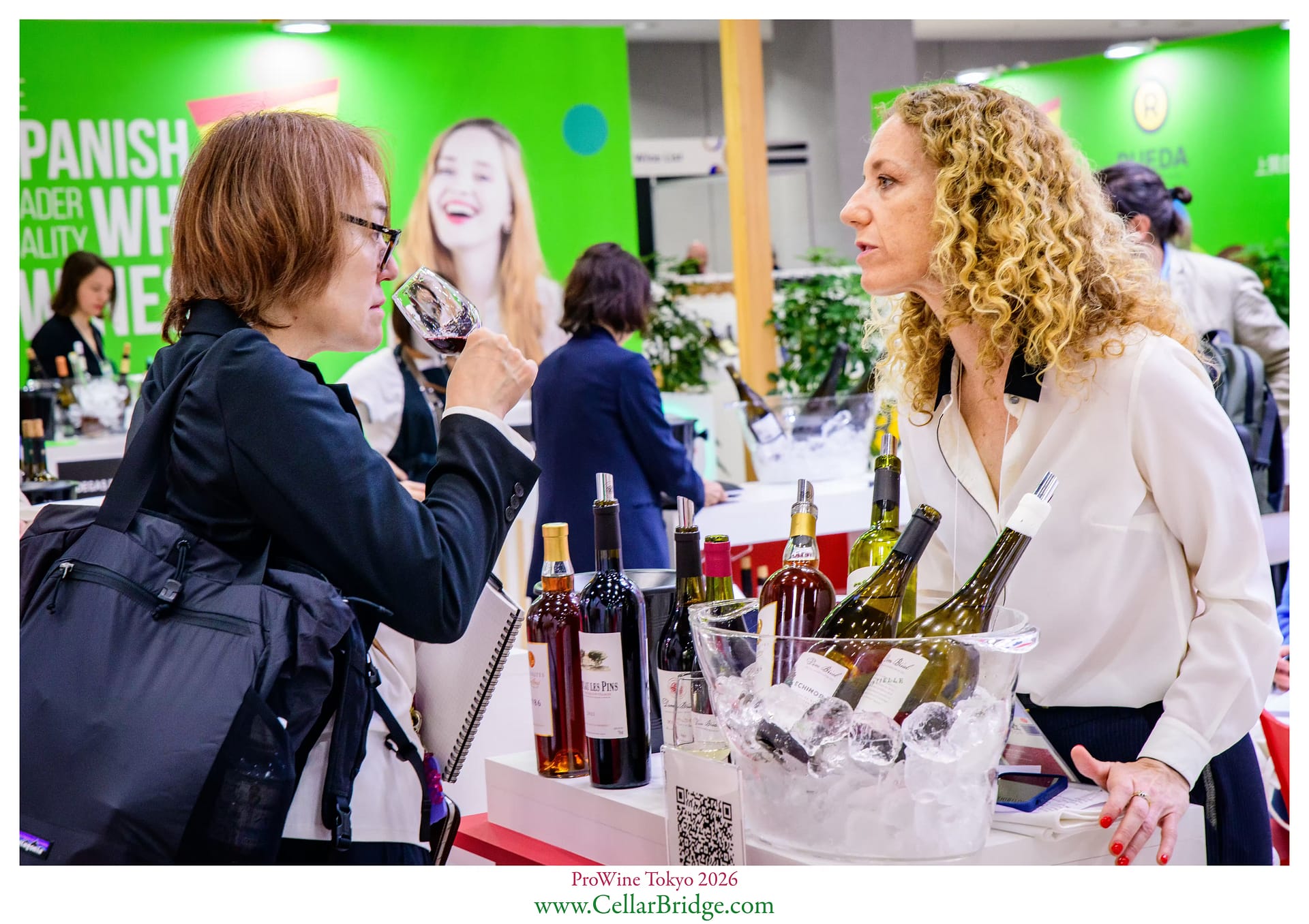
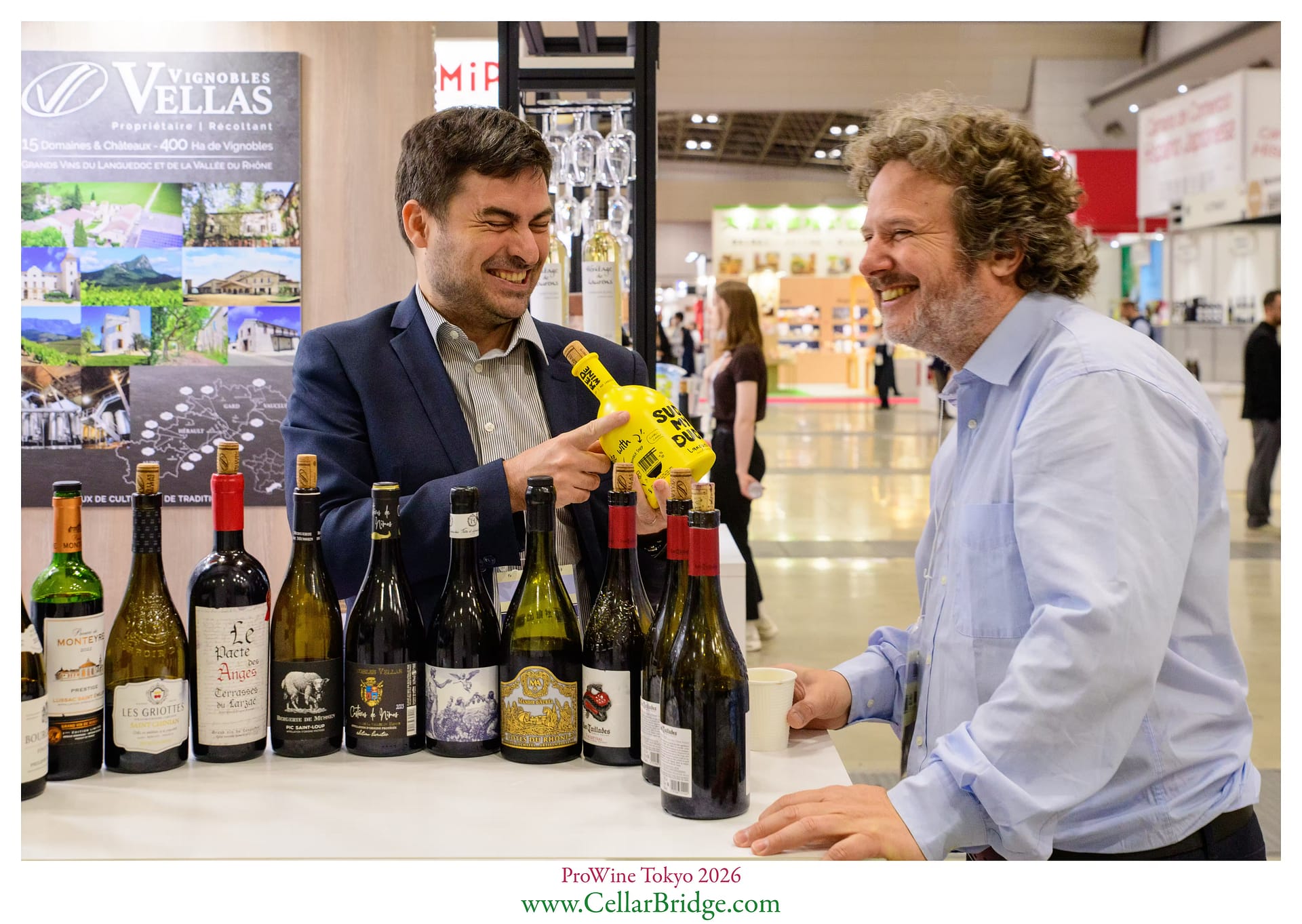
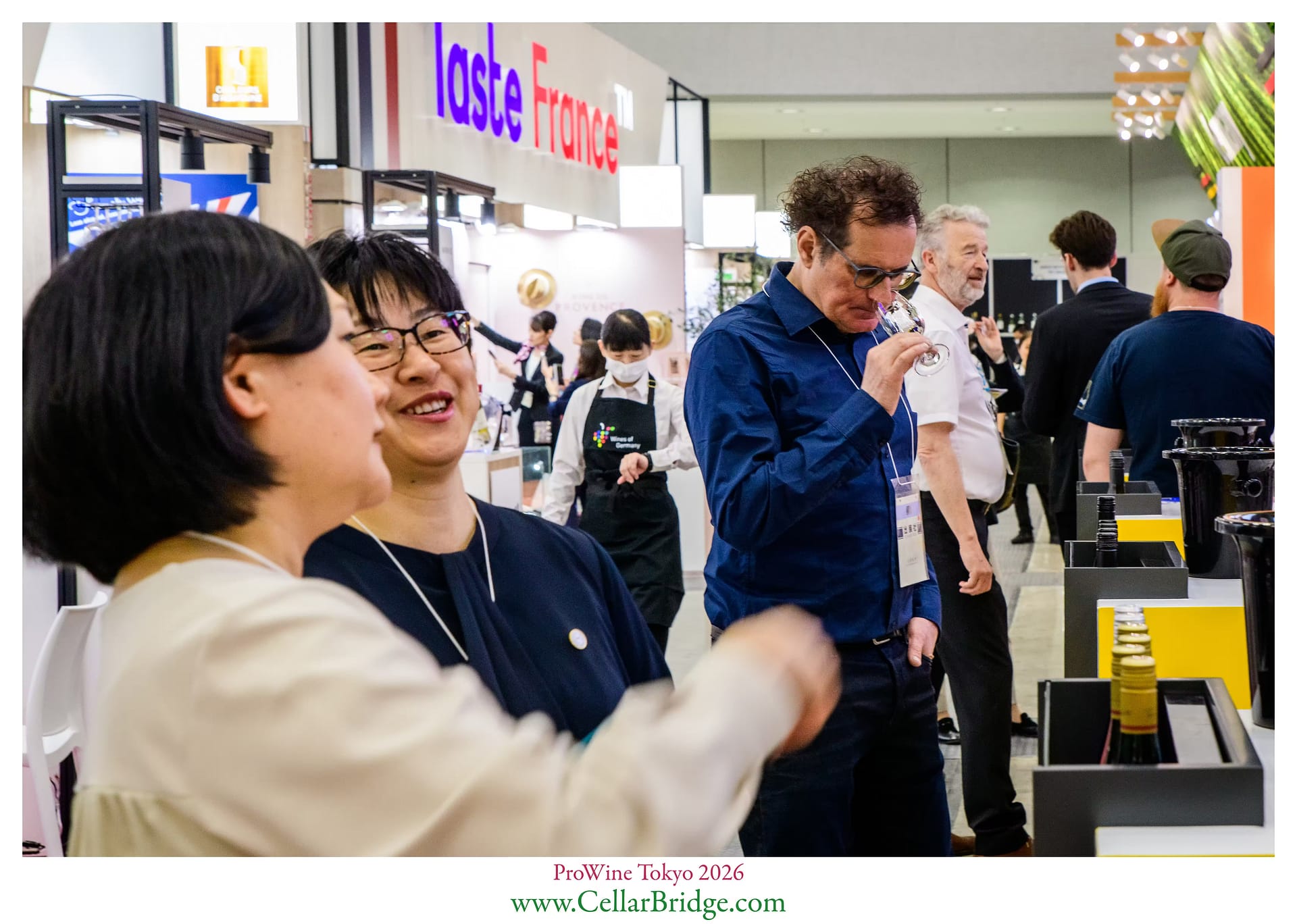


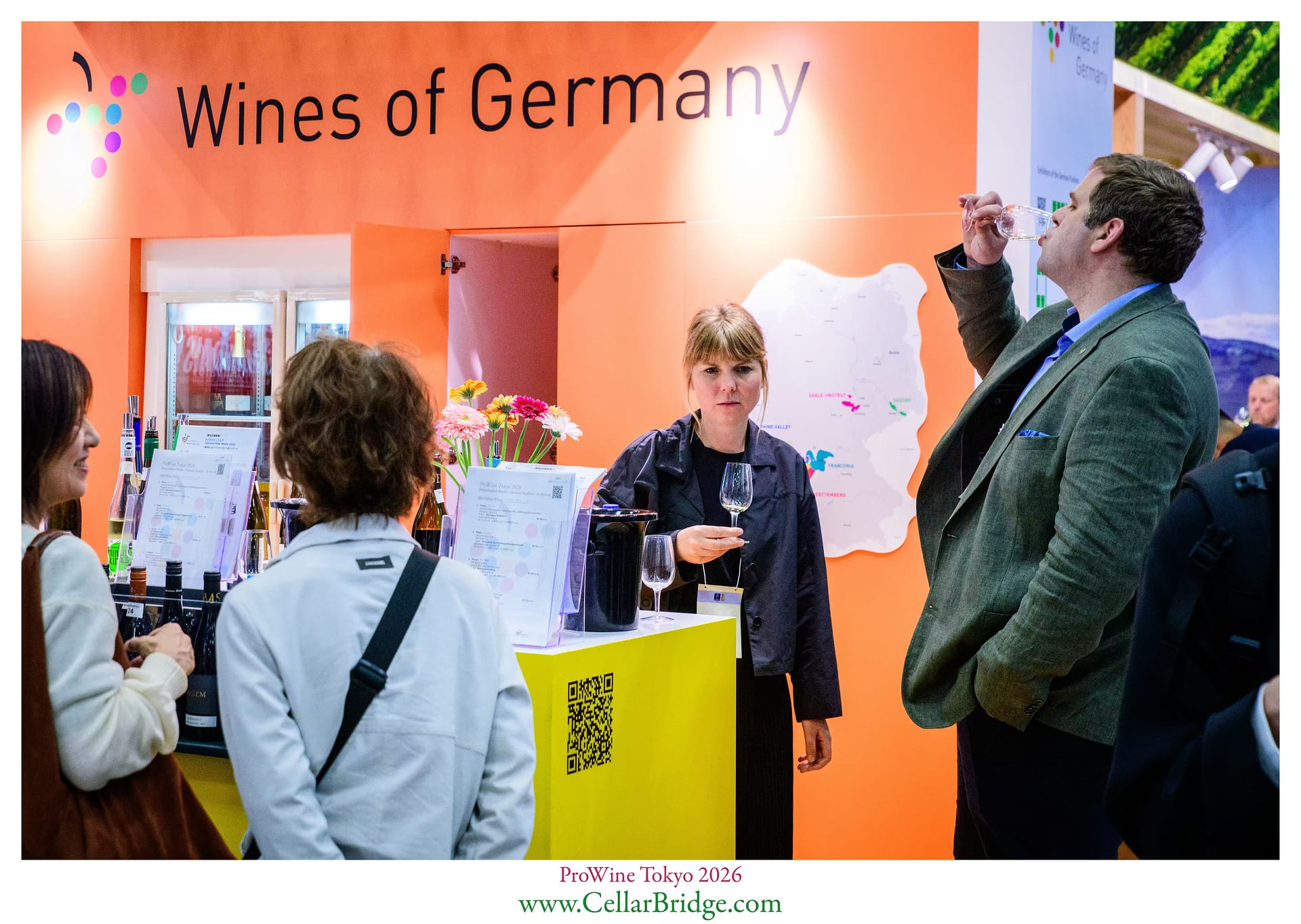
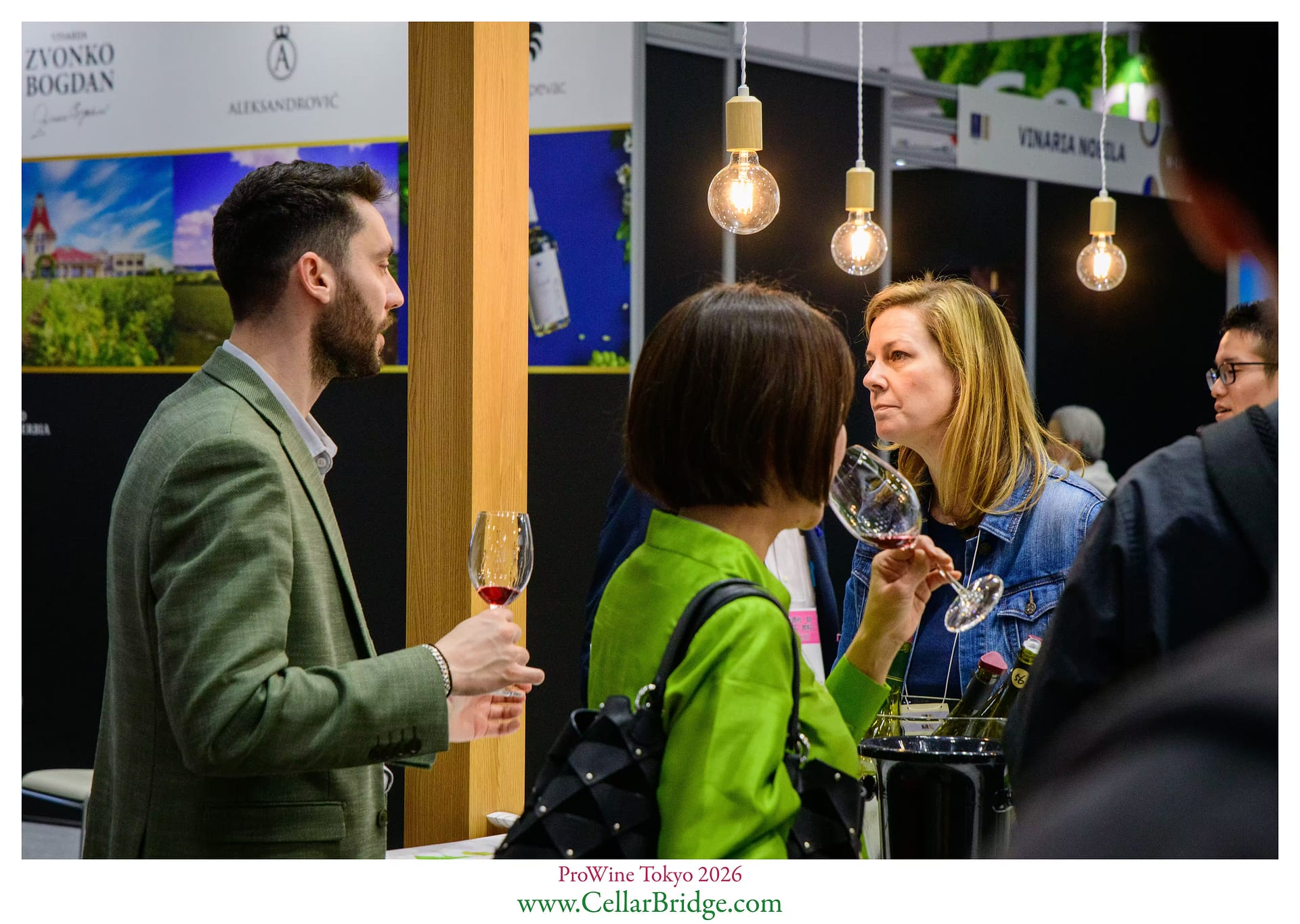
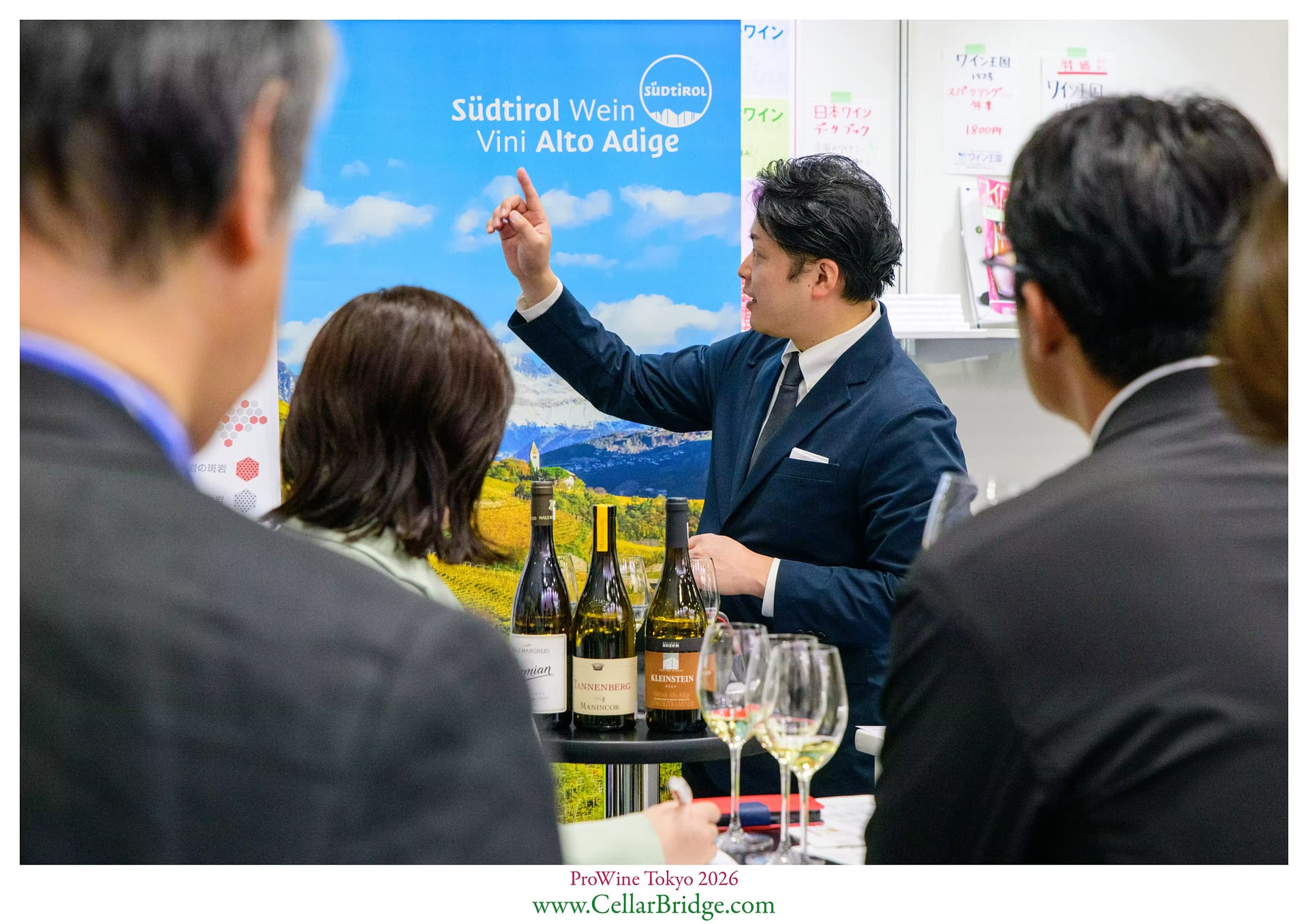

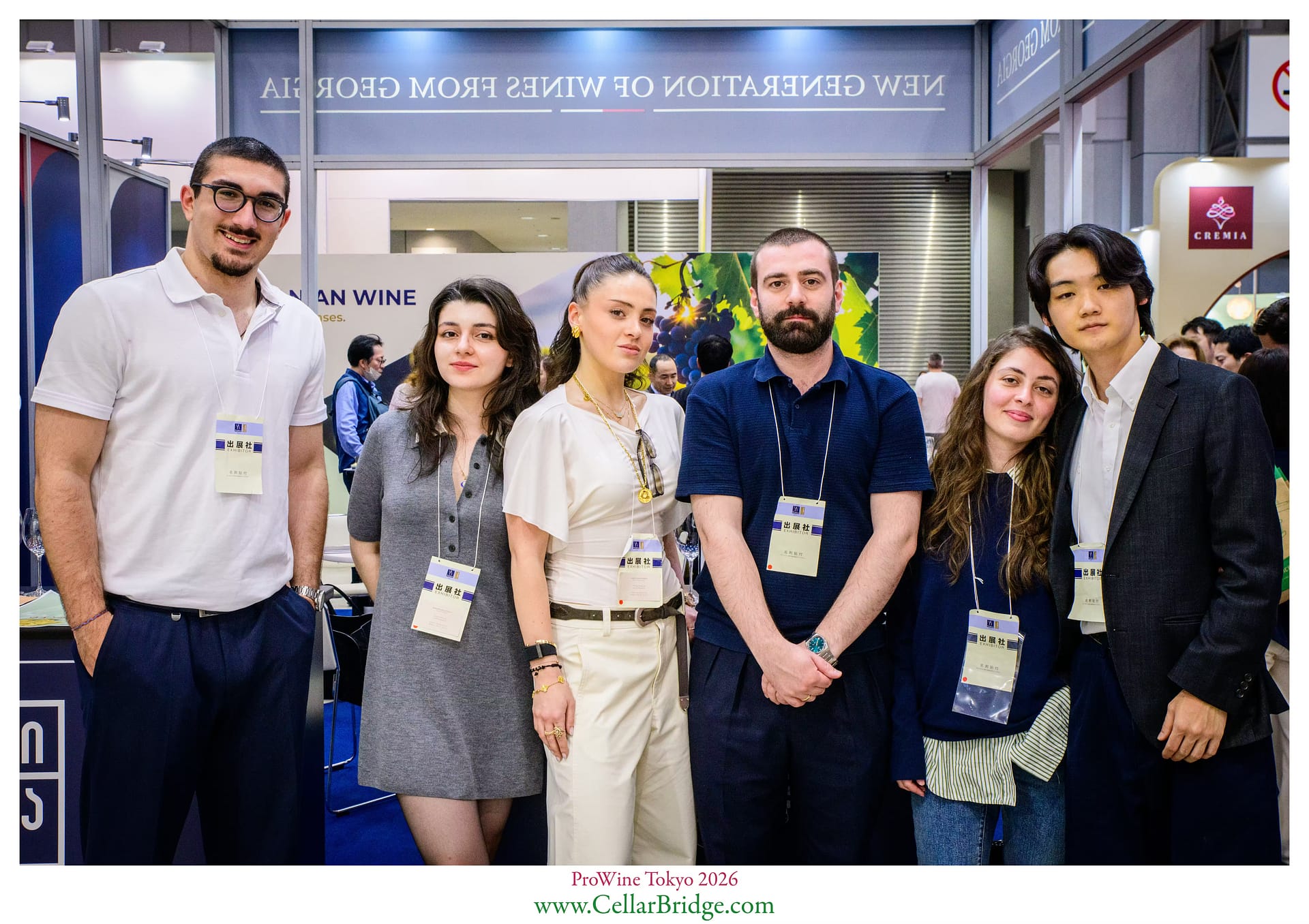
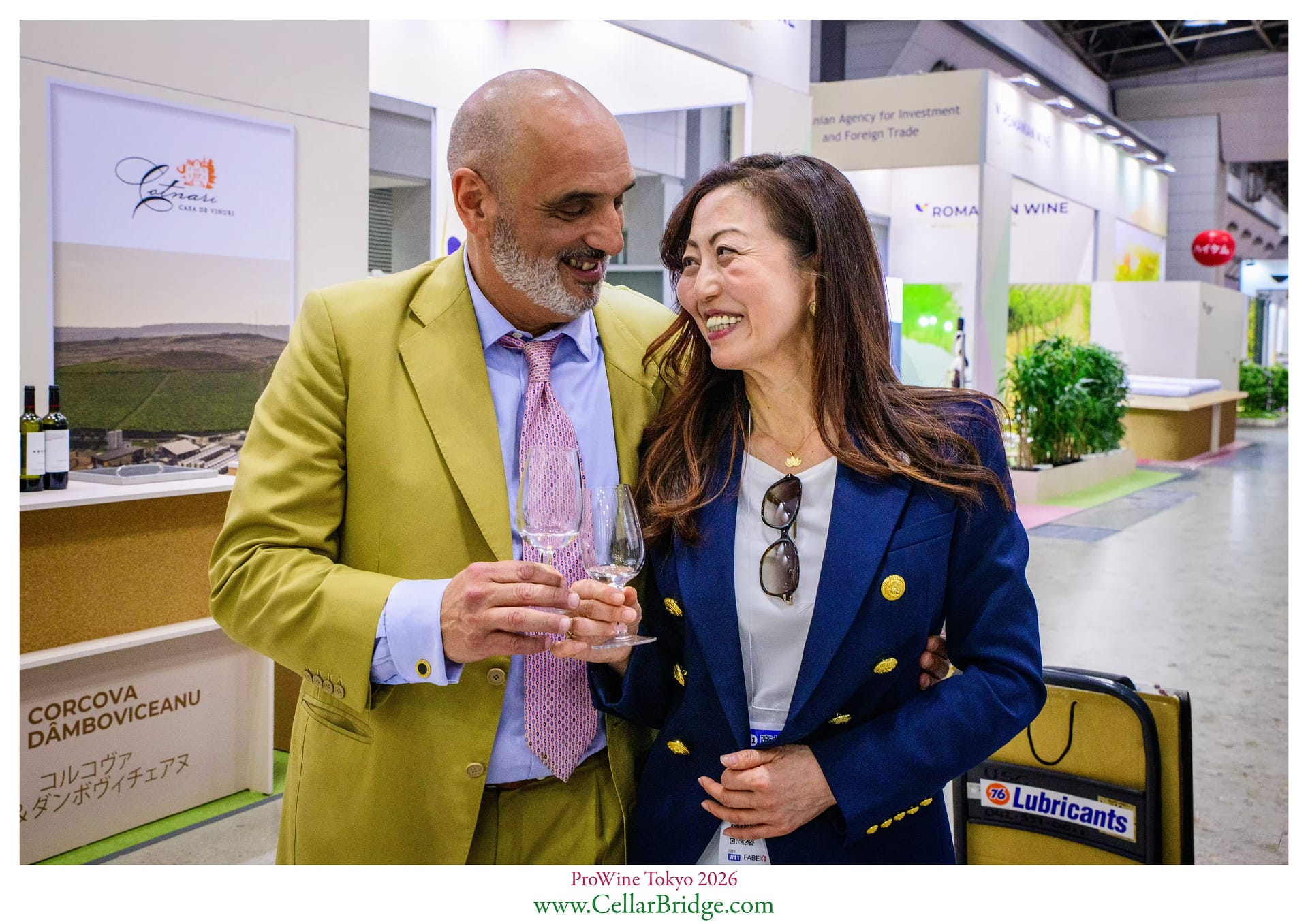
The venue itself may not be as sexy as some of its competitors and the language barrier in masterclasses is a genuine obstacle (even with the translation app that was provided, it was hard to follow), but one couldn’t ignore the genuine effervescence that was at play. What I witnessed was real communication: people taking the time to taste and ask questions, camaraderie between the producers, and plenty of smiling faces, from the opening hours till closing time. And the most important to me was access – to Georgian winemakers who do not show up in Singapore or Hong Kong, to Serbian producers building serious relationships in unfamiliar territory, to Greek wines rarely as present in other Asian fairs and to boutique projects like 아키타산 and 찰루 Sparkling Teas. These were 3 intense days but I would gladly have stayed double that long – and doesn’t that say it all?
It’s all about showing up, creating connections and opening your horizons and on that front – 프로와인 도쿄 2026 aced it.