Words & Photography by Aurélien Foucault
It is under a drizzling rain that I arrive in Geneva. After two weeks of perfect weather, I can’t help wondering if that’s a bad omen. I was certainly hoping for better weather to shoot the vineyards.
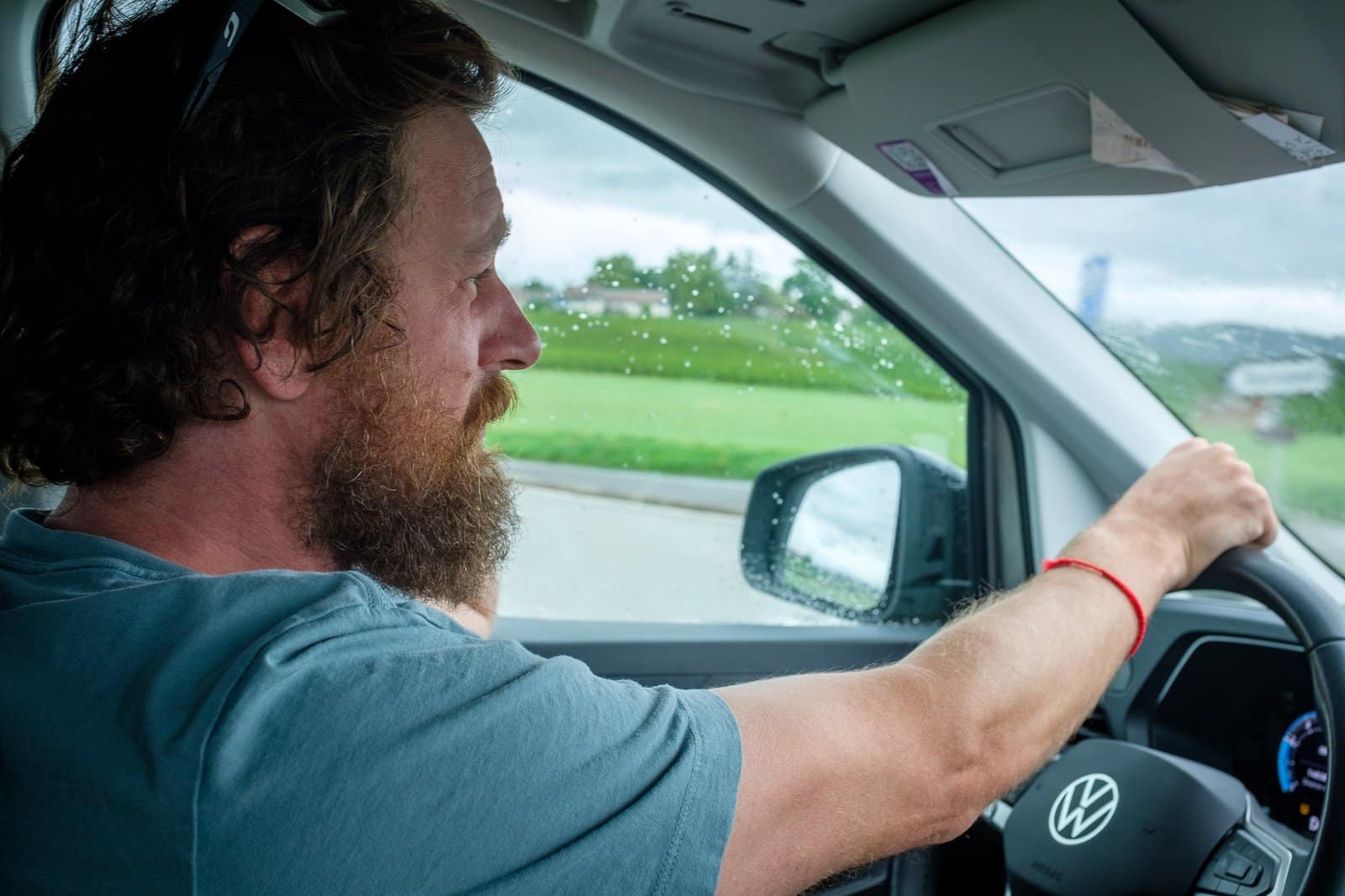
The gloom is soon washed away by a phone call: “Are you at the station? Please head to the south exit, I’ll pick you up in a minute.” Minutes later, I find myself in a van cluttered with kiddie roller skates and random stuff, and we’re en route to the Canton de Vaud, on the northern side of Lake Léman.
Maxime Sother, sunglasses pushed up on his head – maybe the promise of better weather? – has the unhurried vibe the Swiss are known for. He isn’t Swiss though – originally from Alsace – but after a decade, he’s grasped a bit of their nonchalance and even a touch of the accent, which flares up on occasion.
His father, Jean-Pierre Sother, was already retired in Switzerland when, after a successful career in telecommunications, he decided to follow his love of wine and bought two operational estates in the Vaud region: Château de Malessert, in Perroy, planted entirely to white grapes, and Domaine du Manoir, in Valeyres-sous-Rances, planted mostly to red. At first, Maxime and his siblings thought their father had gone mad. Since then, he has followed in his footsteps: after a previous career as an acoustic engineer, he trained in winemaking at Changins and is now general manager of the operation. That said, he still occasionally wonders whether this wasn’t, after all, madness.
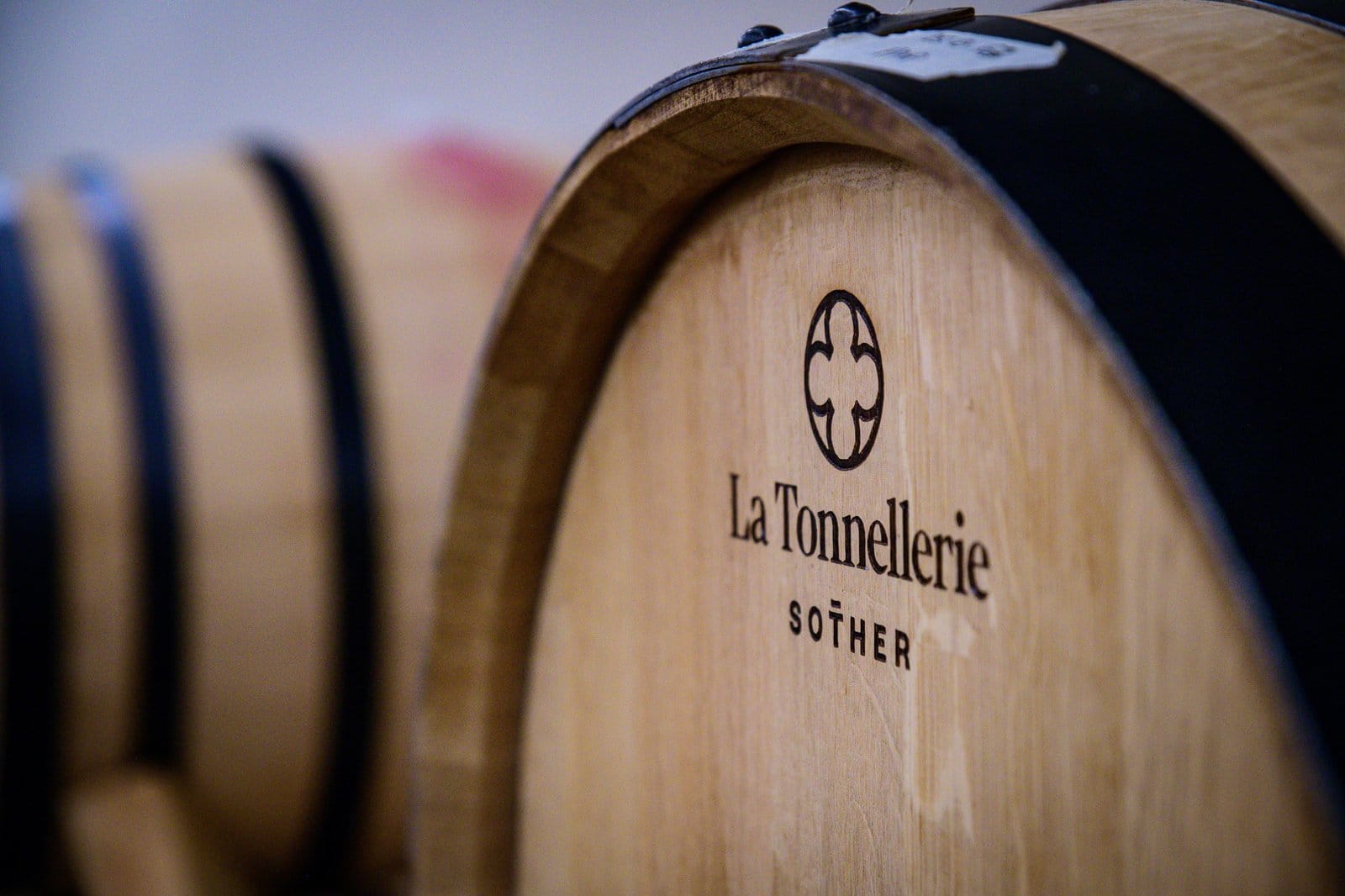
I met Maxime at ProWine Singapore earlier in the year, where he was presenting his wines, and I got hooked when he told me about the estates and the fact that they even own their own cooperage, making barrels out of Swiss oak.
Months later, here I was, sitting in his van on the way to the winery. Crossing one pretty village after another, I couldn’t believe how many vineyards we passed. For a country I barely knew made wine a year ago, I was gobsmacked. “This here,” he said, “is Chasselas territory. In France it’s considered a table grape, but it’s the core of white wine production here.”
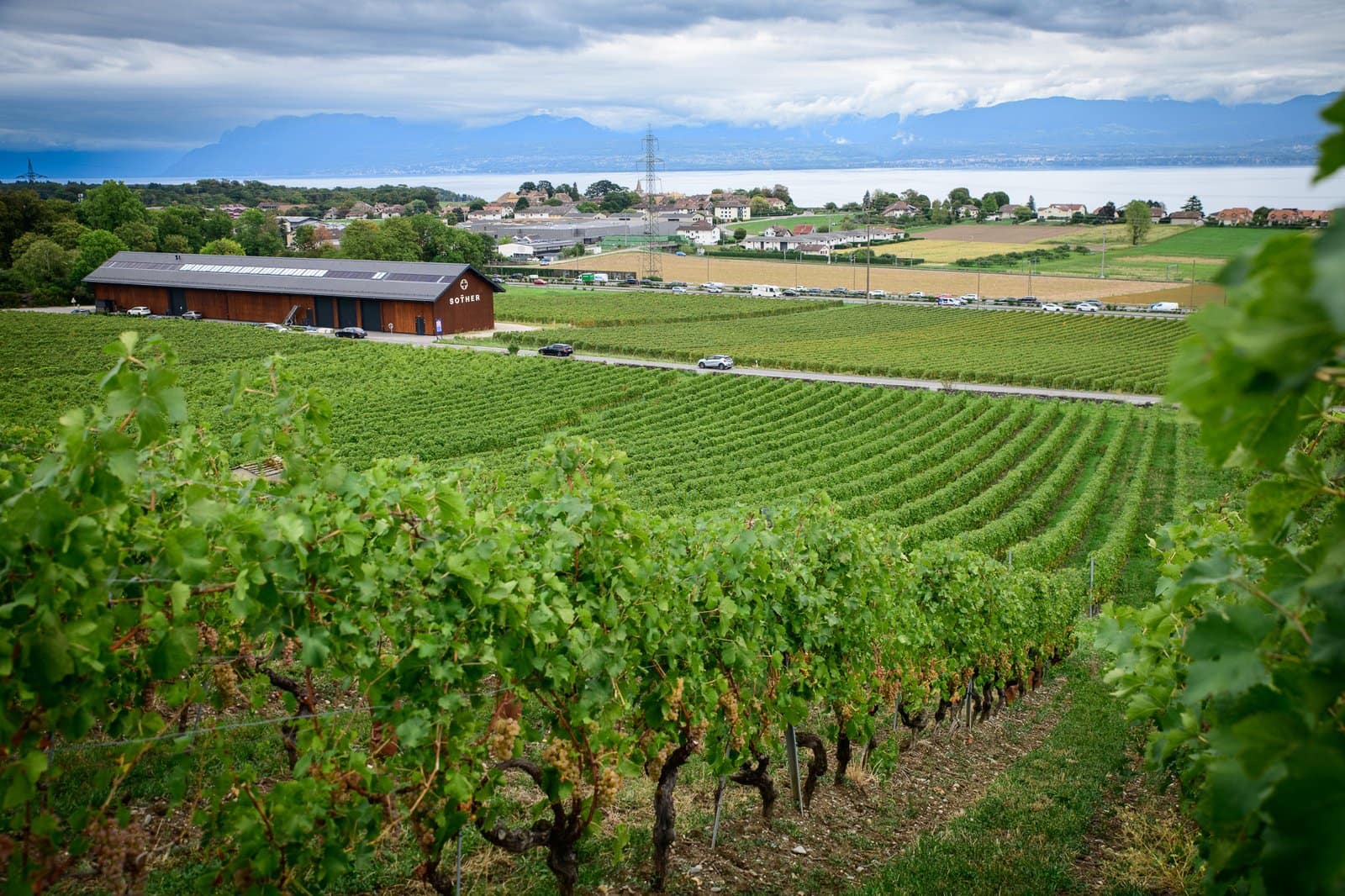
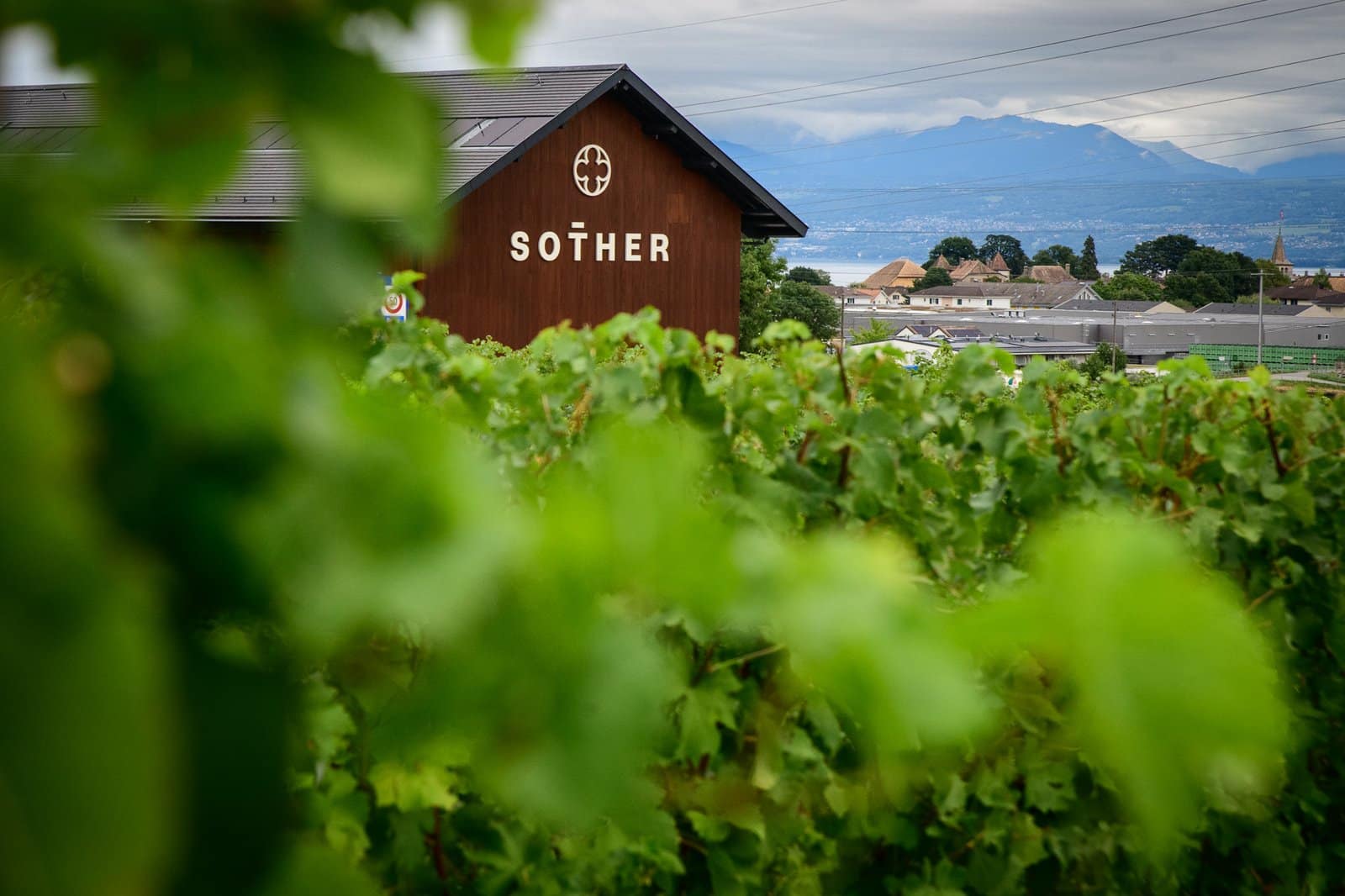
We soon reached their brand-new winery, sitting right at the bottom of the vineyards, ten metres from Château de Malessert, above Lake Léman, with even a view of the majestic Mont-Blanc, as I would later find out on a clear day.
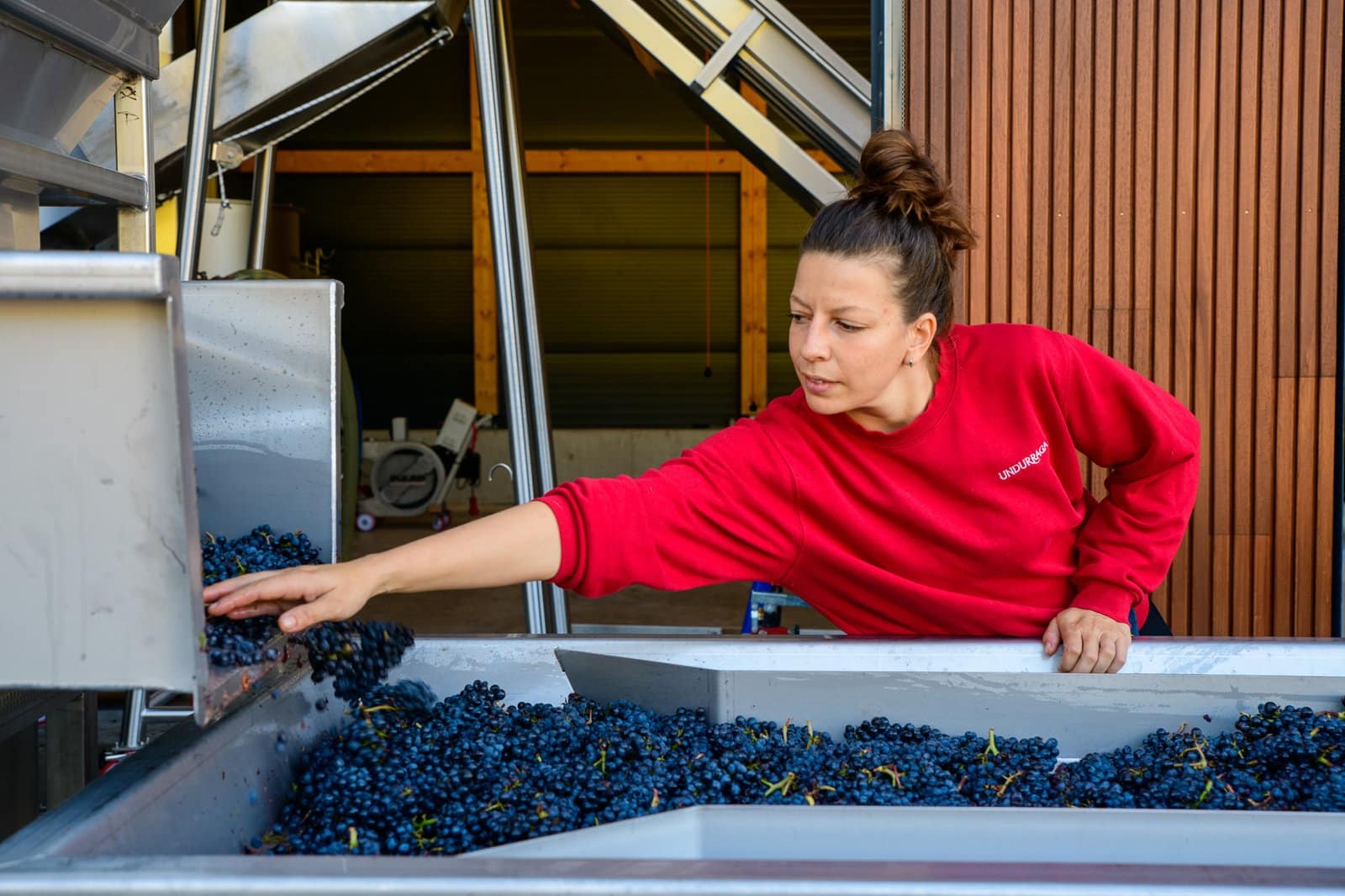
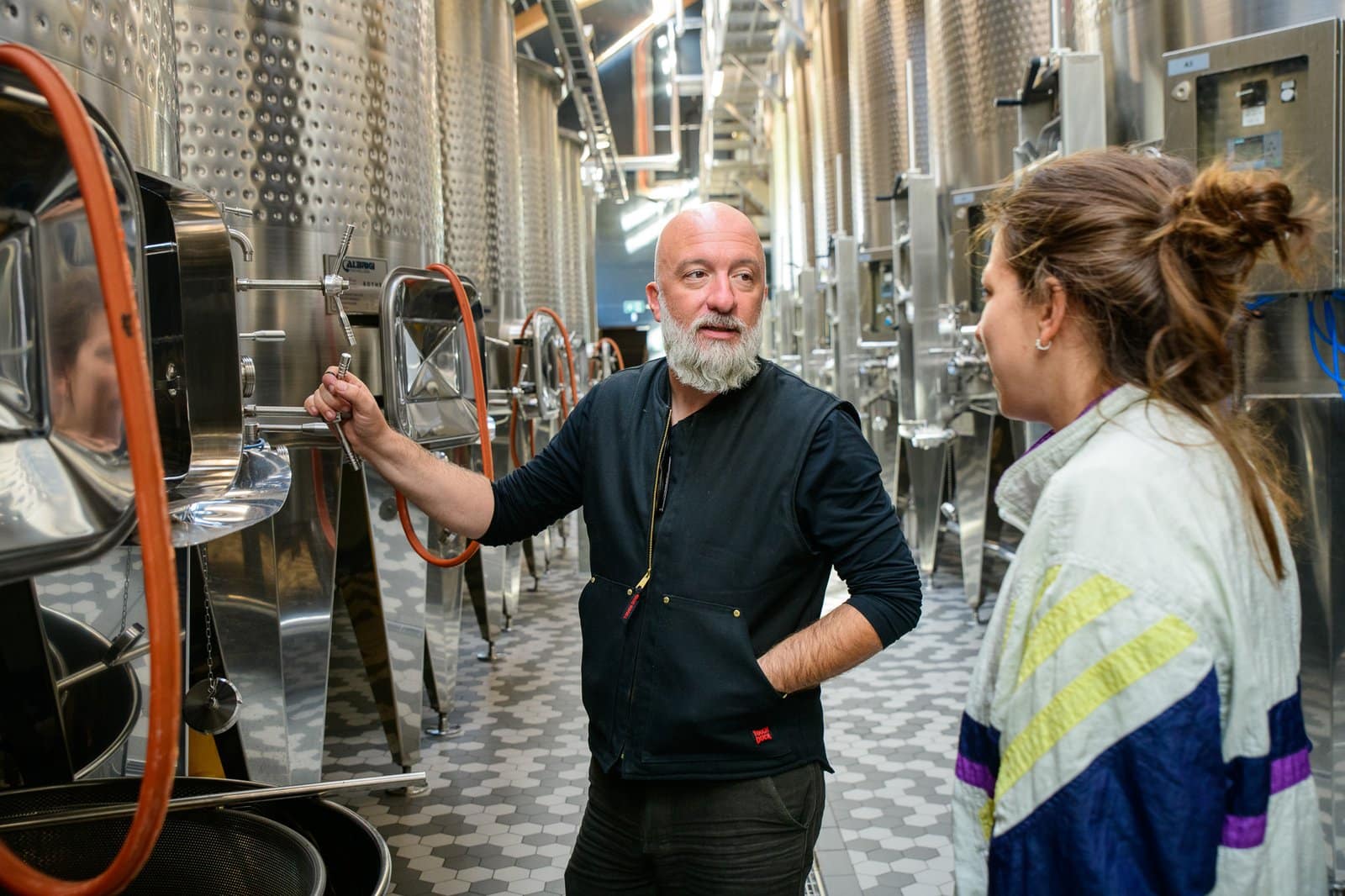
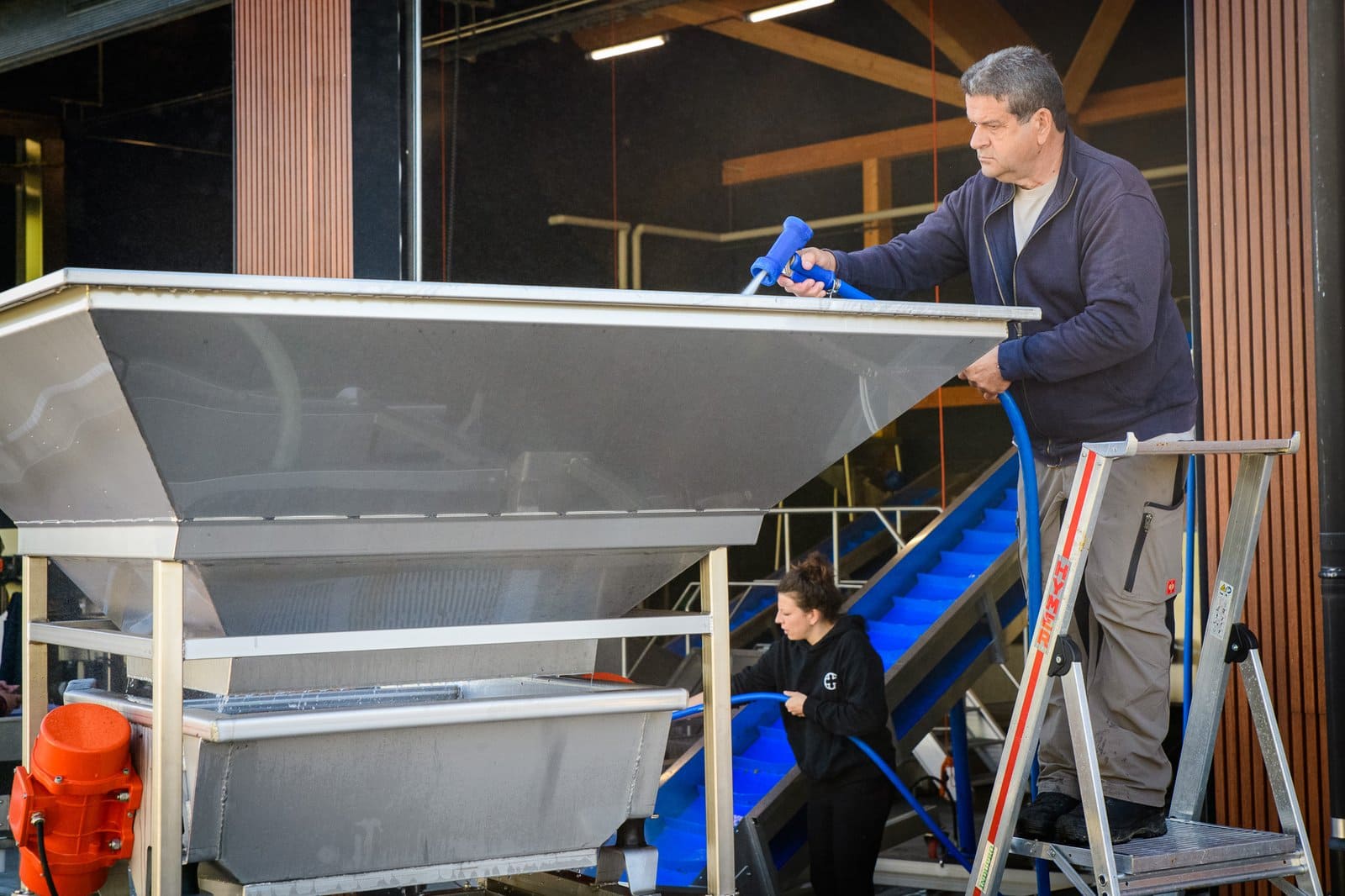
The winery, finished in 2023, now vinifies all of their production – the whites from Malessert and the reds from the Manoir. The château had its own presses when they bought it, but they were ageing and too small for the current yield, and the Manoir mostly sold its grapes to be vinified elsewhere. Now they finally do it all in-house.
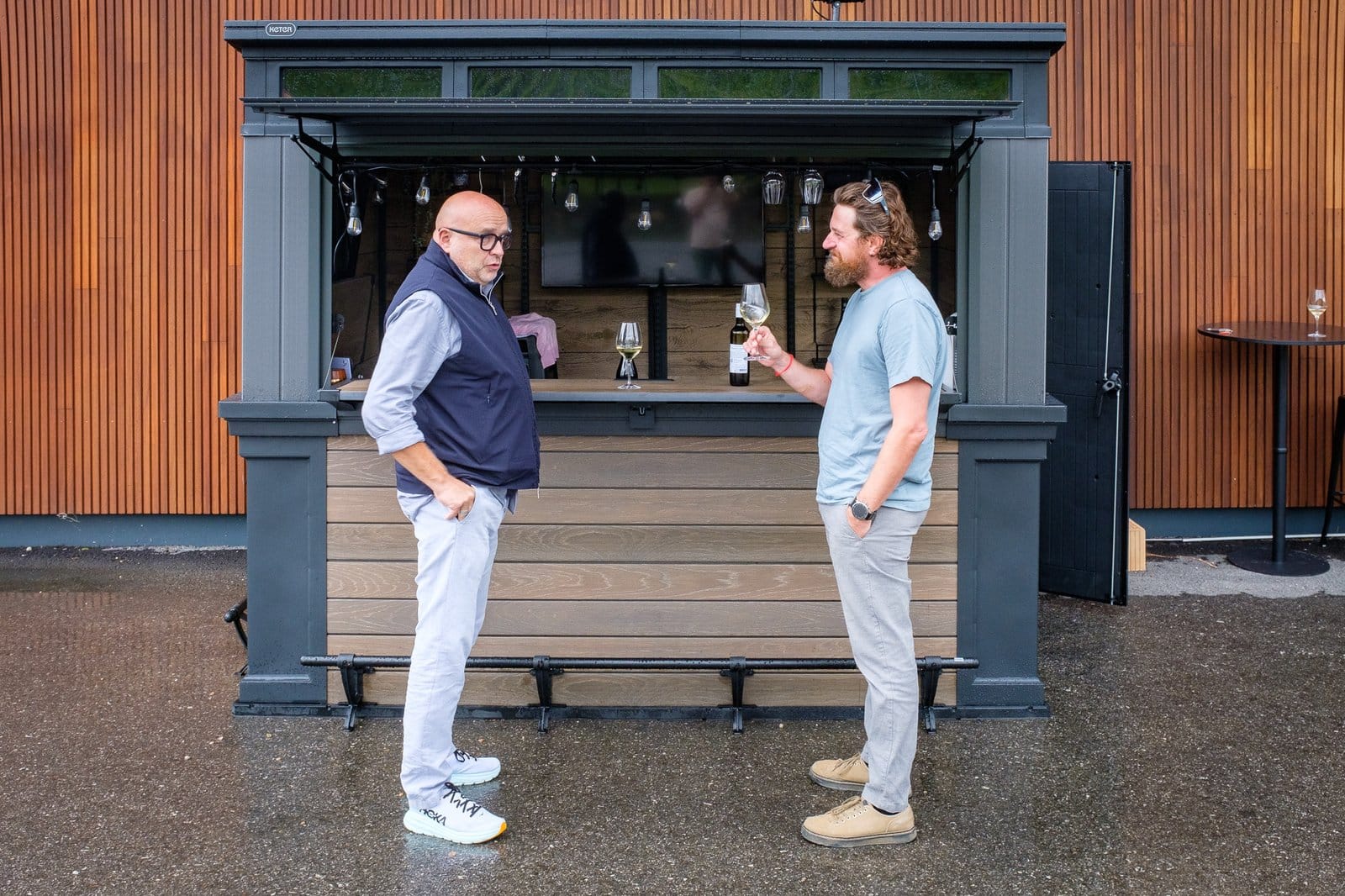
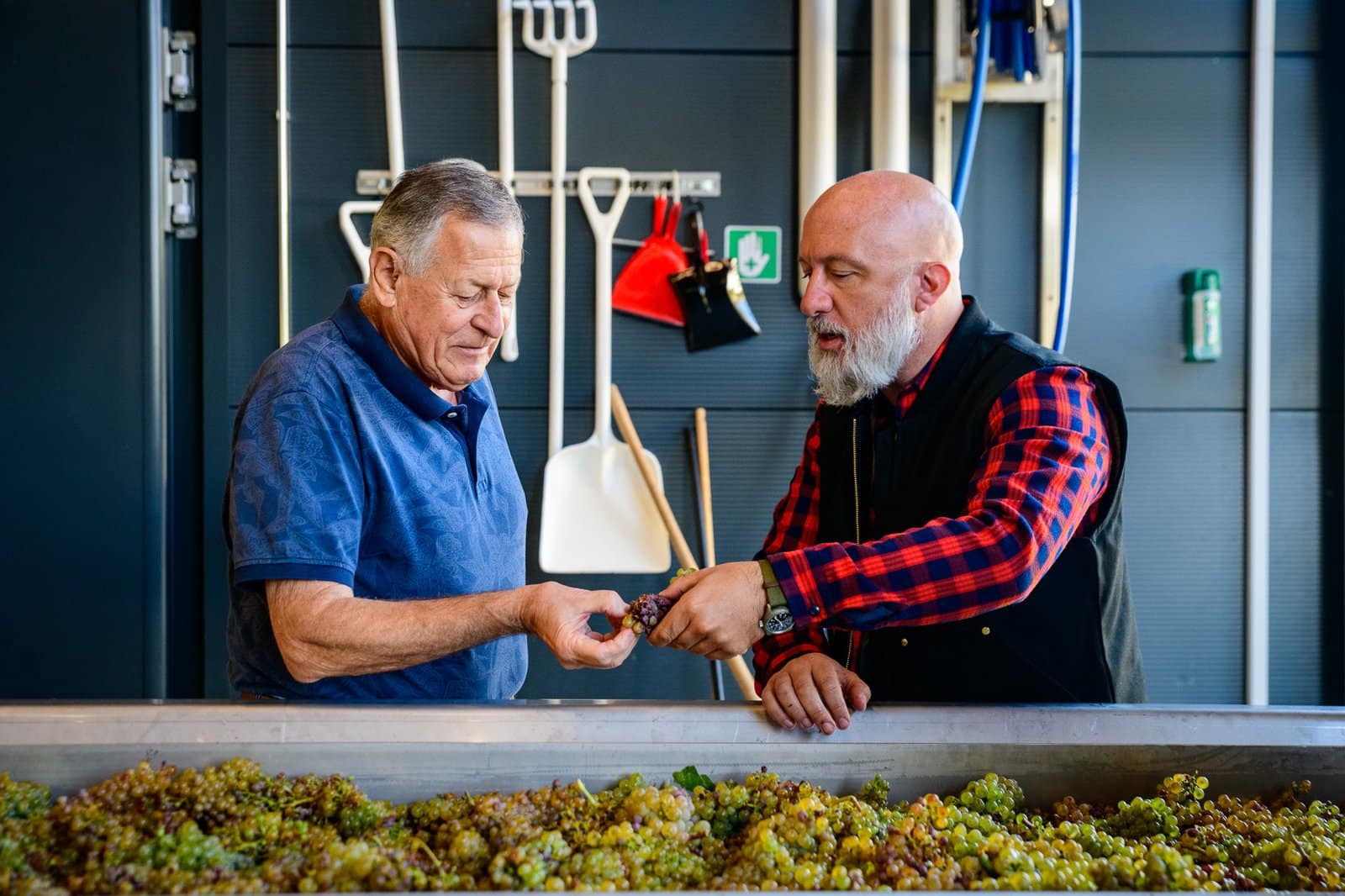
While we’re at the winery, Maxime receives the visit of Jean-Jacques, one of their technical suppliers, coming to double-check some of their equipment to make sure everything’s ready for the harvest. “We’re starting tomorrow!” says Maxime. “We’ll first do our small parcels of co-planted Chenin and Savagnin, then the reds at the Manoir. The Chasselas can still wait a bit – speaking of which… let’s have a taste of them!”
Standing outside their new little “Wine Shed,” set up right by the winery so passers-by can try and buy the wines, Maxime pours glasses of their two Chasselas. The first, he explains, suits the local palate better – a bit more rustic – while the second has more chance of winning over international drinkers. I’m not sure I agree with the distinction, since I enjoy the first one just as much. Both have a touch of oil and a medium body, and they’re lovely.
After a couple of glasses, I can feel that little je ne sais quoi that makes Chasselas quietly addictive. It’s a white with personality.
Jean-Jacques, who is orginally from Aosta Valley in Italy but has been living in Switzerland for years, says he didn’t like Chasselas at first but now can’t live without it.
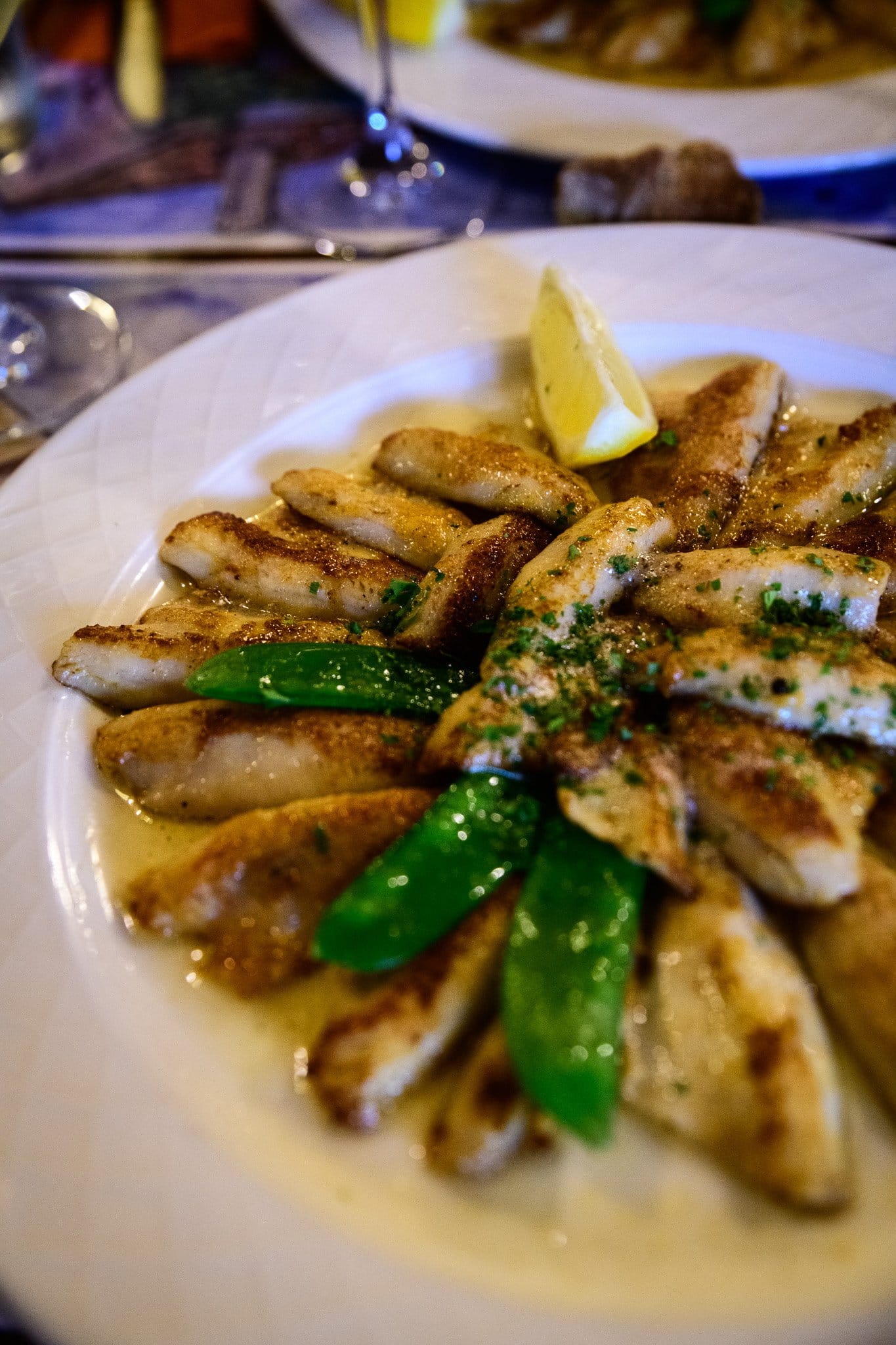
We then head to a local tavern for lunch, where I meet the rest of the Sother team: technical director Pierre-Olivier Dion-Labrie, a Quebec transplant with years of experience in Argentina and Switzerland behind him, and cellar master Amélie Diaz. I’m told I must try the perch fillets from the lake, so I do, and it turns out to be a perfect match for a bottle of Chasselas from a rival producer of the area. “We all know each other around here,” they correct me, in unison. “They’re not competitors, they’re colleagues!”
The next morning, I wake up with relief to a blue sky, but barely have time to grab a coffee before Maxime erupts in the office: “Oops, the harvest team is super-efficient today and they’re going faster than expected. Let’s go now if you’d like to catch them!”
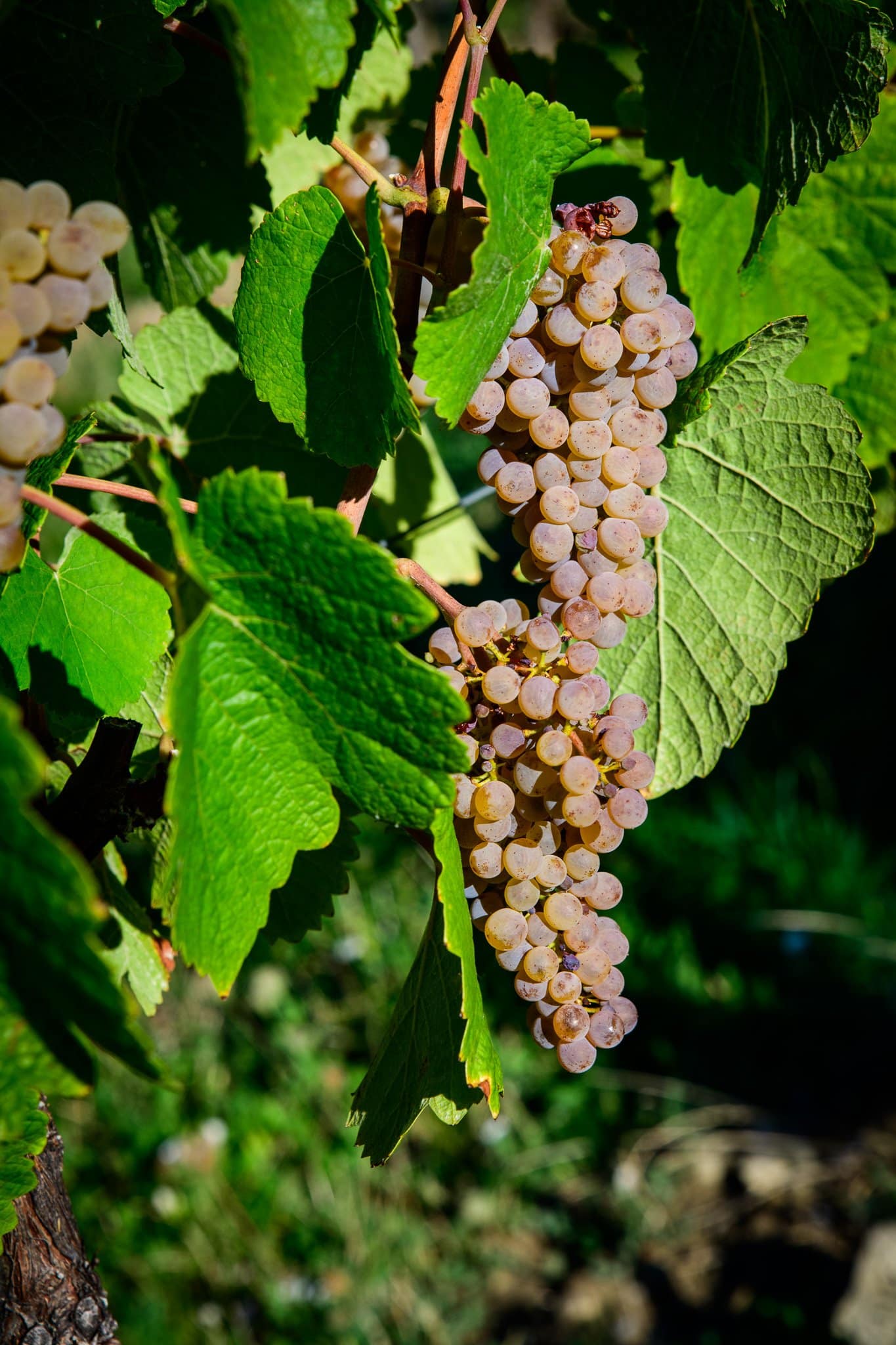
The harvest team, outsourced to a local Kosovar couple Sother has been working with for years and that they helped create their own business, is indeed working fast. Between shy smiles at the camera, they soon make the Chenin and Savagnin grapes move from vines to baskets.
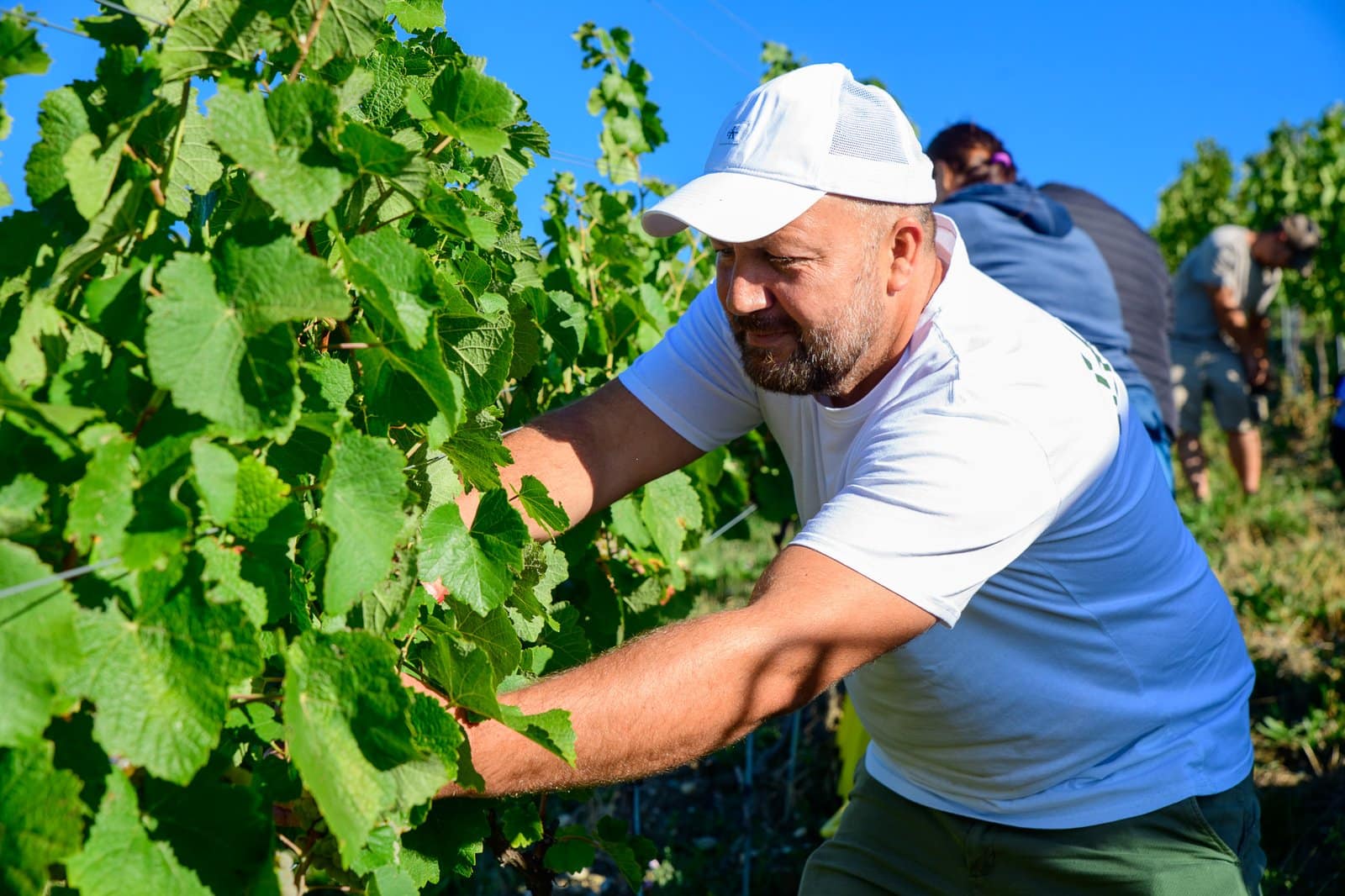
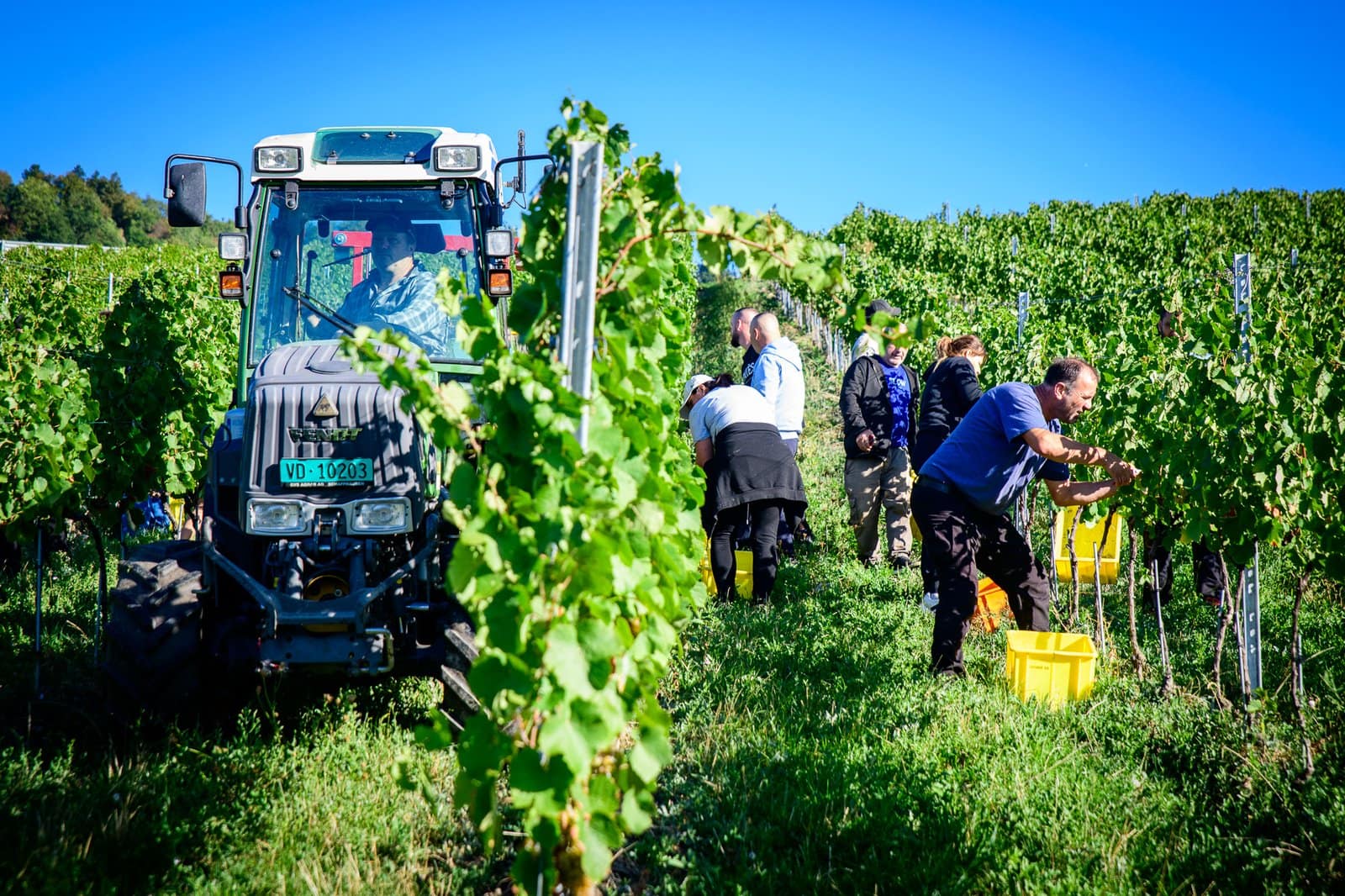
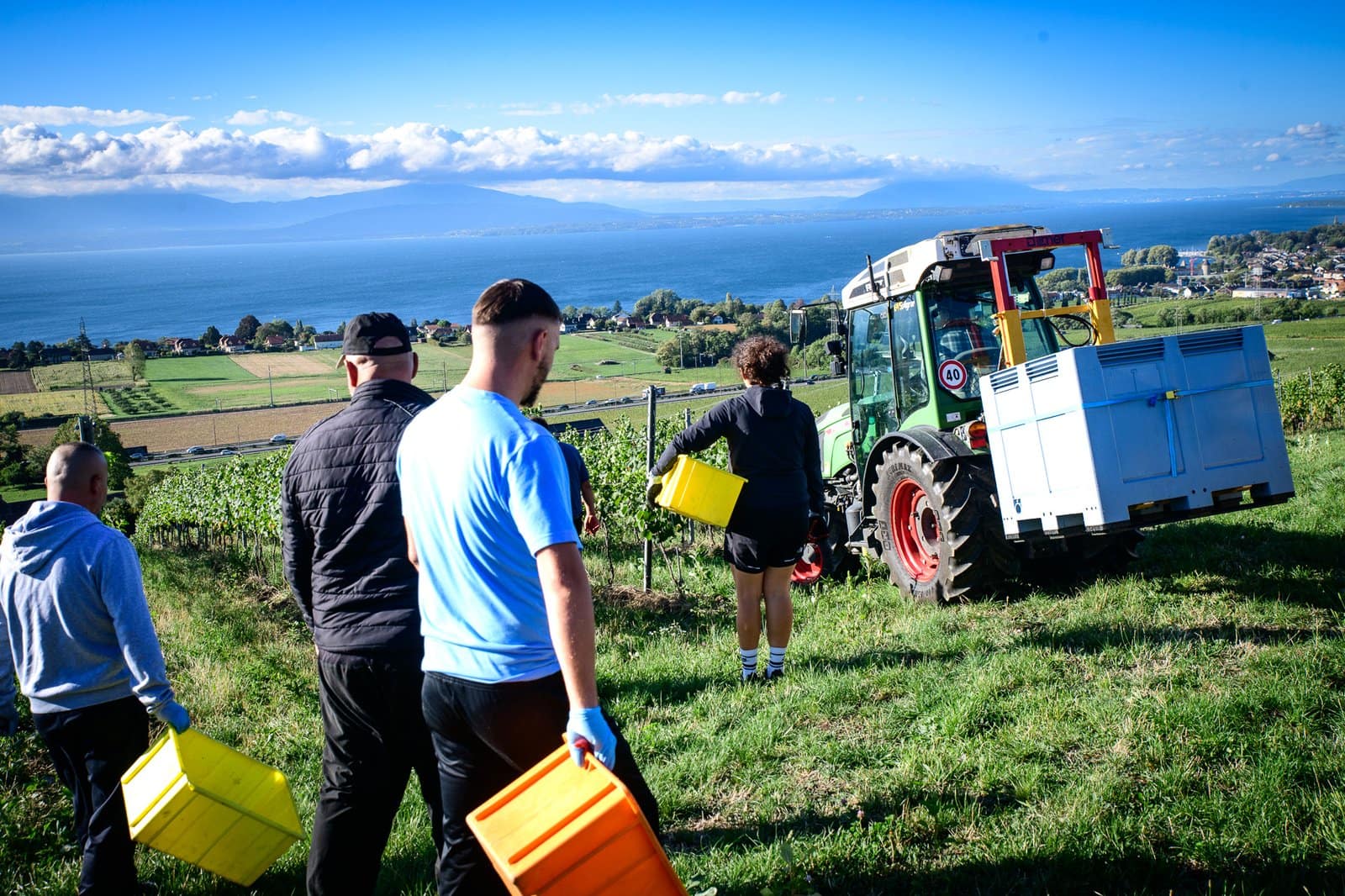
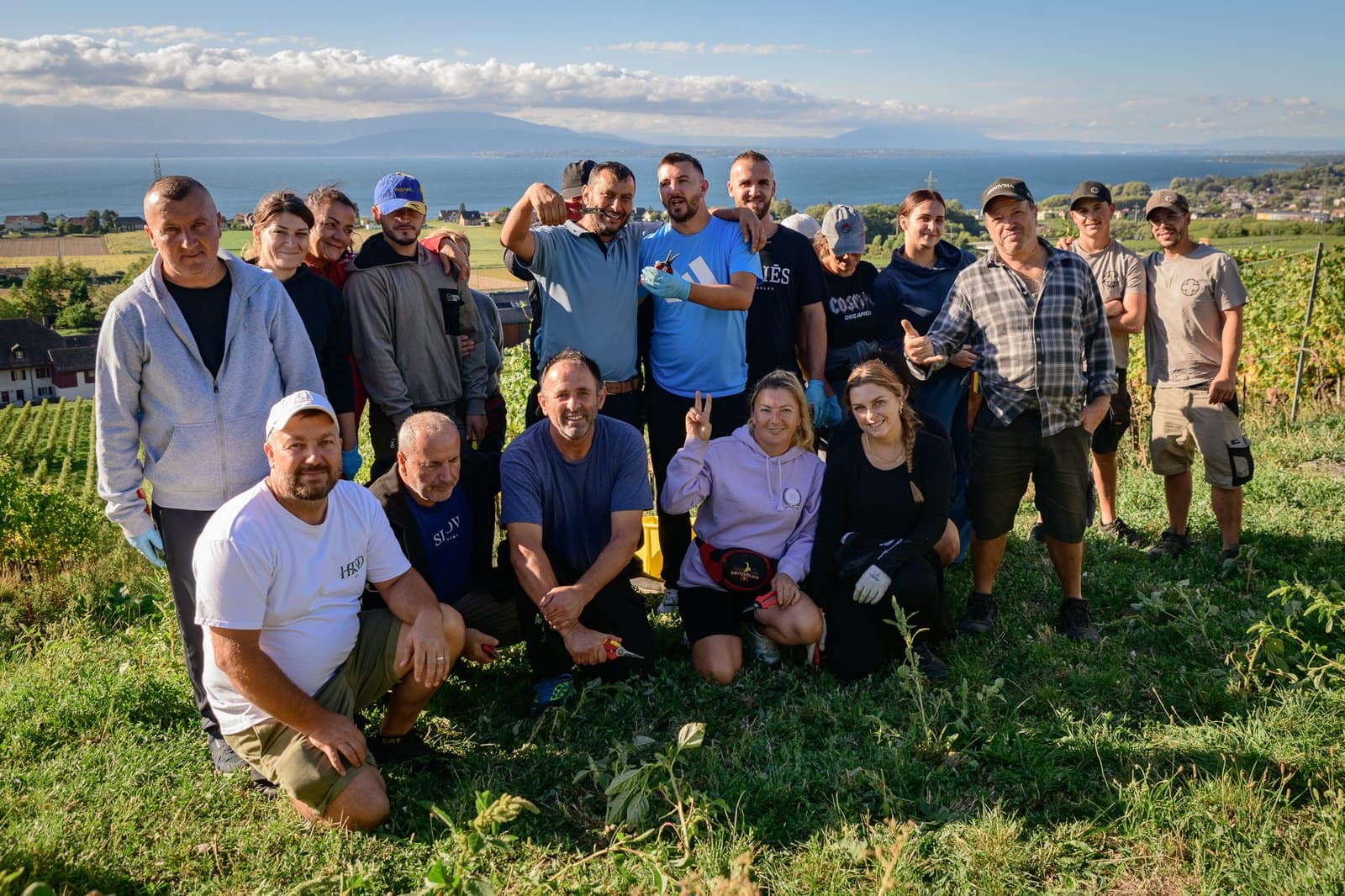
The choice to outsource the harvest is part of a peculiar spirit I’ve taken a bit of time to understand but now makes total sense. Although a family affair, Sother is a small team with a large vineyard area and lots on their plate. Besides the vines and winemaking business, the Sothers are custodians of two grandiose buildings, the Manoir and the Château (the latter being renovated into a hotel), their cooperage, and even a truffière – a truffle plantation – they have just planted.
Le Domaine du Manoir
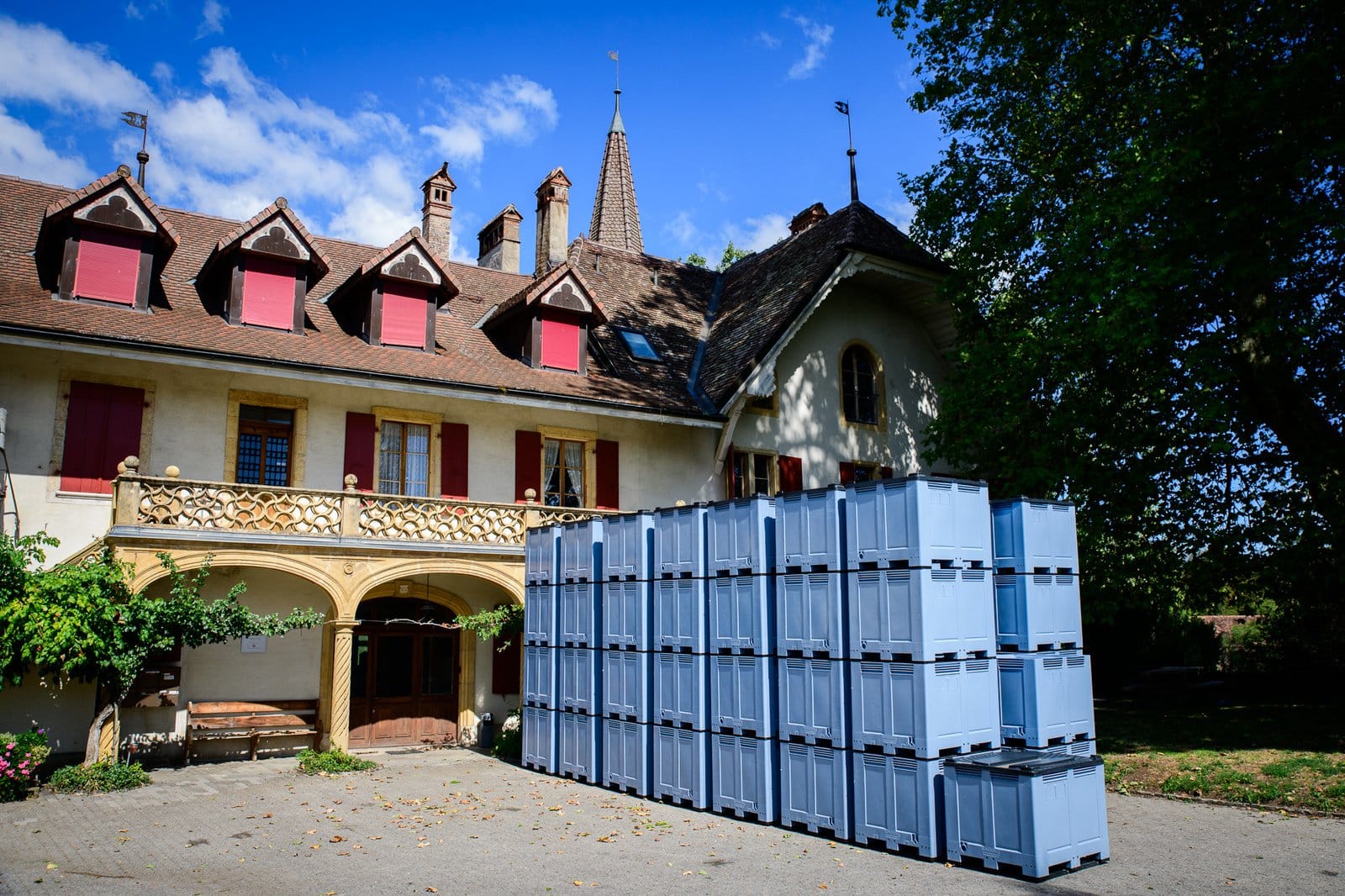
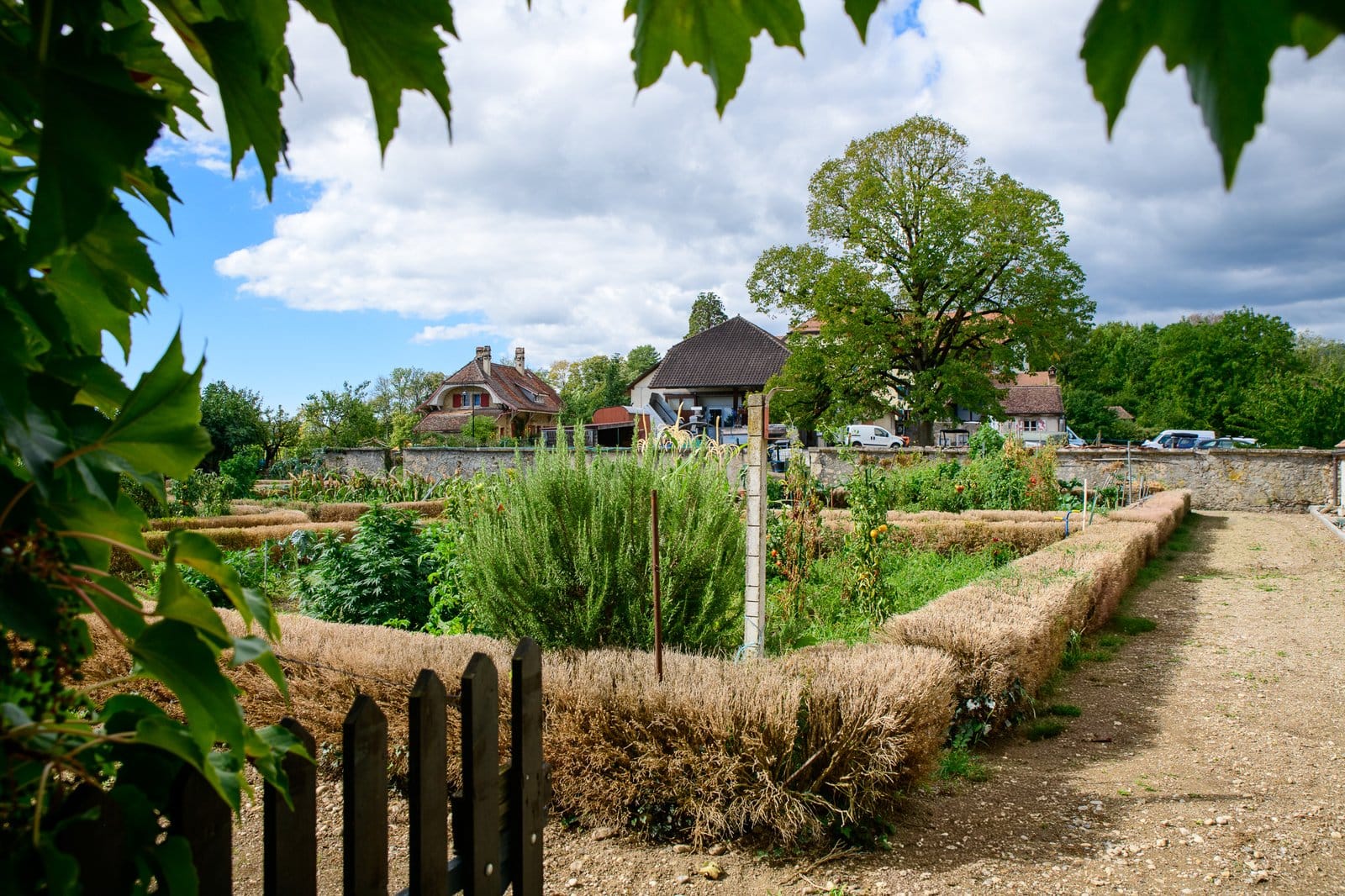
The Domaine du Manoir is about an hour’s drive from the winery, and as we approach, I can’t help feeling as though I’ve stepped inside a fairy tale. Vineyards, old traditional houses, bathing in the sun under a blue sky. The Manoir itself looks phenomenal, even though it’s currently partly hidden behind the cases ready to collect the harvest. Its roof, its staircase, its garden, its sun-bathed kitchen with a view over the vineyard… I would be quite happy to just put my suitcase down and settle there.
This is what members of the Sother team have done, as the staff in charge of the Domaine vineyards and the cooperage are lodged in the Manoir, getting full use of the nearby garden for fresh vegetables and herbs.
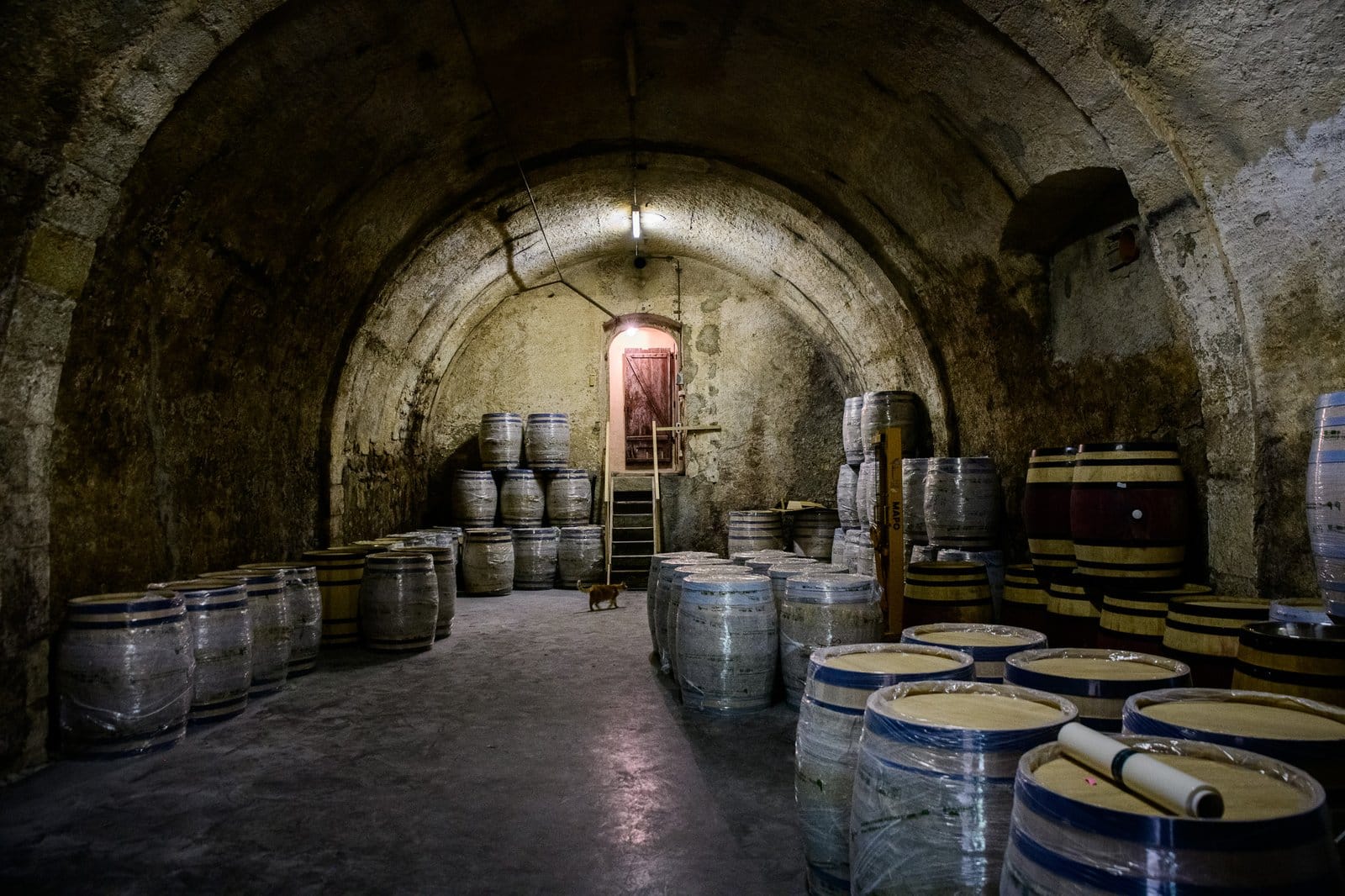
Inside the manor, plenty of beautiful rooms and a crypt-looking underground warehouse that Maxime dreams of turning into a concert hall or a theatre. The whole place is just a dream: quiet, surrounded by nature and vineyards, with plenty of areas to rest and be inspired.
There’s so much potential, all dependent on whether enough tourists would venture into the area.
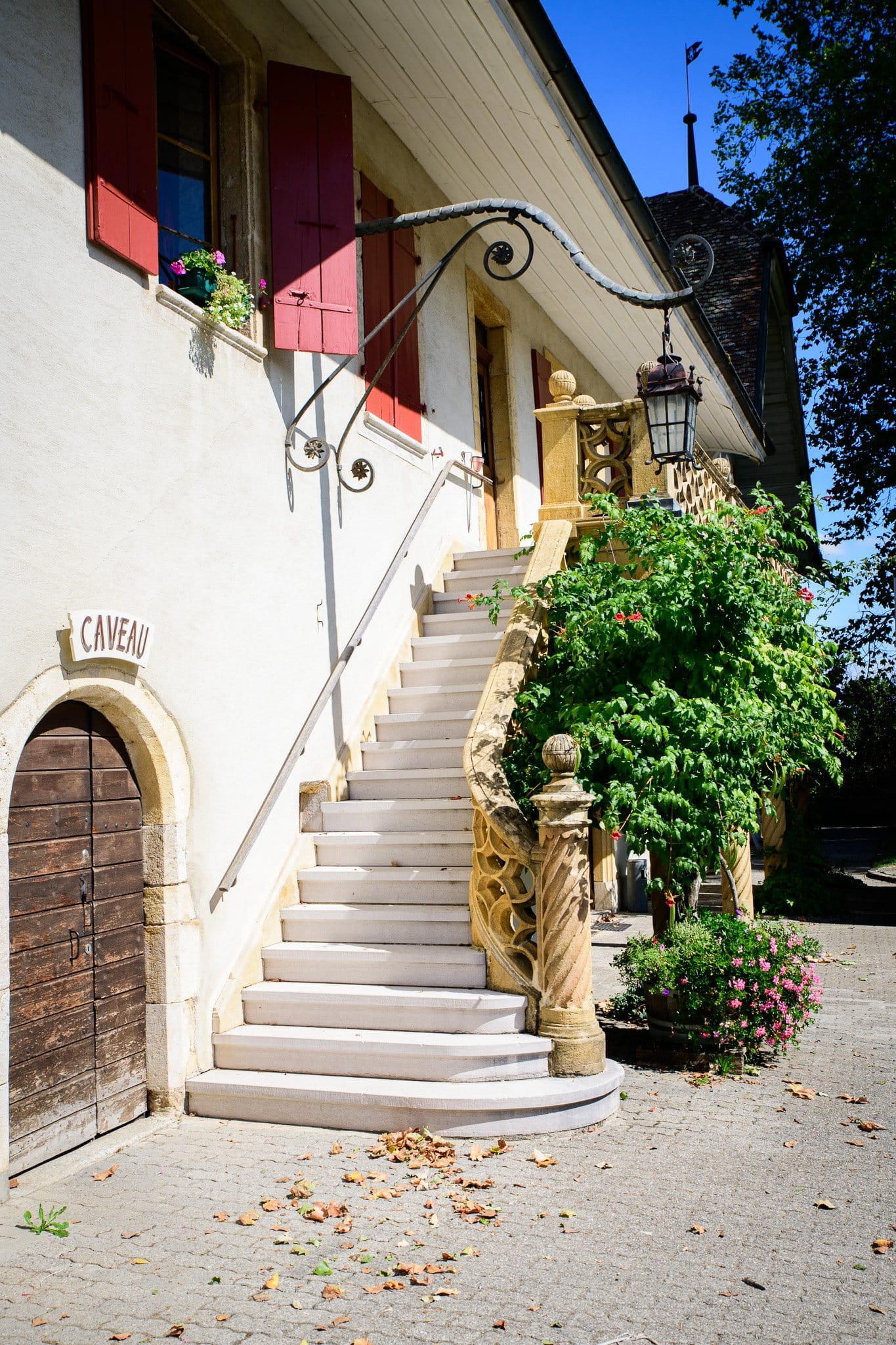
The estate began as an abbey before becoming a manor house in the 14th century, part of the same Cluniac network of monasteries that helped spread winegrowing techniques across Europe – and interestingly also involved in the roots of their other estate, the Château de Malessert.
When buying the estate, the manor actually came with a tenant, and the Sothers have kept her there, always in a spirit of continuity and respect for the place. The same has been done with many of the people who worked the vines under the previous owners.
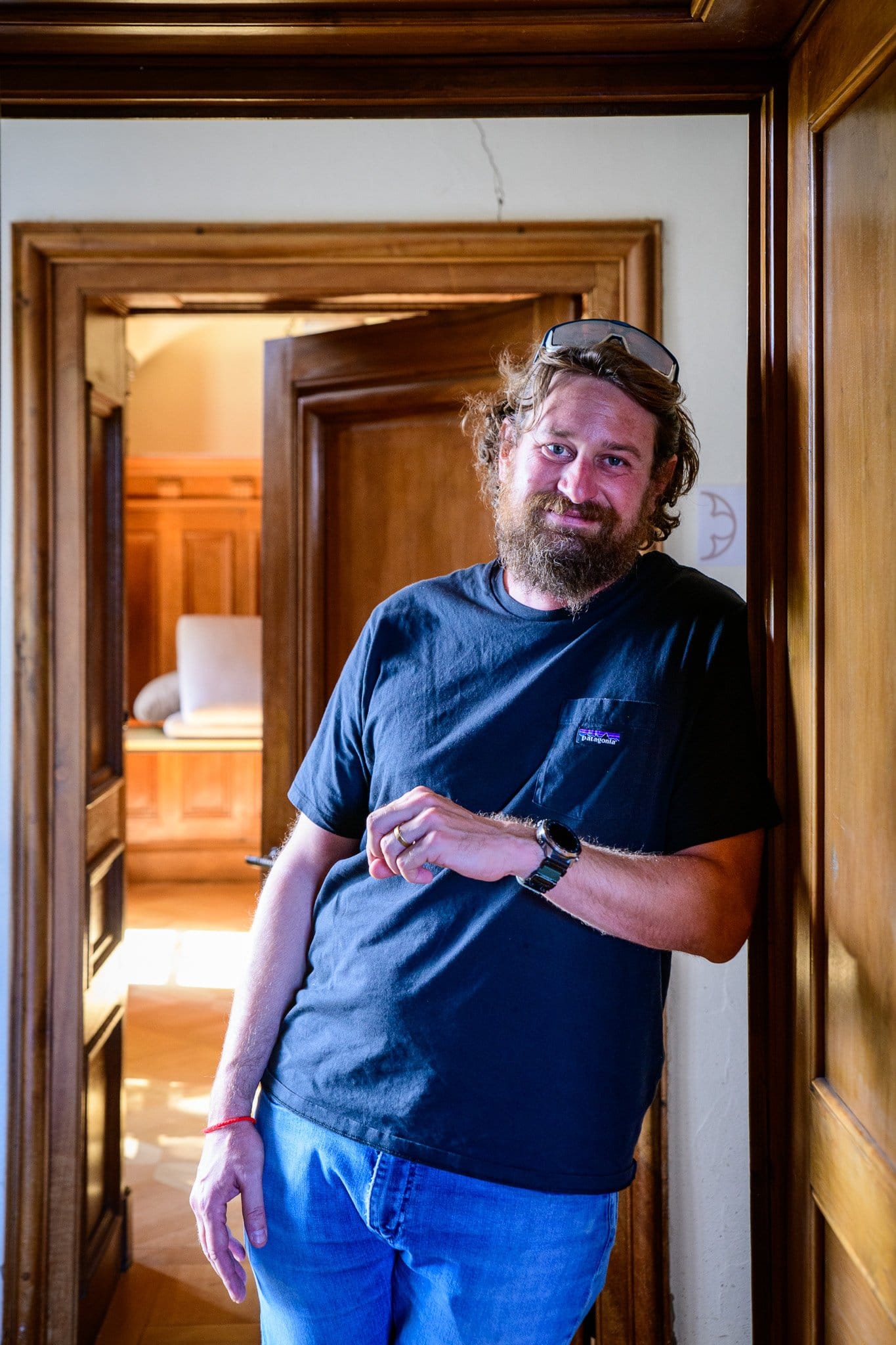
“We were new at this, and we actually had the chance to have people who knew the job like the back of their hand. This was the logical thing to do, and it’s mostly worked out fine,” Maxime explains.
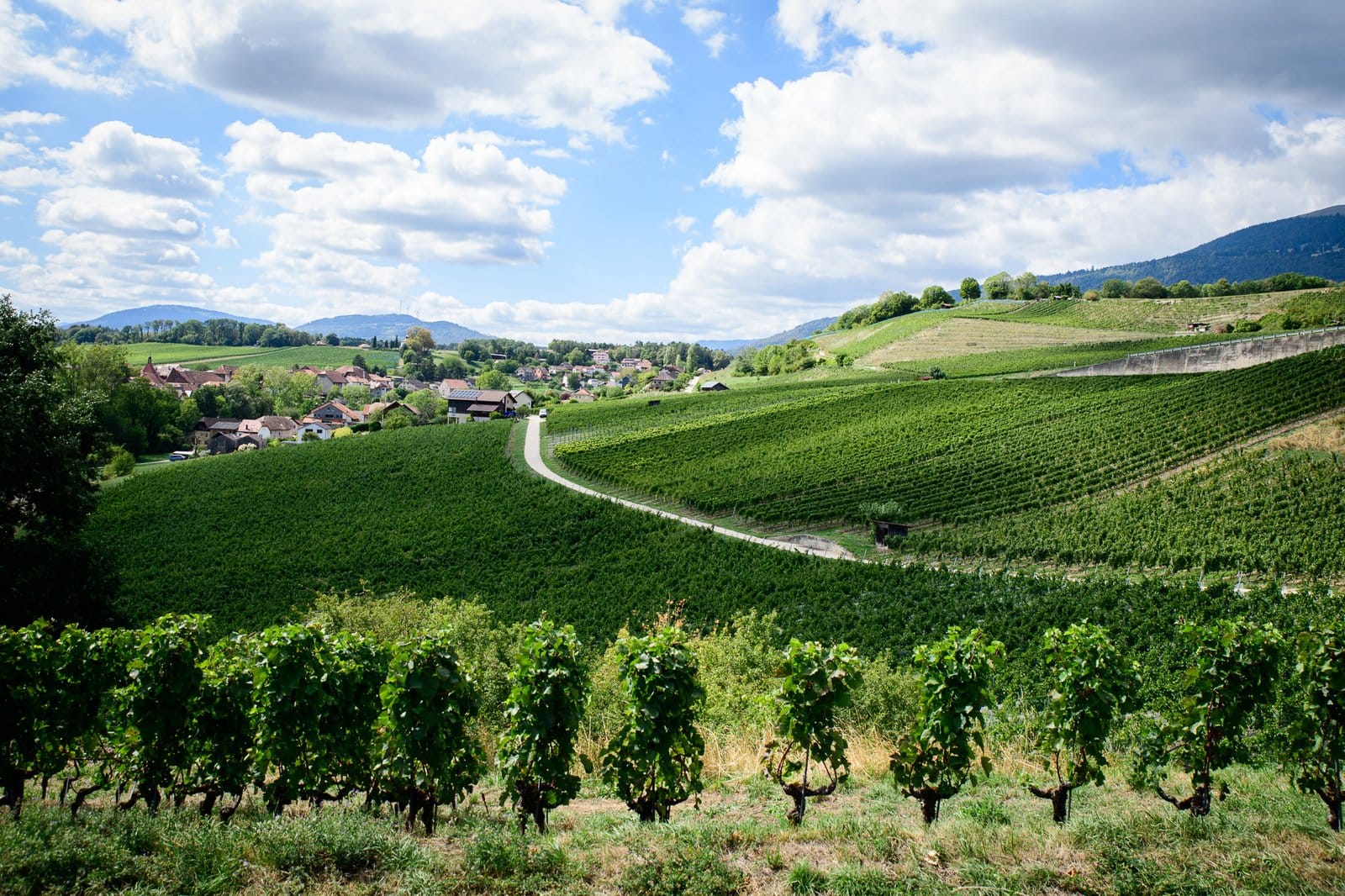
Maxime then takes me on a tour of the Domaine du Manoir’s vineyards, mostly Pinot Noir, Gamay, some Merlot, and a couple of local grape varieties such as Gamaret and Garanoir.
The soils here are quite different from those around Malessert, we are now in the Côtes de l’Orbe. Since taking over in 2020, the Sothers have also been gradually moving towards organic farming, and they encourage life on their vineyards.
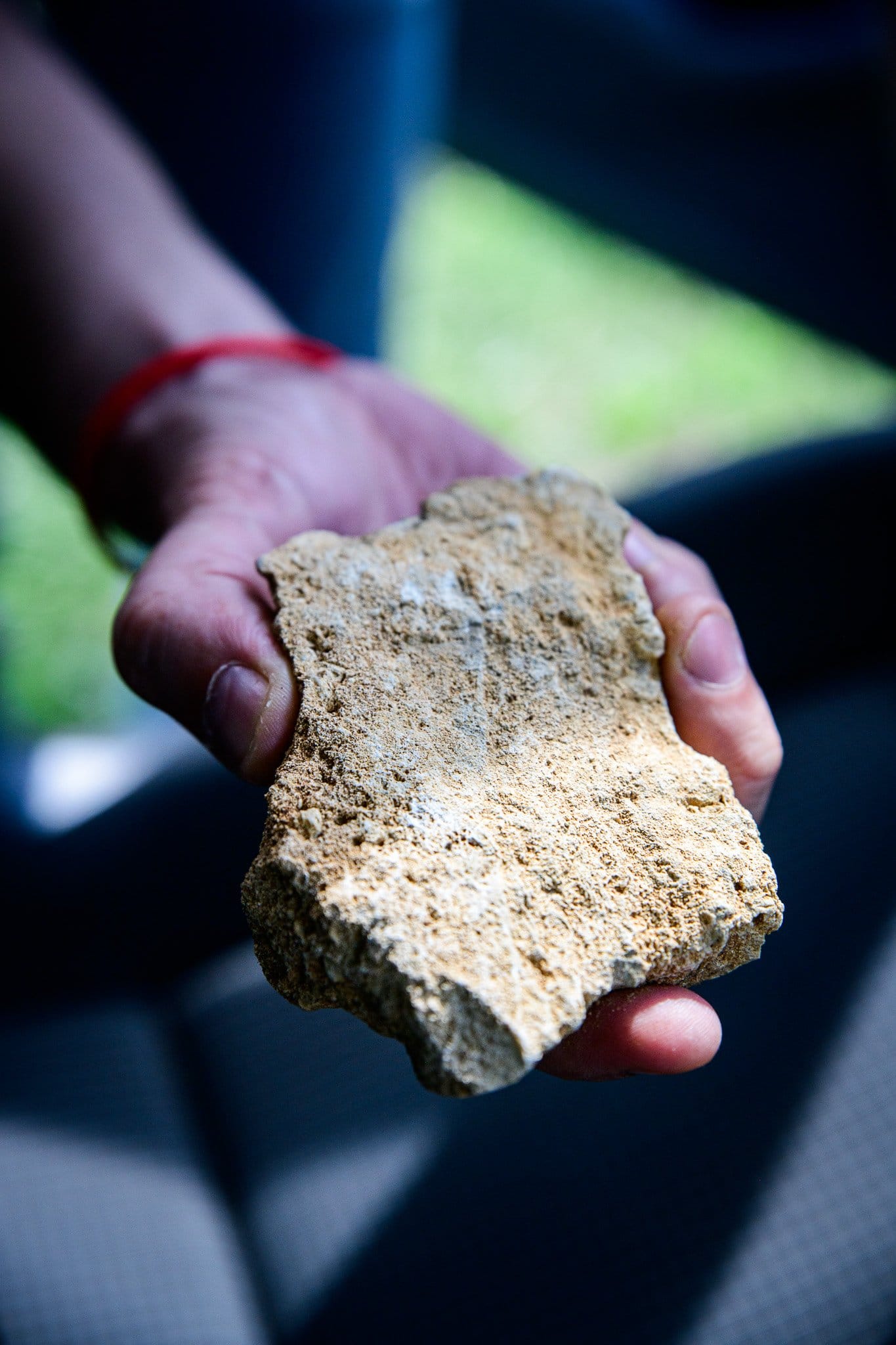
This is also one of the ideas behind another ambitious project that Maxime takes me to see: la truffière (aka the truffle farm).
Long-term vision
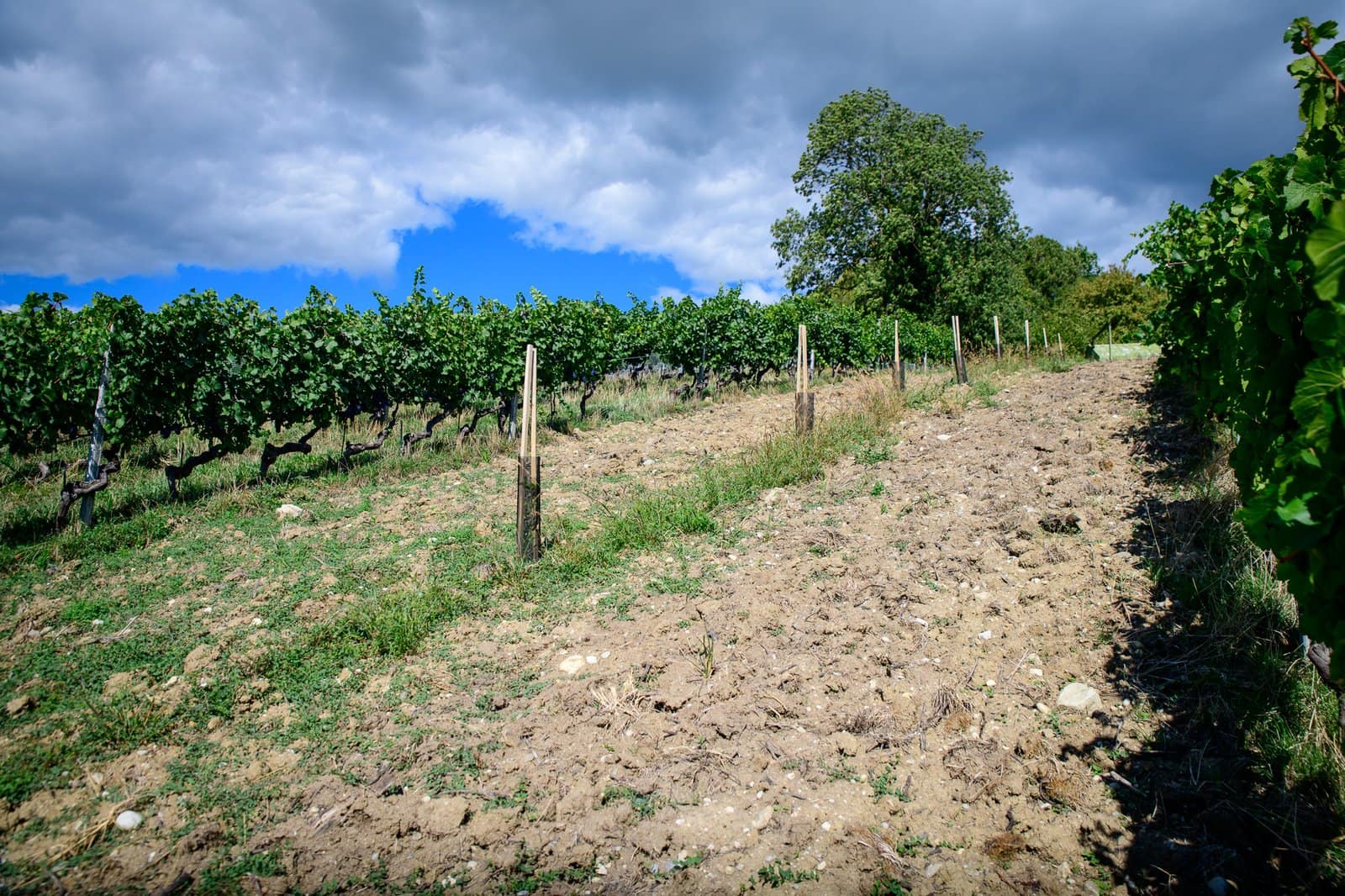
Maxime takes me around alternate rows of vines and baby trees, composed of hazelnuts and oaks inoculated with truffle fungus. The truffière is a long-term bet. The mycorrhized trees were only planted last spring, and if everything goes according to plan, the first truffles should appear in about ten years. But they have already had a little encouragement: Pierre-Olivier borrowed a Lagotto, a dog bred for truffle hunting, and the dog immediately found a truffle just next to their parcel. “So, we’re quite confident,” Maxime tells me. Ten years is a long time to wait, but at least the dog seems to think they’re onto something.
They are also experimenting with biodiversity around the vineyards, leaving areas with pebbles and rocks where they do not interfere with the tractors, creating habitats for insects and lizards.
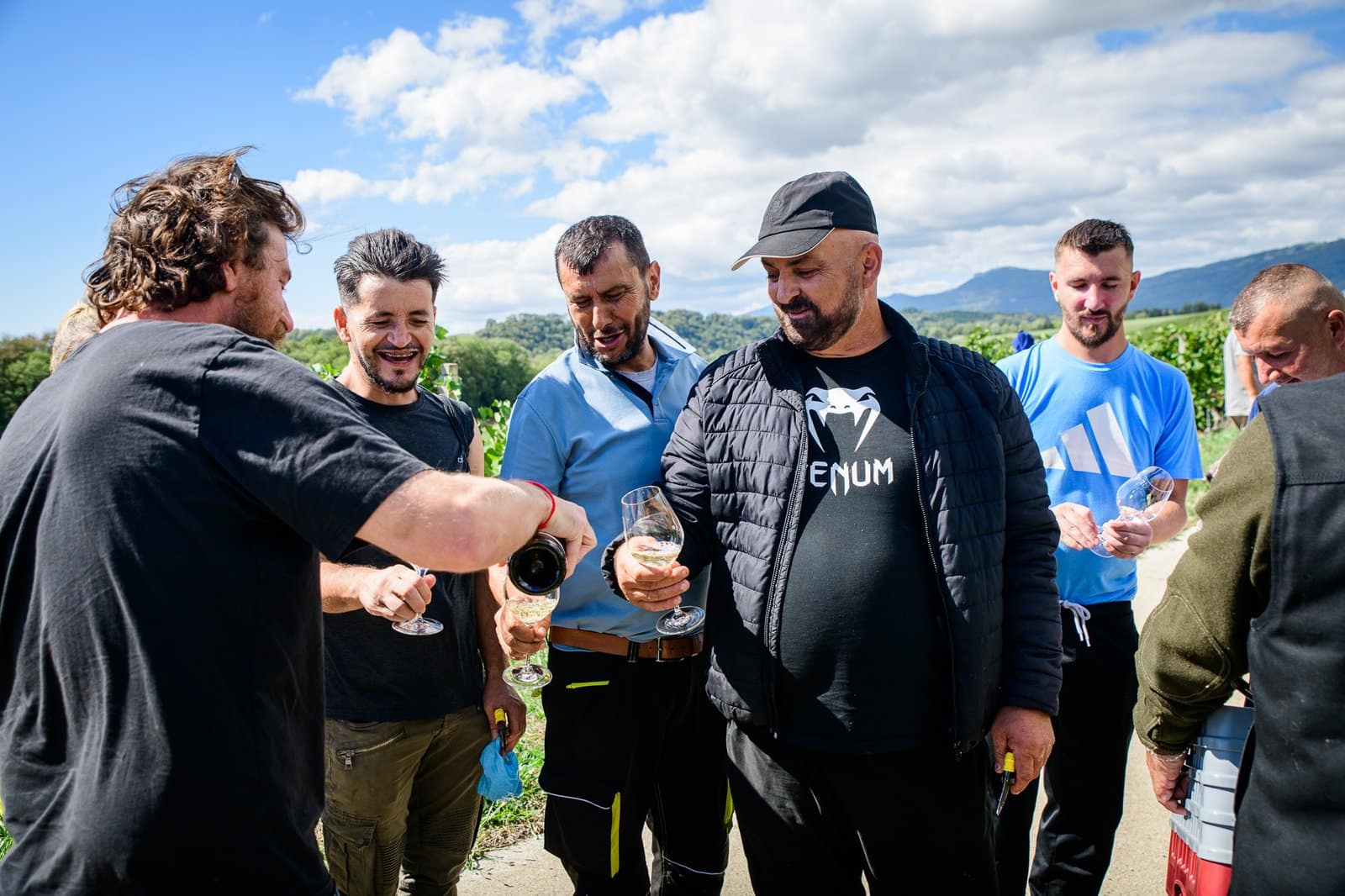
After our little walk around the truffière, we ride in Pierre-Olivier’s SUV, bumping our heads to old-school Quebec hip hop that would make grannies blush. We meet up with the harvest team, who have now travelled to the Domaine du Manoir vineyards and are working on the parcels of red. It’s time for a little ‘team building’ – or “tonus”, as my Georgian neighbour used to call it – meaning pouring a couple wine glasses for the team. Maxime and Pierre-Olivier unload boxes of clean glasses and start pouring the Chasselas generously until morale is back where it should be, but before this could turn into nap-inducing energy.
Once the bottles are empty and we’ve collected all the glasses, we head back to the Domaine du Manoir, where I get to see the Tonnellerie in action, as the master cooper is giving a tour to a group of visitors.
The Tonnellerie
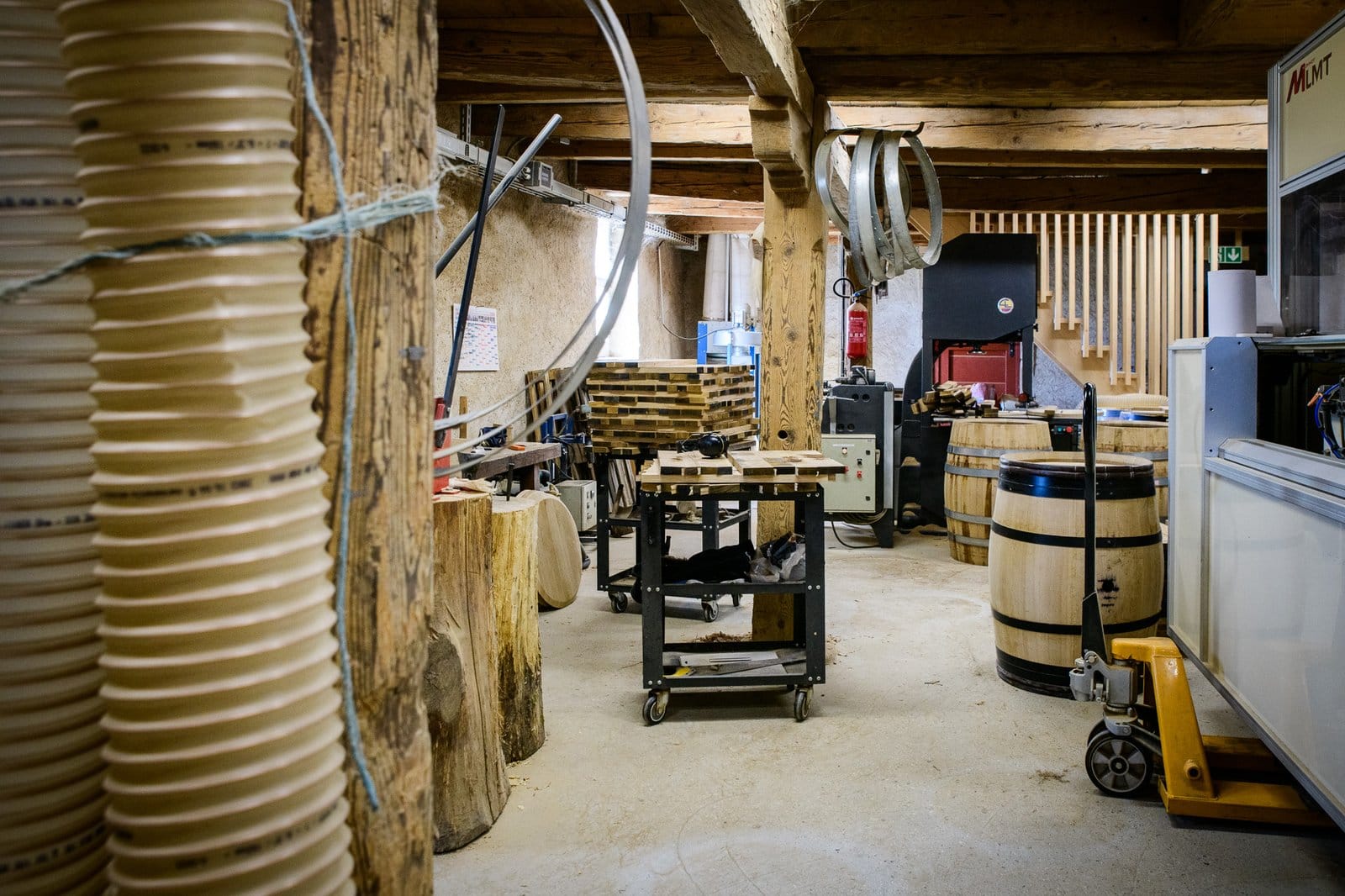
I have seen plenty of wine cellars, but this was the first with their own cooperage. With two full-time employees in their 20s, it is certainly encouraging to see the craft being passed on.
The idea is not far-fetched – if we keep talking about terroir, it makes sense to use wood equally from the region.
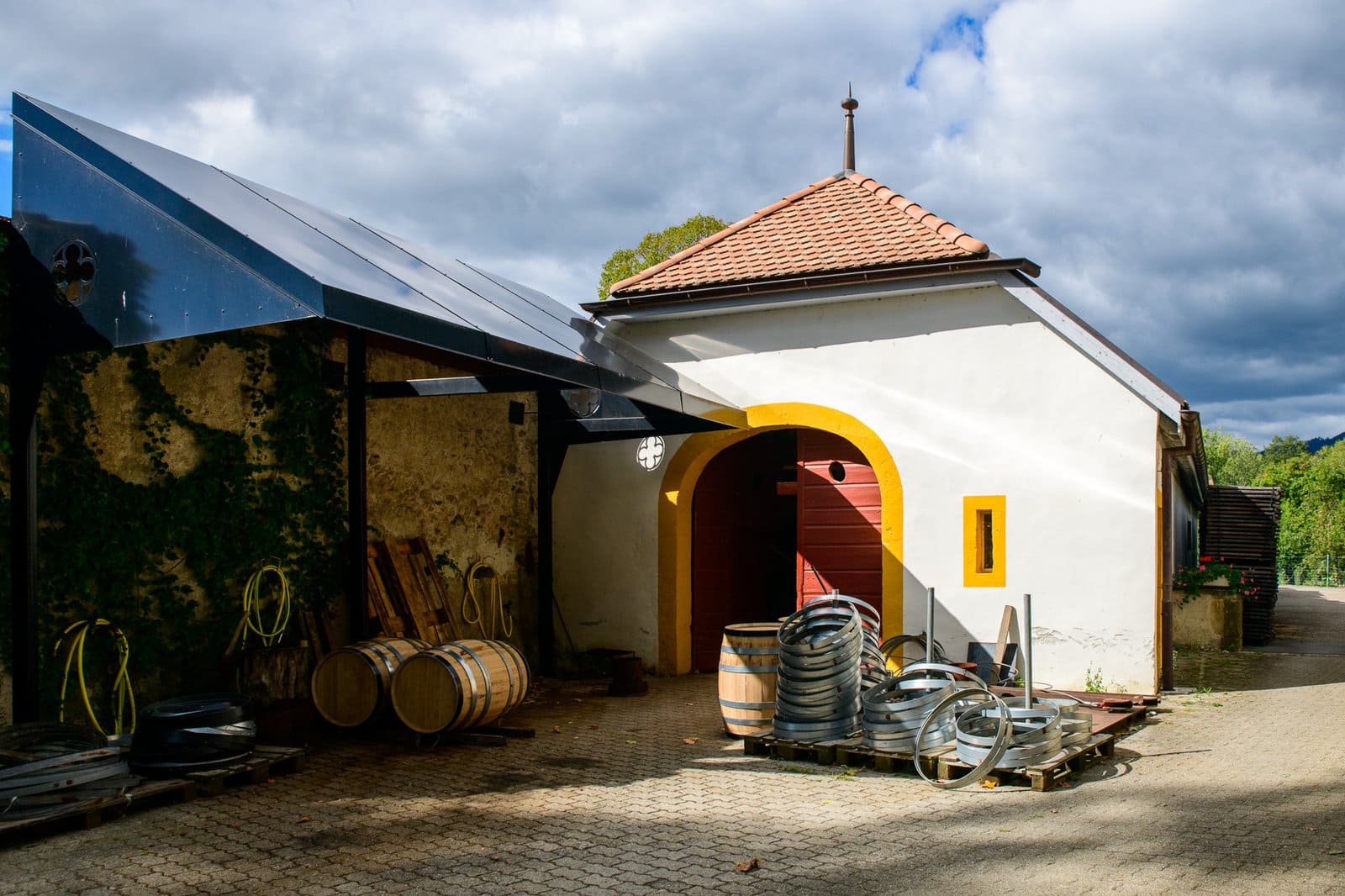
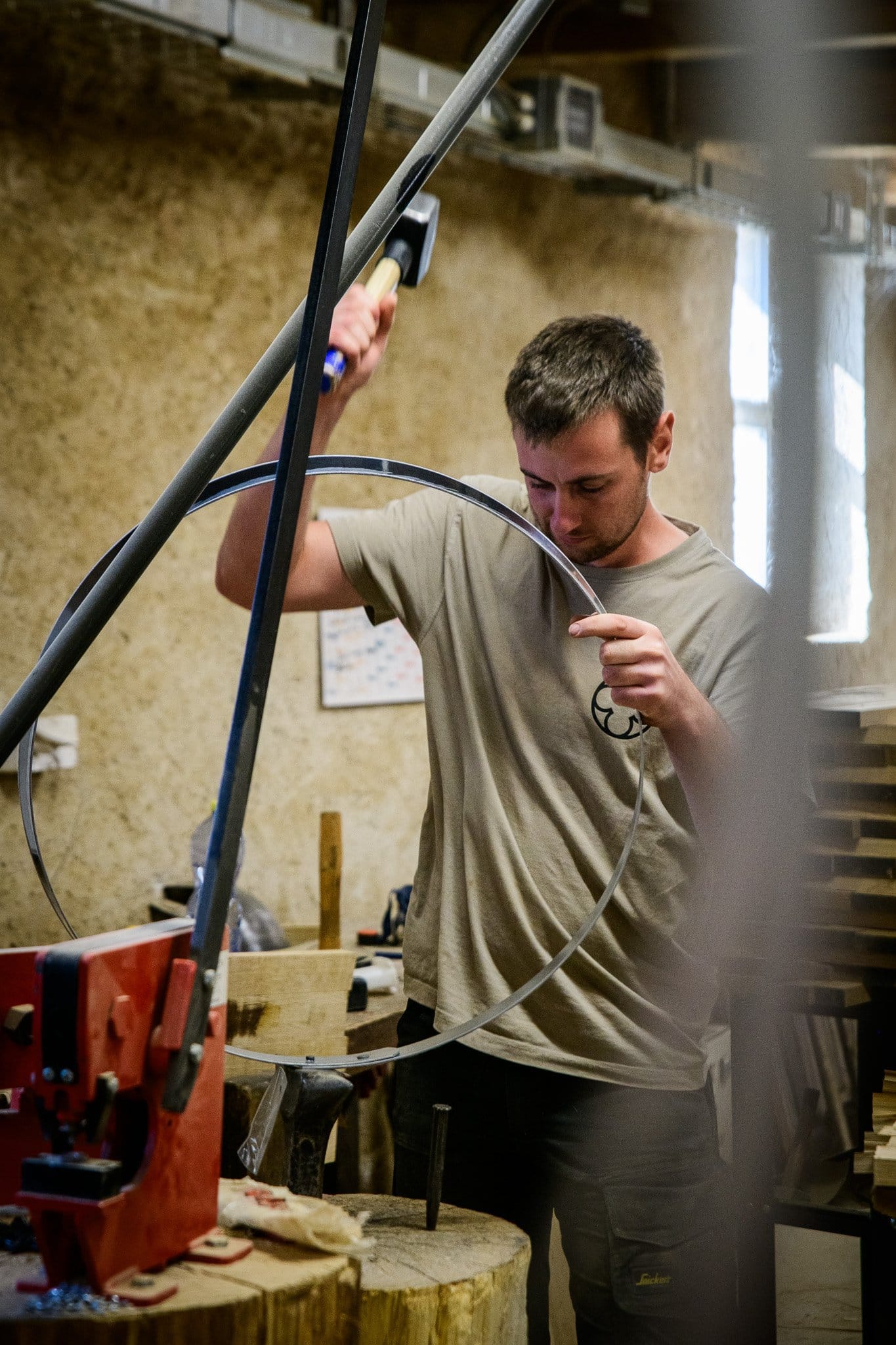
Inside the workshop, the air smells rich with toasted wood and sawdust. “Making a single barrique takes about eight hours of manual labour,” Rémi Merlier explains, showing how they use traditional reed as a natural watertight seal between the barrel heads.
Their barrels range from 140 to 500 litres, offering a versatile middle ground between traditional single-barrel sizes – such as the 225-litre Bordeaux barrique and 228-litre Burgundy pièce – and massive traditional ageing vessels like the roughly 900-litre Bordeaux tonneau (historically a unit of measure as much as a vessel) or the multi-thousand-litre Burgundy foudre.
The process is a mixture of old craft and industrial machinery: staves are prepared, shaped and assembled, the wood is heated and bent, the hoops are fitted, the heads are inserted and the whole thing is sanded and tested for leaks.
The Sothers also sell their barrels to other producers, although convincing a winemaker to abandon a cooperage they may have worked with for ten years is no easy task. The first reaction, understandably, is to let someone else take the risk. It took longer than expected, but the situation is changing as the producers who’ve tried them were very happy with the results, and word of mouth is strong. Many current orders are now coming from repeat customers.
Rémi Merlier, Master Cooper
Beyond crafting standard barrels, the team is continuously analysing how different toast levels interact with Swiss oak, working alongside the Changins viticulture school to study aromatic compounds in the wood and fine-tune their barrel toasting to respect delicate fruit profiles.
Le Château de Malessert
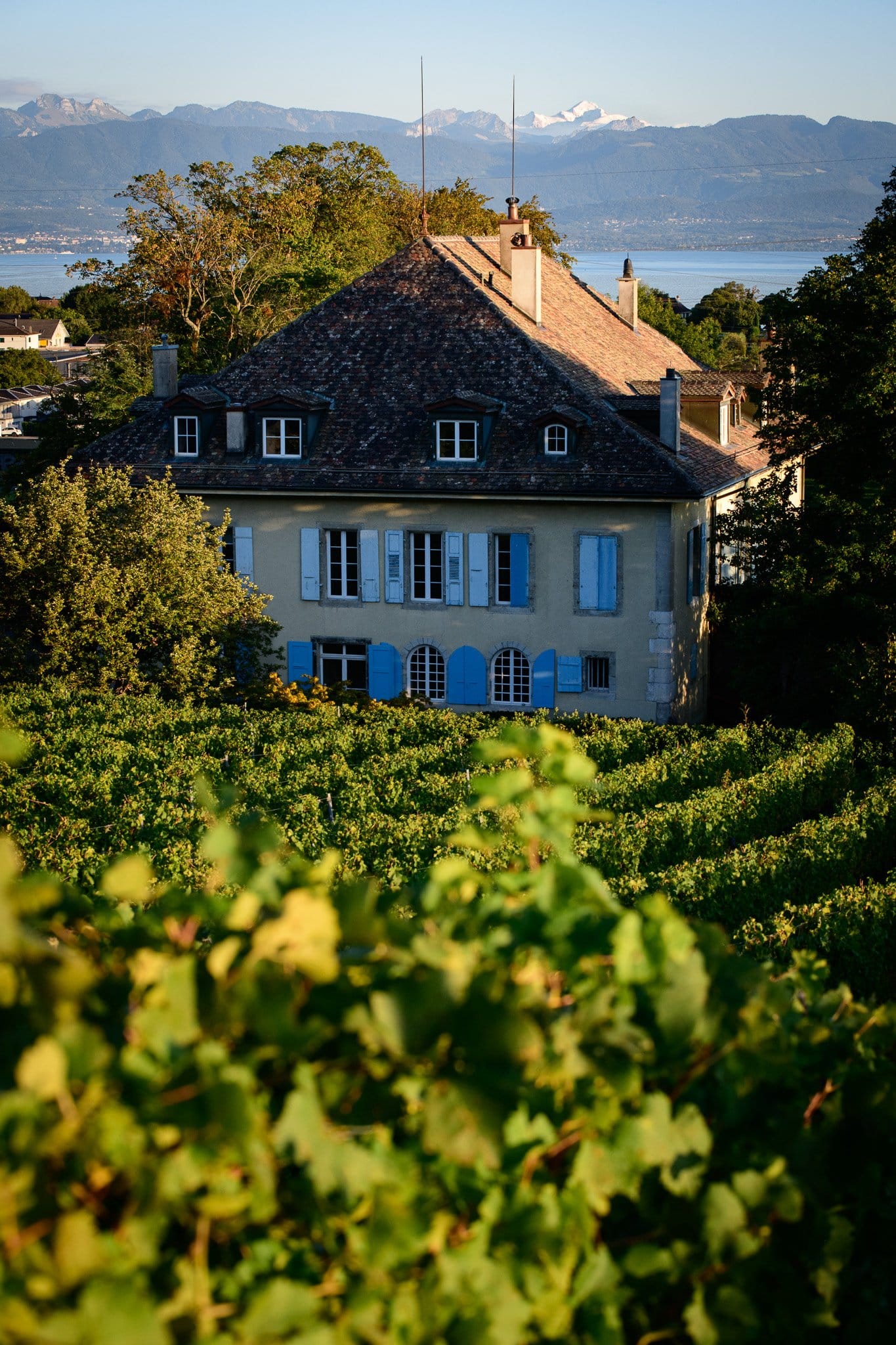
The next day, we are back at the winery, and I get the chance to visit the Château de Malessert.
The history here goes way back. The earliest trace is a document from 996, when the plot – then known as the Clos de Bougel – was given by a priest named Marin to the Order of Cluny, represented locally by the abbey of Romainmôtier. The Sother emblem itself draws from Cluny Abbey’s architecture and medieval imagery, because both estates share this Cluniac past.
There is no surviving building from that period, but a “clos” by definition meant an enclosed vineyard, so the land was almost certainly already under vine. The château itself came much later. Its oldest surviving beams date from 1600, and the building has been modified countless times over the years. There is a medieval tower. There used to be a moat. The old stables still have the original feeding troughs, with a clever system that allowed hay to be dropped directly from the floor above. Upstairs is what was once a saddlery.
Somewhere else, a large tank was once used to prepare the copper and sulphur treatments for the vineyard. A network of pipes and a large pump allowed the mixture to be distributed across the vines. The system dates from just after the Second World War, and the copper has left blue stains across the walls.
Inside, the château looks far larger than it did from the outside, and the rooms are incredible: a gigantic bathroom, almost like a bathhouse, that once belonged to a wealthy Saudi, conference rooms covered in wall paintings, an odalisque-like sofa, and a superb ancient stove, among so many more other things. This place is huge, and just like the Domaine du Manoir, it offers so many possibilities that my mind gets dizzy just thinking about it.
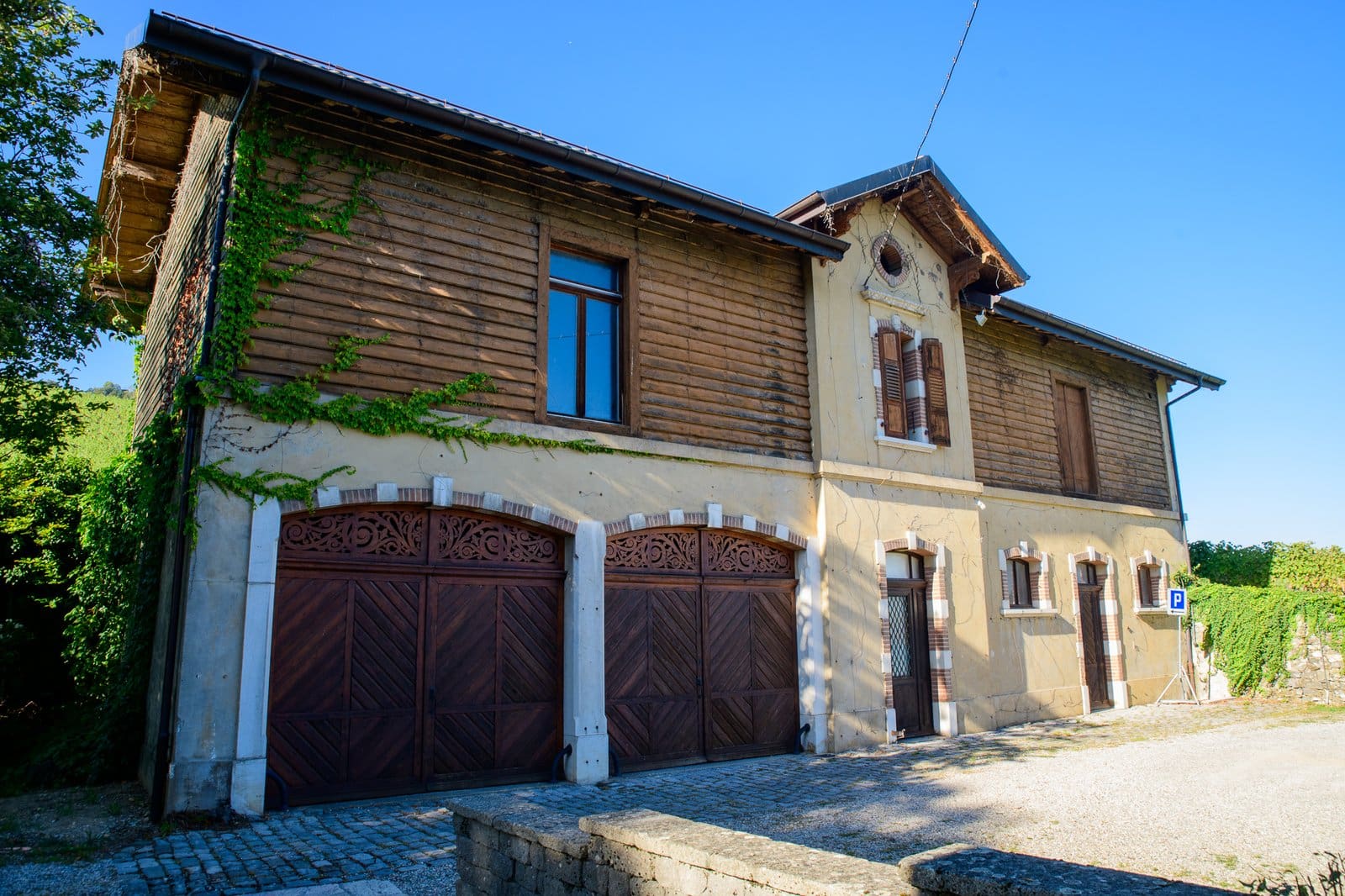
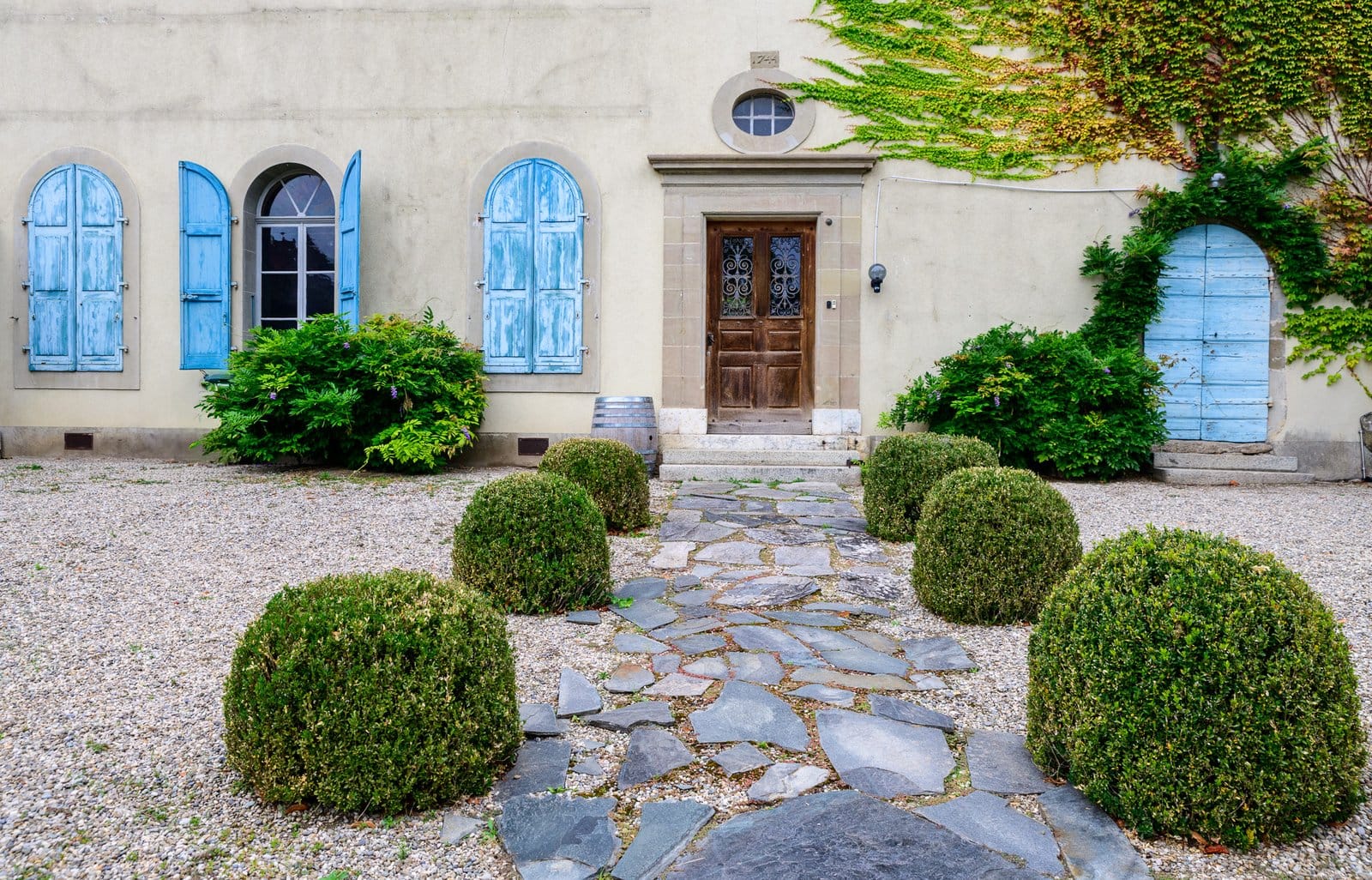
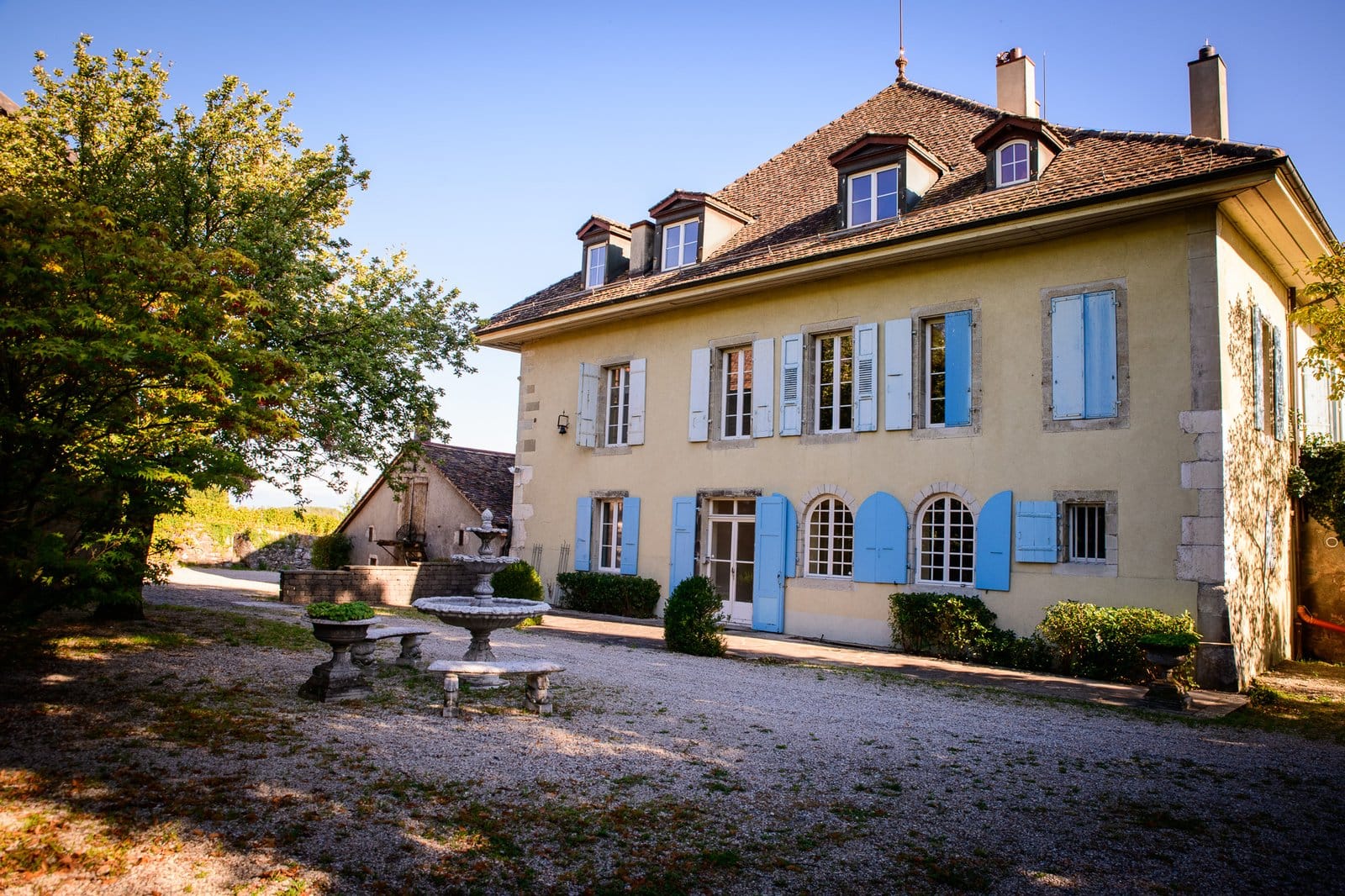
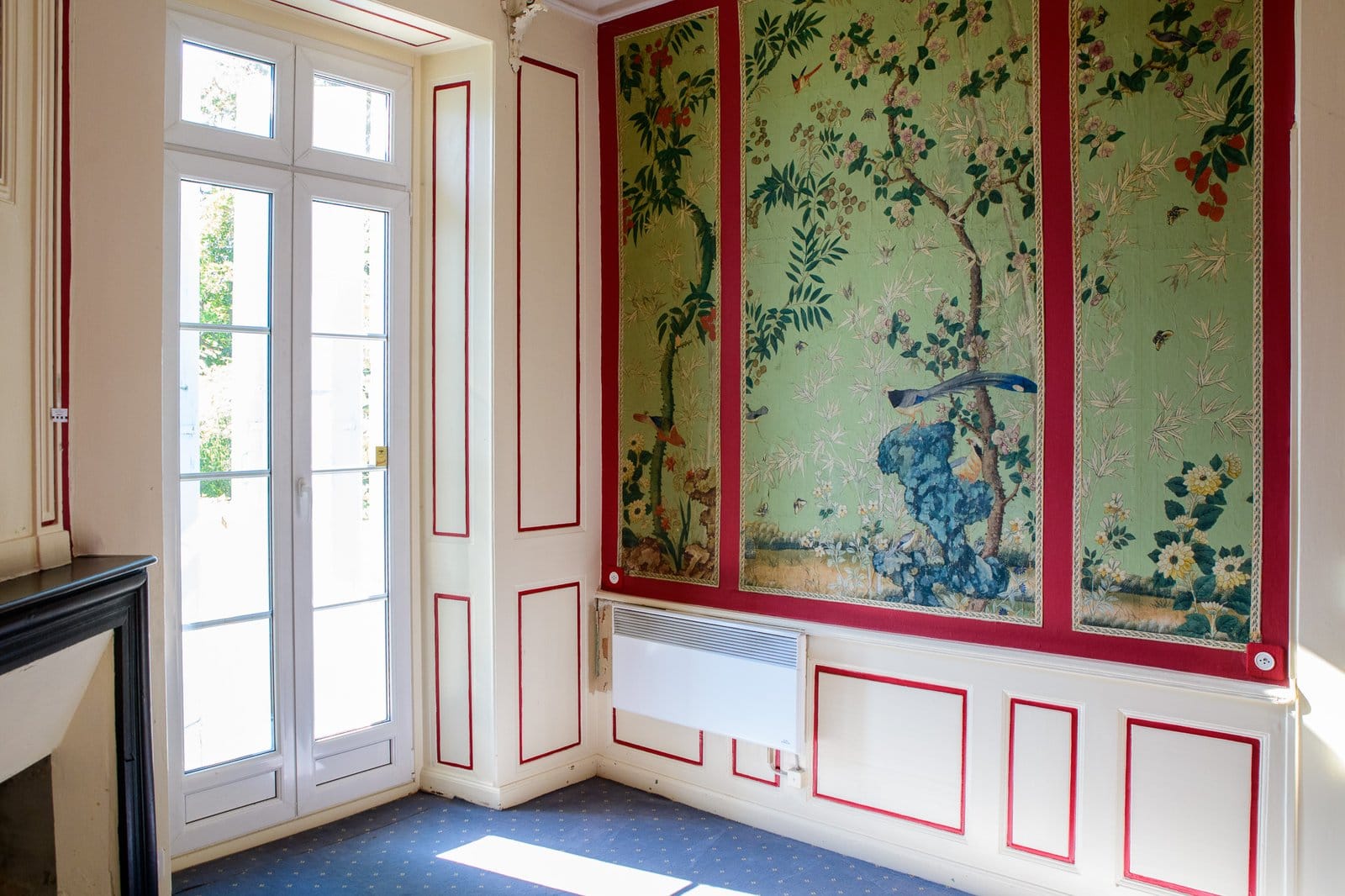
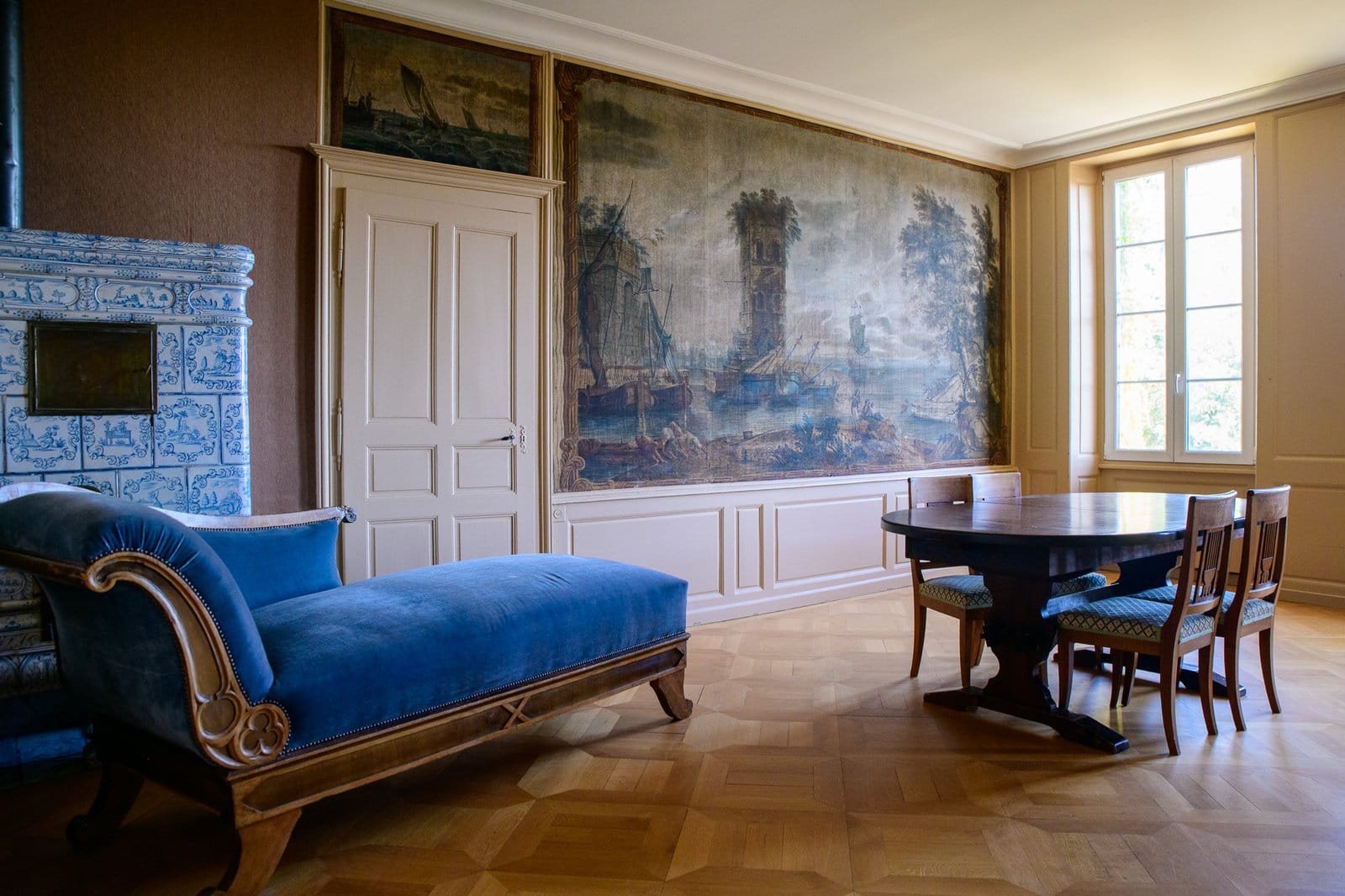
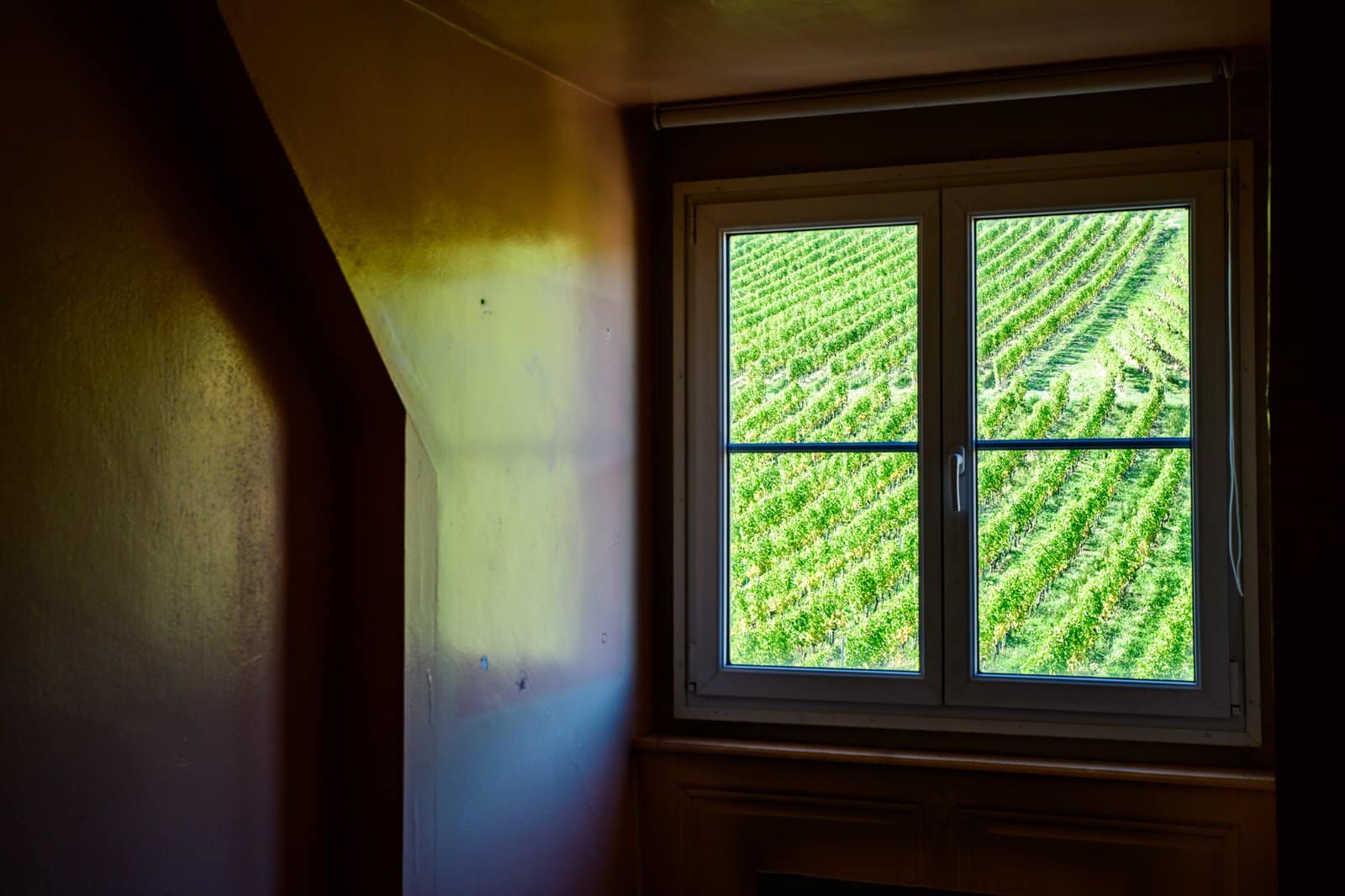
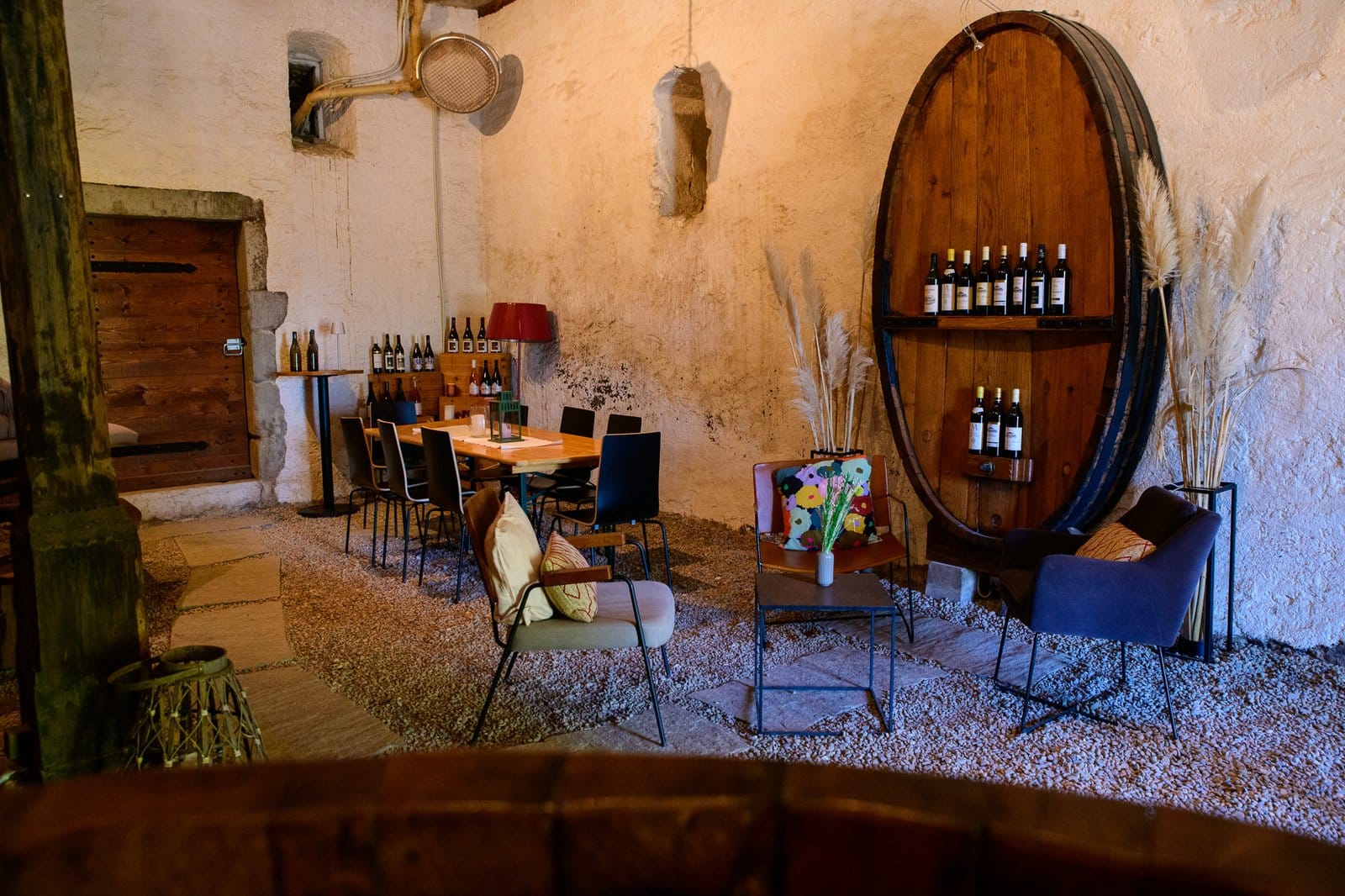
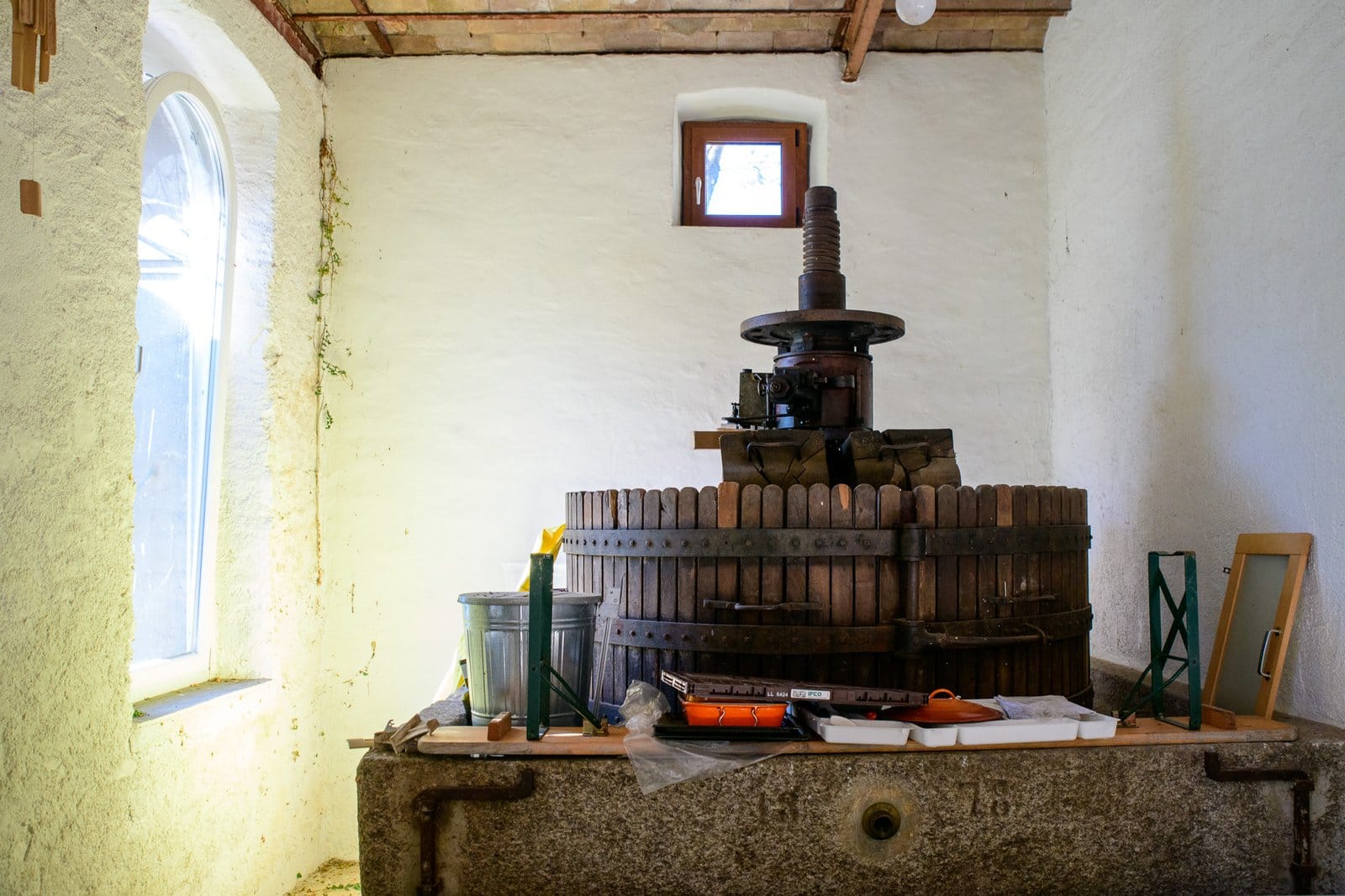
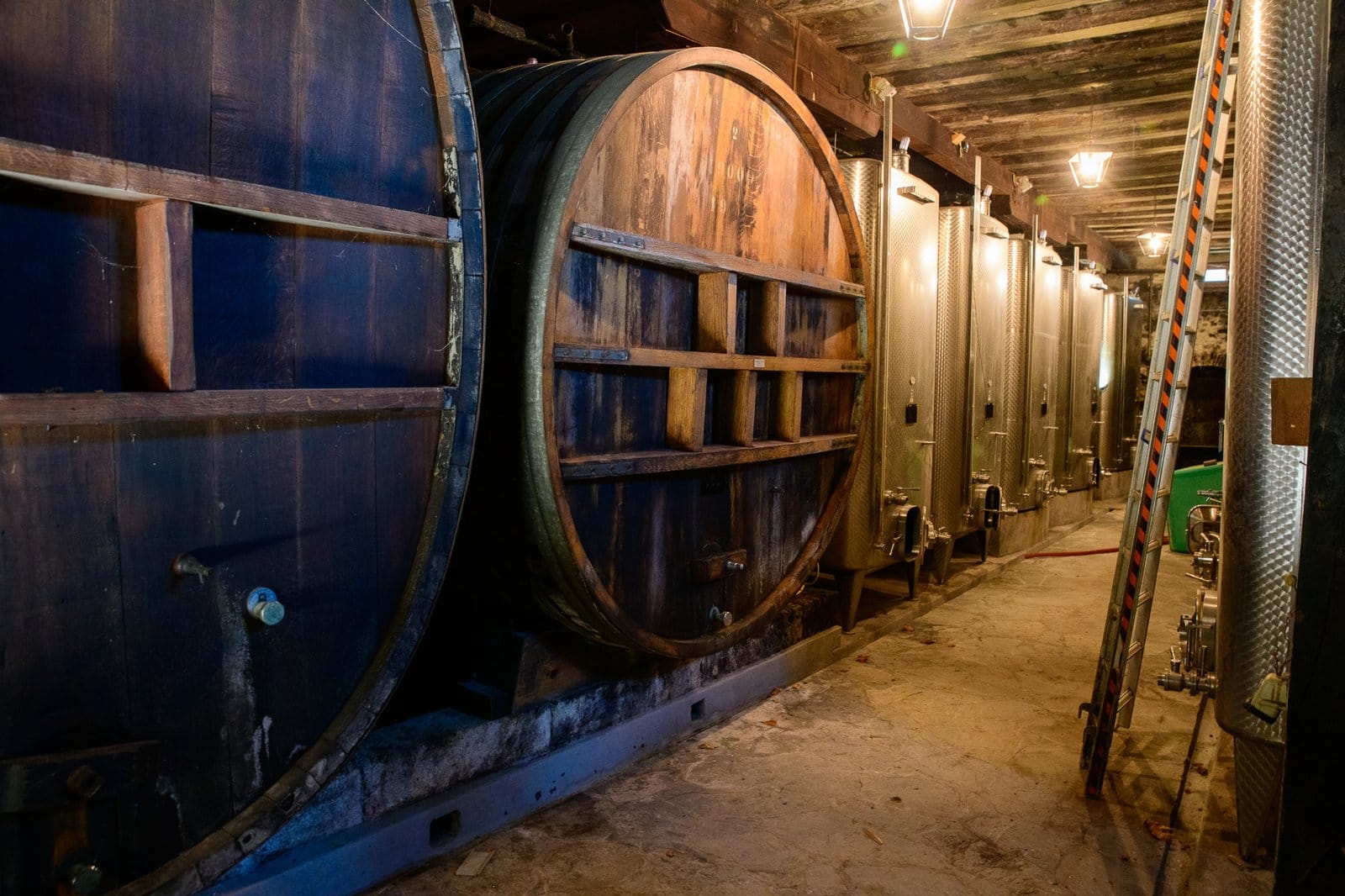
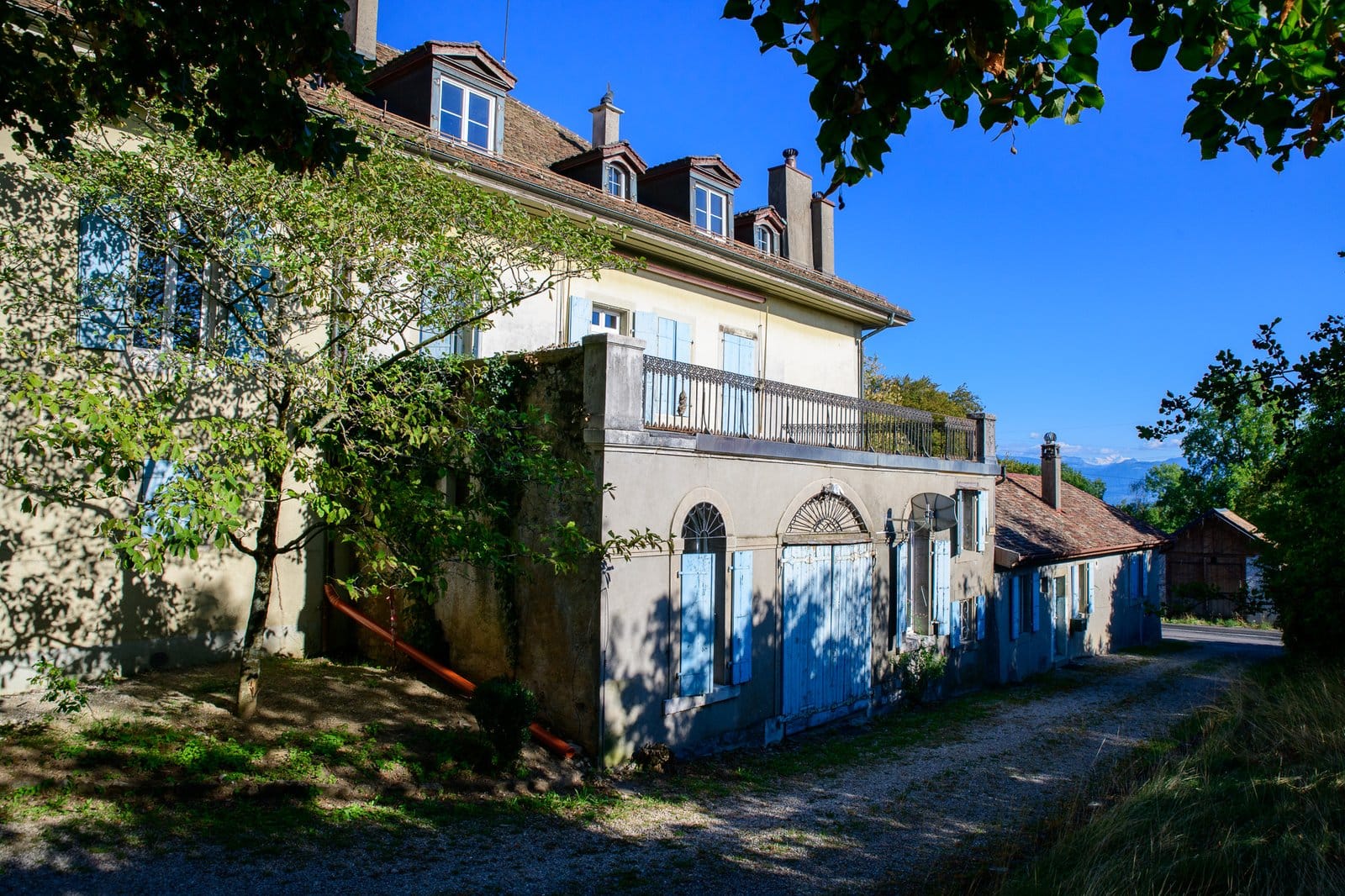
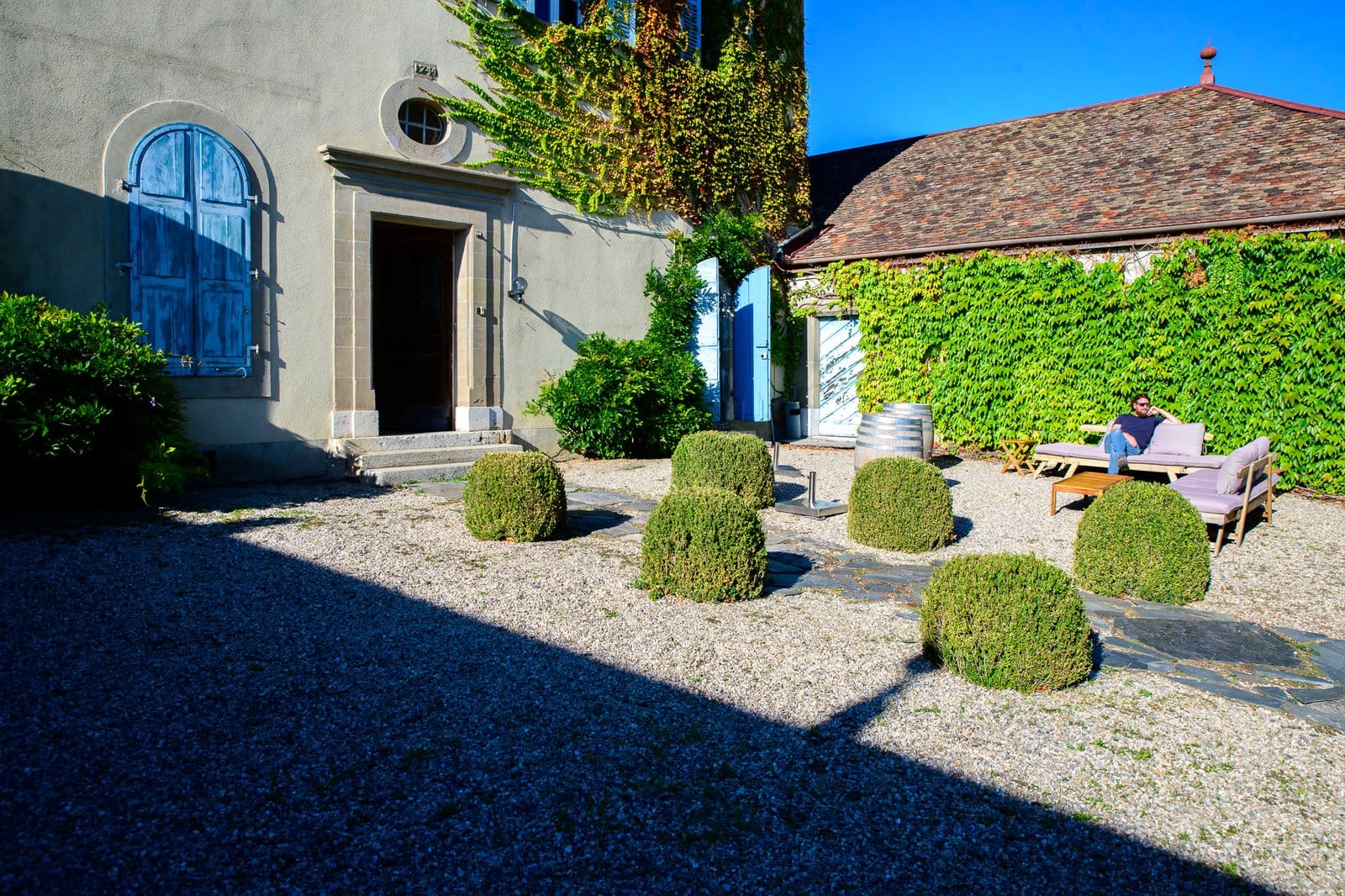
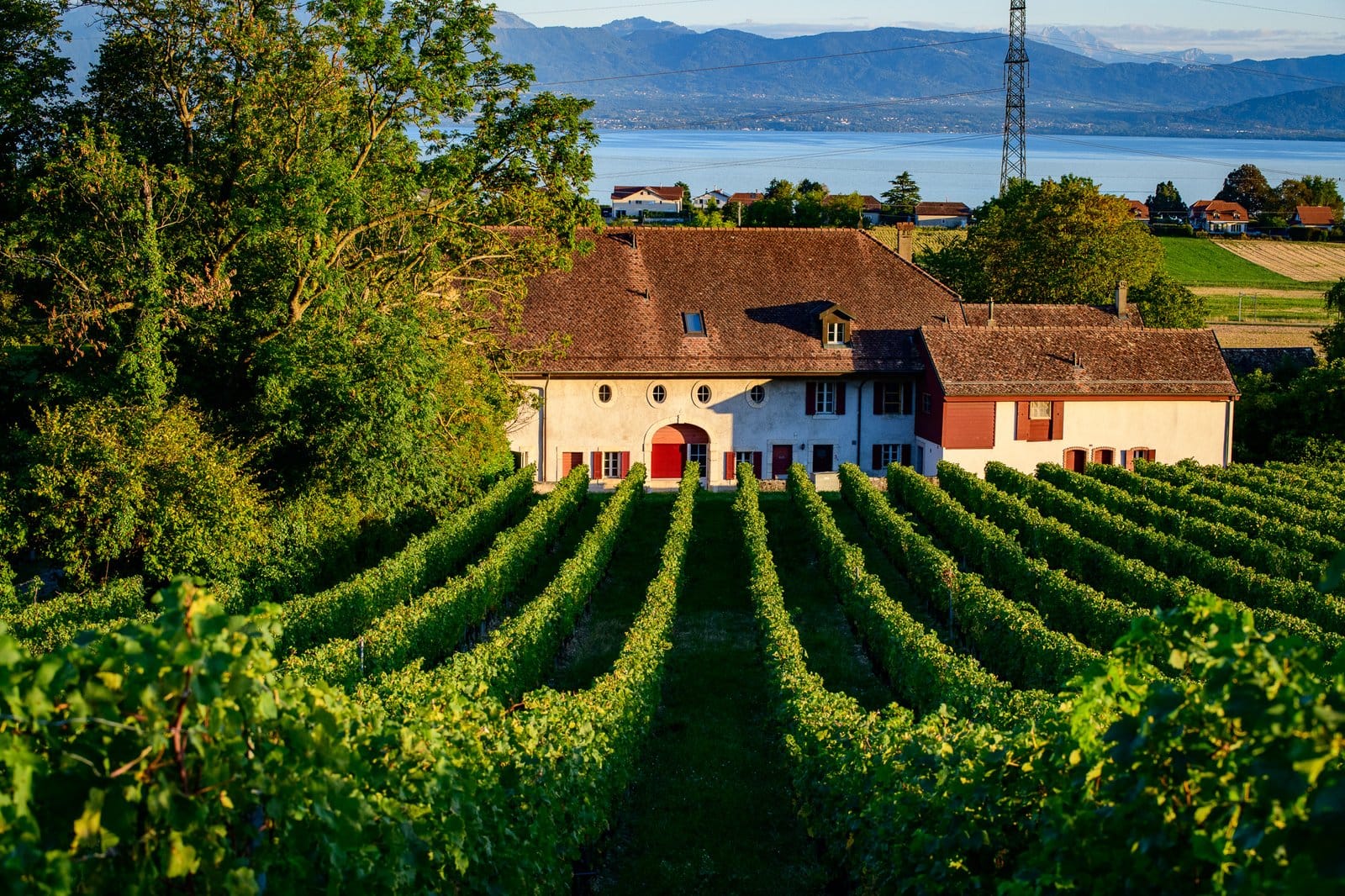
The main project is renovations to turn the castle into a hotel that would offer a perfect landing spot for wine tourism, but they are also considering several add-ons. They want the place to live again.
I don’t hide my awe at all the work involved and all the fronts on which Maxime must operate with such a small team. “Well, my dad always says that a business that stops investing is a business bound to die,” he says. “And I agree with him. One thing at a time – I try to see the big picture.”
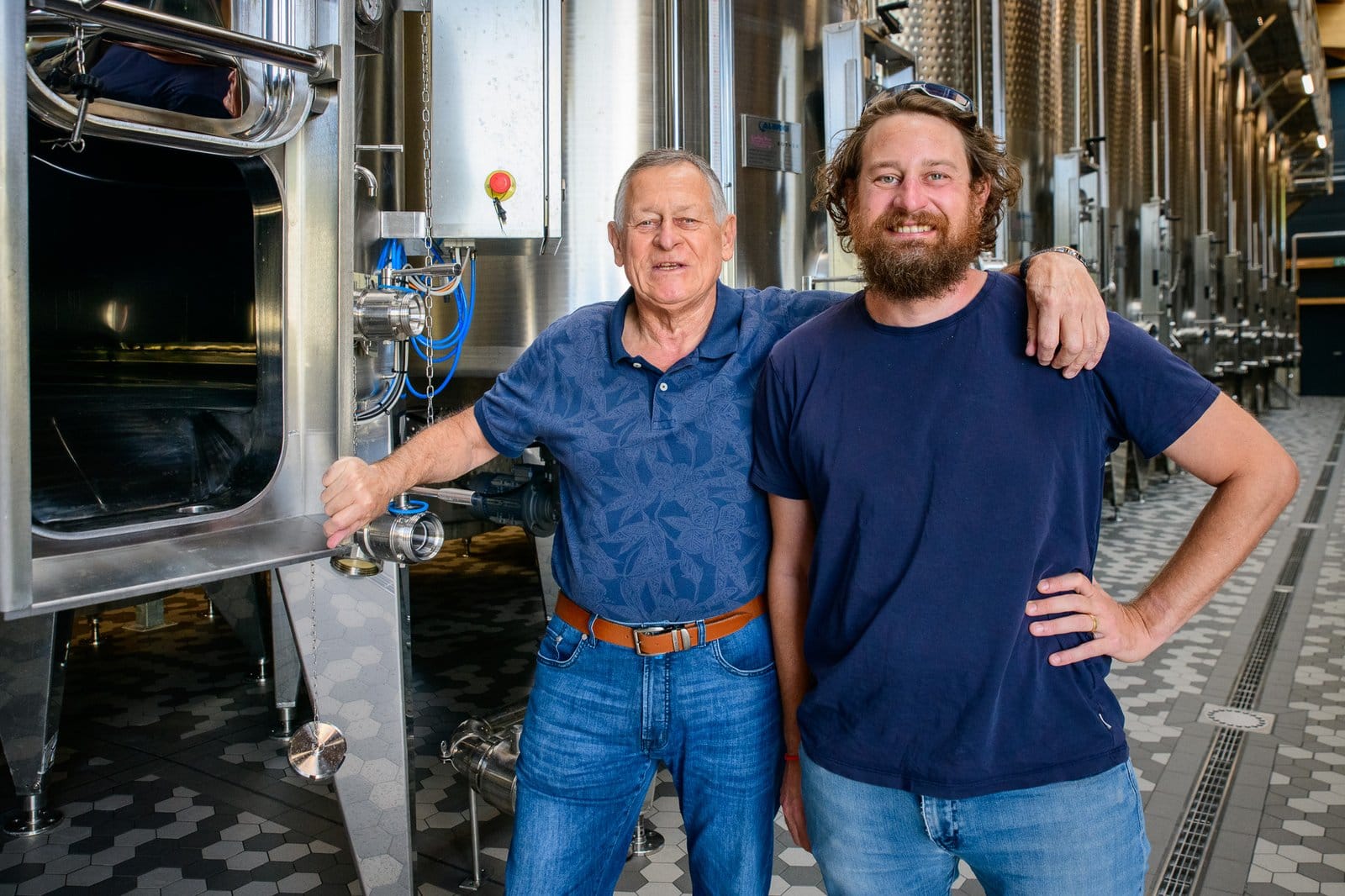
Speaking of his father, I got the chance to meet him in person as he was passing by the winery for the pressing of the year’s first grapes. An opinionated man of character, he did not hide his views on the issues they face with the restoration of the castle. He finds some of the rules around historical preservation frustrating, to say the least. “Why should a building that has been modified by every generation for centuries suddenly be required to freeze in the style it happened to have in the twentieth century? History didn’t just stop one day. If the people who lived there before us were allowed to adapt the building to their time, why shouldn’t we be allowed to leave a mark of this generation?” Continuity does not mean keeping everything exactly as it was, but rather allowing the story to continue.
There is definitely a strong family vision to all of this. The estate is not being developed as a collection of isolated projects, but as something closer to an ecosystem: vineyards, wine, barrels, buildings, hospitality, and truffles…in ten years, if things go well.
From Vaud to the world
The wines themselves are still at the centre of it all, obviously.
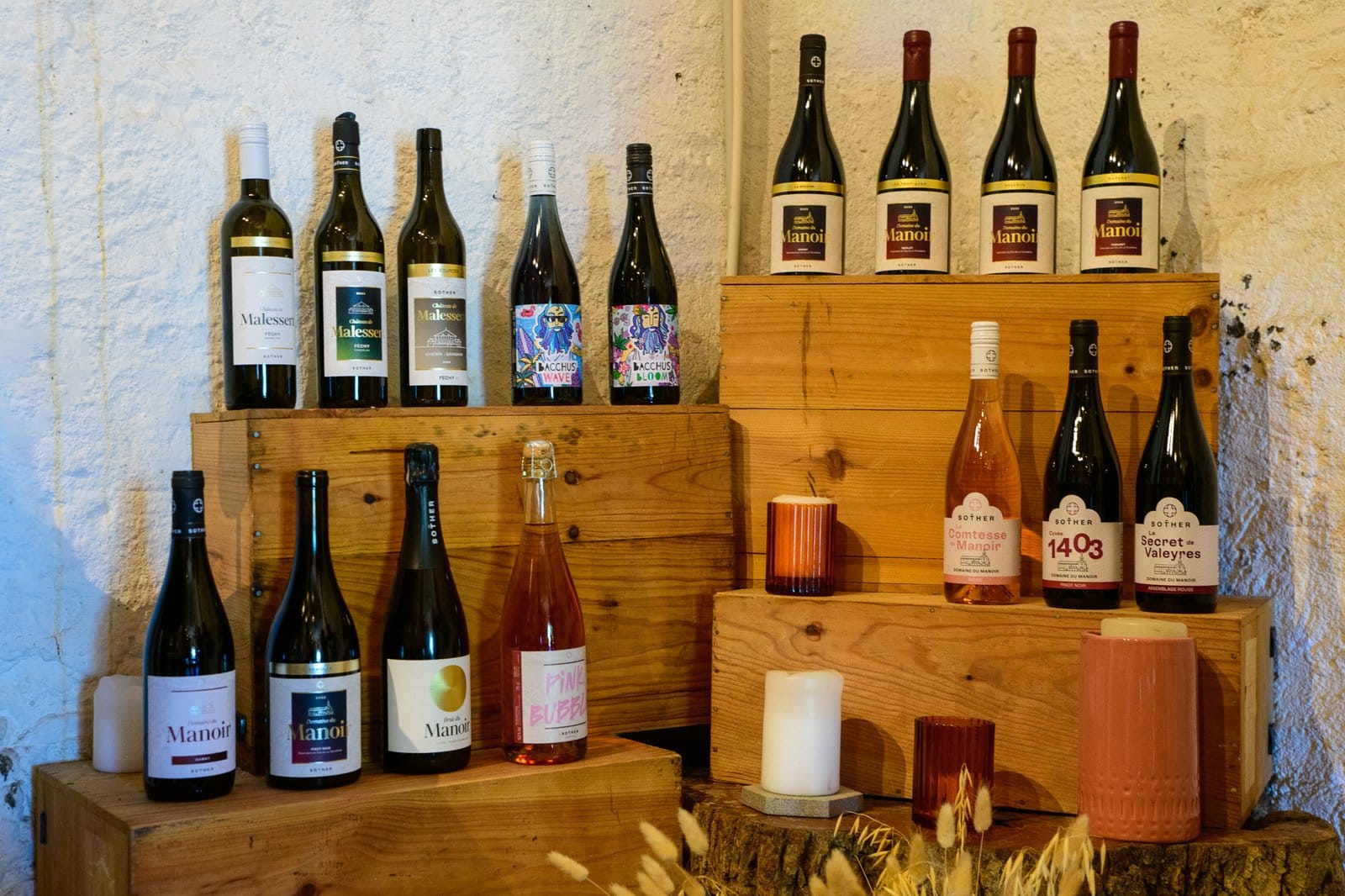
The Domaine du Manoir counts about 24 hectares of red plantings, and the red wines in the current range are effectively a new chapter, because the grapes are now being vinified and bottled by the estate itself.
The red range runs from entry-level to flagship, starting with Le Secret de Valeyres (2024, a blend of Gamay, Pinot Noir and Garanoir) and Cuvée 1403 (their first Pinot Noir) both vinified in tank, built for straightforward, fresh fruit. At the other end, En Biolex (2023, Pinot Noir from a single plot in the village of Champagne) shines with powerful elegance and La Bassine (2023, Gamay off deliberately poor marl soil) surprises with very deep black fruit. Both have aged in barrels from the estate’s own cooperage for12 and 15 months respectively.
The Château de Malessert, meanwhile, has 15 hectares dominated by Chasselas – the grape I now count myself a devoted fan of. Its two established white wines are mostly a continuation of tradition, which the family has carried on with their own vision and care. This continuity is also what allows their top Chasselas to carry the Premier Grand Cru Féchy designation, a classification with requirements a brand-new estate could never meet. To qualify, producers have to demonstrate consistency over time, and the wines are subject to blind tasting: the process looks at five vintages within a ten-year period, while each subsequent vintage has to pass the tasting to retain its place in the annual selection. It is therefore thanks to the consistent quality of vintages both from the previous owners and their own that Château de Malessert can be a Premier Grand Cru – a title that’s back in the ring for a blind tasting every year.
“Isn’t that stressful?” I ask Maxime. “Well, not really – we think that’s a good thing. People know it’s not a qualification you sit on forever. It rewards quality work and carries real weight.”
They also have a parcel of co-planted Chenin and Savagnin, an offering that moves beyond the traditional local white-wine model, which I’ve had the chance to try and found really great. But this one is already sold out in advance, as it’s a small production. “We mostly do this one for ourselves,” Maxime says.
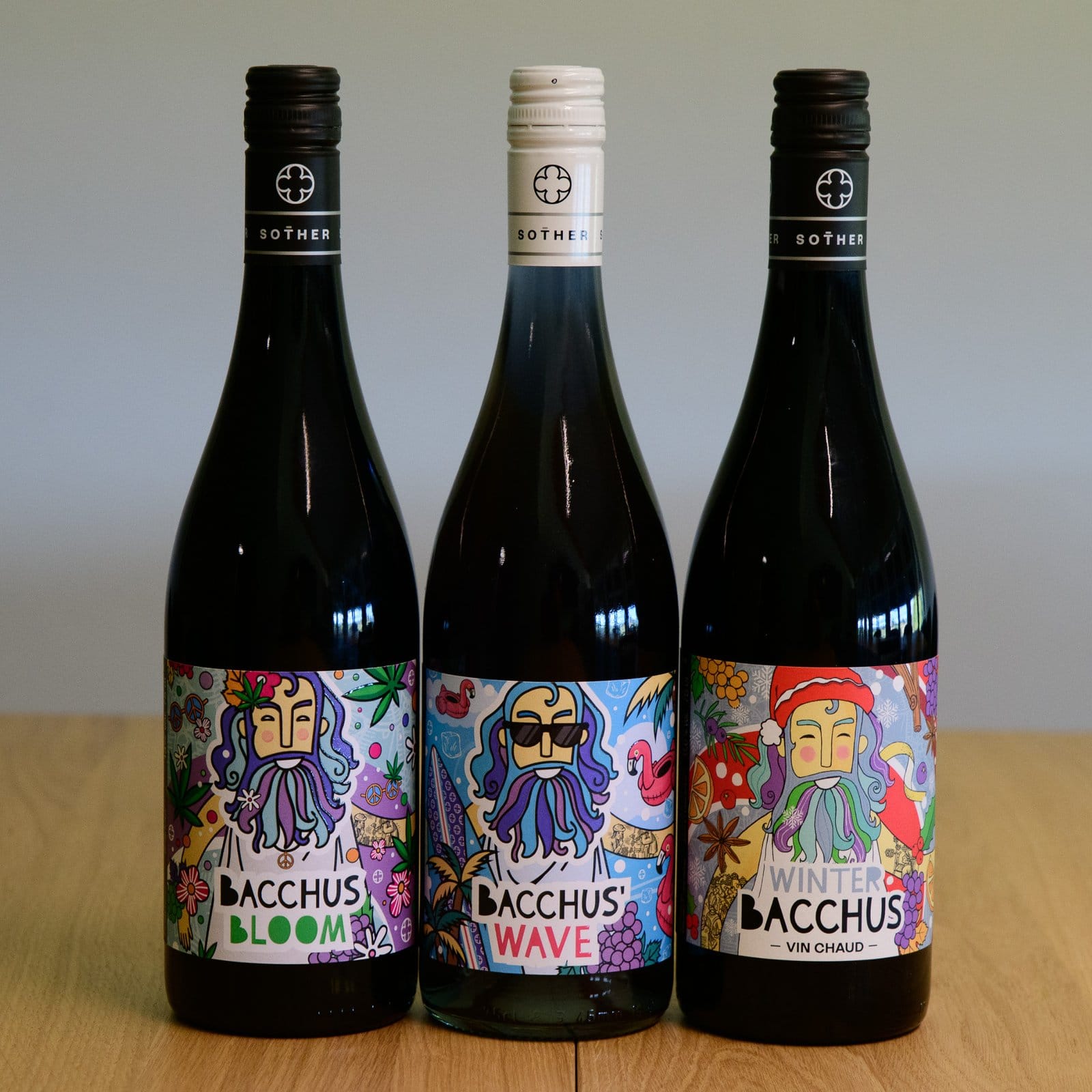
The Sothers are also having fun, and thinking outside the box, trying to get the younger generation more interested in wine. An example of this is Bacchus, a line of three products aimed at supermarkets, far removed from the traditional image of Swiss wine: Wave, a blue-coloured rosé, Winter, a vin chaud (mulled wine), and Bloom, a CBD-infused wine made with their own hemp grown in the Manoir’s garden.
I like to think I am open-minded, but my old-world reflex of tradition makes me scoff at it. However, it’s undeniable that the market needs to break free of our clichés and limitations. And that CBD wine makes for a fun alternative for a generation that’s mostly turned its back on classic wines and their dusty image. It really tastes of weed, too.
In the evening, as we sit outside the winery, keeping Amélie and Pierre-Olivier company while they wait for the grapes from the Manoir’s harvest to arrive, we open a couple of bottles from other producers. “That’s our tradition,” explains Pierre-Olivier. “During harvest, everyone brings bottles from everywhere, and we drink them together – for inspiration,” he laughs, before emptying his glass.
When chatting about the market and the decline in wine consumption, I tell Maxime I read some Swiss complain on LinkedIn about the low cost of foreign wines entering the Swiss market, and demanding higher tax on foreign wines. Maxime doesn’t like the idea. “It doesn’t make sense for foreign wine to become artificially expensive just to make Swiss wine look more affordable. People must choose our wines because they like them.”
The ambition is to sit roughly in the CHF 20-30 retail bracket, which Maxime sees as a realistic middle ground where Swiss wine can compete with Burgundy rather than trying to beat Spain or Chile on price. “And if the Swiss don’t buy enough wine anymore, we need to look at export.” These are not times when one can simply sit back and wait for wine to sell itself.
The Sother wines have also started collecting the kind of credentials that help open doors. The estate has just received recognition from Gault et Millau, something Maxime says is particularly useful with restaurants and consumers who have never heard of their estate.
“Medals” are often the first question from an importer, he tells me. It is not necessarily the most romantic way to discover a wine, but in an increasingly crowded market, anything that gets the bottle through the door is useful.
Two estates, one team
After a busy day in the winery, giving the very first care to the future vintages, interrupted by visitors and old friends looking to partake a little in the euphoria of harvest, Maxime still finds the strength to put together a little fondue for my send-off.
As we’re having a glass of wine, watching over the vineyards bathing in the sunlight of the late afternoon, I sigh, listing all the work ahead of them. Maxime says it’s less about worrying over what’s still to build, and more about registering everything they’ve already accomplished. Only that way can one find the fuel to move ahead.
The Sothers did not arrive in Vaud wanting to erase what was already there. They kept the people, kept the old wines that made sense, kept the buildings and the vineyards.
At the same time, they stopped selling grapes and built a winery. They planted new varieties. They created new wines. They built a cooperage. They planted a truffière. They are planning a hotel and looking at ways of getting Swiss wine further into the world.
Not bad for a relatively small family operation. And Maxime, gently stirring the fondue pot, seems happy and relaxed about it all.
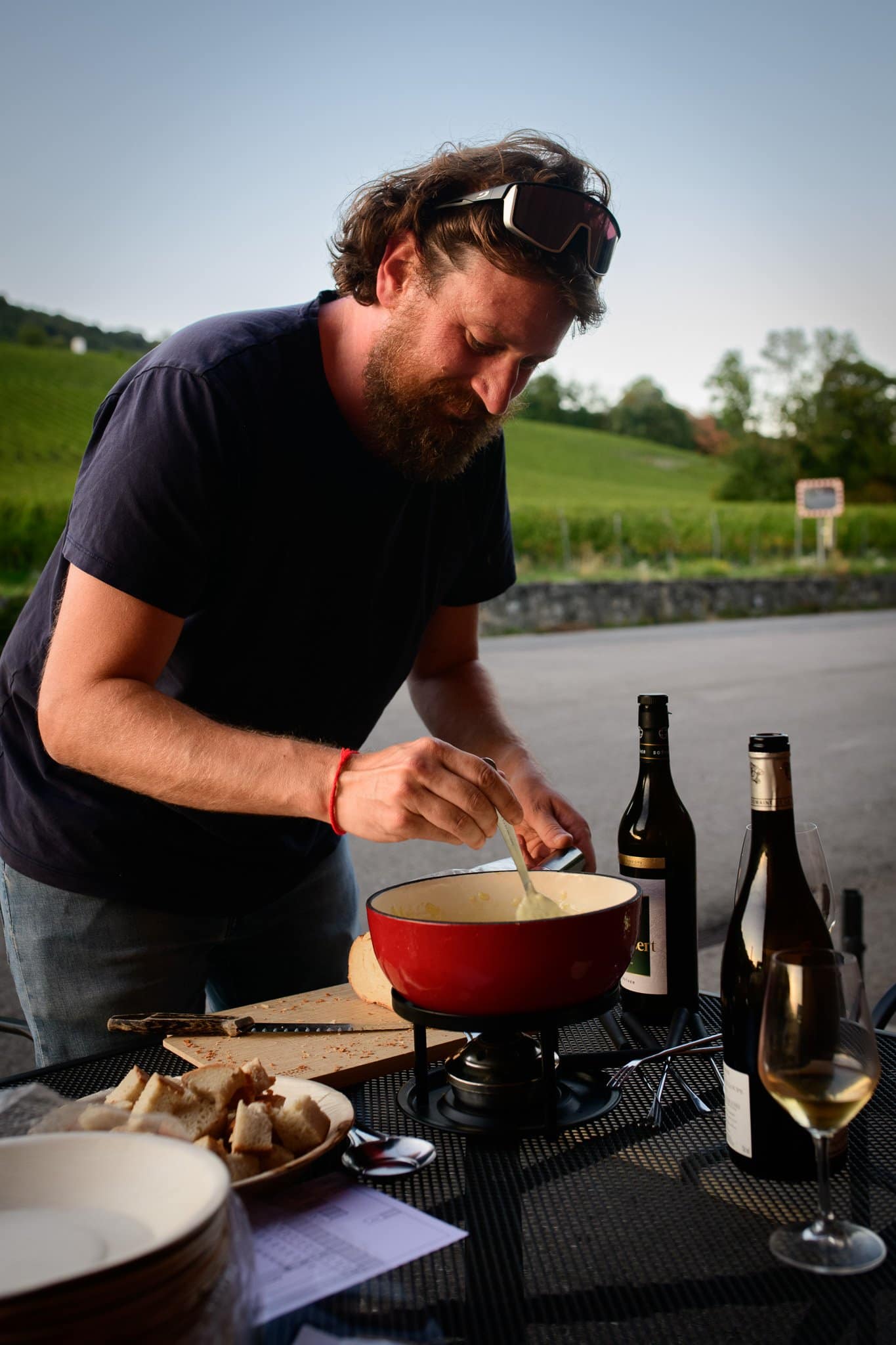
At the end of the dinner, we talk about the tendency, especially in the Old World, to put the winemaker at the centre of the story. The person who tends the vineyard, makes the wine, and gets to be called the author.
Maxime grimaces, “I know I’m often expected to, but that’s not how we work. I don’t want to pose as the winemaker, because I’m more like a gestionnaire – I’m managing the whole thing. Our wine is really the product of our team, and of Pierre-Olivier and Amélie’s work. This is really something we create together. It is the work of many.”
There is a lot going on at Sother, and they are clearly only beginning.
Formidable expérience et super reportage