
პროვაინ ტოკიო 2026
მესამე, გადატვირთული გამოცემა აღმოჩენებითა და ახალი ჰორიზონტებით
ტექსტი და ფოტო: ორიენ ფუშო

საფრანგეთსა და გერმანიას დიდი პავილიონები ჰქონდათ ფართო ასორტიმენტით, მაგრამ ორივეში შეზღუდული დრო გავატარე. პროვაინი ტოკიო-მ მომცა წვდომა ისეთ რეგიონებზე, რომლებსაც აზიაში იშვიათად აქვთ წარმომადგენლობა, და მე მინდოდა, ეს შესაძლებლობა გამომეყენებინა ამ ღვინოების გასასინჯად და ამ ნაკლებად ცნობილი რეგიონების შესახებ მეტი გამეგო. ჩემთვის ეს იყო ღონისძიების მთავარი მოზიდველი: ურუგვაი, სერბეთი, საქართველო, რუმინეთი და საბერძნეთი, ისევე როგორც თავად იაპონური ღვინოები, — ეს ყველაფერი მიზეზი იყო, რომ იქ გატარებული დრო მაქსიმალურად გამომეყენებინა და ყველასთან ერთად დროის გატარების შესაძლებლობა მქონოდა.
ურუგვაის პავილიონთან ცოტა ხანს დავყავი, ამიტომ მათ შესახებ ცალკე სტატიაში მოვყვები. აი ჩემი რამდენიმე ჩანაწერი პროვაინ ტოკიო 2026-დან.

THE NO-LOW პროდუქტები
როგორც ინდუსტრია გამუდმებით იმეორებს: ბაზარი უალკოჰოლო ან დაბალალკოჰოლიანი სასმელებისკენ მიიწევს, და პროვაინი-მაც ამ თამაშში "ნულოვანი კუთხით" ითამაშა, სადაც გაყიდვაში იყო გაზიანი, დემოლეკულებული "ღვინოების" დიდი ასორტიმენტი.
გულწრფელი ვიქნები – უალკოჰოლო ღვინით სულაც არ ვარ დაინტერესებული.
ჩემთვის სრულიად გაუგებარია დასრულებული ღვინისგან ალკოჰოლის მოცილება. ეს ენერგიის დიდ მოხმარებას მოითხოვს და რაღაცნაირად ცირკად აქცევს პროცესს, რომლის მიზანიც უბრალოდ ყურძნის წვენის ალკოჰოლად გარდაქმნა იყო — და ამ პროცესს თავდაყირა აყენებს. ეს იგივეა, რომ მოწევისთვის უთამბაქო სიგარეტები დაამზადო: უაზროა.
თუმცა, მე უფრო მეტად მაინტერესებს ის ადამიანები, რომლებიც დიდი მონდომებით ქმნიან სხვა პროდუქტებს, რომლებსაც კარგი გემო აქვთ, ხასიათს გამოხატავენ და ამავდროულად გარკვეულ კლასს ინარჩუნებენ; რაც არალოთარებს საშუალებას აძლევს, სადილზე დალოთებთან ერთად ისხდნენ ისე, რომ თავი თინეიჯერებად არ იგრძნონ. ეს მახსენებს დროს, როდესაც ღვინის ბარში ვმუშაობდი და ერთმა კლიენტმა მადლობა გადამიხადა იმისთვის, რომ ღვინის ჭიქა მივეცი მისთვის გაზიანი სასმლის დასალევად, რათა ბრბოსგან ზედმეტად არ გამოირჩეოდა ან ფერადი ქილის და საწრუპის გამო ბავშვად არ ეგრძნო თავი.
ერთ-ერთი ასეთი უფრო ინოვაციური პროდუქტი, რომელიც სულ უფრო პოპულარული ხდება, გაზიანი ჩააააააააააააააააააააააააააააააააააააააააააააააააააააააააააააააააააააააააააააააააააააააააააააააააააააააააააააააააააააააააააააააააააააააააააააააააააააააააააააააააააააააა
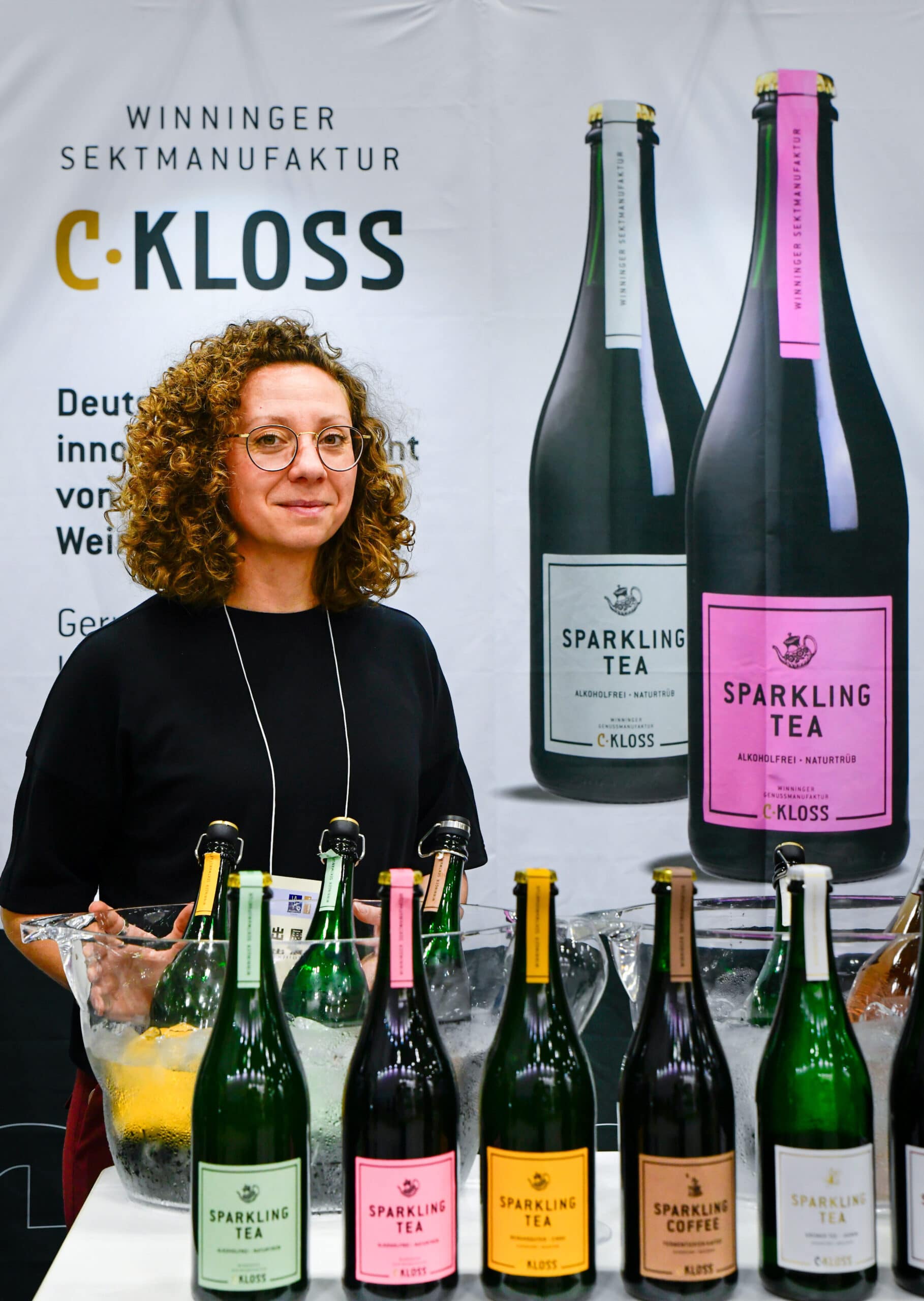
პირველი იყო სი-კლოსი, მწარმოებელი მოზელის რაიონის ვინინგენიდან. კრისტიან კლოსი — იულიუს კლოსის შვილთაშვილი, რომელიც გერმანიის ერთ-ერთი პირველი ღვინის სახლის თანადამფუძნებელი იყო, Kloss & Foerster-მა, რომელიც 1856 წელს ფრაიბურგ ან დერ უნშტრუტში (დღეს Rotkäppchen-Mumm-ის ჯგუფის ნაწილი) დაარსდა, ეს საქმიანობა 2022 წლის ბოლოს დაიწყო და ძველი Sektkellerei von Canal-ის საწარმო გადაიბარა. მათი გაზიანი ჩაის ლოგიკა სრულიად განსხვავდება უალკოჰოლო ღვინისგან: ის მთლიანად ფერმენტირებული რეგიონული ინგრედიენტებისგან მზადდება — ცენტრალური ევროპის ბალახები, ხილი, ბოსტნეული და კამბუჩაც კი — და მის მომზადებაში ალკოჰოლი არასდროს ყოფილა გამოყენებული. მათ შედარებით დაბალი შაქრის შემცველობა აქვთ (ლიტრზე 30-დან 40 გრამამდე, რომელიც მთლიანად თავად ინგრედიენტებიდან მოდის), არ შეიცავს სინთეზურ კონსერვანტებს და 2024 წელს Falstaff-ის "ფასისა და ხარისხის" ჯილდო მოიპოვა.
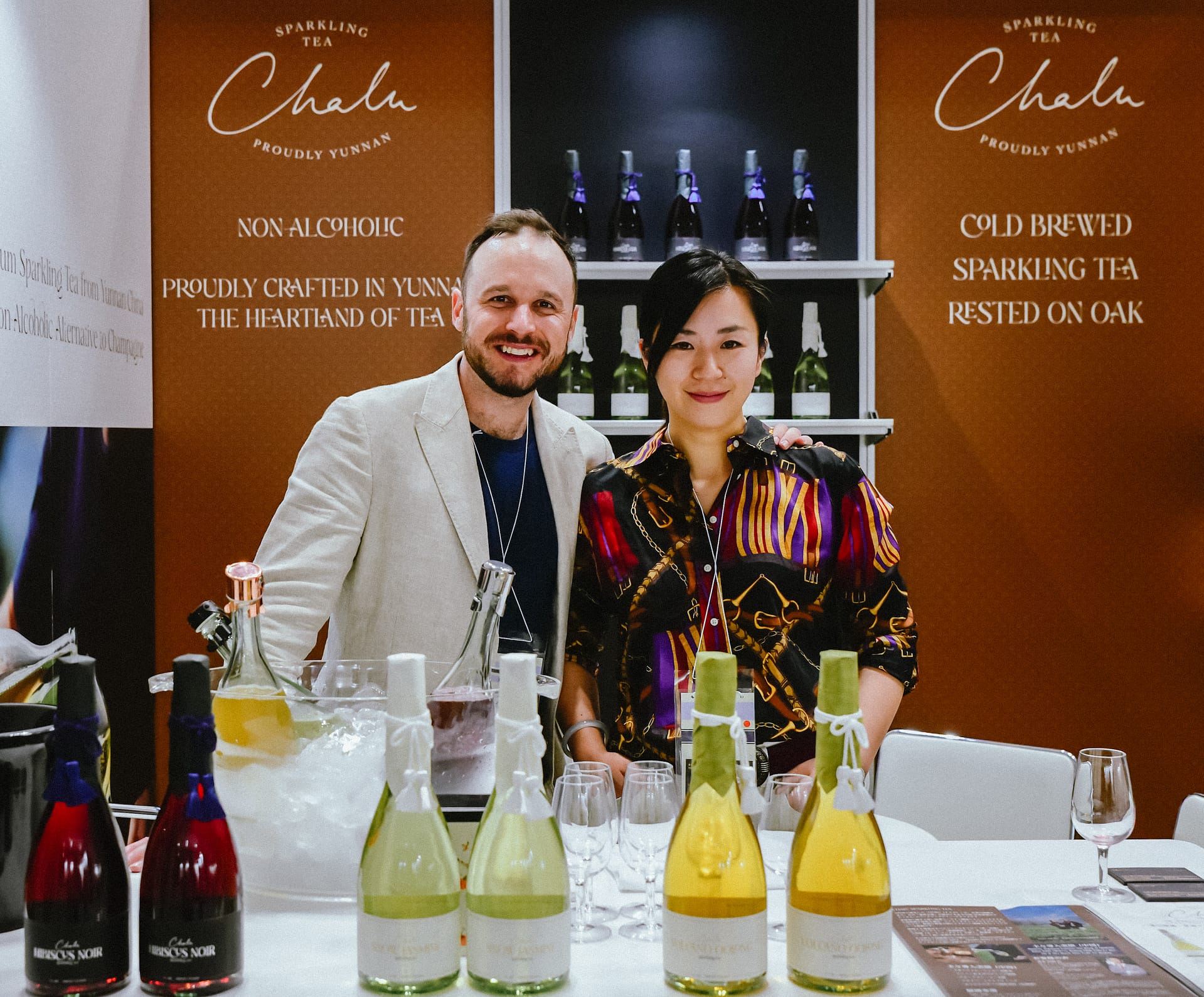
"თოვლის ჟასმინი" გარემოს ტემპერატურაზე 7-ჯერ ნაყენდება ჩაისა და ახალი ჟასმინის ყვავილების 1:1 თანაფარდობით, პროცესში, რომელსაც "არომატიზაციას" უწოდებენ.
ვულკანო ოლონგი დამზადებულია ოლონგის სამი სახეობის ჩაისგან (მწვანე, ოქროსფერი და შავი) და ის გამოირჩევა სტრუქტურითა და სირთულით, რაც მას ნამდვილად თავისებურად გამოკვეთს. ეს არის ბოთლი, რომლის შეძენასაც სერიოზულად განვიხილავდი – და ნამდვილად ბევრად უფრო მომეწონებოდა, ვიდრე ქალაქში ჭიქით რომ მიგაქვთ გაზიანი ღვინოების ნახევარი.
ეს არის სასმელები, რომლებიც შექმნილია მსოფლიოს ერთ-ერთი უძველესი და ყველაზე გამორჩეული ჩაის რეგიონის ტერუარზე და ისინი ჭეშმარიტ ინდივიდუალურობას გამოხატავენ. ჩალუ უკვე მიირთმევენ პეკინის ორმიშლენიან რესტორნებში და ეს არის პროდუქტი, რომელსაც ყურადღებით უნდა ვადევნოთ თვალი, განსაკუთრებით იმ ბაზრებზე, სადაც ხარისხიანი ჩაის კულტურა უფრო გავრცელებულია.
სერბული ღვინოები
სერბეთის პავილიონი ღვინოებისა და არყეების ფართო ასორტიმენტს სთავაზობდა. გარემო მხიარული იყო: ექვსი მწარმოებელი ერთ დიდ, ცენტრალურ სტენდს იზიარებდა და იქ დროის გატარება სასიამოვნო იყო.

ზოგიერთისთვის სერბეთი "განვითარებად" ღვინის ქვეყანას წარმოადგენს, მაშინ როცა ის სინამდვილეში ძველი სამყაროს ნაწილია და ღვინოს საუკუნეების განმავლობაში აწარმოებს. მაგრამ ამას თავისი მიზეზი აქვს და მნიშვნელოვანია, გვესმოდეს ყოფილი იუგოსლავიის ქვეყნებში მეღვინეობის კონტექსტი.
ტიტოს ხელმძღვანელობით ღვინის მრეწველობა სრულად კოლექტივიზებული იყო – ყურძნის მწარმოებლებს აიძულებდნენ, მოსავალი კილოგრამობით გაეყიდათ სახელმწიფო კოოპერატივებისთვის, მთავრობის მიერ დადგენილი ფასებით, შეწყდა პირადი წარმოება და უპირატესობა რაოდენობას ენიჭებოდა ხარისხის საზიანოდ. იუგოსლავიამ კოლექტივიზაციის ლიკვიდაცია ტიტოსა და სტალინის განხეთქილების შემდეგ დაიწყო, ფორმალურად კი 1953 წელს უარი თქვა მასზე, მაგრამ სახელმწიფო მეღვინეობებმა თავიანთი გავლენა ამის შემდეგაც დიდი ხნის განმავლობაში შეინარჩუნეს. მხოლოდ 1990-იან წლებში, კომუნიზმის დაცემის შემდეგ, გახდა კერძო მეღვინეობა კვლავ ლეგალური – რაც იმას ნიშნავს, რომ სერბეთში ოჯახური, ხარისხზე ორიენტირებული მეურნეობები სულ რაღაც ერთი თაობის ისტორიისაა.
ლაასტარის მეღვინეობა ის არის იმის შესანიშნავი მაგალითი, თუ რისი მიღწევა შეიძლება ასეთ დროში. 2013 წელს ცენტრალური სერბიის ლევაჩის რეგიონში დაარსებული ეს მეურნეობა შესანიშნავ არგუმენტს წარმოადგენს სერბული შარდონესა და პინო ნუარის სასარგებლოდ. ლევაჩი სამხრეთ შუმადიაში მდებარეობს და მისი კონტინენტური კლიმატი – იუჰორის მთის გრილი ჰაერის ნაკადებით – მას ბურგუნდიის მაკონეის უფრო თბილ ნაწილთან შედარებად ტერიტორიად აქცევს. Lastar-ს 32 ჰექტარი მიწა აქვს, 1976 წლის ძველი პინო ნუარის ვენახებით, რომლებმაც მათი ადრეული გამოშვებების საფუძველი შექმნეს, და 2016 წელს შარდონეისთვის მიღებული პირველი Mundus Vini-ს ჯილდო. მათი პინო "სოფიის არჩევანი" (Sofijin Izbor) გამორჩეულია იმით, რომ დეკანტერის მიერ ქვეყნის შეფასების ისტორიაში ყველაზე მაღალი შეფასება მიიღო სერბულ პინო ნუარში. ინფრასტრუქტურა უმაღლესი დონისაა: გრავიტაციული ტიპის მეღვინეობა, ფრანგული ბარიკები და უნგრული მუხა, მკაცრი მწვანე ჩარბილება – ეს არის ადგილი დიდი პოტენციალით.
ბი თი ღვინის მარანი, ბეშკადან, ვოივოდინაში, ფრუშკა-გორას ფერდობებზე, უფრო ტრადიციული მიდგომა და შესანიშნავი ენდემური ყურძნის ჯიშები წარმოაჩინა. მეღვინეობა მდებარეობს მინერალებით მდიდარ პანონეთის ზღვის ნალექის ნიადაგებზე და ორ სხვადასხვა ხაზს აწარმოებს: ადრე დასადეგი ღვინოების სერიას და პრემიუმ კლასის "სელექციას" – რომელიც ექსკლუზიურად უძველესი ვაზებისგან მზადდება, ორიდან ოთხ წლამდე მუხის კასრებში იწურება და გაუფილტრავად ბოთლდება. Casa de Oro Prokupac ყველაზე გამორჩეული იყო, მაგრამ მათი Tamjanika, კიდევ ერთი ენდემური ჯიში, რომელსაც რეგიონში ხანგრძლივი ისტორია აქვს, ნამდვილად ღირს გასინჯვად.
მილან ზარიჩი, პატივცემულმა საერთაშორისო ჟიურის წევრმა და "ზარიჩის დისტილერიის" მფლობელმა, წამოიღო რაკია. დისტილერია მდებარეობს დასავლეთ სერბიაში, ქალაქ კოსიერიჩში, ძველი პოვლენის ბრენდის სახლის ტერიტორიაზე, და მილანი ხილს მთელი ქვეყნიდან ასამდე ქვეკონტრაქტორისგან იძენს. მათმა მსხლის რაკიამ "ნირვანამ" ლას-ვეგასში გამართულ WSWA-ს კონვენციაზე ორმაგი ოქრო მოიპოვა და 2020 წელს ბრიუსელში, Concours Mondial-ის მიერ ორგანიზებულ Spirit Selection-ზე მსოფლიოს ათ საუკეთესო სპირტიან სასმელს შორის დასახელდა. ისინი ყოველწლიურად დაახლოებით მილიონ ბოთლს აწარმოებენ და ისე კარგი გემო ჰქონდა, რომ ვინანე, რომ მისი დაგემოვნება ადრეული დილისთვის მომიწია – და ღვინოზე ბევრად უფრო ძლიერი იყო.
პოდრუმ პევაჩი, ცენტრალური სერბიის სოფელ ცვეტოიევაციდან, არის საოჯახო ბიზნესი, რომელსაც მისი დამფუძნებელი და ოსტატი დისტილატორი ალექსანდარ სტანკოვიჩი ხელმძღვანელობს და რომელიც ბოთლის ორივე მხარეს მოიცავს – ოცზე მეტ რაკიასა და ლიქიორს, ოთხი სახეობის ღვინოსთან ერთად. მათი საფირმო პროდუქტია "ზლატნი პევაცი" — ქლიავის ბრენდი, რომელიც დაფარულია საკვები 23-კარატიანი ოქროს ფოთლებით, რაც, ნამდვილად, ყურადღებას მიიპყრობს აზიურ ბაზარზე.
ვინარდი "ზვონკო ბოგდან" სახელს იღებს თავად ზვონკო ბოგდანისგან – ცნობილი სერბი მომღერლისა, რომელიც ტრადიციულ, ძველი ქალაქის სიმღერებს ასრულებს და, ამასთანავე, მხატვარი, პოეტი და 2008 წლიდან მეღვინეა. სამოცდახუთი ჰექტრით, ცამეტი მარკითა და 400,000-ზე მეტი ბოთლის წარმოებით, მეღვინეობა მდებარეობს პალიჩის ტბის აღმოსავლეთ სანაპიროზე, სუბოტიცასთან ახლოს, ვოივოდინის ყველაზე ჩრდილოეთით მდებარე ღვინის მხარეში და მშვიდად იქცა სერბეთის ერთ-ერთ ყველაზე დაჯილდოებულ მწარმოებლად. მათი "კუვეს ნომერი 1" ერთადერთი სერბული ღვინოა, რომელმაც "Decanter World Wine Awards"-ის ოქროს მედალი ზედიზედ სამჯერ მოიპოვა – 2018, 2019 და 2021 წლებში.
ალექსანდროვიჩის მეღვინეობა ტოპოლის მახლობლად, ოპლენაკში, 75 ჰექტარზე მომუშავე ეს საწარმო, სტენდზე წარმოდგენილთაგან ყველაზე ხანგრძლივ ინსტიტუციურ მეხსიერებას ინახავს. ოჯახის კავშირი მეღვინეობასთან 1903 წლით თარიღდება, როდესაც დიდი პაპა მილიოს ალექსანდროვიჩი რეგიონის პირველი მეღვინეთა კოოპერატივის დაარსებაში დაეხმარა. მეორე მსოფლიო ომის შემდეგ სამეფო მარნის ოსტატი ზივან ტადიჩი კანადაში გადასახლდა და, როდესაც შეიტყო, რომ ალექსანდროვიჩების ოჯახი ოპლენაცის ტრადიციას აცოცხლებდა, მათ ტრიუმფის ორიგინალი რეცეპტი გაუგზავნა — სერბული სამეფო ღვინო, რომელიც ოდესღაც ევროპის სამეფო კარებზე მიირთმევდნენ. თანამედროვე მეღვინეობა 2000 წელს აშენდა და ამჟამად წელიწადში 300 000-ზე მეტ ბოთლს აწარმოებს.
ყველა ამ მეღვინეობამ, უდავოდ, დაანახა, რომ მიუხედავად იმისა, რომ სერბული ღვინო ამჟამად აზიელი მყიდველების უმეტესობის ყურადღების მიღმაა, ეს მდგომარეობა შესაძლოა მალე შეიცვალოს, რადგან ხარისხი არსებობს და ფასებიც კარგად შეესაბამება ბაზრის მოთხოვნებს.
რუმინეთი
იაპონური ღვინოები
მე ასევე ძალიან მსურდა, მეტი გამეგო იაპონური ღვინოების შესახებ, მაგრამ რამდენიმე მონაწილე მეღვინეობა დარბაზის უკანა ნაწილში მდებარეობდა და მათი ნიშნებიც საკმაოდ გაუგებარი იყო. თუმცა, მათი სტენდისთან მუდმივად შეკრებილი ხალხის რაოდენობით თუ ვიმსჯელებთ, მათ დიდი ინტერესი გამოიწვიეს.

ნაგანოს რეგიონი, განსაკუთრებით მოხიბლული ვიყავი იუნოჰარას მამული, ნაგანოს ნიჰონ ალპების ღვინის ველიდან.
მათი დელავერისა და ნიაგარას (2025) ნაზავი ძალიან გამაგრილებელი იყო, კანფეტისა და ახალი მარწყვის ნოტებით და წყალივით გამჭვირვალე – რაც, ჩემი აზრით, ცოტა დამაბნეველი იყო. ბოლოს და ბოლოს ვიპოვე გზა, საჯაროდ ვინერგიული დავლიო ისე, რომ არავინ შემომხედოს წუნის თვალით!
მათი "მასკატ ბეილი-ა" ასევე საინტერესო, მსუბუქი იყო, ჩვეული კენკრის ნოტების პარალელურად მანგოს მსუბუქი შეხებით. გამოვიდა ძალიან სასიამოვნო სასმელი ღვინო, რომლის გახსნაც მეგობრის სტუმრობისას ყოველთვის სიამოვნებით შეიძლება. ისინი ასევე აკეთებენ ძალიან კარგ სიდრს, ხრაშუნა და არც ისე ტკბილს – რაც შესანიშნავია.
ასევე ნაგანოდან კიოკო ჰოსაკა წარმოადგინეს Delaware 2023, რომელშიც იგრძნობოდა მწვანე ლეღვისა და საზამთროს მსუბუქი ნოტები, ასევე Delaware Orange 2024, მწიფე ატმისა და მწვანე ნუშის ნიშნებითა და თხილის არომატული დაბოლოებით. ნაკლებად მომეწონა მათი 2022 წლის მუსკატ ბეილი ეი, რომელსაც მაყვლის ნოტები ჰქონდა, მაგრამ ჩემი აზრით, ზედმეტად წყლიანი და კონცენტრაციის არმქონე იყო.
მაროს ღვინოები, ჰოკაიდოდან წარმოდგენილმა კომპანიამ წარმოადგინა შარდონე 2024, რომელსაც კარგი მჟავიანობა და ნაზი დაძაბულობა გარკვეული თამამობით გამოხატული ჰქონდა, და მათ ასევე ჰქონდათ ჭურჭელში დაძველებული შესანიშნავი შარდონე 2023, რომელიც ელეგანტურობასა და სიხალისეს გამოარჩეოდა და ამავდროულად ძლიერი იყო. მათ პინო ნუარს ახალი ვარდისფერი ქლიავის ნოტები ჰქონდა და გამოირჩეოდა თავშეკავებული ხასიათით, სისუფთავითა და ნაზობით.
მე ასევე ძალიან მოხიბლული ვიყავი კიკუკას მეღვინეობა (კუმამოტო, კიუშუ), ბარდებში დაძველებული მერლო, რომელიც საკმაოდ ელექტრიზებული იყო — ხანგრძლივი, დახვეწილი დაბოლოებითა და შავი პილპილის ნოტებით. ეს სრულიად განსხვავდებოდა ნებისმიერი მერლოსგან, რომელიც კი ოდესმე გამისინჯავს.
ჯენისი რობინსონის (MW) ჩაწერილი ვიდეო მასტერკლასი, სათაურით იაპონური ღვინის ამჟამინდელი მდგომარეობა, მიმდინარეობდა პროგრამის ფარგლებში – რობინსონმა პირადად შეარჩია და შეაფასა წარმოდგენილი ღვინოები, რომელთა გასინჯვაც ვიდეოს ყურებისას შეგეძლოთ.
მამაცი ნიუ-იორკის ღვინოები
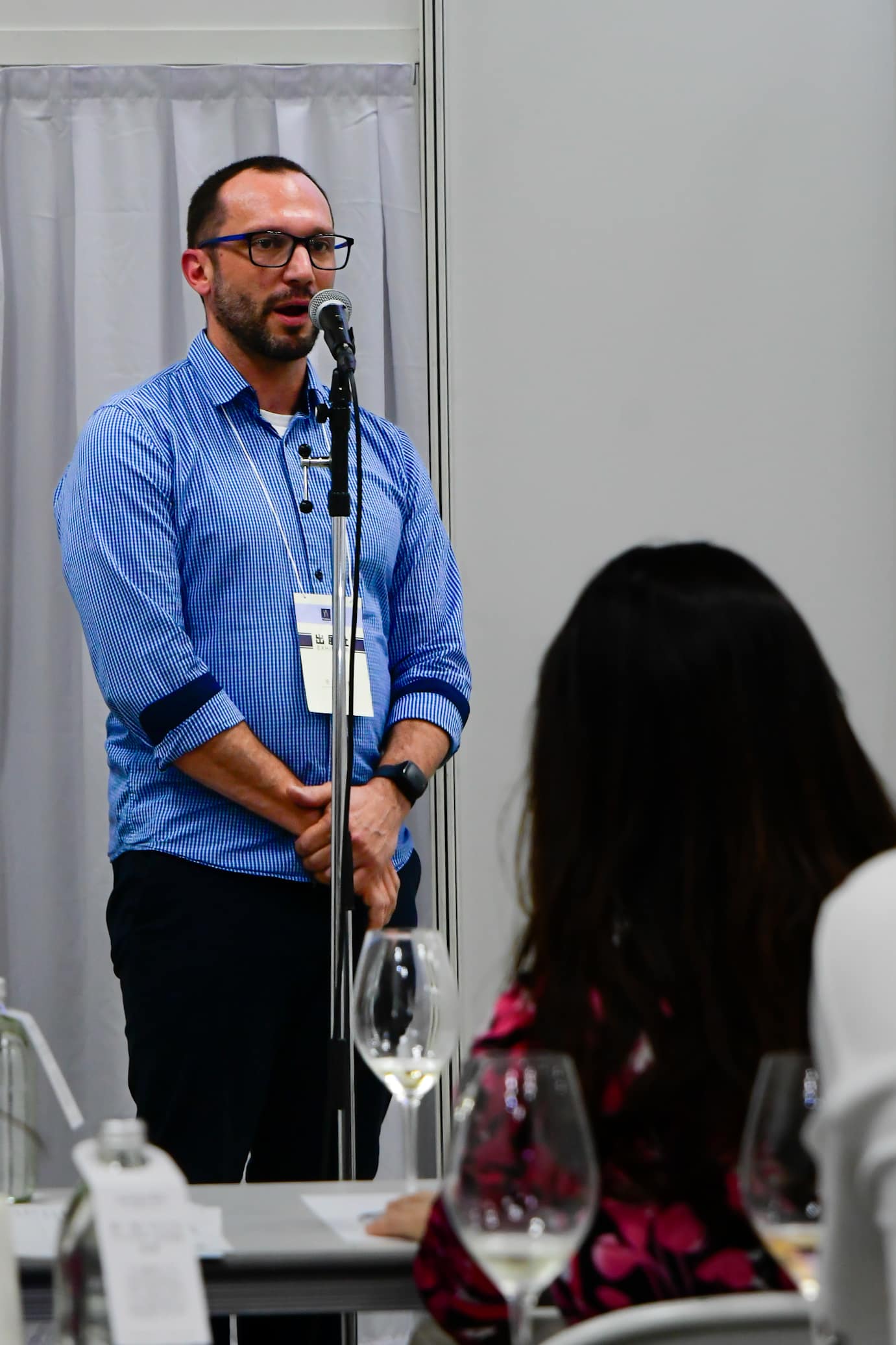
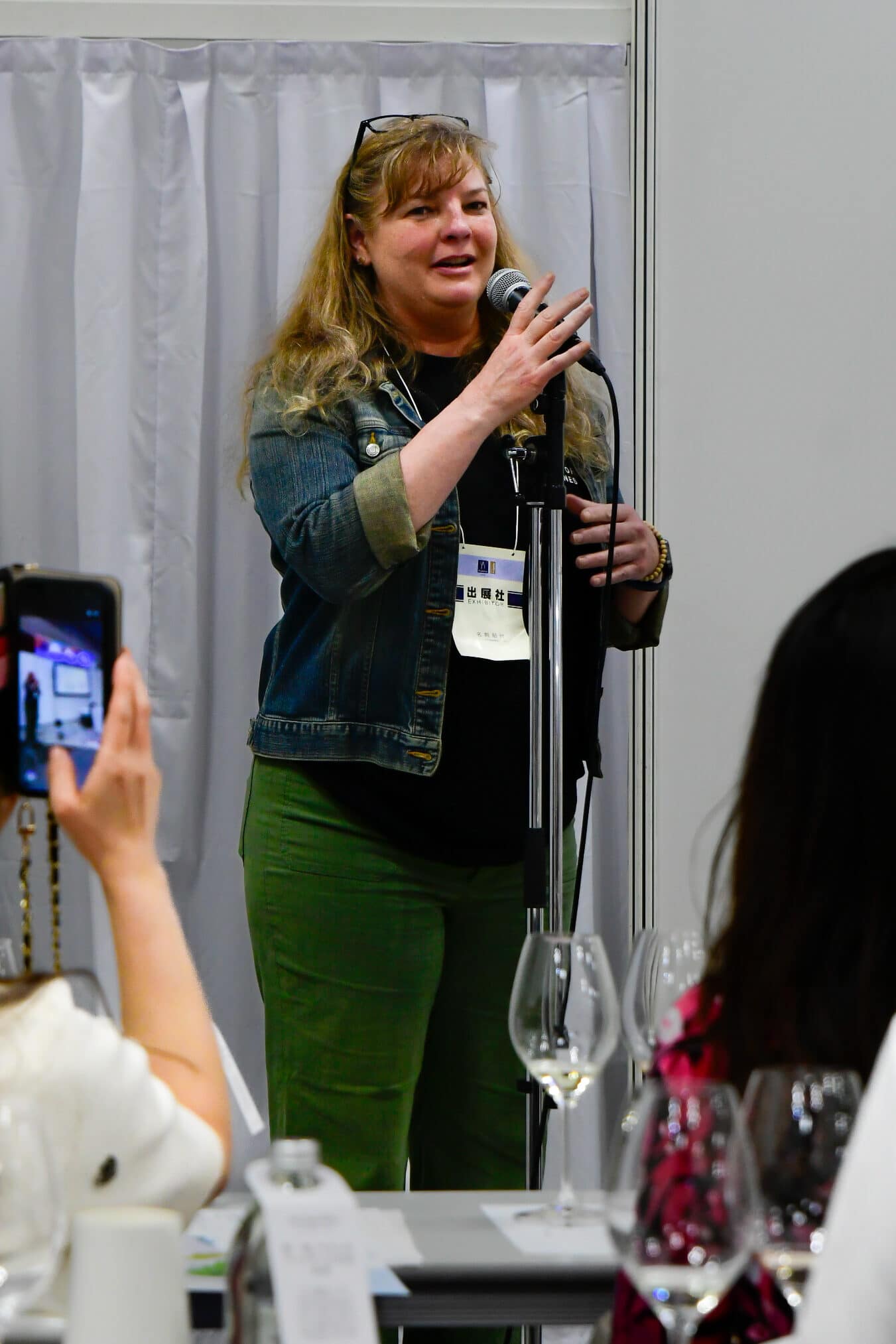
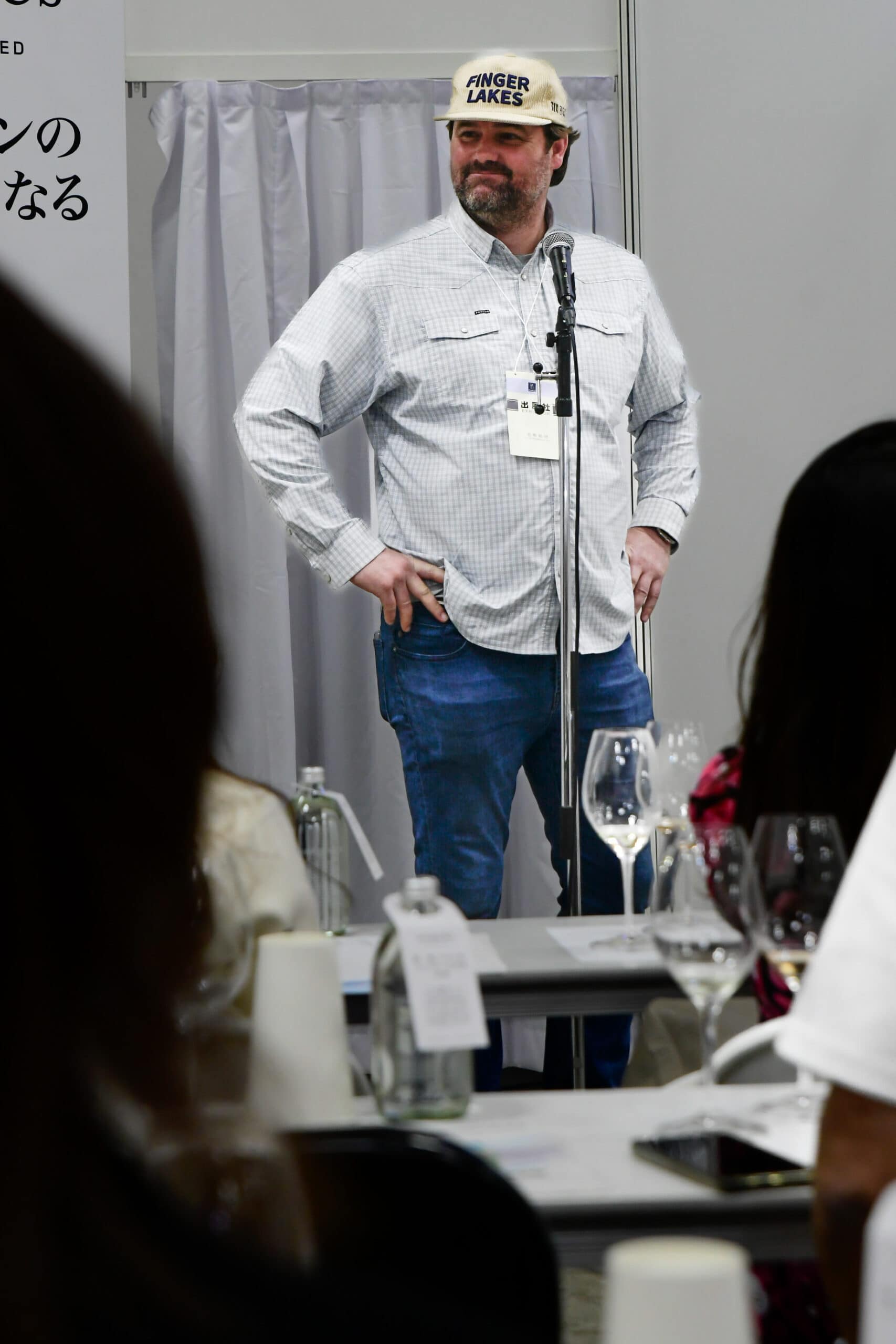

ნიუ-იორკის ღვინისა და ყურძნის ფონდმა, რომელიც 1985 წელს ნიუ-იორკის შტატის კანონით დაარსდა, თავისი პოზიციონირების "Bold NY" ფარგლებში სტენდი წარადგინა.
კაილ ენ პალიშეკი, ნიუ-იორკის ქალთა ღვინის ფონდის (NYWGF) პროგრამების დირექტორი – ფინგერ-ლეიქსის მკვიდრი, რომელიც მფლობელია Court of Master Sommeliers-ის სერტიფიკატისა – ხელმძღვანელობდა დელეგაციას დეივ პიტარდთან ერთად, რომელიც კაიუგა-ლეიქის ორი ღვინის ქარხნის მფლობელია: ღვიის ალაყაფი რომულუსში და სიქს ეითი სელერსი ოვით, კელი ეშფორდი, ეროვნული გაყიდვების დირექტორი ფოქს რან ვინეარდსი ფინგერ-ლეიქსში, და მარიო მაცა, მაზა ჩოტაუკა სელარსი ერიის ტბაში
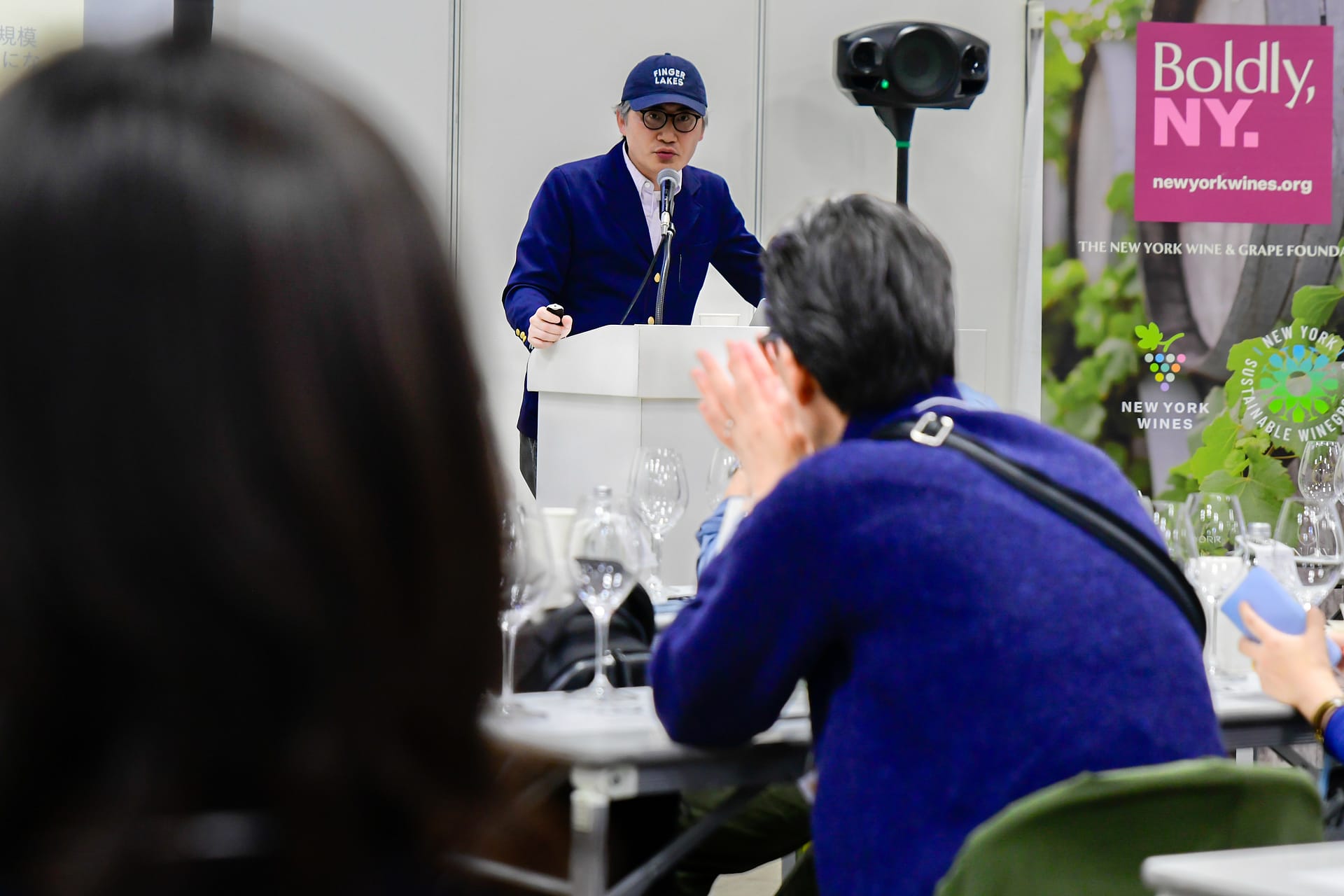
Their masterclass, led by Mr. Takenori Beppu of the NYWGF Japan office, offered an informative glimpse – and a taste – of a region that remains largely unknown in Asia despite being one of the fastest developing wine regions. New York counted just 19 მეღვინეობები in 1976; it now has over 450, spread across seven distinct AVAs, from the cool-climate Finger Lakes to the maritime influence of Long Island, working with around 40 different wine varieties. Three of those are native American grapes – Concord, Niagara and Catawba – varieties with deep roots in American agricultural history but far removed from the European winemaking tradition: Concord, the most widely planted of the three, is better known as the grape behind Welch’s grape juice and the jelly of the American peanut butter and jelly sandwich than as a wine grape. New York is, however, in the middle of a deliberate shift towards Vitis vinifera, varieties that produce the most structured, age-worthy wines. Among those, the most popular are Riesling, Chardonnay, Merlot, and Cabernet Franc, which is now being proposed as the ‘official’ red wine grape of the New York State.
დამზადებულია აკიტაში (დანშიკო ლაბის მიერ)
სხვადასხვა ბოთლებით გადავსებული პატარა დახლის მიღმა მე ვიპოვე საკმაოდ გულისამაჩუყებელი ამბავი დამზადებულია აკიტაში (made-in-akita.com) – შერჩეული პლატფორმა, რომელიც აკიტას პრეფექტურის საკეს, ლუდს, სიდრსა და სპირტიან სასმელებს წარმოადგენს.

“Geographically, Akita is not easily accessible from major cities like Tokyo or Osaka,” explains Takuya Iwata, the founder. He originally came to Akita intending to acquire a brewery, but after meeting with the locals and taking in the spirit of the place, something shifted. “While it is one of Japan’s leading regions for producing high-quality goods, it remains overlooked, and the population is declining faster than anywhere else in the world. Seeing industries struggle in such an environment made me realise something – I felt a strong urge to take these products to the world on behalf of the producers who work tirelessly to create them.” Akita is indeed the prefecture with the highest proportion of elderly residents in Japan – 38.6 per cent of its population is aged 65 or older – and faces a projected population loss of 41 per cent by 2045. It is მთავარი to generations of talented sake and beer artisans, but those artisans were ill-equipped to adapt to modern forms of trade and export. Rather than extract a single asset, Iwata and his CMO Shohei Nagashima decided to build around the situation and become the bridge that would bring Akita’s products to the outside world. დამზადებულია აკიტაში now provides the export platform, the curation, and the international positioning that these producers would otherwise have no practical pathway to achieve. Iwata’s stated ambition leaves little room for ambiguity: “When people hear ‘Japan,’ they think of a special country. ‘Tokyo’ brings to mind a cutting-edge metropolis, ‘Kyoto’ represents tradition, and ‘Kobe’ is synonymous with world-class steak. I want to create a world where hearing the name ‘Akita’ immediately triggers the thought: ‘That’s where the best drinks in Japan come from.'”
მათ სტენდზე ვიზიტორებს შეეძლოთ დაეგემოვნებინათ საკე აკიტას რამდენიმე სახლიდან, ჯინი სახელად ტაიჰეიზან ჯინ ნო 65, და ვაშლის სიდრი და გაზიანი მსხლის წვენი ბრენდ mia-სგან, რომლებიც წარმოდგენილი იყო ბუნებრივი ღვინის თანამედროვე იერით. საინტერესო აღმოჩენა იყო ოგა. GOSHADO — ველური მჟავე ელი, რომელიც ოგას ციცაბო სანაპიროზე, ზღვის მარილისა და ადგილობრივი მიკროორგანიზმების გამოყენებით, ბელგიური ლამბიკის სტილში იხარშება — ბრენდი, რომელიც თავად Danshiko Lab-მა შექმნა, თავდაპირველად ადგილობრივი ლუდის მწარმოებლის მიერ შექმნილი პროდუქტის საფუძველზე, და სრულად გადაამარკირა საერთაშორისო ბაზრისთვის. სწორედ ასეთი პროდუქტის გარშემოა აგებული პროექტი: გამორჩეული ადგილობრივი ოსტატობა, რომელიც გადაკეთდა ისეთ რამედ, რაც მსოფლიოს გარშემო მოგზაურობს.
Their flagship sake range is OKD, from Okuda Sake Brewery founded in 1673 – a house that has been making sake through the entire arc of modern Japan, from the Edo period through two world wars and the collapse of the Soviet Union, and is now reaching international trade buyers for the first time. Alongside it sit Dainagawa Junmai Ginjo, Chitosezakari Junmai Daiginjo, Okuda’s Chiyomidori, and Chokai Homare – each a distinct producer from across the prefecture, each representing a different facet of Akita’s brewing tradition. Everything I tasted was top quality – and I can’t recommend them enough.
გრიცია: ნოსტიმია და ალფა ესტეიტი

იაპონიის ბერძნული სავაჭრო პალატა და იმპორტიორი Nostimia – 有限会社ノスティミア – organised a masterclass on Greek wine, to be delivered in Japanese. Since I don’t speak Japanese, Marina Fragkis, who has been the company’s chief buyer since joining in 2020, ran me through the same tasting in English and I am so grateful to her for being so generous with her time.
Nostimia was started by her father in 2001, when there was simply nothing Greek in the Japanese wine market. Marina studied biology in the UK and decided to join the family company at 22. She now travels to Greece once a year to visit their suppliers and bring her first-hand experience and their stories back for the Japanese trade. Today, Greek wine accounts for 0.43 per cent of all wine imported into Japan – and that’s a situation it encounters often with the countries it exports to and that will only change with more educational work and the creation of opportunities for consumers to experience these wines.
We tasted four. A single-variety Assyrtiko (2024), by Karavitakis winery in Crete, kept at low temperature after harvest, macerated, then fermented in stainless steel. Assyrtiko has a tendency to retain acidity even in very hot climates like Crete, which gives it a citrus and mineral profile with real persistence.
ΑιΩ Marbled Malagouzia 2024, by Sacred Mountain winery in Halkidiki: aged in tanks built from marble: the marble’s micro-porosity allows slow micro-oxygenation, which the winemaker uses deliberately to smooth the texture. The result is round, floral, and expressive – white peach, herbs, fresh acidity – with a softness that is specific to this winemaking choice.
The third was the single variety Xinomavro “Hedgehog” 2023 from Alpha Estate in Amindeo, grown on sandy soils over limestone, surrounded by lakes that moderate the continental climate of north-western Macedonia. Light-bodied and elegant, with a slim structure, fresh acidity, red fruits and tomato.
The fourth wine was Thelema 2021, a 50/50 blend of Mavrotragano and Xinomavro from Zin Ideos Winery, in Halkidiki. Full-bodied, the two grape varieties were vinified separately then matured for 18 to 24 months before blending. Mavrotragano originates in Santorini, where it had nearly disappeared before being revived – it brings coffee, smoke, red fruits, and minerality to the blend. Rich and layered, this is a wine that works on its own as much as with food.
Next to the lovely family-owned importers of Nostimia, I was happy to find the only Greek winery I had had the chance to try in Vietnam: Alpha Estate. Founded in 1997 by viticulturist Makis Mavridis and oenologist Angelos Iatridis, their 220 hectares in Amyndeon are entirely privately owned, and the daughters of both founders – Angeliki Iatridou and Emorfili Mavridou – are now actively part of the team, carrying the project into its second generation.

Amyndeon sits in the far northwest of Greece, close to the borders of Albania and North Macedonia, hemmed in by three mountain ranges, as far from the coast as Greece can be and with a fully continental climate – cold winters, dry summers, with wide variation between day and night temperatures. It is possibly the coolest place in Greece to grow grapes. The vineyards themselves lie on a plateau between 600 and 700 metres of altitude, on soils so sandy that phylloxera was never able to invade. One plot, Barba Yannis, dates back to 1919 and still shows ungrafted pre-phylloxera specimens producing on their original roots.
Their range covers both indigenous varieties such as Malagouzia, Assyrtiko and Xinomavro, and international ones. Their higher tier, sourced from single vineyards and single blocks, მახასიათებლები on its labels the animals known to visit these particular plots. I was particularly impressed by their single block wines, such as their Assyrtiko ‘Aghia Kiriaki’ and their Malagouzia ‘Latipes’, which both demonstrated excellent balance and splendid notes of stone fruits, as well as a certain creaminess I would have loved alongside some grilled octopus and lemon chicken.
Some of Alpha Estate’s wines are currently available in Vietnam through Warehouse and the Annam Group.
GEORGIAN WINES
The Georgian pavilion was one of the biggest draw for me, mostly because of my personal attachment to the country and their wines. The booth was shared by 7 მეღვინეობები: Binekhi, Brother’s Avaliani, Gurgenidze family, Mesaubre, Bimbili, Royal Ikalto, and Vine Era.
A masterclass they called “New Generation Wines from Georgia”, was led by David Tamarashvili (CEO and Owner of Vine & Wine group) and Konstantine Tchanturia (Sommelier of the Binekhi team).

As most people know by now, the country of Georgia currently holds the title of the cradle of wine, with its winemaking history extending approximately 8,000 years.
The country boasts more than 500 identified native grape varieties across 29 distinct microzones. David Tamarashvili, put that figure into perspective with characteristic precision: the diversity of a single small western Georgian region like Racha or Adjara exceeds what most countries can claim in their entirety.
That framing matters, because the international market still tends to reduce Georgia to Kakheti, Saperavi, and Qvevri – which are definitely parts of its hallmark but remains only a small part of what the country has to offer.
The masterclass was accompanied by a tasting of no less than 8 wines.
We started with Binekhi Winery, founded in 1994, and their Khikhvi Qvevri. Khikhvi is an ancient Kakhetian white grape – low-yielding, aromatic, with a signature of ripe yellow fruit, apricot, and citrus blossom that makes it particularly well-suited to skin-contact winemaking. With skin contact for two weeks during fermentation, followed by a further six months of maceration, it demonstrates the characteristic structure that confuses first-time drinkers: deep amber colour, honey and dried apricot on the nose, and a tannin grip on the palate that comes from the seeds and skins.
David Tamarashvili then presented Vine Era’s Sauvignon Blanc Qvevri, with full inclusion of stems, seeds, and skins, fermented at 14 to 15 degrees Celsius over several months. Such a refreshing and unexpected take on Sauvignon Blanc which bears very little resemblance to the well-known Loire Valley or New Zealand Sauvignons. The grapes at harvest were at their best: 25 brix sugar, 6.5% acidity and a pH of 2.8 – a quality raw material that gives the winemaker considerable room to work.
The third wine came from MESAUBRE winery – whose name translates from Georgian as “talk to me”. A lovely Kakhuri Mtsvane from Akhmeta, 2022 vintage, from 16-year-old vines, with full stem, seed, and skin inclusion.
We then had a dry Rosé from Ortomeli winery, made from Chkhaveri – a grape native to the western regions of Adjara and Guria, with naturally pinkish skin that can yield white, pink, red, or sparkling wine from a single variety – a technical versatility well appreciated by winemakers.
The fifth wine nearly brought me to tears. Binekhi winery presented their Saperavi Reserve Qvevri: fermented in large oak vats, aged two years in French oak, then held a further five years in bottle before release. In Georgia, Saperavi is somehow as ubiquitous as Cabernet Sauvignon in the rest of the world. You’ll often stumble over very average quality, if not plain poor versions. But when you find a great one, you stop and smile. Even though it is sometimes easy to forget, Saperavi really can be that good. And Binekhi managed to make one just like that.
The sixth pour was Vine Era’s Mukuzani Saperavi – Mukuzani being one of Kakheti’s most celebrated PDO microzones, reserved exclusively for dry Saperavi. Another superb wine from a very new winery whose modern architecture is, by Georgia’s current standards, genuinely striking: unapologetically contemporary and yet fitting perfectly in its natural environment.
The seventh wine was Bimbili’s Aleksandrouli Reserve 2020. Aleksandrouli is most widely known as one half of Khvanchkara, Georgia’s celebrated semi-sweet PDO from Racha. Here it was made dry – a less common choice that puts the grape’s natural character front and centre: soft tannins, lively acidity, and bright red fruit without the sweetness most drinkers associate with the variety.
We concluded with the Avaliani Brothers and their Usakhelauri. The name means “nameless” in Georgian – a grape so particular that locals felt it could not be compared to anything else. It grows on steep slopes between 400 and 700 meters in Lechkhumi, near a handful of villages, and most attempts to cultivate it elsewhere have failed. Yields are tiny, harvesting entirely by hand, and fermentation stops naturally as cellar temperatures drop in winter, preserving residual sugar without any intervention. Annual production is typically measured in hundreds of bottles, therefore placing it in a higher price range – well worth the cost if you find a good one. I once had an unforgettable one in a supra in Lechkhumi and I still regret to this day not having been able to purchase a couple bottles – the winemaker made it for his family only and wouldn’t sell it. If you visit Georgia – go on the hunt for the grape with no name!

Final Impressions




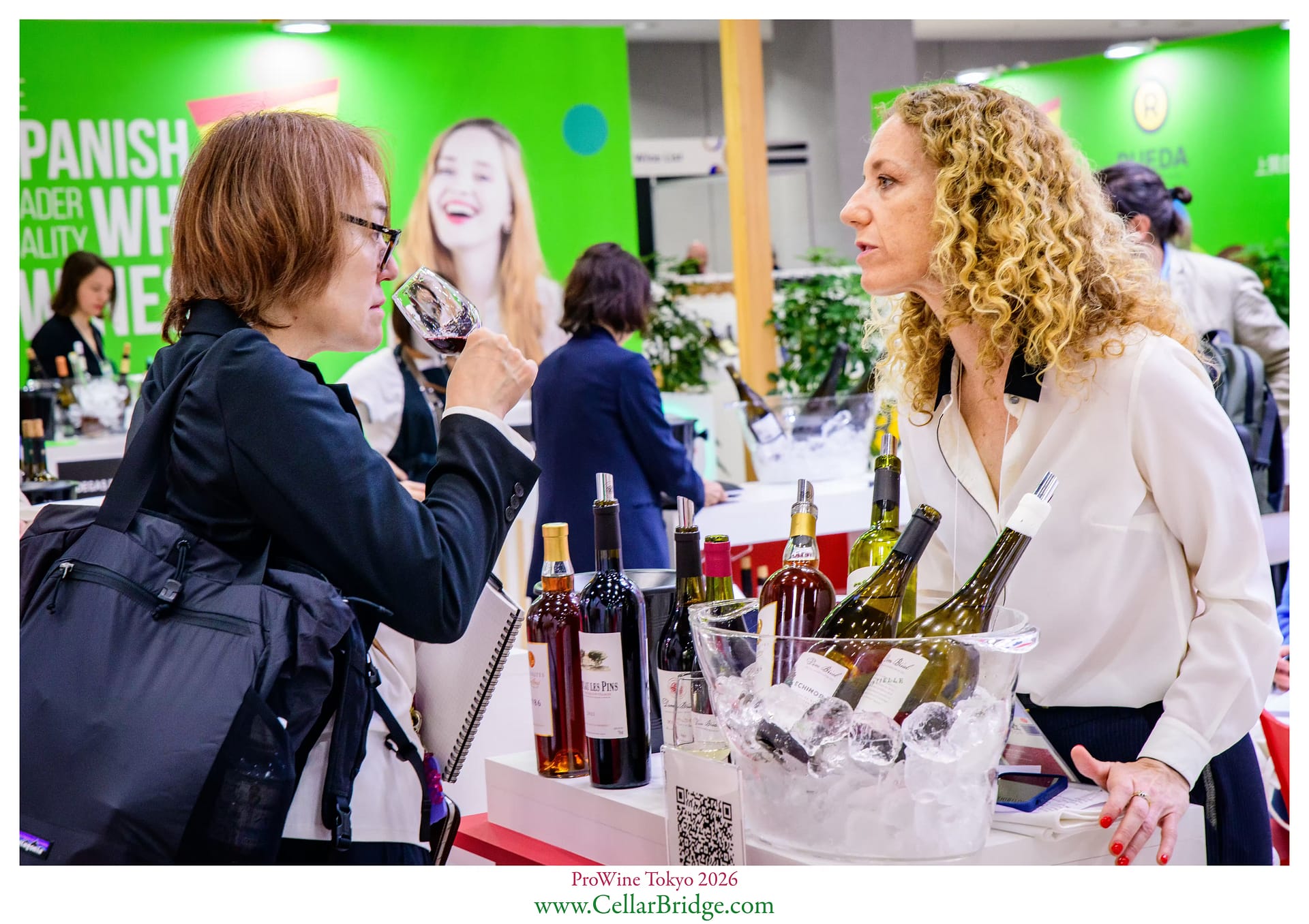
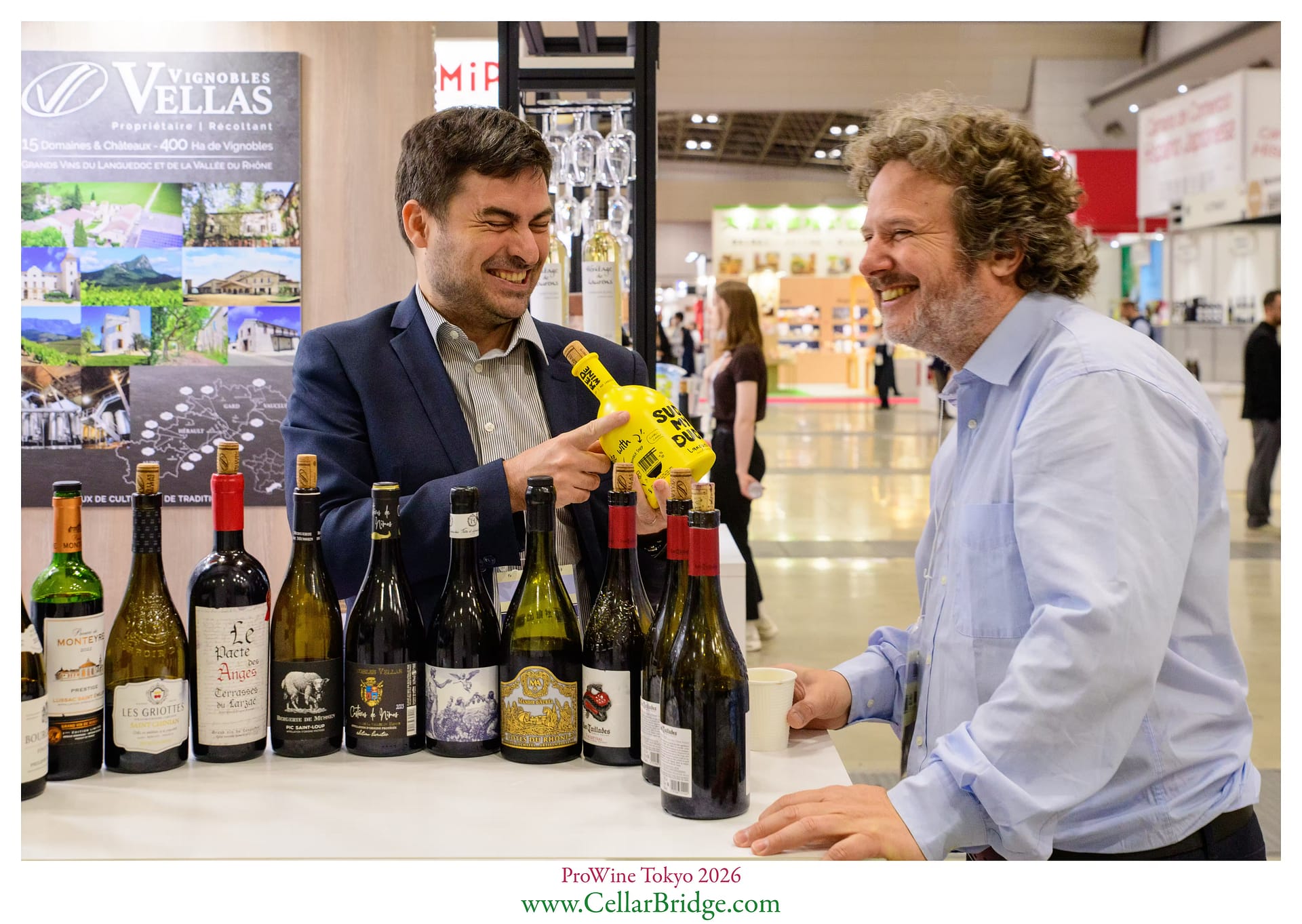
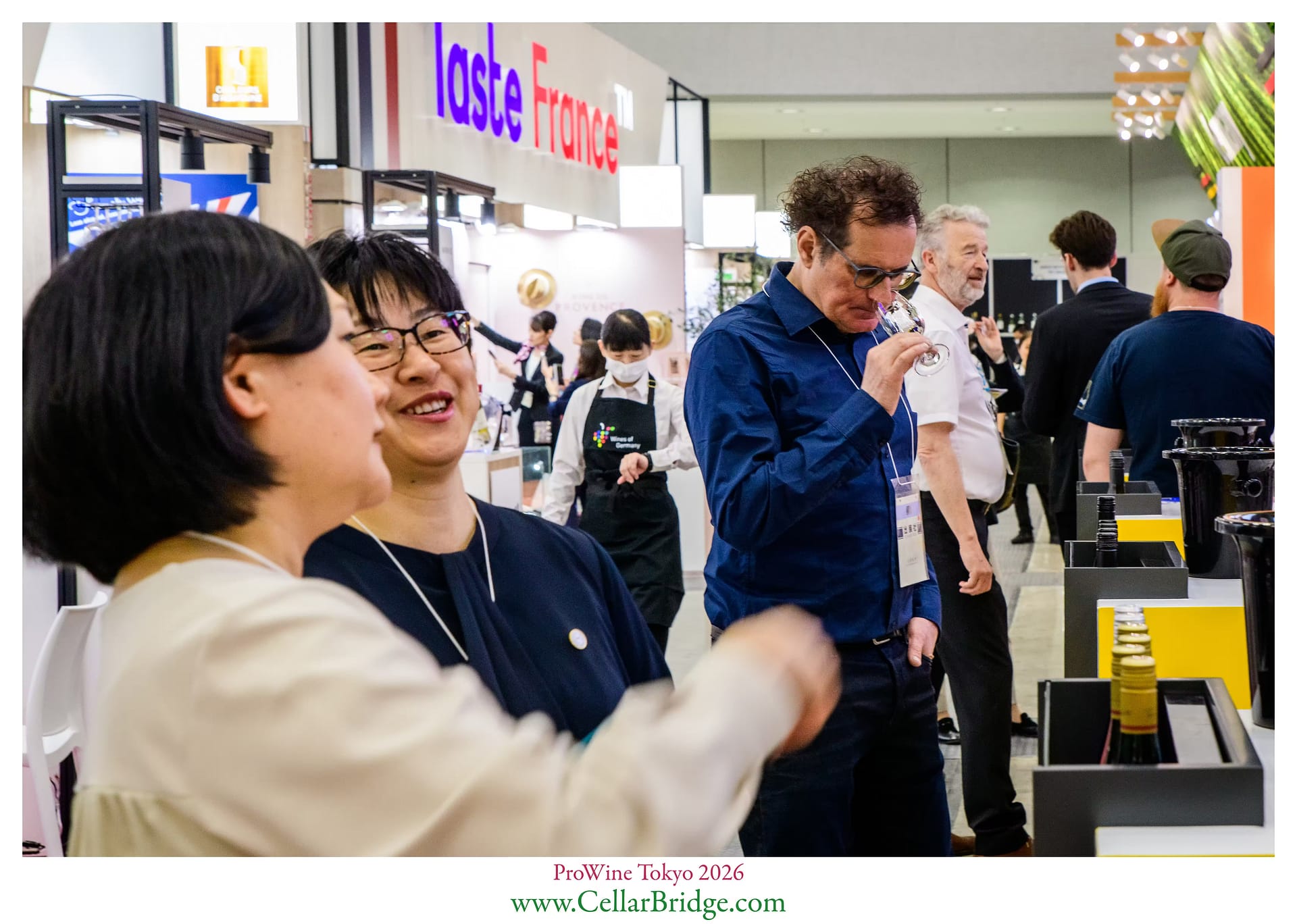


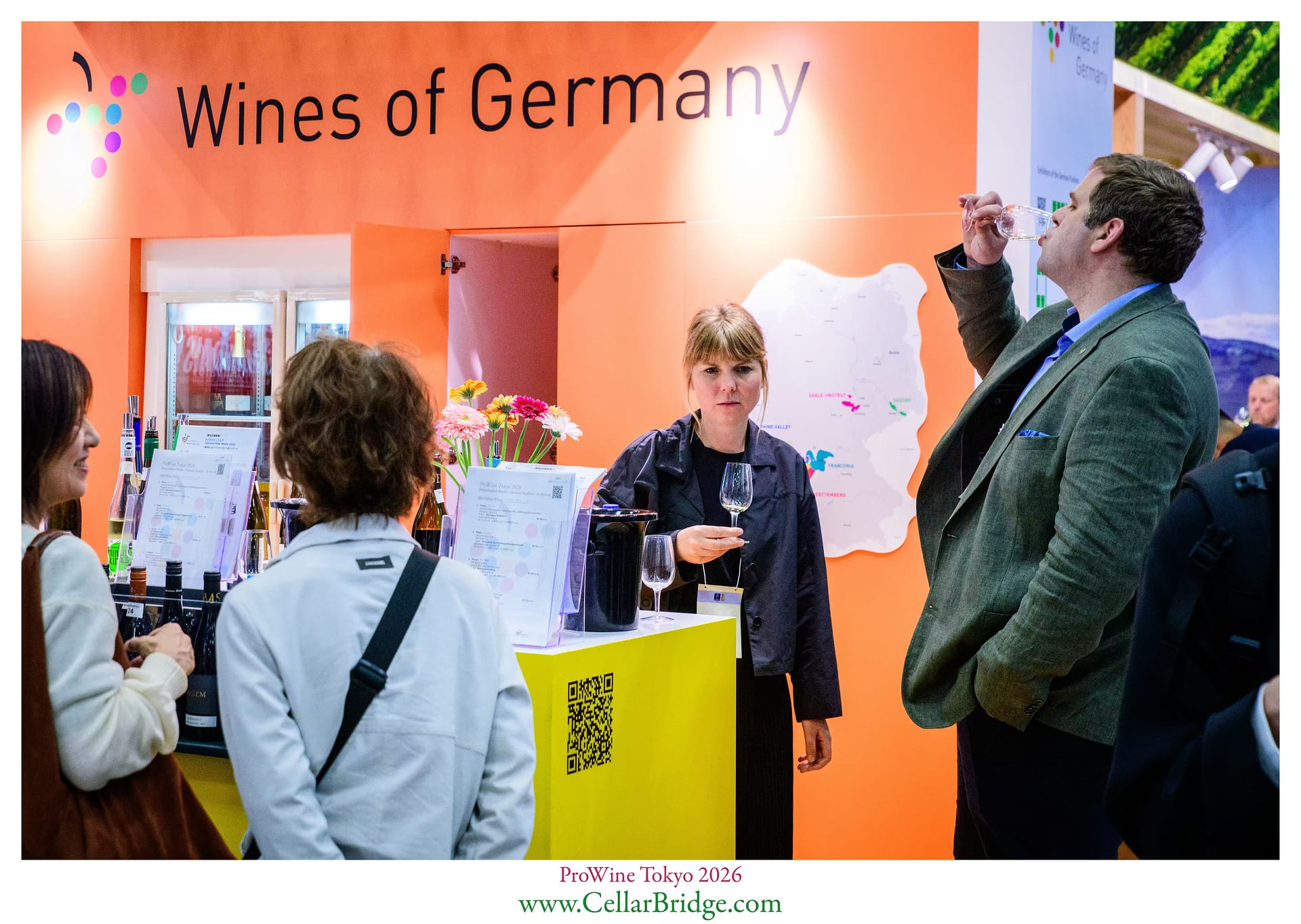
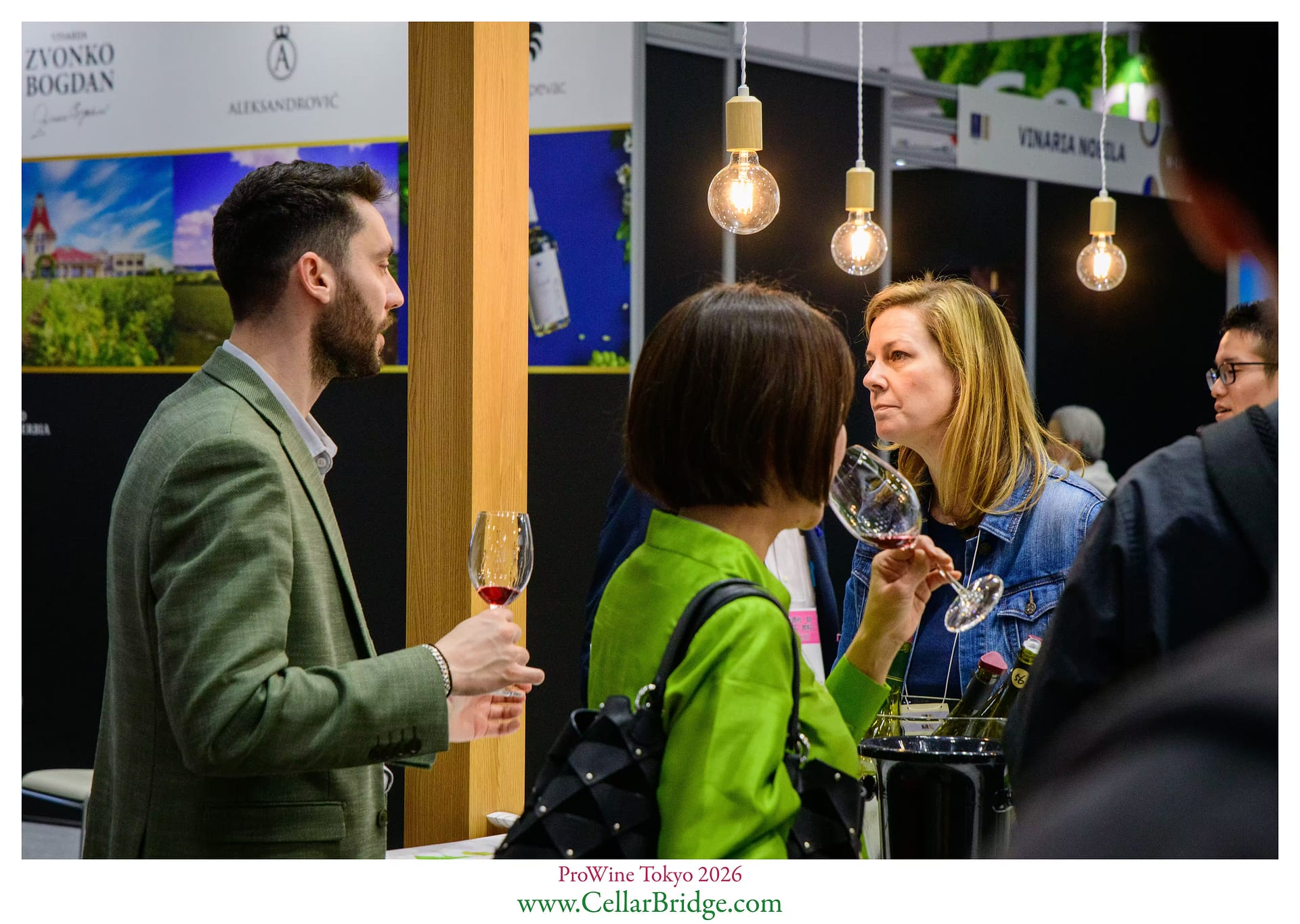
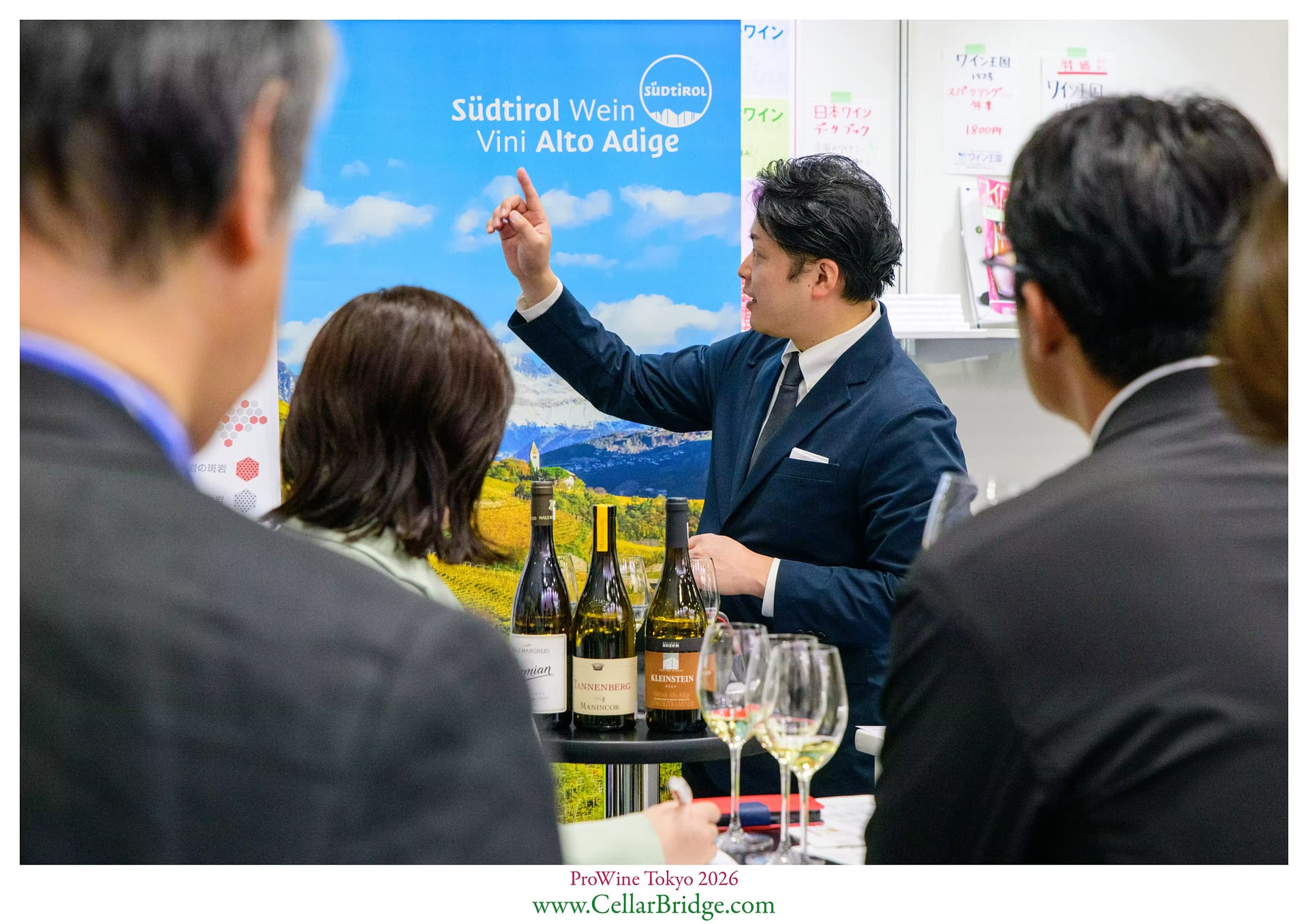

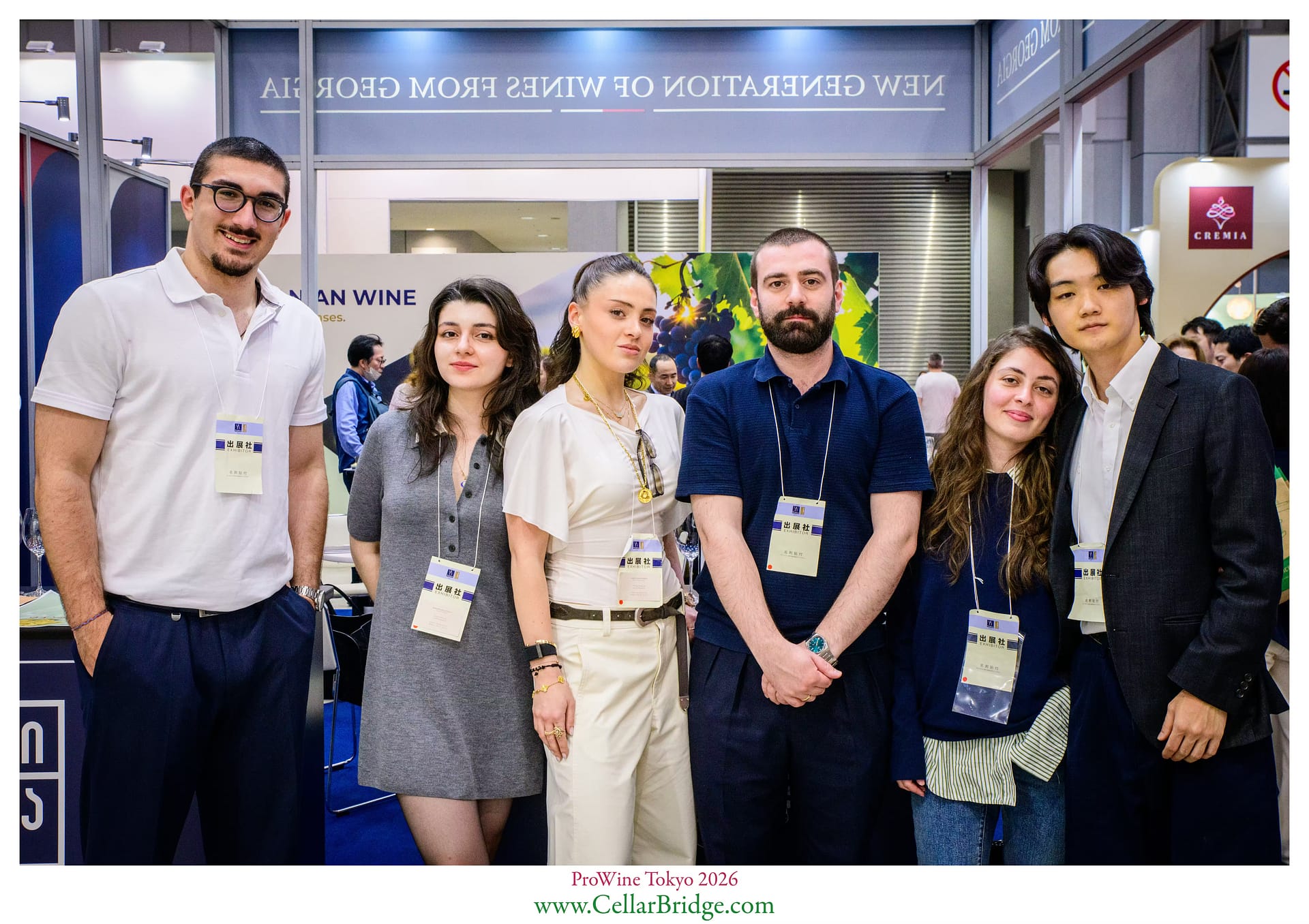
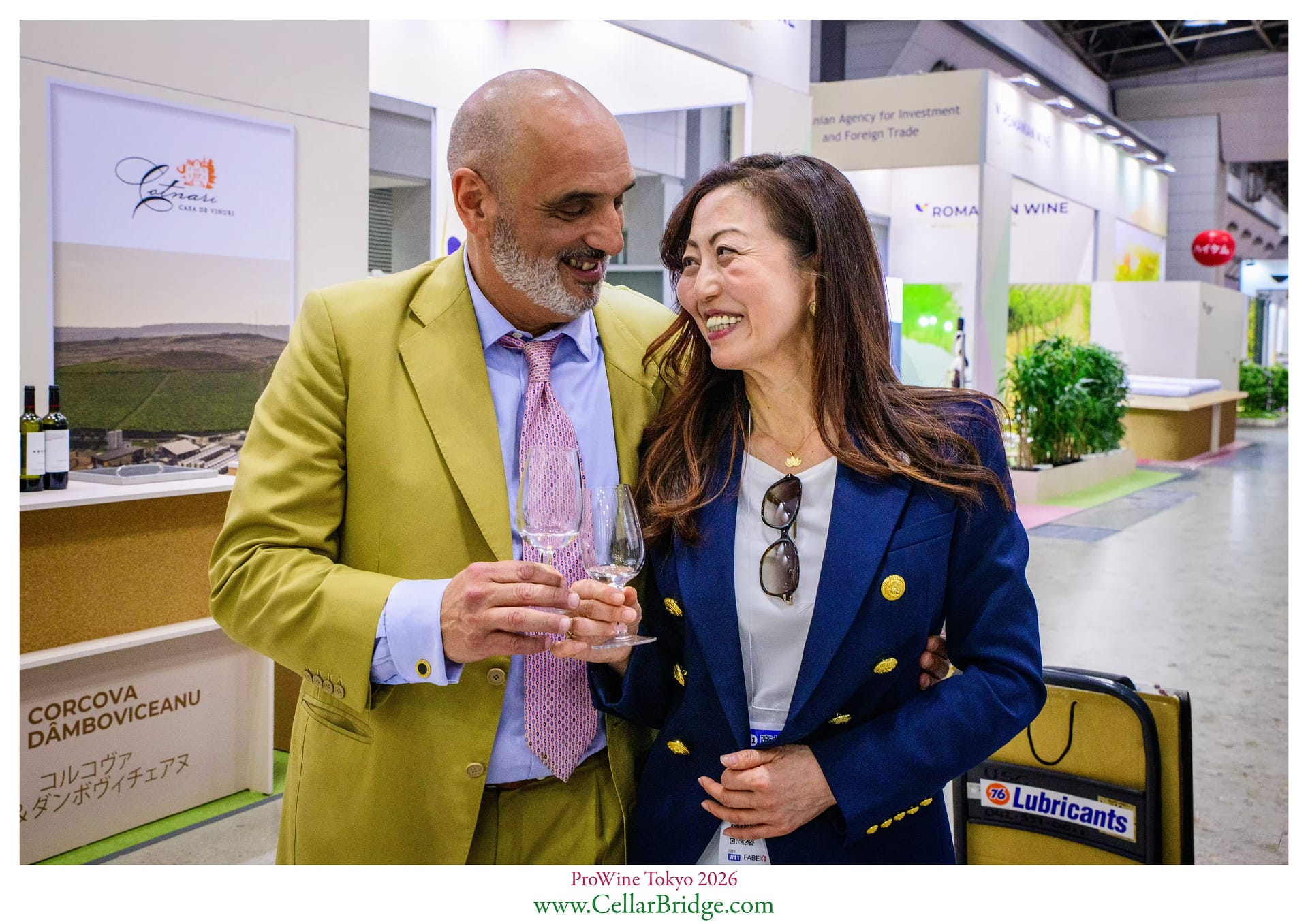
The venue itself may not be as sexy as some of its competitors and the language barrier in masterclasses is a genuine obstacle (even with the translation app that was provided, it was hard to follow), but one couldn’t ignore the genuine effervescence that was at play. What I witnessed was real communication: people taking the time to taste and ask questions, camaraderie between the producers, and plenty of smiling faces, from the opening hours till closing time. And the most important to me was access – to Georgian winemakers who do not show up in Singapore or Hong Kong, to Serbian producers building serious relationships in unfamiliar territory, to Greek wines rarely as present in other Asian fairs and to boutique projects like დამზადებულია აკიტაში and ჩალუ Sparkling Teas. These were 3 intense days but I would gladly have stayed double that long – and doesn’t that say it all?
It’s all about showing up, creating connections and opening your horizons and on that front – პროვაინ ტოკიო 2026 aced it.