Words & Photography by Aurélien Foucault
After planning my ProWine Tokyo trip the way I do for everything in my life – which is by making a long list of all the things I need to do on a piece of paper, lose it and then forget all about it – I ended up surprised with a few extra days before heading to Singapore for yet another ProWine and I really wanted to visit a Sake brewery.
I know, everybody tells me when visiting Japan: planning is essential. So my hope was thin.
Still I wrote a last minute email to Ishikawa brewery and, to my surprise, they very kindly agreed to welcome me.
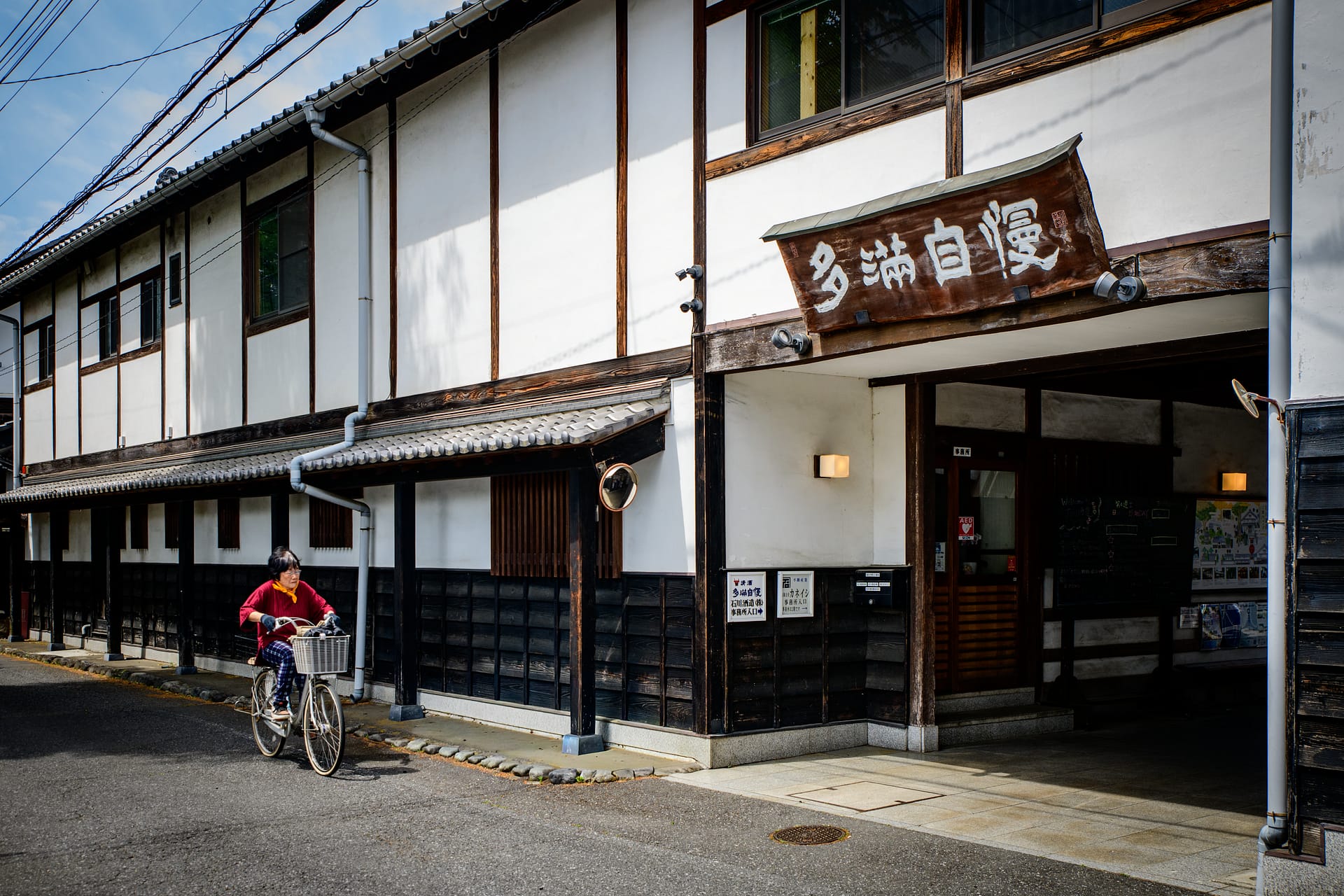
Here I was, hopping on a morning train to Fussa city, making the best of my Japanese dream. The Brewery is a 20 minute-walk from the metro station, through a quiet town basking in the morning breeze.
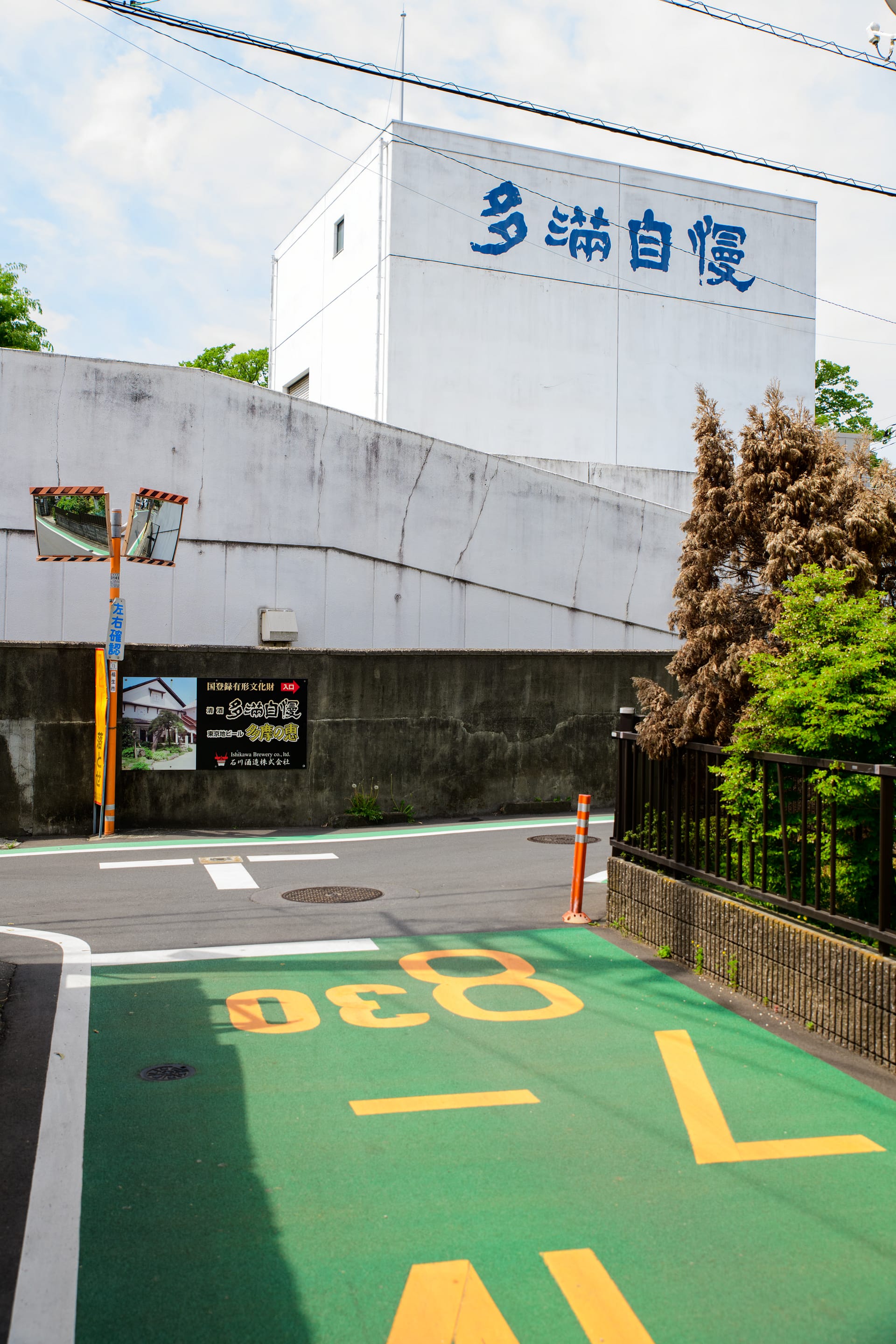
Once I arrived at the brewery, I was welcomed by the lovely Miss Suzuki with whom, because of me not speaking Japanese and not giving them enough (well, any!) notice to prepare an English speaking guide, we dialogued through translating apps – going through embarrassed laughter when it didn’t work, and satisfactory nods of mutual understanding when it did.
Miss Suzuki walked me along the beautiful estate, with its traditional courtyard bathing in the crisp light of the morning.
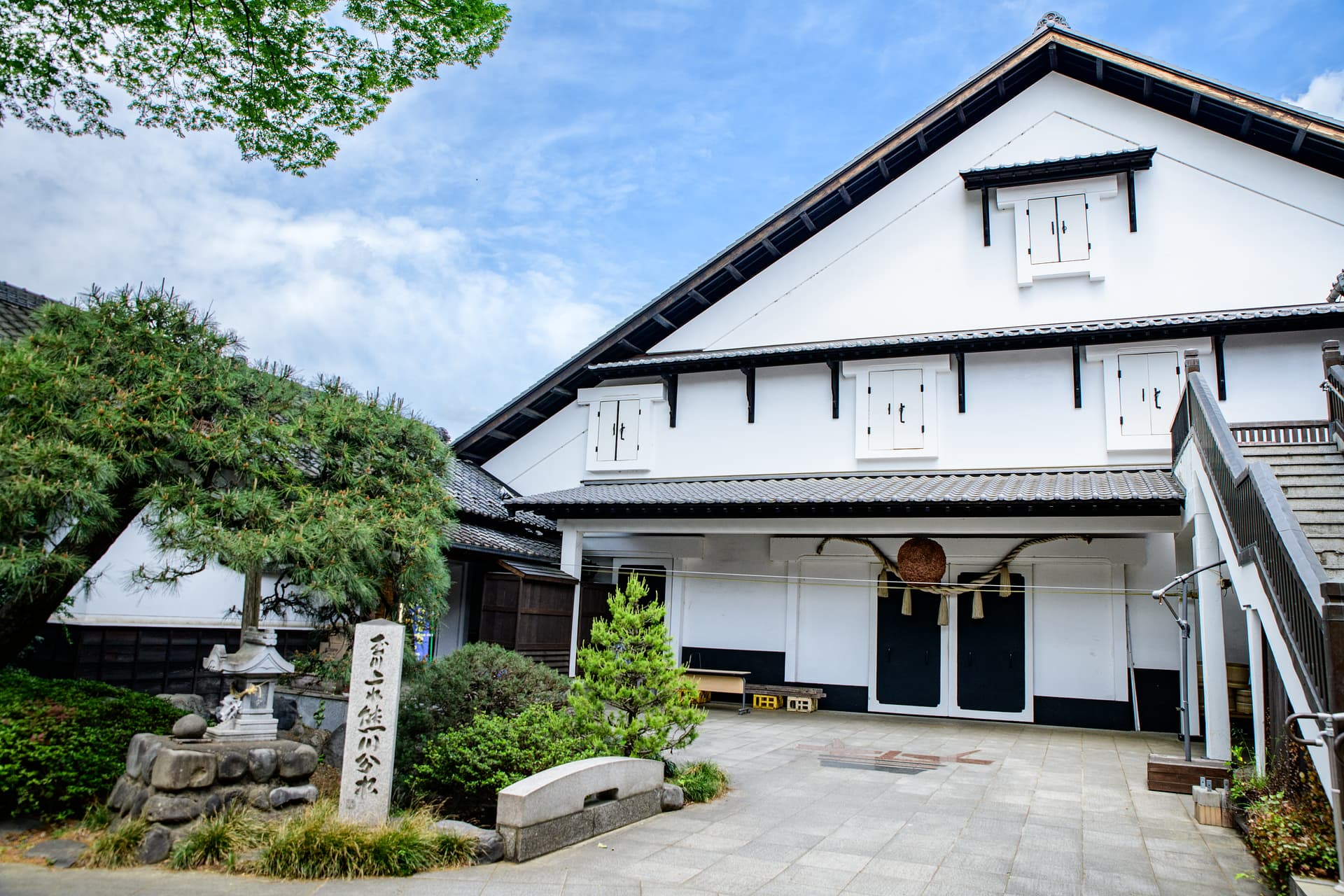
We started with the Honkura, which is the warehouse where Sake is made.
This ball, made of the twigs of Japanese Cedar, is both a totem of good-fortune for sake brewers and an indicator of the seasons of sake brewing.
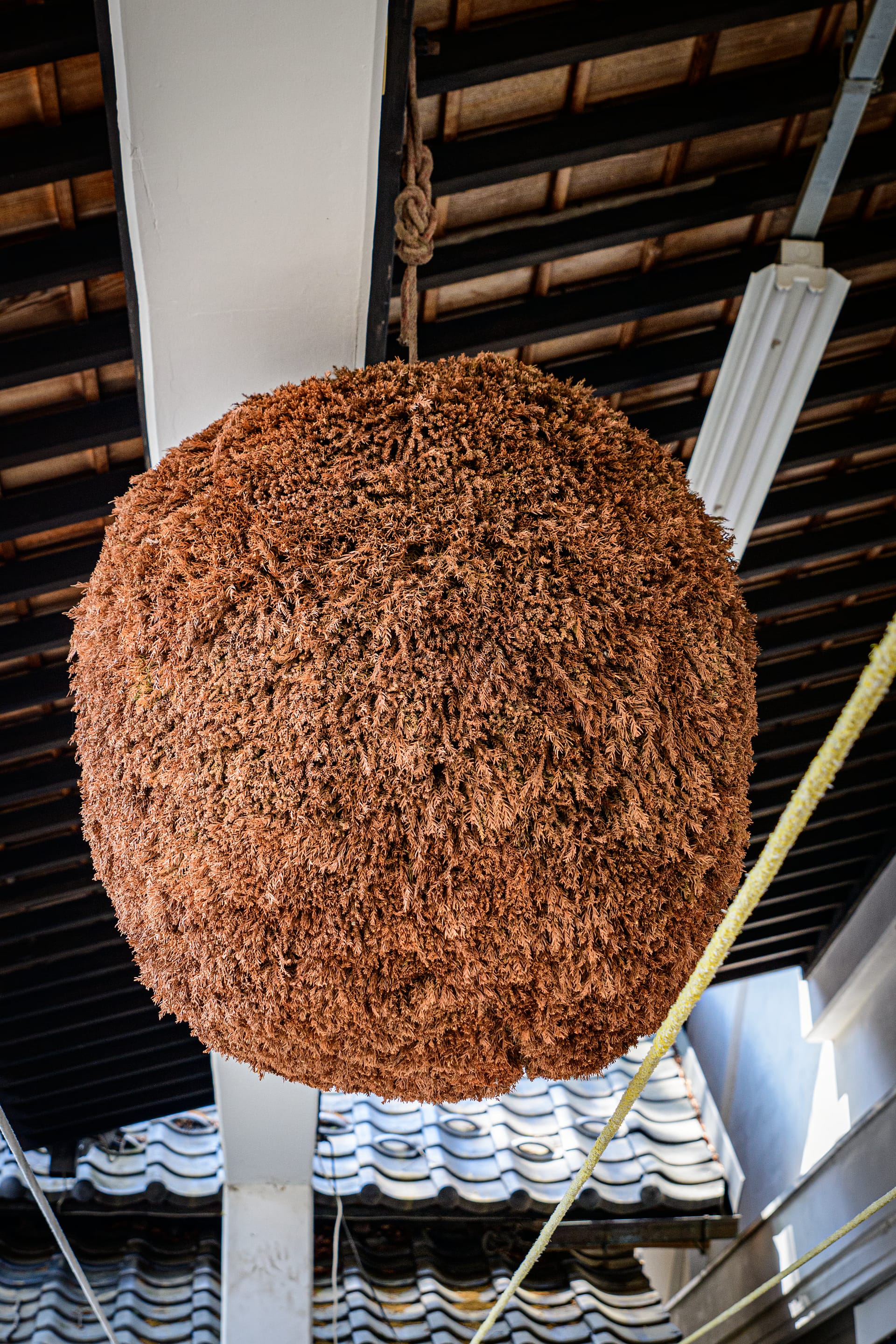
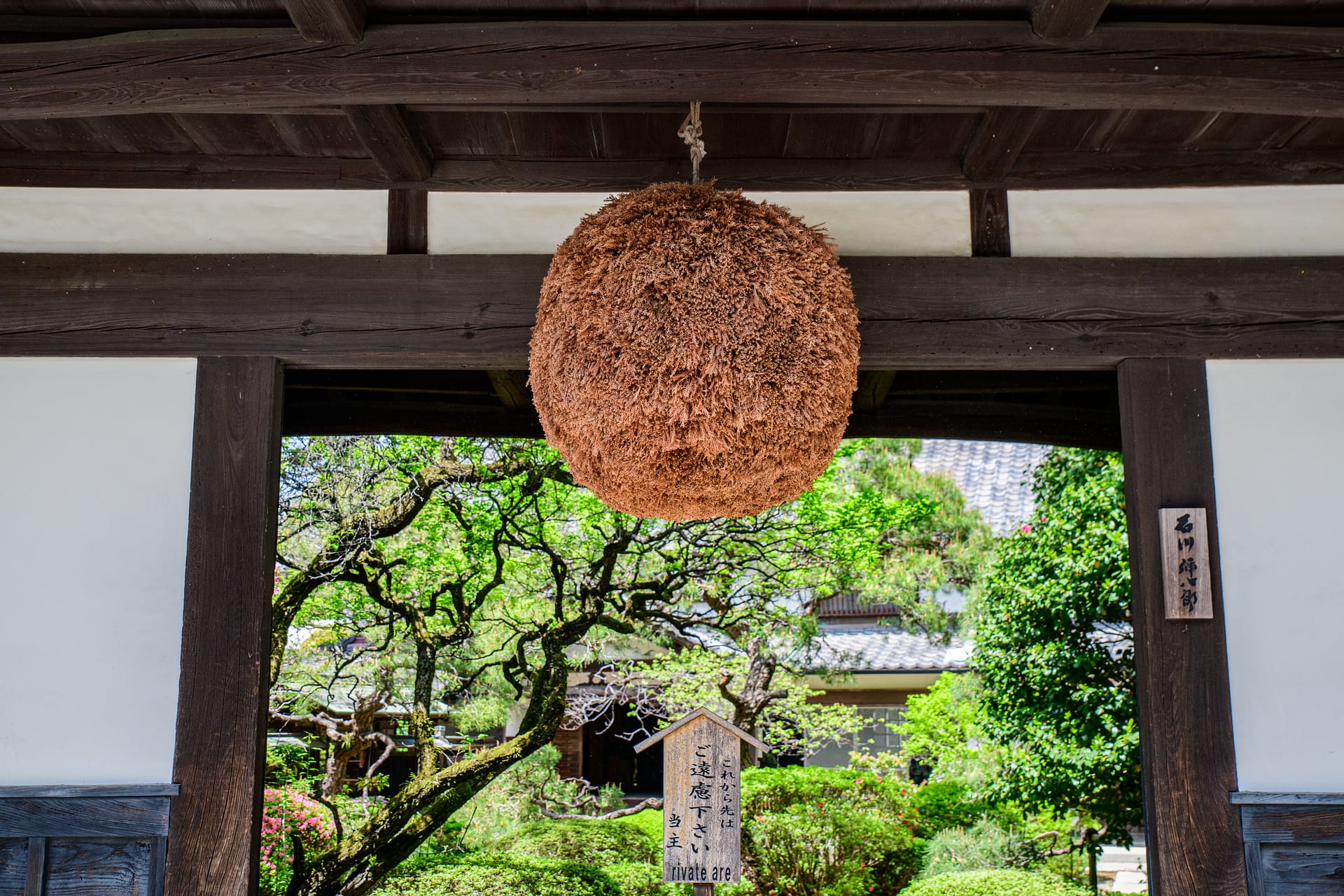
I was intrigued by a sort of large vegetal ball hanging at the entrance.
Miss Suzuki explained that this was a Sugidama, an ancient tradition carried on by all Sake Houses.
This ball, made of the twigs of Japanese Cedar, is both a totem of good-fortune for sake brewers and an indicator of the seasons of sake brewing.
At Ishikawa, the head brewer swaps in a fresh, bright green sugidama at the end of October, the same day they release Tamajiman Arabashiri and Sarasara Nigori, their first new sake of the year. Over the months that follow, the cedar dries out and the ball slowly turns from green to brown, tracking the sake’s own maturation until the next one goes up.
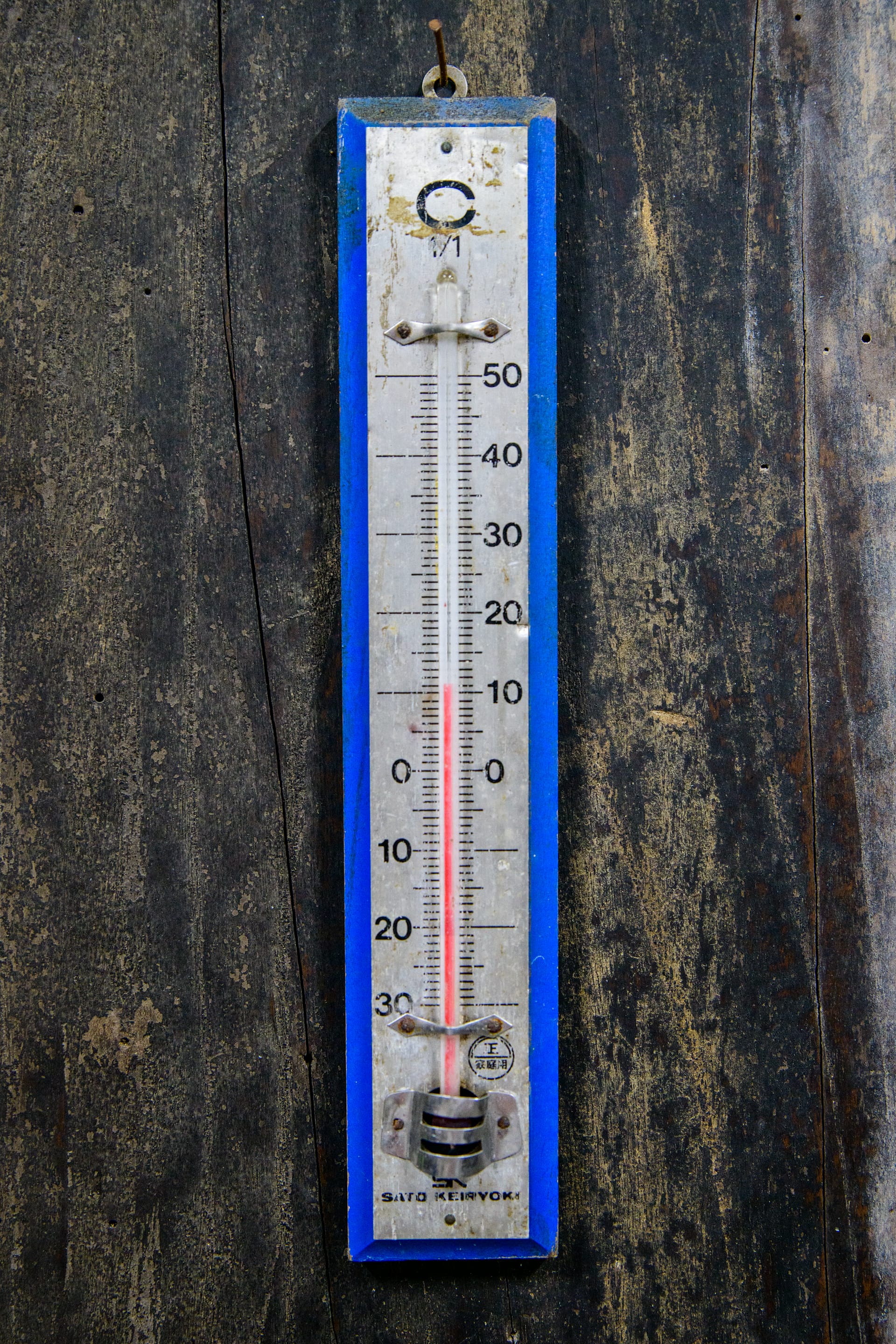
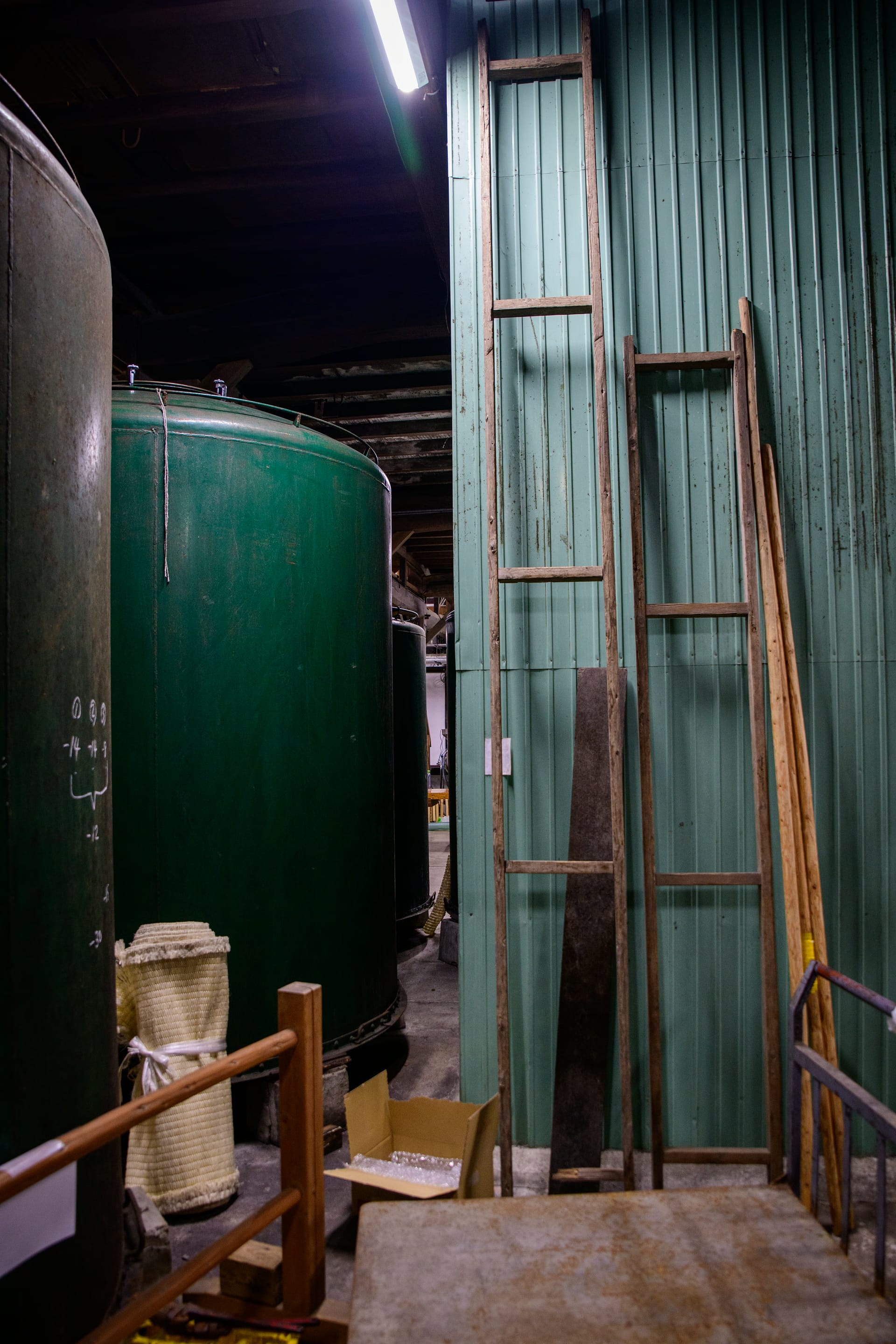
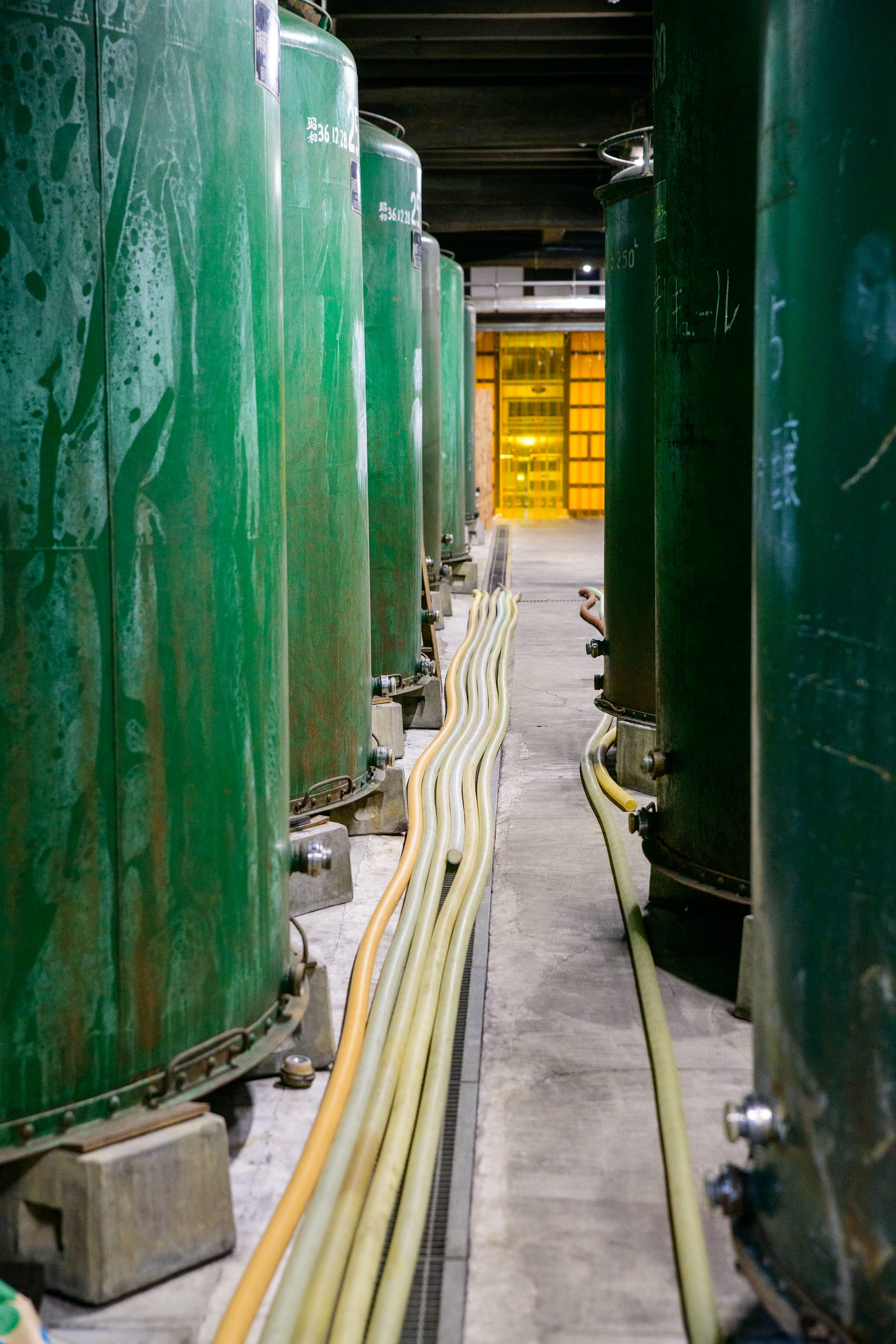
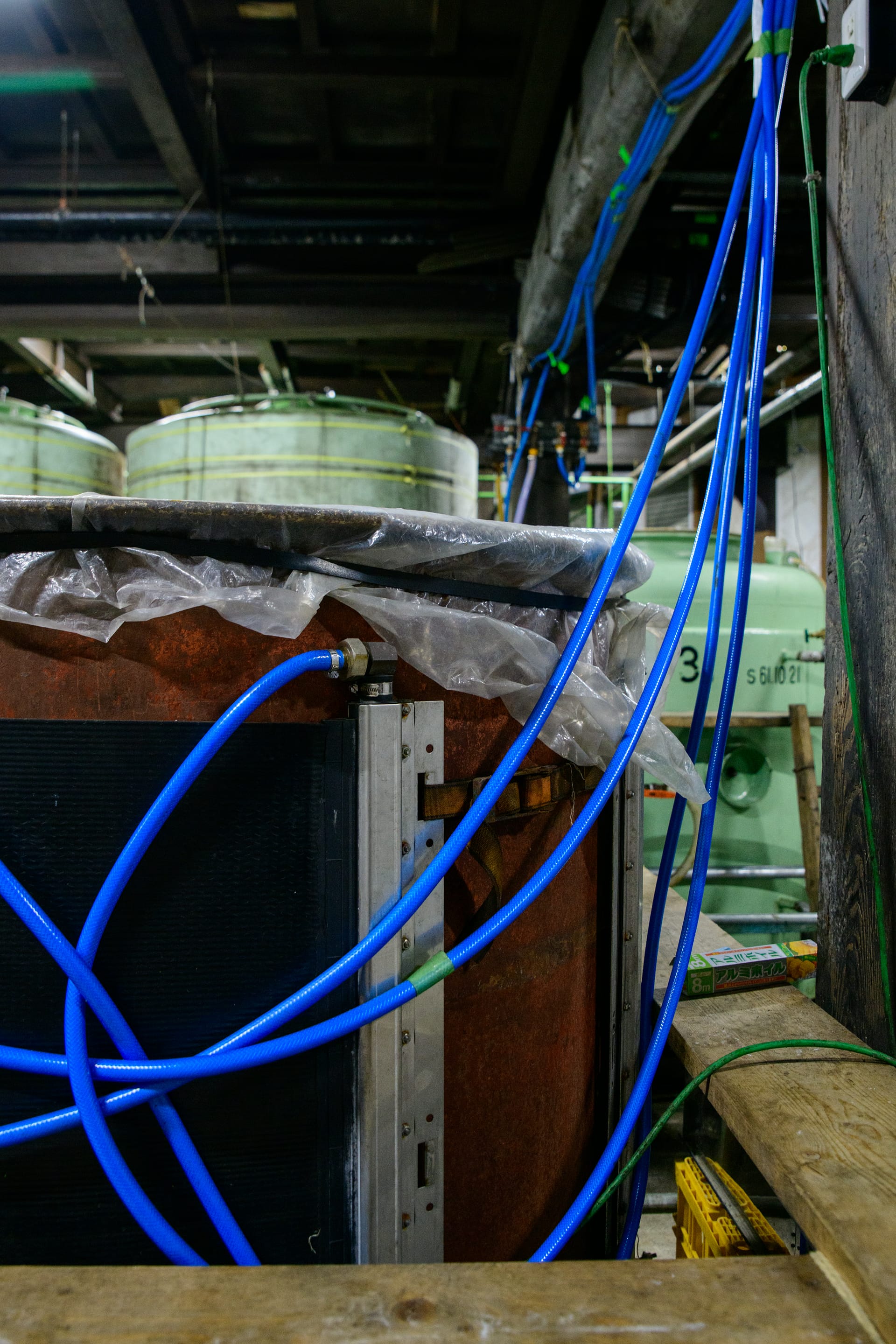
The Main Warehouse (Honkura), built in 1880, stands 13 metres tall, 25 metres wide and 31 metres long, held up by pillars cut from zelkova trees.
Its thick plaster walls are built to naturally stabilize the indoor climate for sake production.
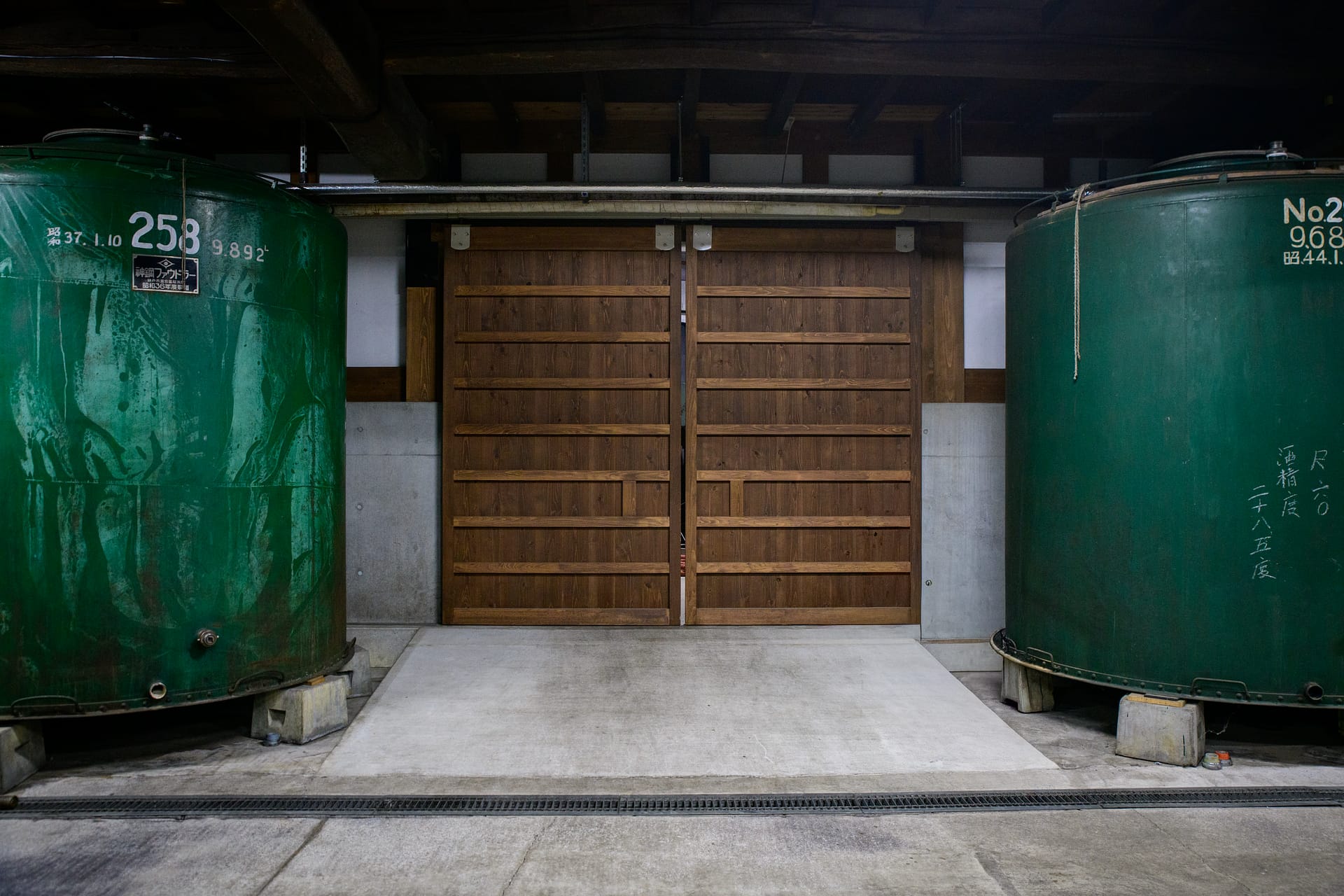
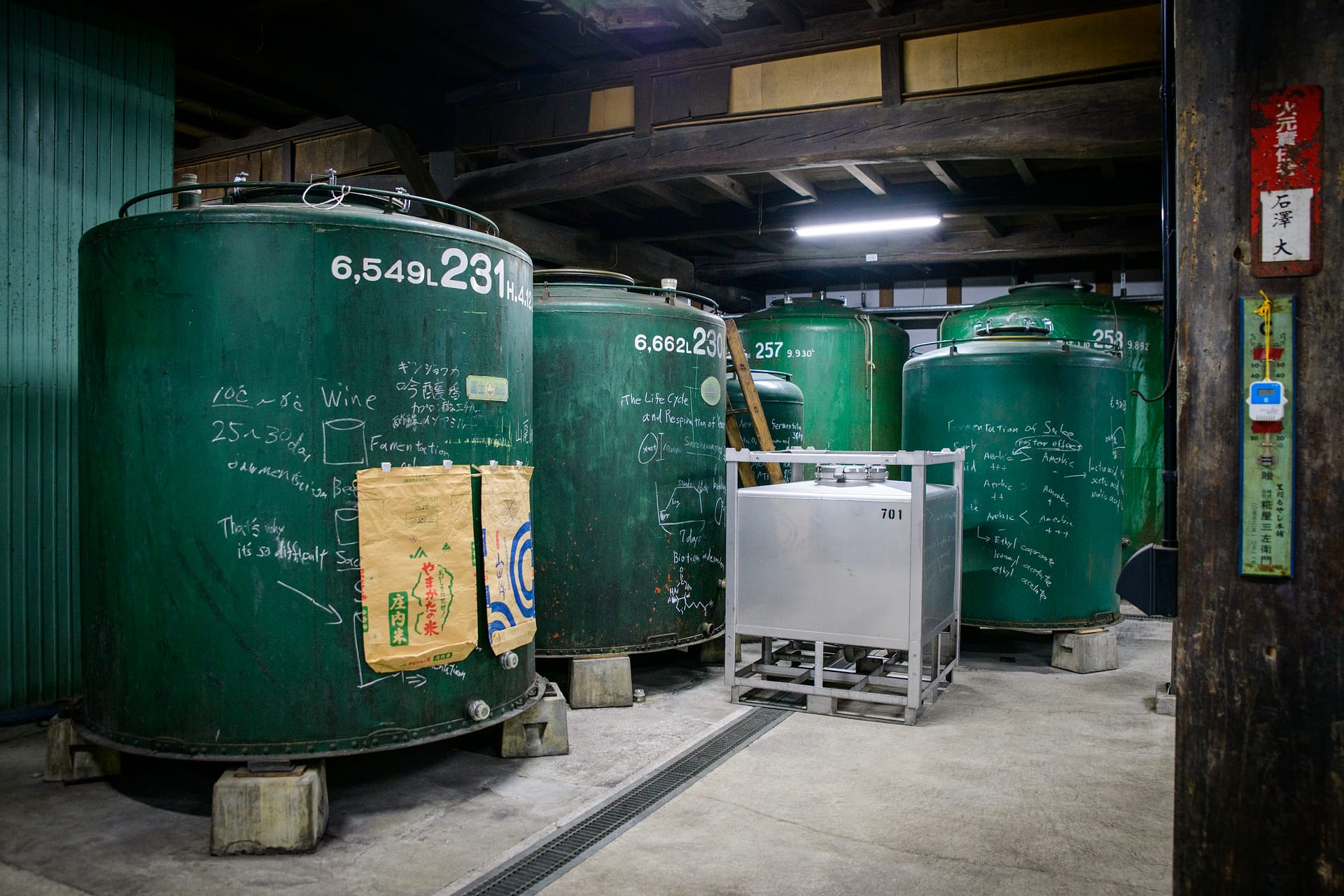
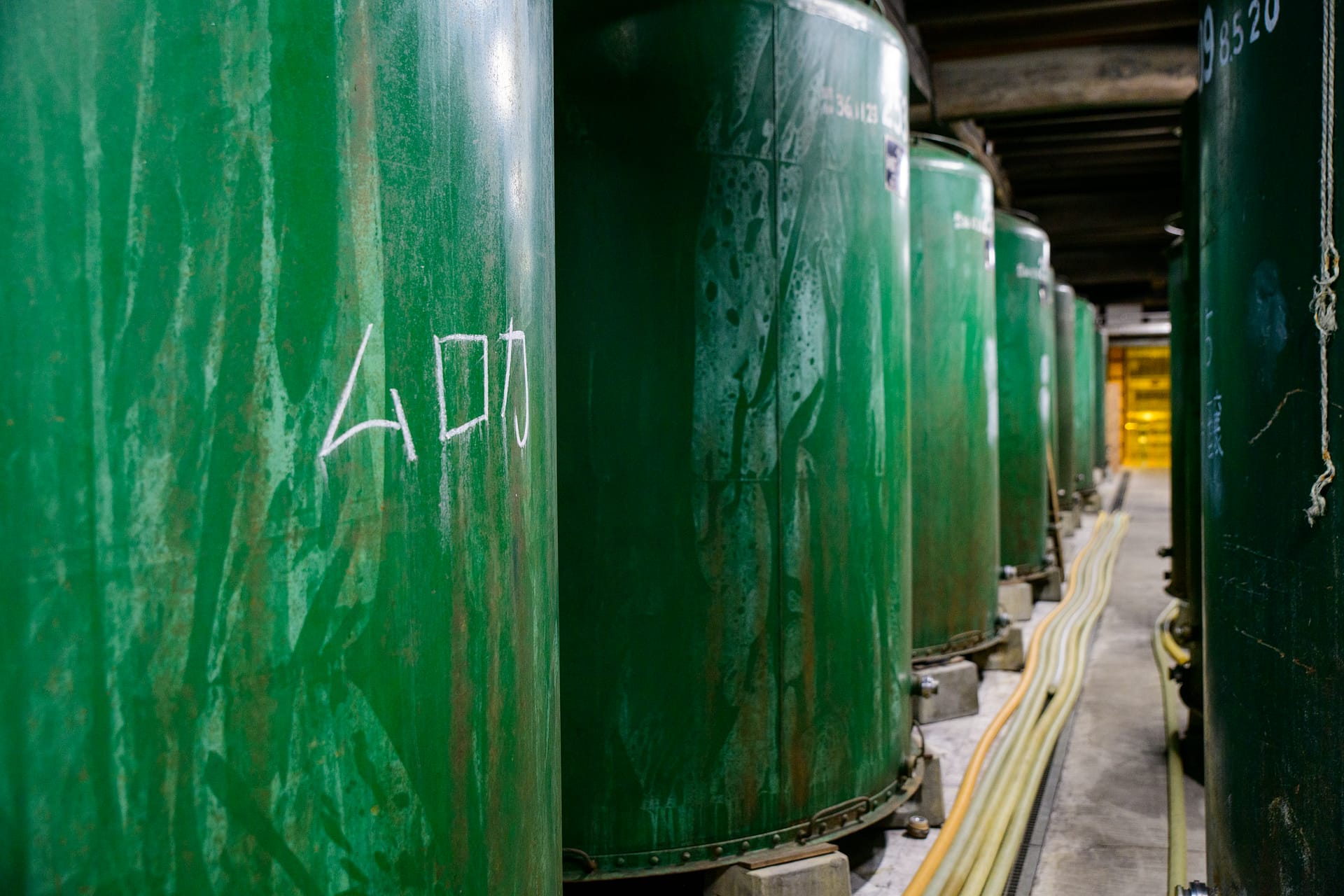
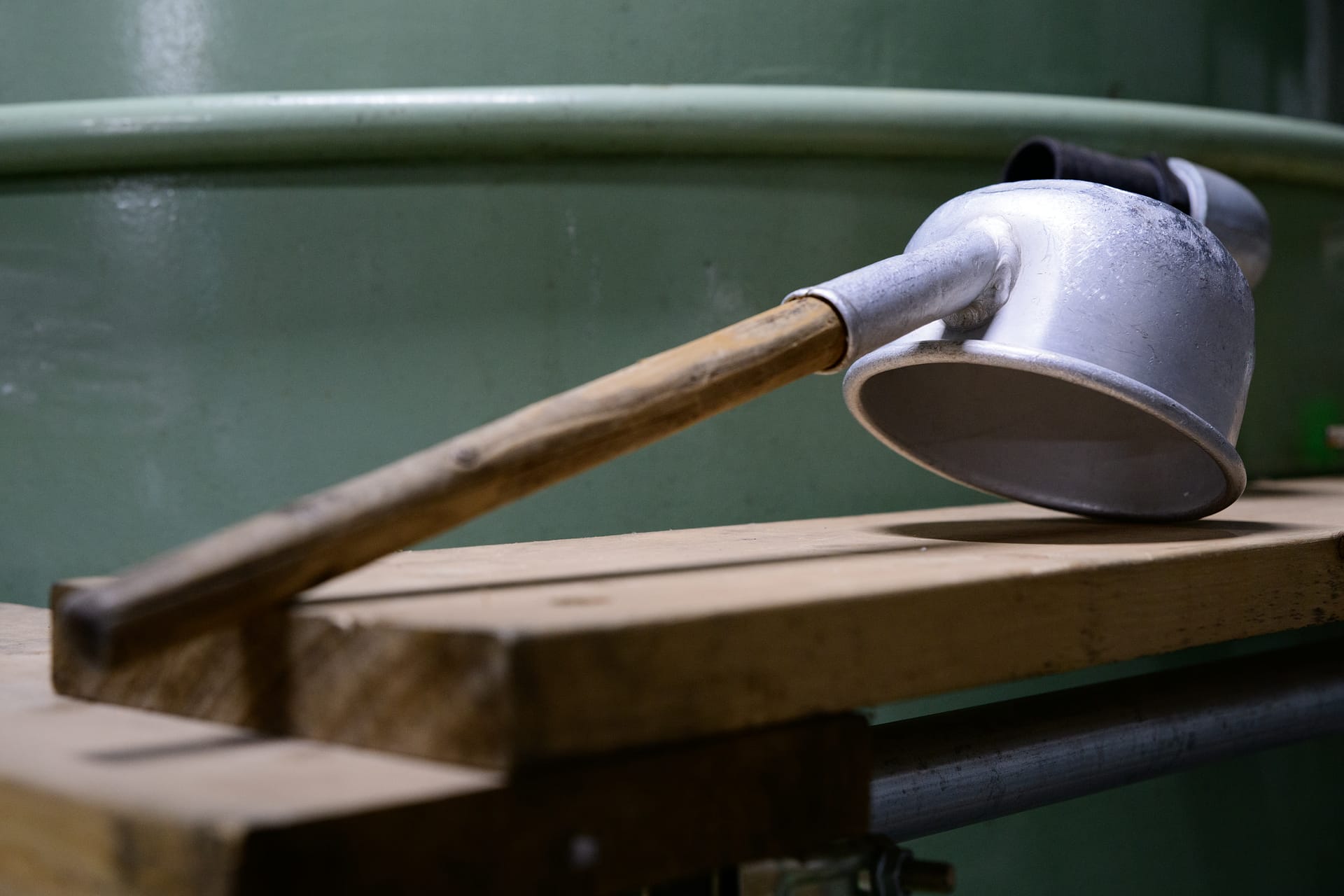
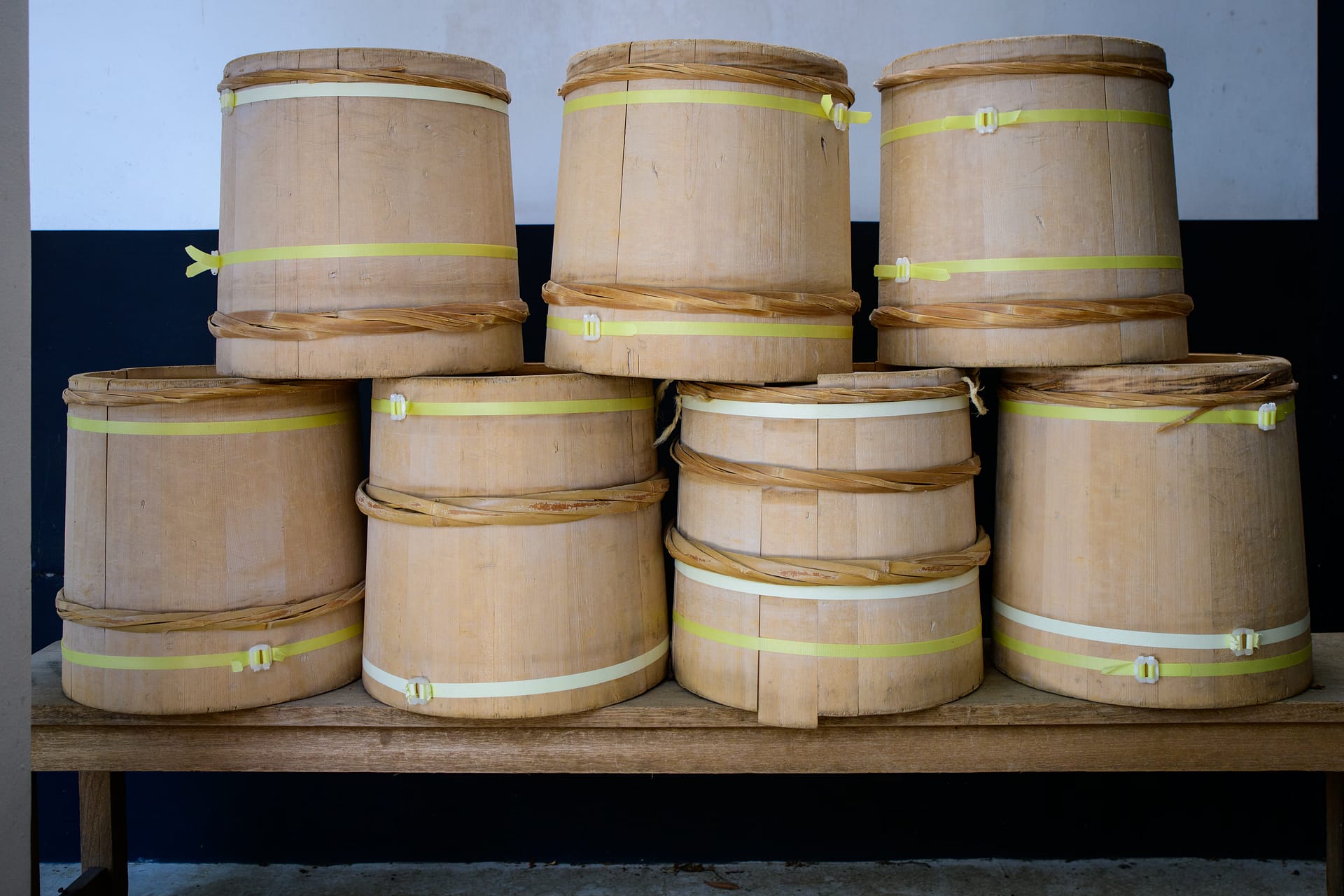
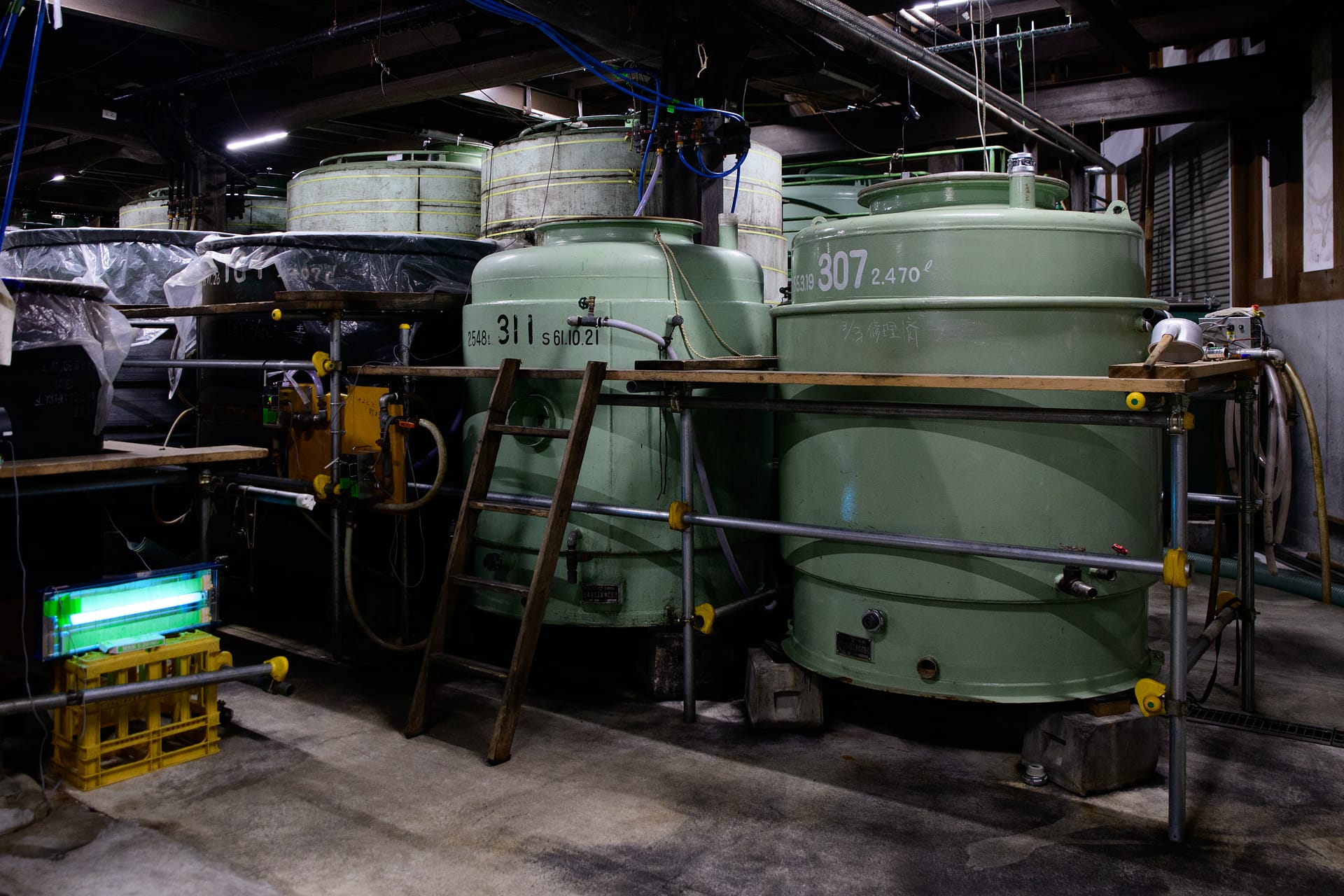
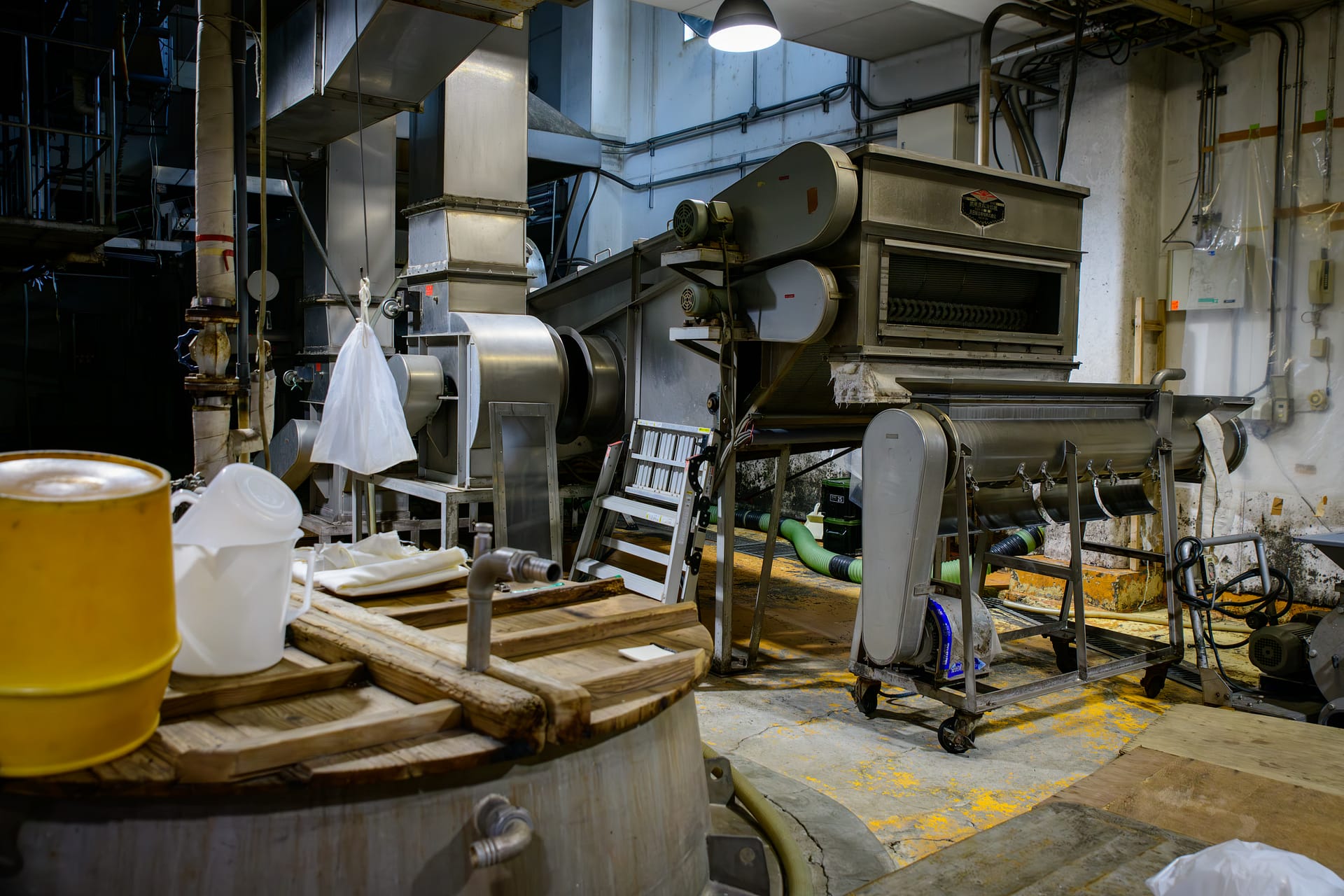
Inside, the first floor holds the fermenting and storage tanks, the second floor is for yeast starters, and the third stores utensils.
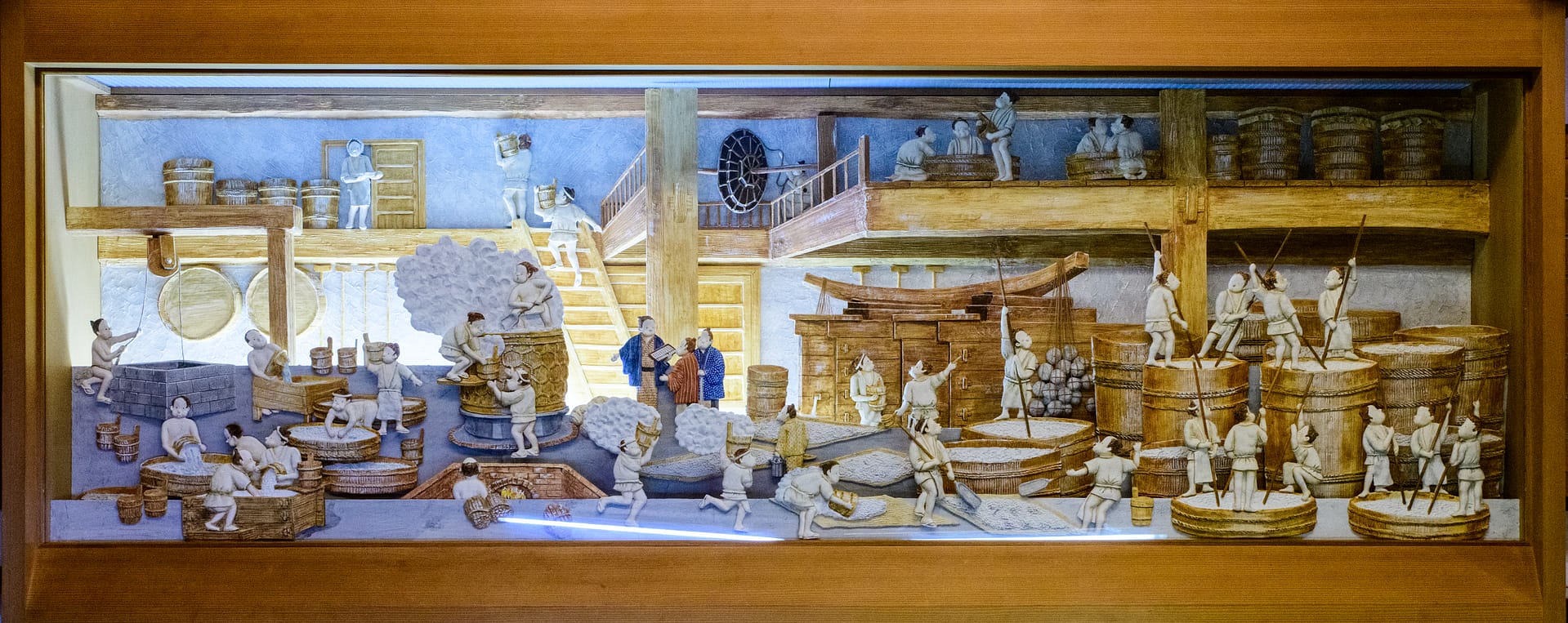
Brewers still start the traditional way: they mill the rice, steam it, and mix it with koji to build a yeast starter called shubo. From there, they add steamed rice, koji and water in three stages over four days to build the moromi mash, before pressing it into sake and a solid residue called sake kasu.
Until 1975, brewers steamed the rice in a koshiki, a wood-and-metal steamer that took four hours where today’s machines take one, though soaking, temperature checks and timing are still done by hand.
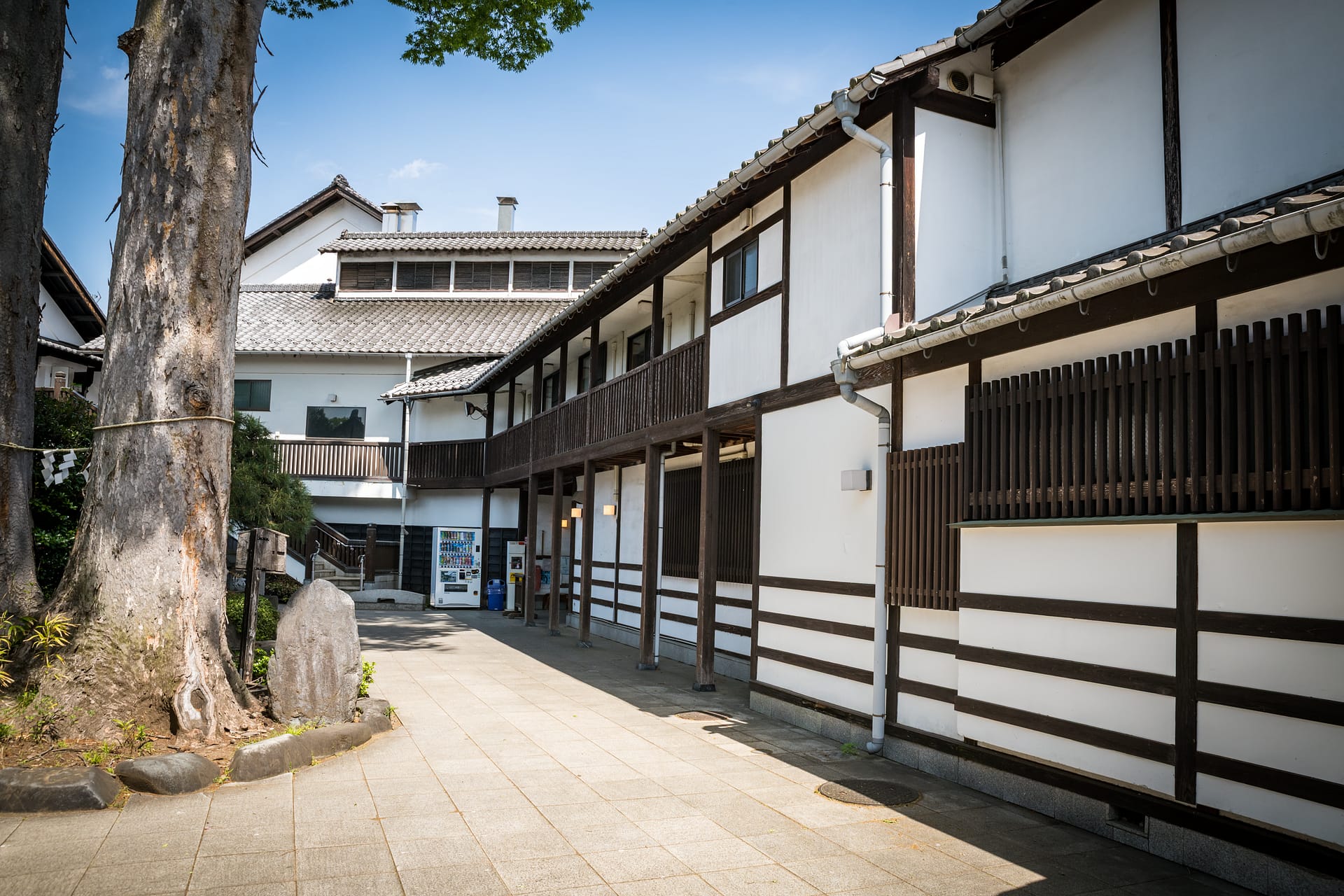
A short walk across the courtyard from the Honkura sits the Zougura, a beautifully preserved storehouse dating back to 1898. Among the antique tools and faded ceramic flasks, one can find a family diary kept continuously for 250 years, keeping trace of the brewery’s history generation by generation, alongside their early labels: first Yaesakura, then Yaeume, and finally Tamajiman. I was impressed with a large fresco depicting the life at the brewery and the sake brewing process.
It was a surplus of rice that turned them toward sake.
The Ishikawa family has farmed this stretch of the Tama River, in an area called Kumagawa, for around 400 years. Under the direct control of the Tokugawa Shogun during the Edo period, they acted as community leaders, paying tribute in sweet fish caught from the Tama River and hosting Korean envoys passing through. Agriculture was the family business, alongside trading ash and linen and working as pawnbrokers on the side. It was a surplus of rice that turned them toward sake.
The family’s agricultural land was lost at the end of the Second World War, and in 1950 the 16th Yahachiro made the decision that would define the brewery going forward: sake production alone, with quality over volume. He went on to lead the Japan Sake Brewers Association for thirteen years from 1959. That focus on quality is still built into the architecture – the brewery’s main building, the Honkura, has changed little since it went up in 1880.
Outside in the courtyard, we walked by the nagayamon – the estate’s historical gate, off limits to visitors. The name itself is a clue to what it once was: nagaya (a long row house) plus mon (gate), a single structure that combined the entrance with quarters and storage built along its length. Nobody knows the exact age of this one, but it was already standing in the time of the 11th head of the Ishikawa family, which puts it at 1775 at the latest – the oldest structure on the property, older even than the Honkura. Miss Suzuki told me every head of the family since has taken the name Yahachiro, a tradition that comes from the banner on this very gate. The current head is the 18th Yahachiro Ishikawa, and his ancestor, the 13th Yahachiro, was the one who first turned the family’s surplus rice into sake.
The other beautiful thing with Ishikawa is that they’re not only historically brewing sake – beer production is also part of their story. In July 1887, driven by a desire to explore Western styles, the family began constructing a dedicated beer brewery. According to the family archives, Ishikawa’s initial recipes were deeply influenced by the popular German styles of the period. However, the German methods proved to be an unforgiving challenge for the young team. Lacking historical experience with barley and bottom-fermentation, the brewery found the process difficult to sustain year-round, limiting their production exclusively to the freezing winter months. They managed to distribute their batches across Yokohama, Hachioji, and Kawagoe but the steep learning curve ultimately forced them to halt production after just one year. By 1890, the entire beer facility was dismantled and sold off.
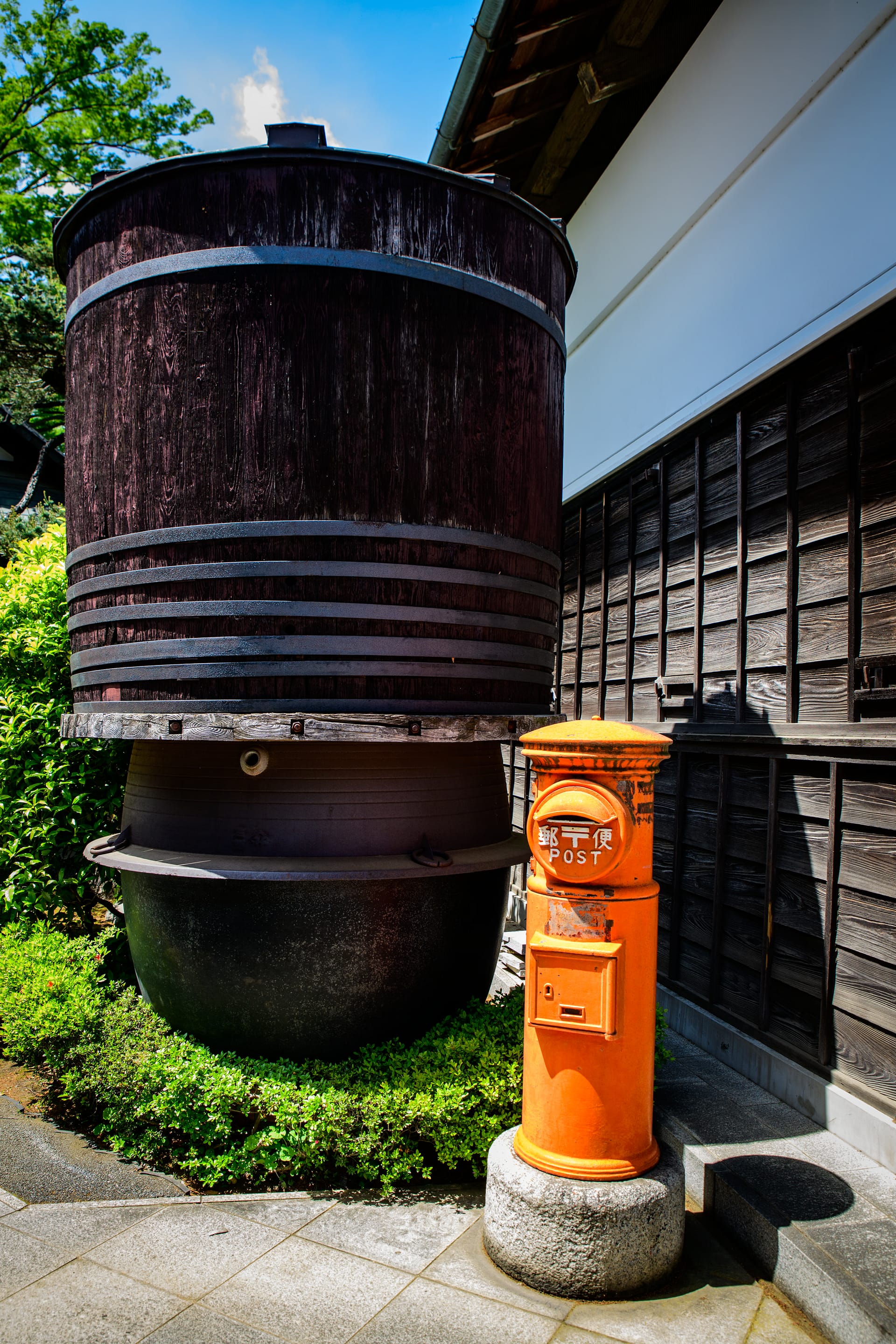
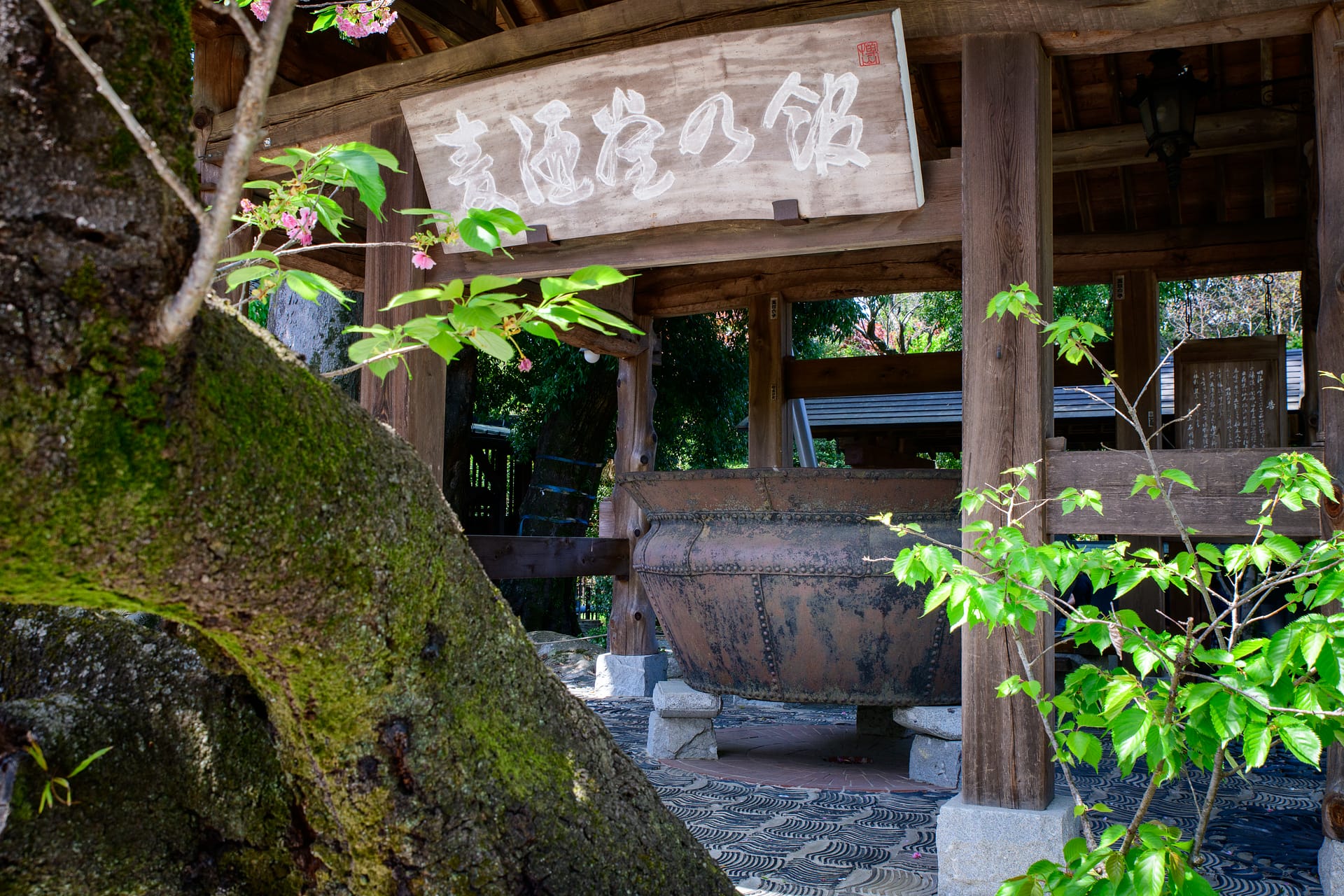
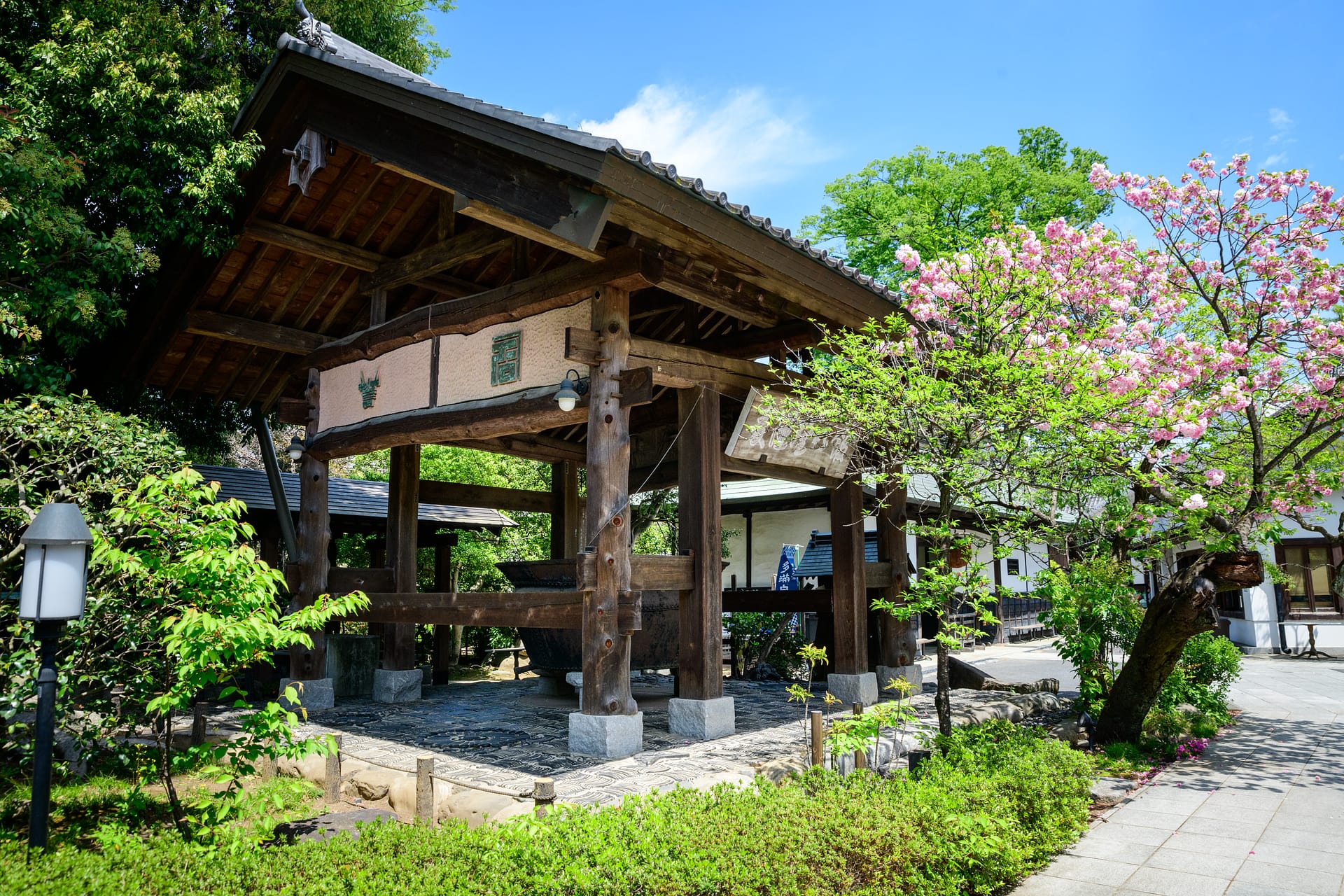
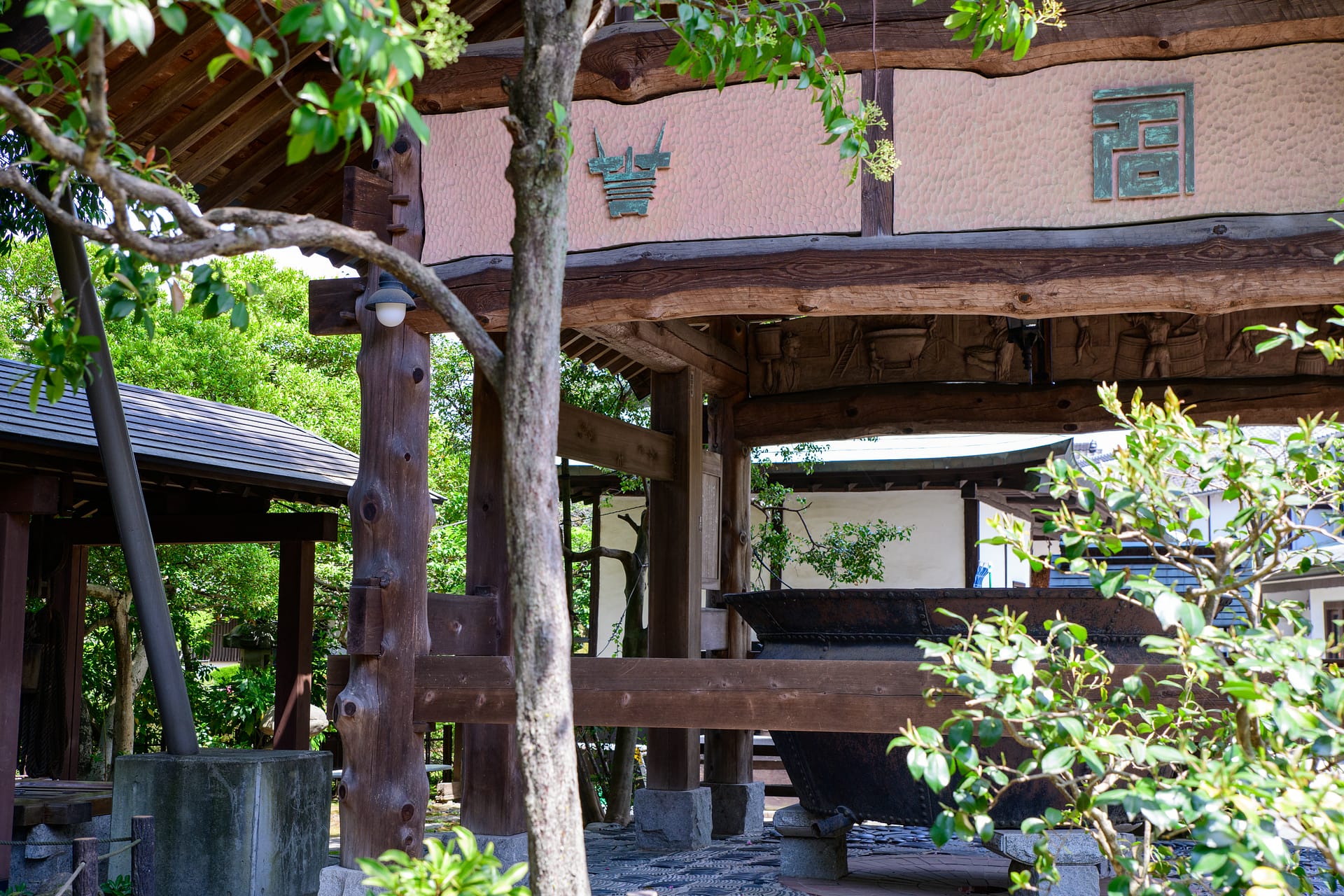
Only the massive copper cauldron used to boil the wort survived the liquidation. Today, it sits in its own pavilion on the grounds – a beautiful piece of industrial prowess that is said to be the oldest surviving beer-brewing cauldron in Japan.
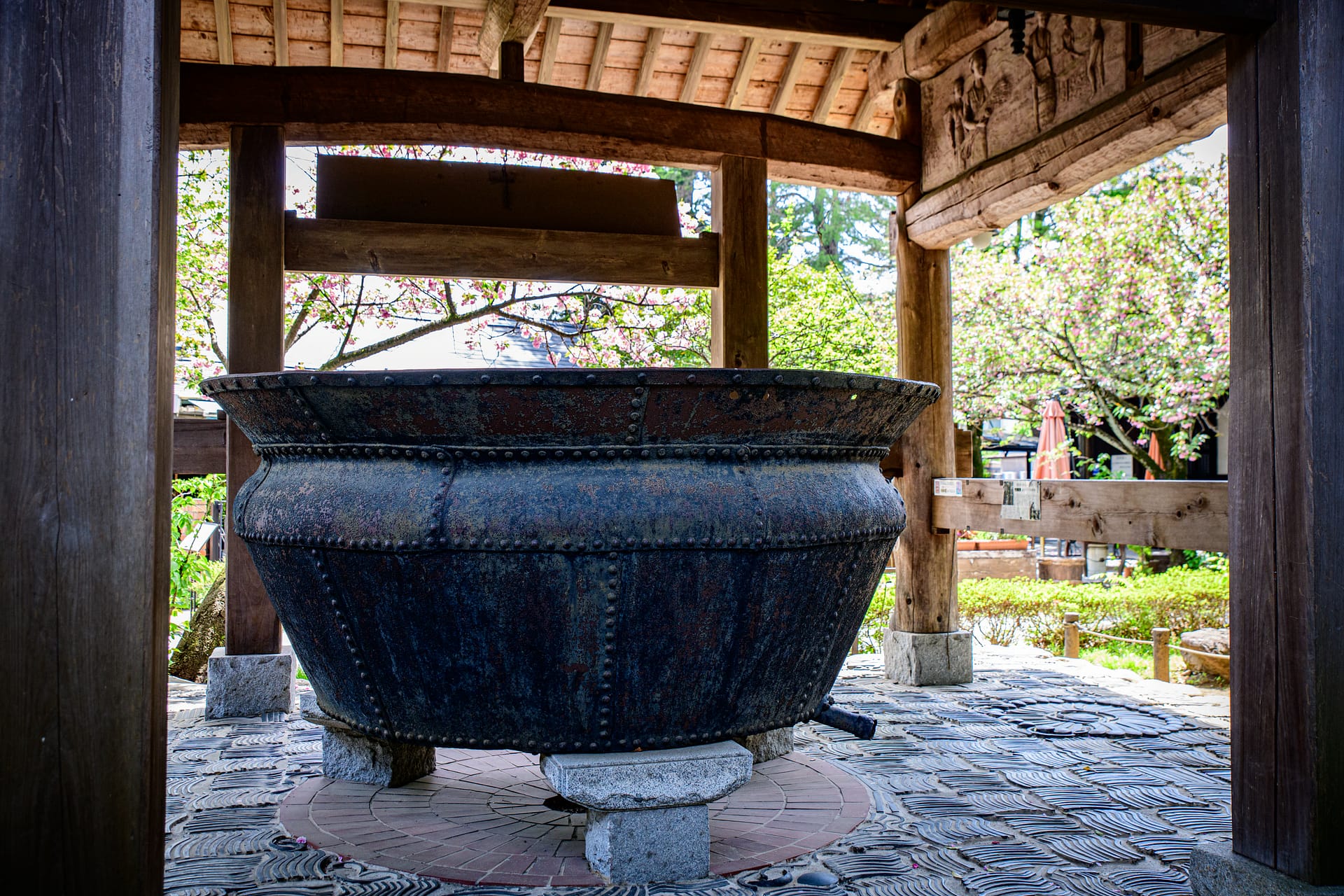
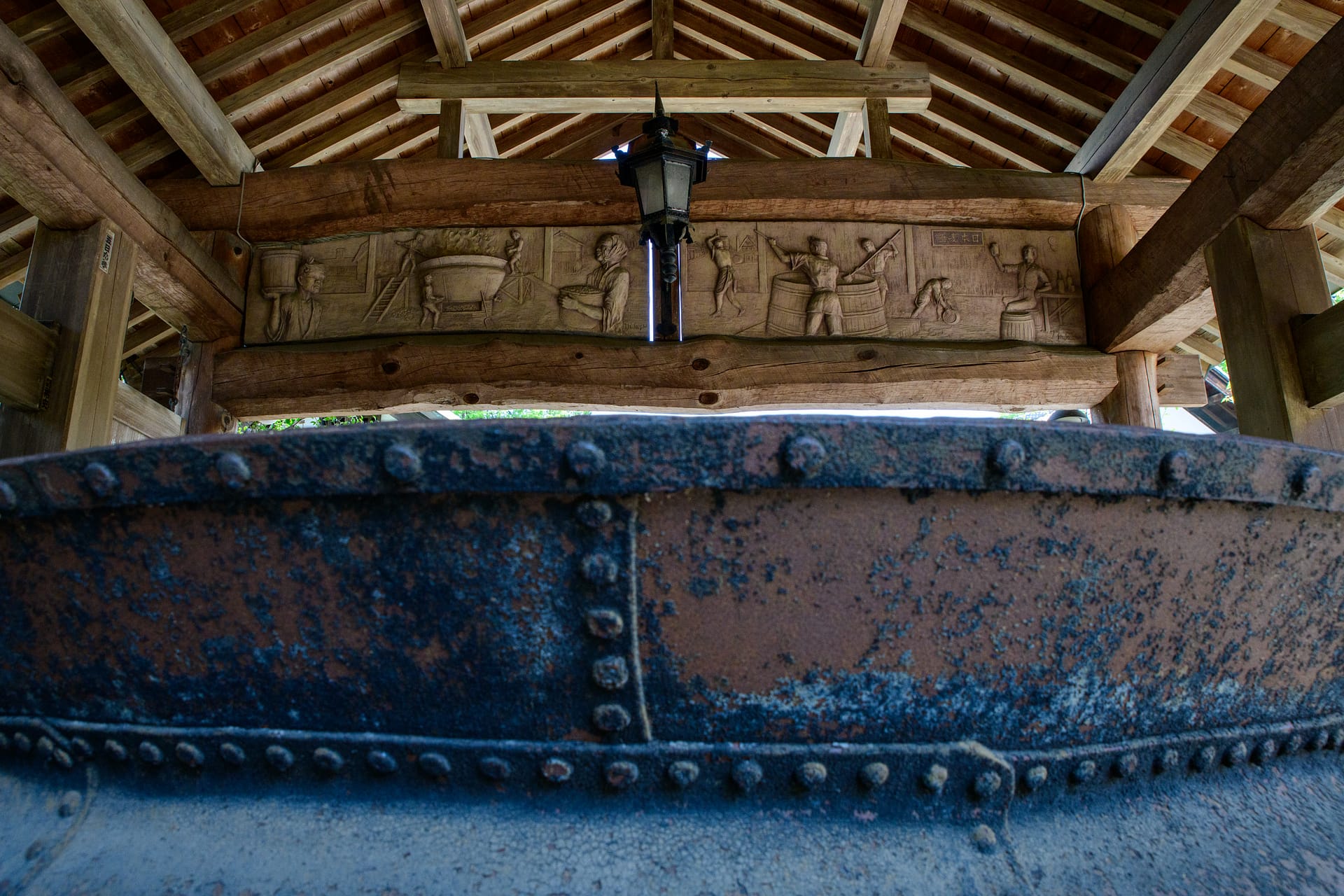
Beer would not return to Fussa for over a century. Tight Japanese tax regulations historically required a massive minimum output of 2,000 kilolitres for a brewing license, keeping the craft entirely out of reach for independent family estates. That changed in 1994 when deregulation dropped the legal minimum to just 60 kilolitres.
In 1996, the current head, Yahachiro Ishikawa, traveled to Germany and Belgium to study modern European brewing cultures. He returned to Tokyo convinced that a local brewery could build a genuine sense of community. By 1998, the licenses were secured, the family opened the Fussa no Birugoya Italian restaurant in the courtyard, and the taps began to flow with Tama no Megumi (Blessing of Tama): a lineup ranging from pale ales and pilsners to blueberry ales and wheat beers.
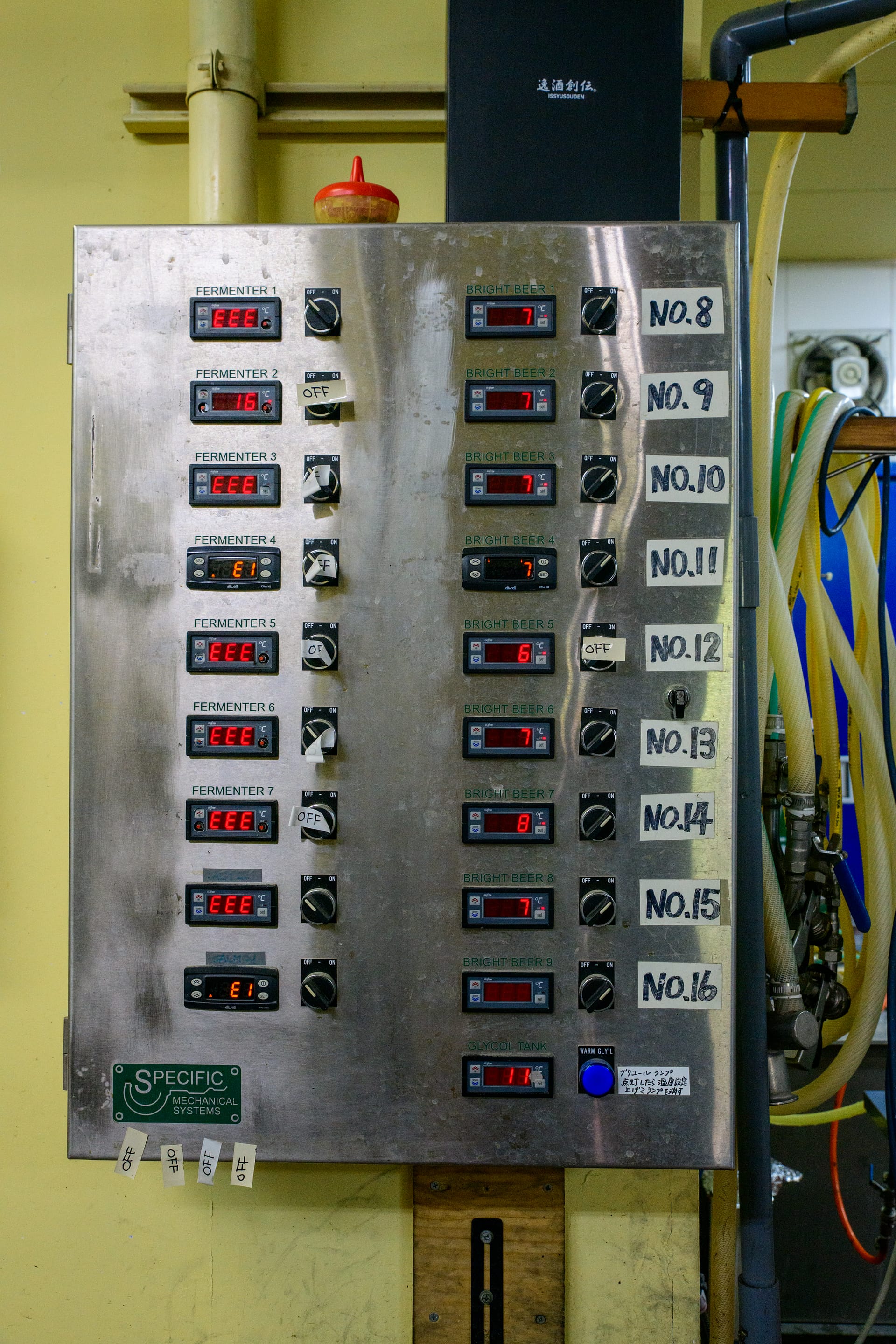
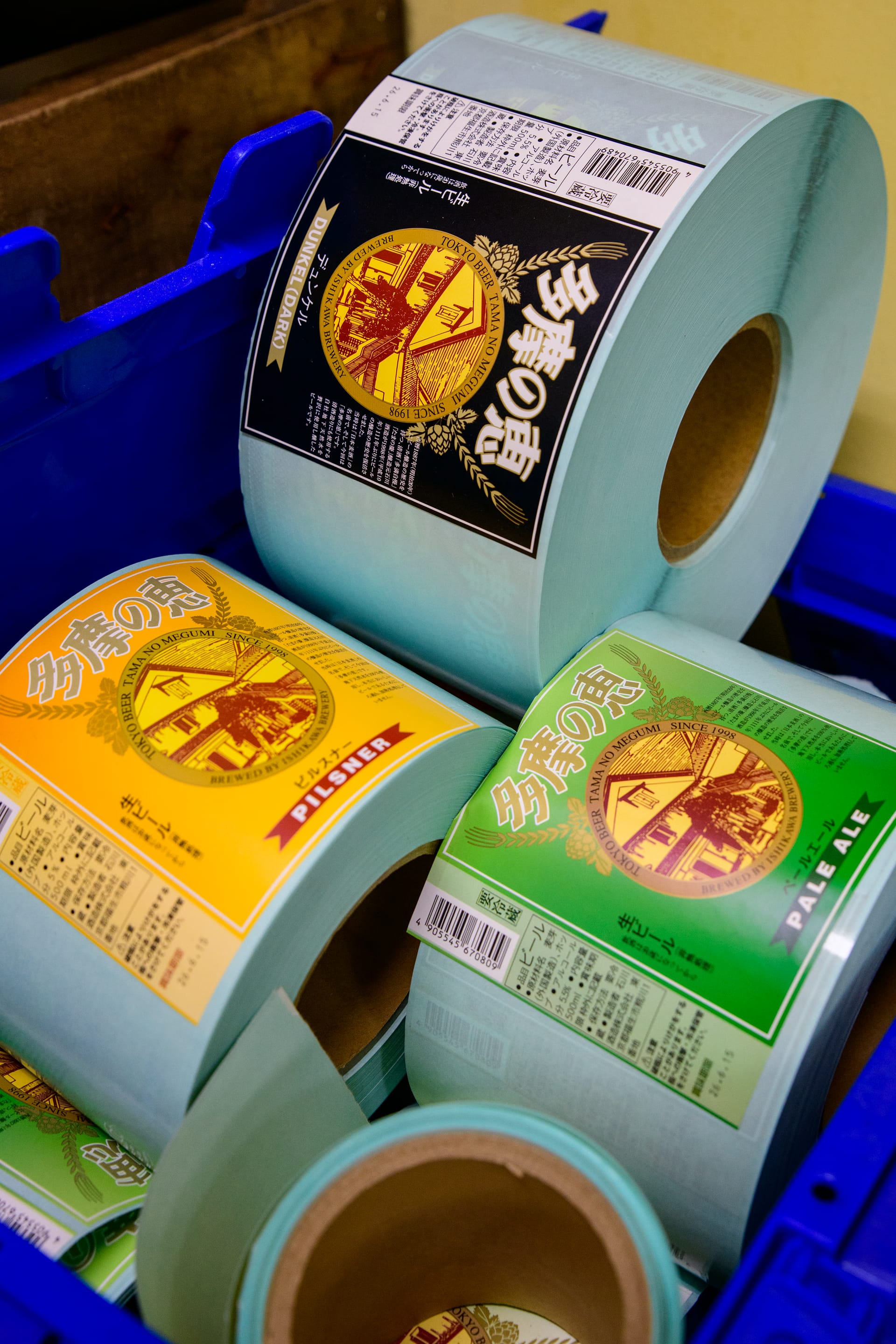
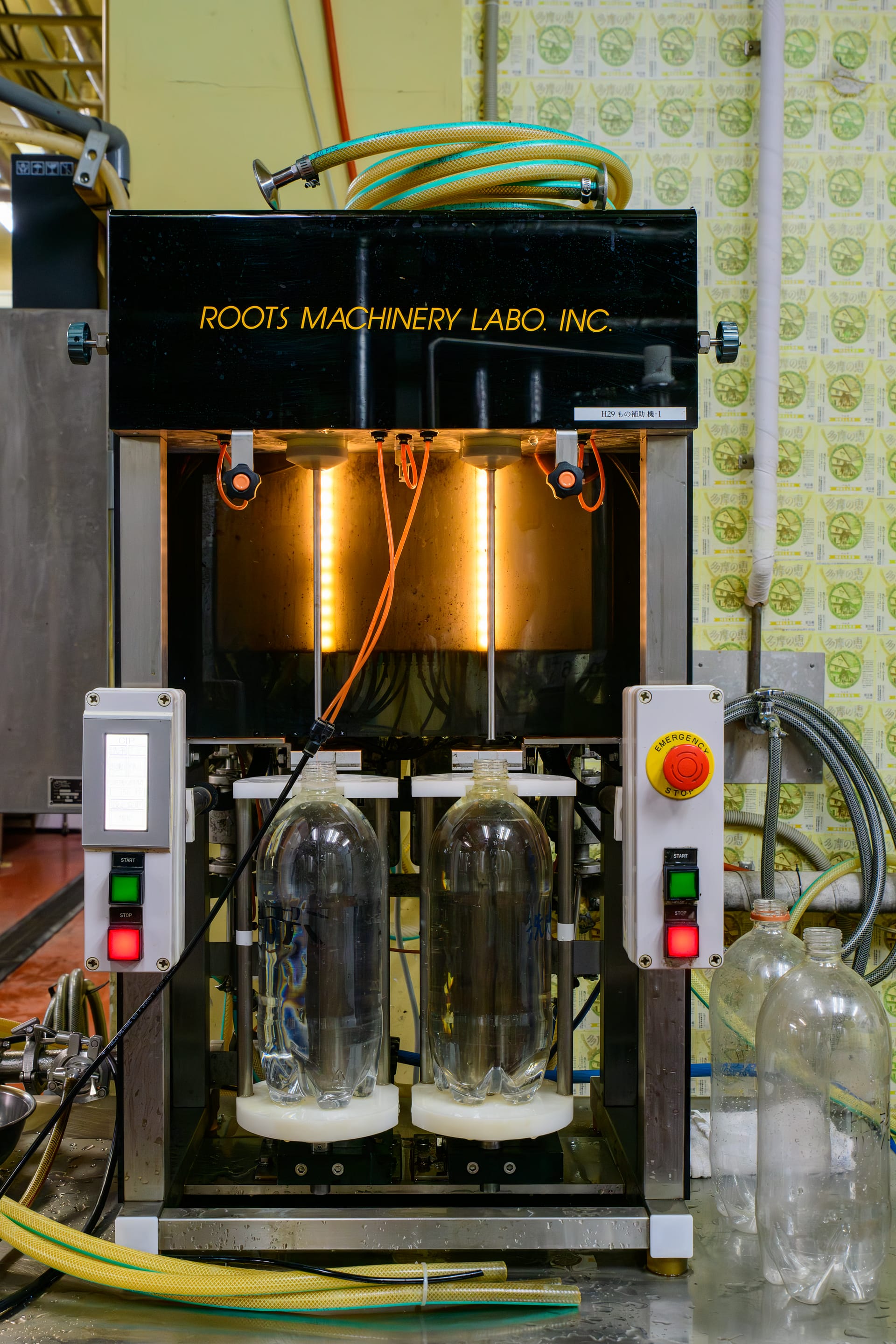
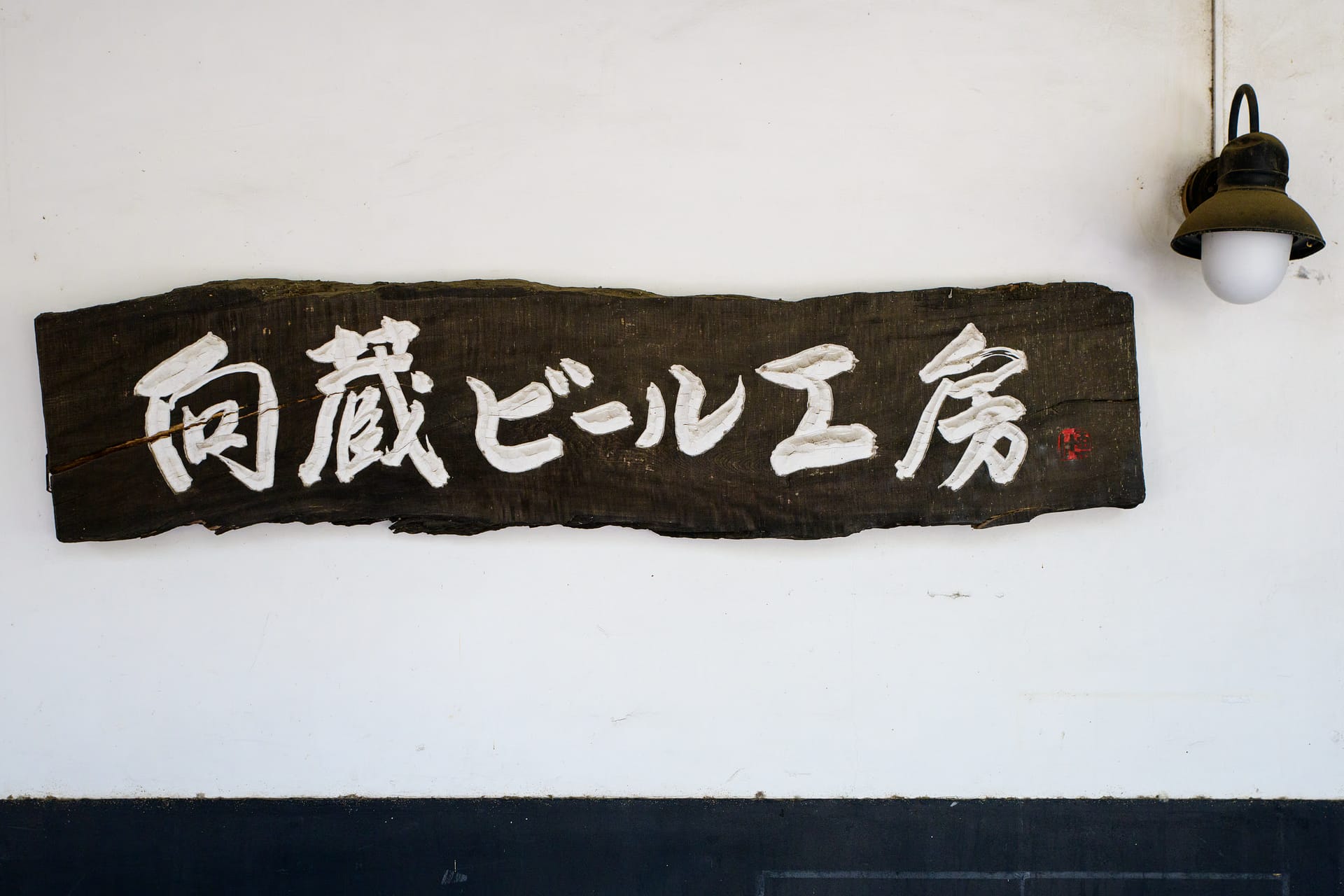
In 2015, they added Tokyo Blues, a second label named after the music, designed with the philosophy that a beer should be an evocative experience rather than just a flavour profile. Today, both lines are actively brewed inside the Mukogura, an 1896 warehouse that has also been designated a national heritage site, turning out roughly 220 kilolitres a year.
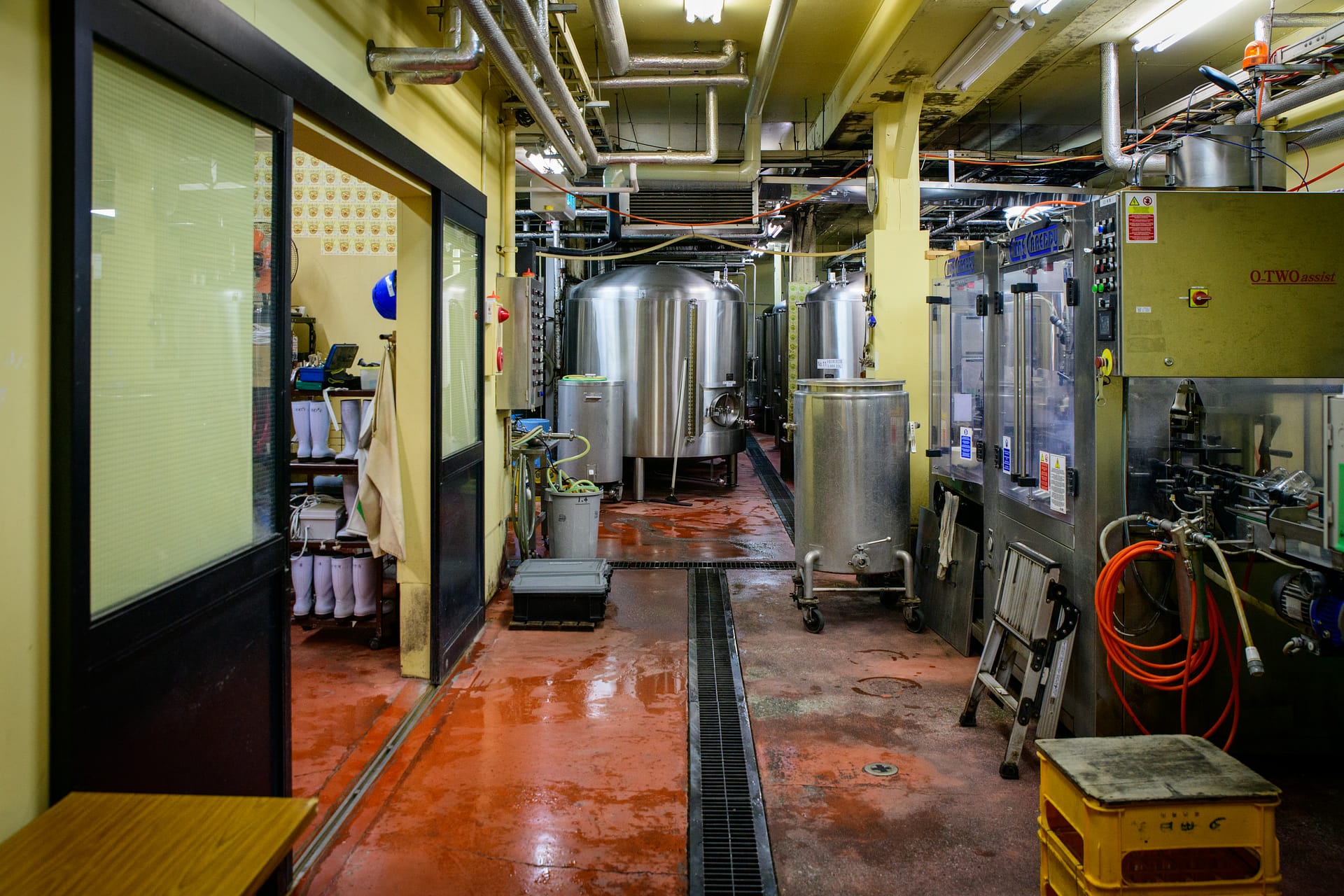
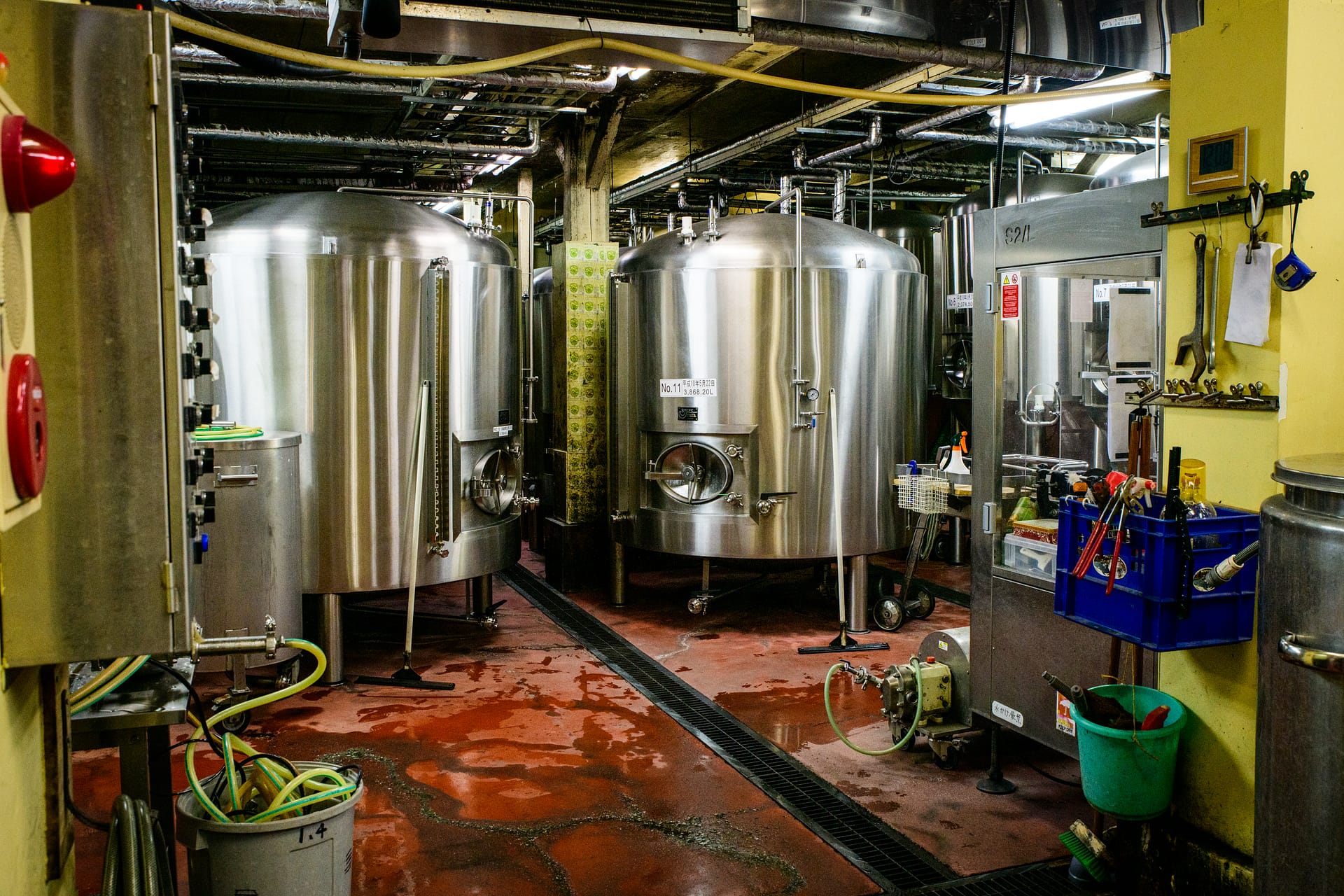
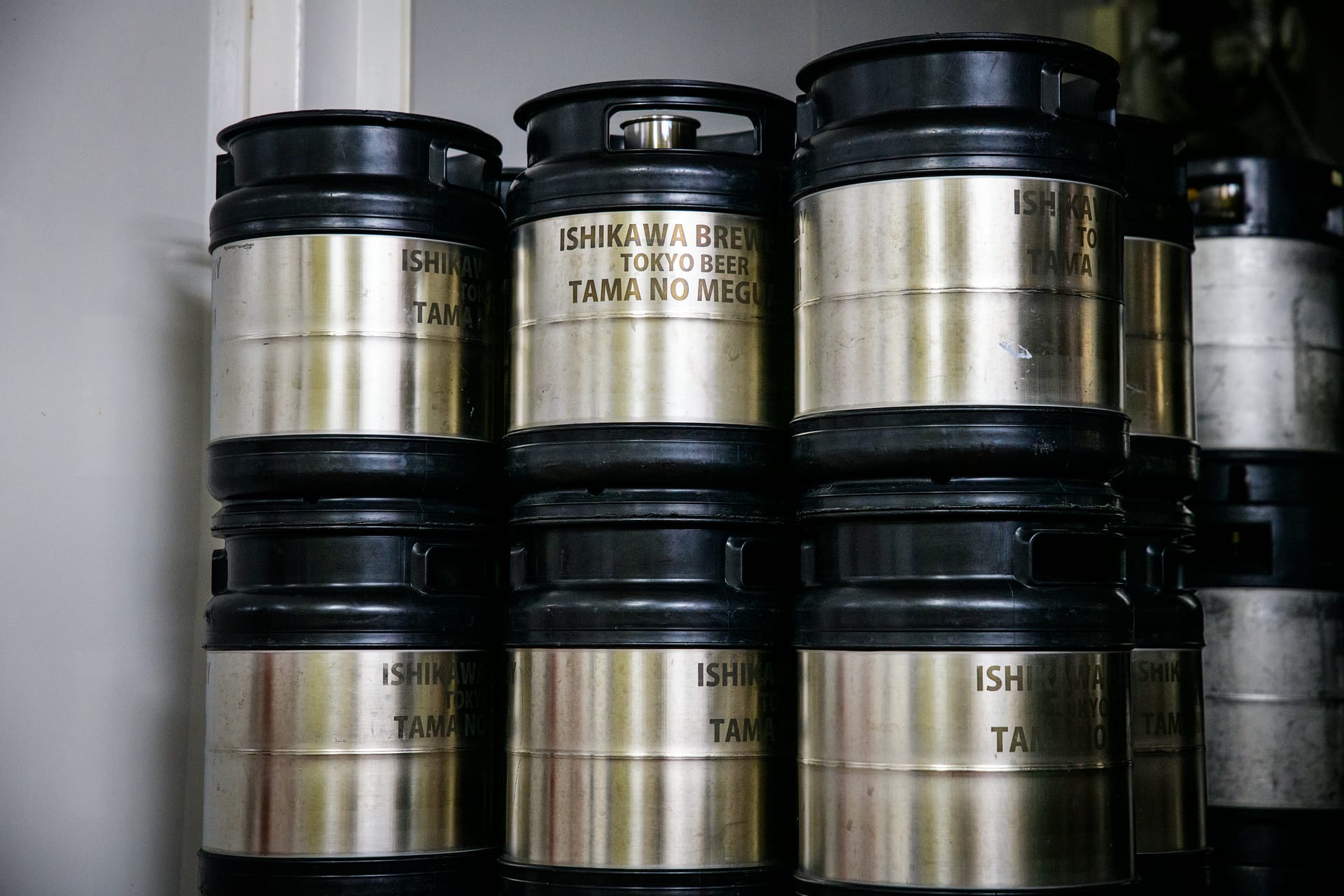
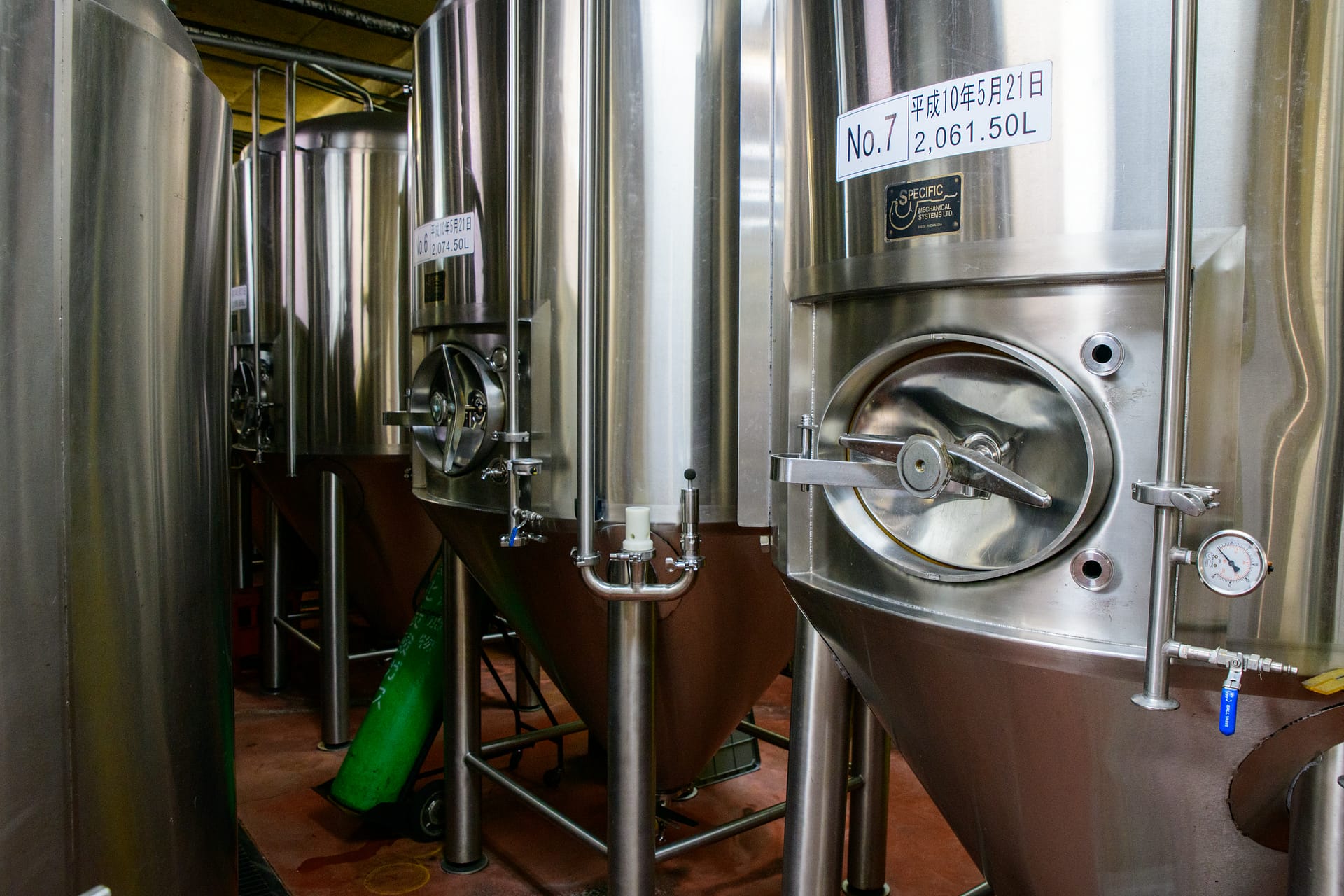
Whether fermenting barley or rice, both sides of the estate rely entirely on the exact same water. Pumped from 150 meters underground, this medium-hard water originates deep in the Chichibu Mountains and accounts for 80 percent of what ultimately fills a bottle of Tamajiman sake.
For over 400 years, these trees have represented Daikokuten and Benzaiten – the gods of rice and water.
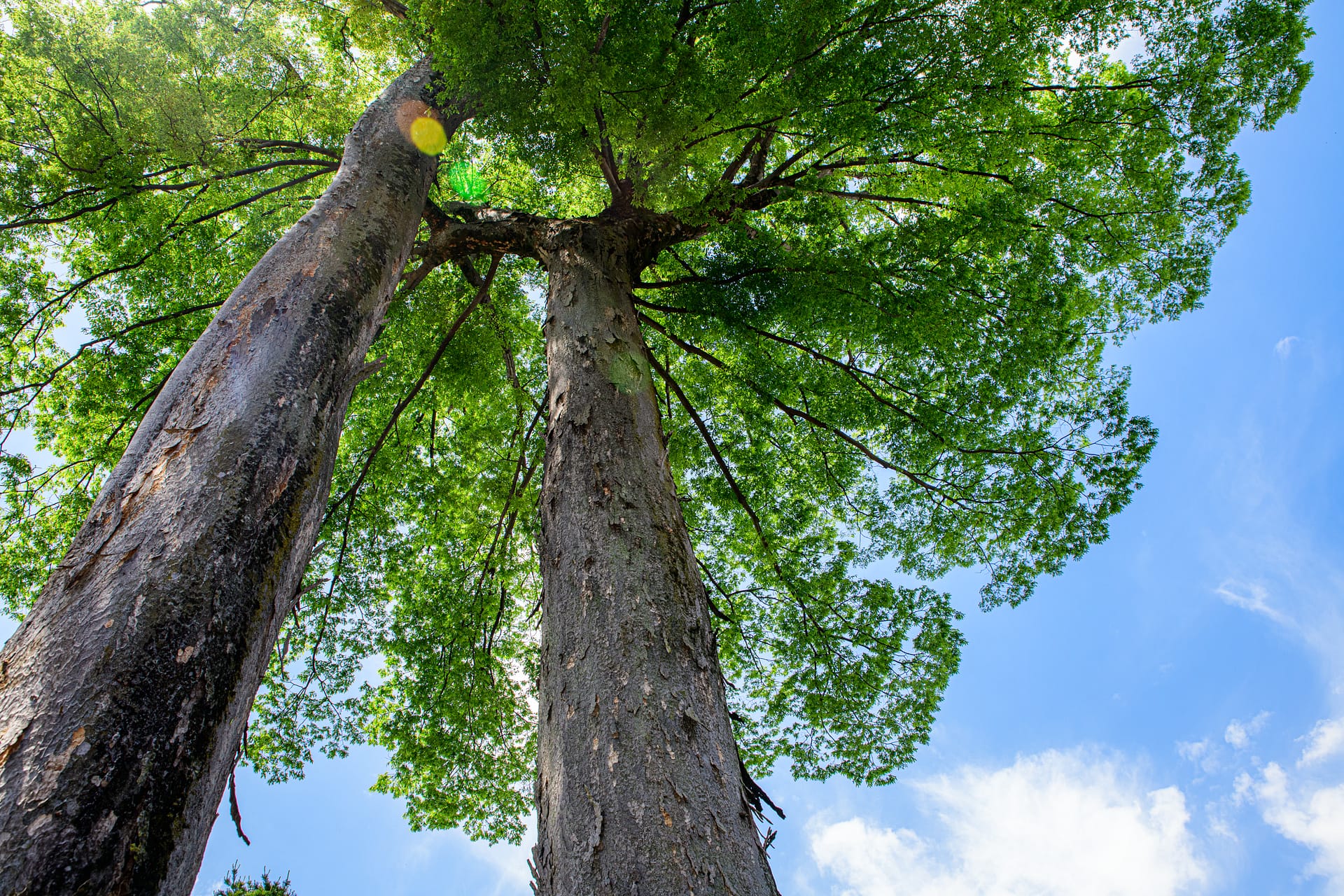
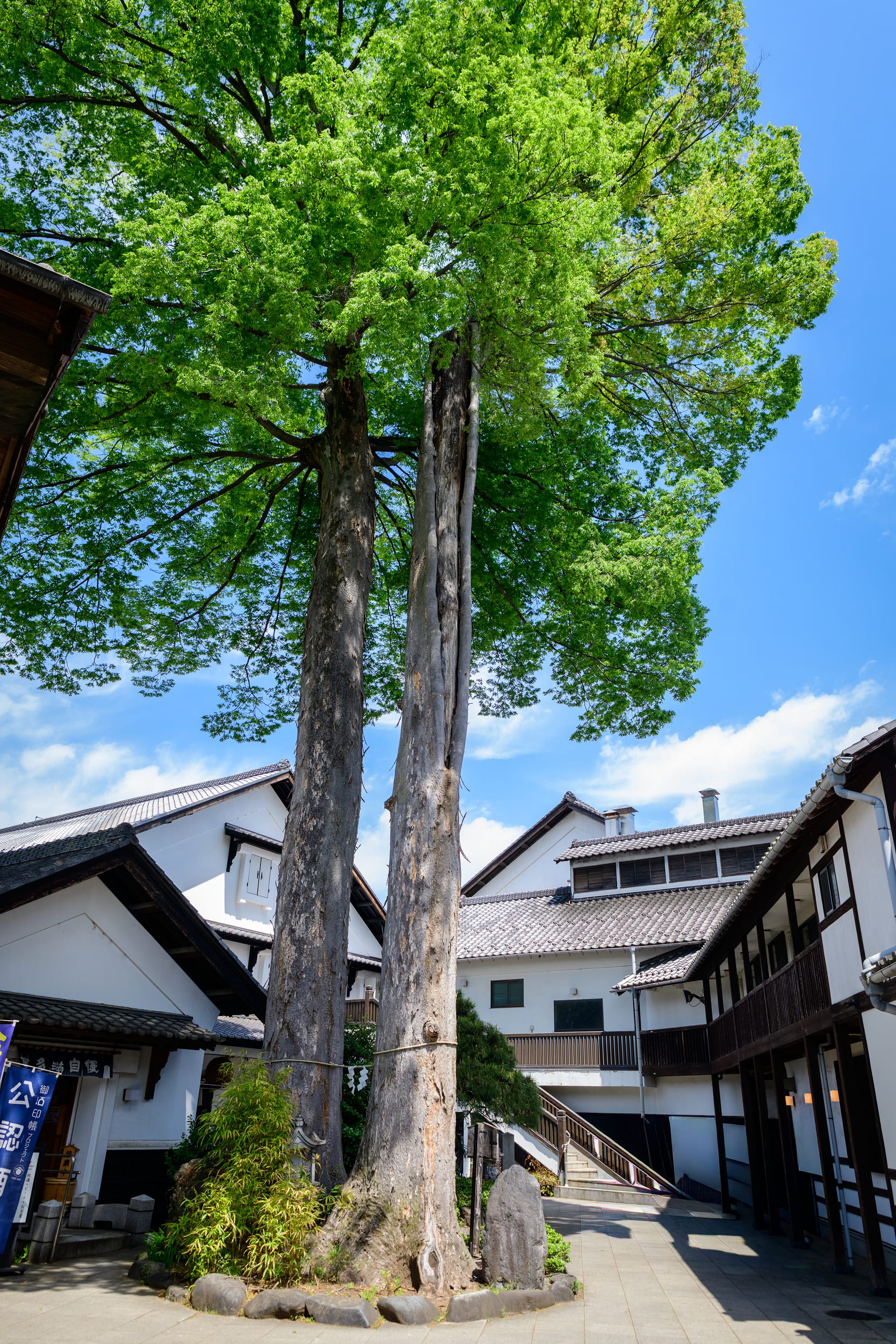
Miss Suzuki also introduced me to the elders of the house: two majestic keyaki (zelkova) trees standing side-by-side in the courtyard, their branches reaching up into the sky. For over 400 years, these trees have represented Daikokuten and Benzaiten – the gods of rice and water. Before the winter brewing season begins, the entire staff still gathers beneath them to pray for a successful year.
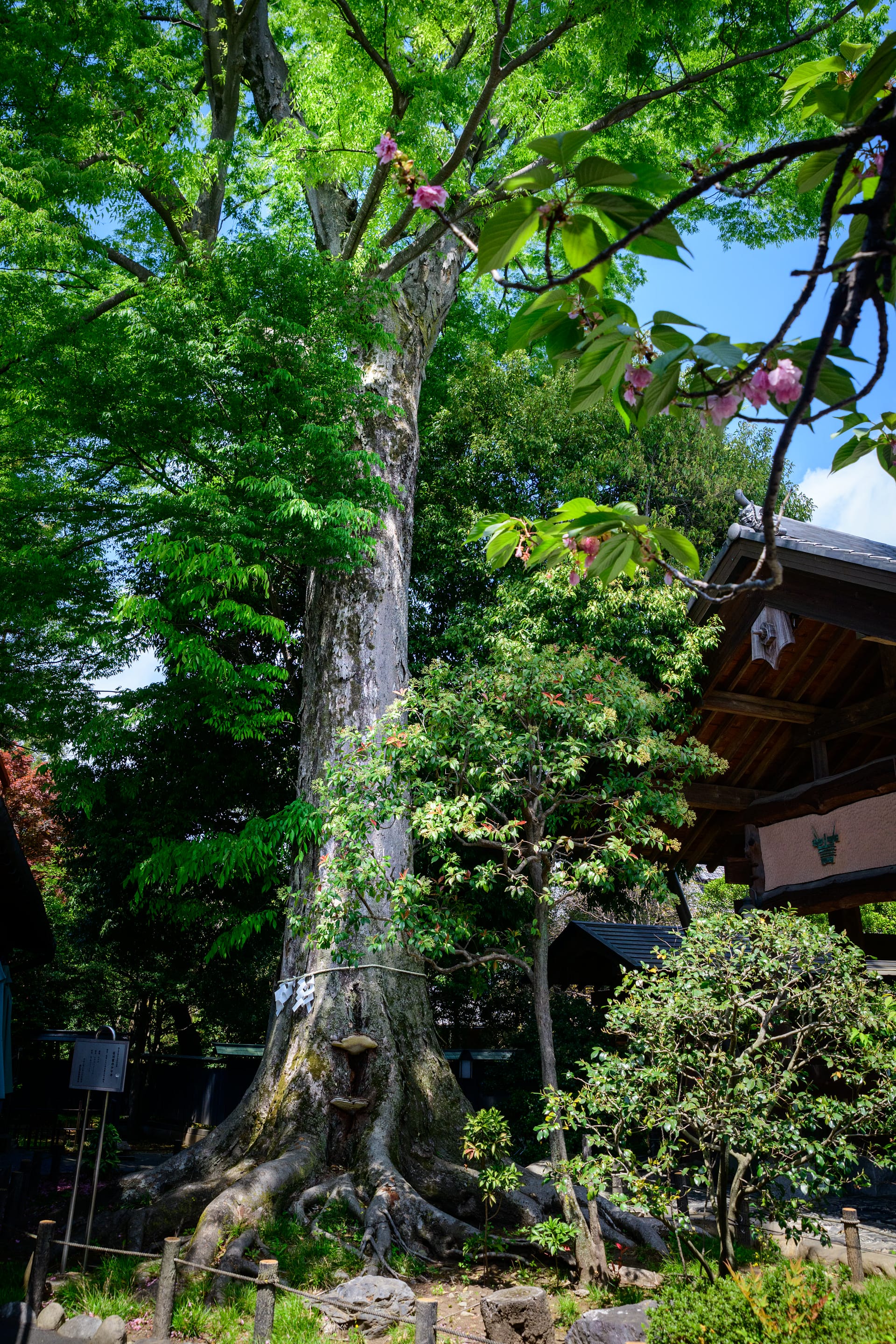
A third, separate keyaki tree nearby is over 700 years old. Standing 22.1 meters tall and measuring nearly four and a half meters around, it was officially designated a heritage tree by Fussa City in 1990. Tucked beneath its massive roots sits the old historic well used for brewing water between 1955 and 1965, its dark water still visible at a depth of about 20 meters.
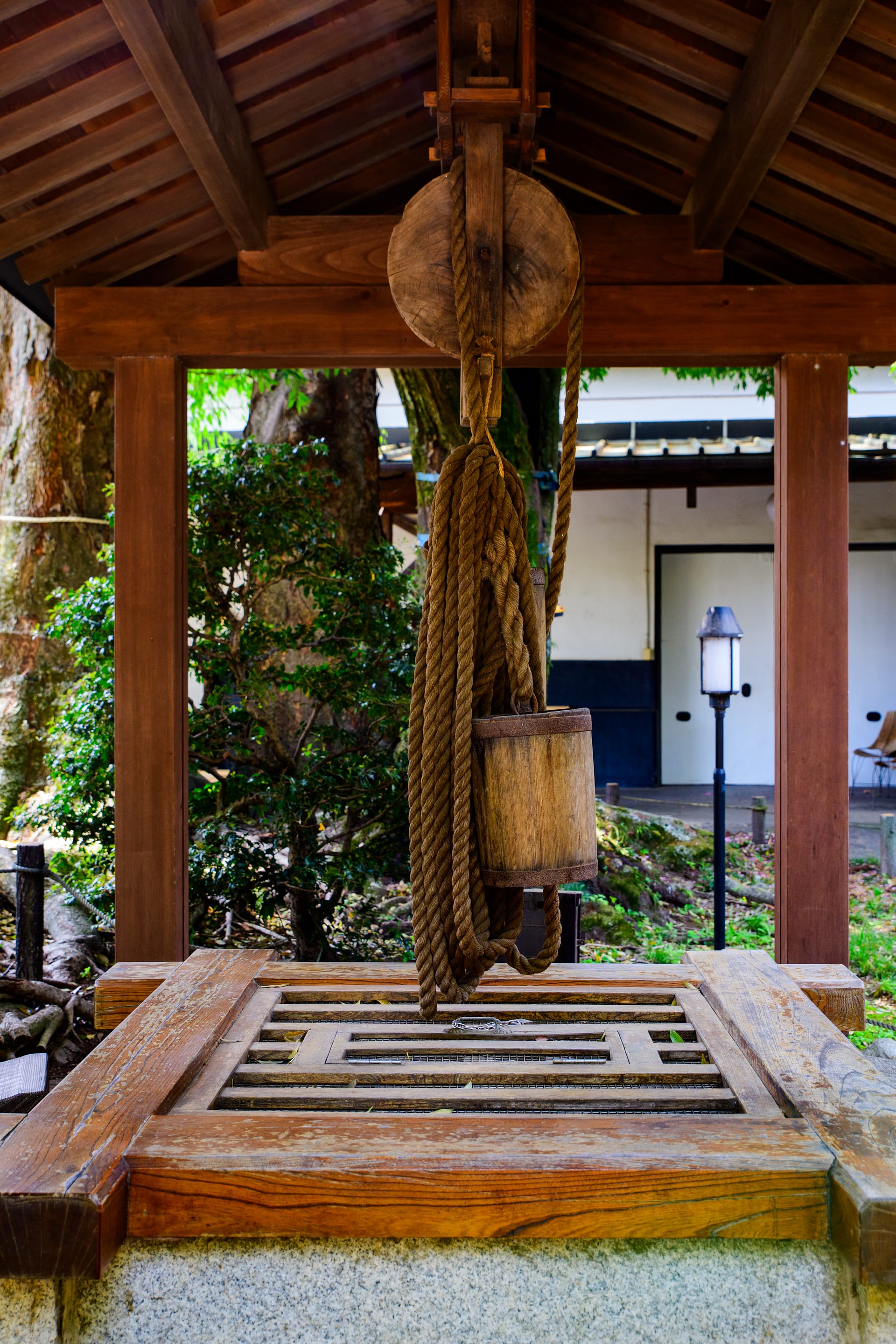
That well represents a massive historical investment by the family. Between 1886 and 1890, the Ishikawas and the local villagers of Kumagawa funded a private two-kilometer branch of the Tamagawa Waterworks to pull water directly to the site. Because the rural area had no electricity until the Taisho era began in 1912, the family installed a massive water wheel on the canal. This wheel generated power for the entire village while mechanically polishing the brewery’s rice and washing production utensils.
A worker would weave a heavy rope completely from scratch, wash themselves with sake, and don a ceremonial white kimono. Their colleagues would then lower them roughly 20 meters down into the dark well inside a 72-litre wooden barrel to scrub the stone walls by hand before the water was replaced.
Every autumn, when the old well was the lifeblood of the winter batch, the brewery held a sacred cleansing ritual. A worker would weave a heavy rope completely from scratch, wash themselves with sake, and don a ceremonial white kimono. Their colleagues would then lower them roughly 20 meters down into the dark well inside a 72-litre wooden barrel to scrub the stone walls by hand before the water was replaced. The person chosen for this exhausting, honorable task was known as the Mizugami-sama.
The brewing itself used to depend on seasonal migrants too – workers from Niigata Prefecture, known locally as Sakayamon, who farmed through spring and autumn and brewed sake through the winter. The brewery began hiring permanent staff only in 1999, and some of the former Sakayamon stayed on in Tokyo to keep the tradition going.
We ended our visit at the Sake cellar – a beautifully repurposed rice storehouse that now sells the brewery’s sakes, beers, and local goods – where I was treated to a sake tasting.
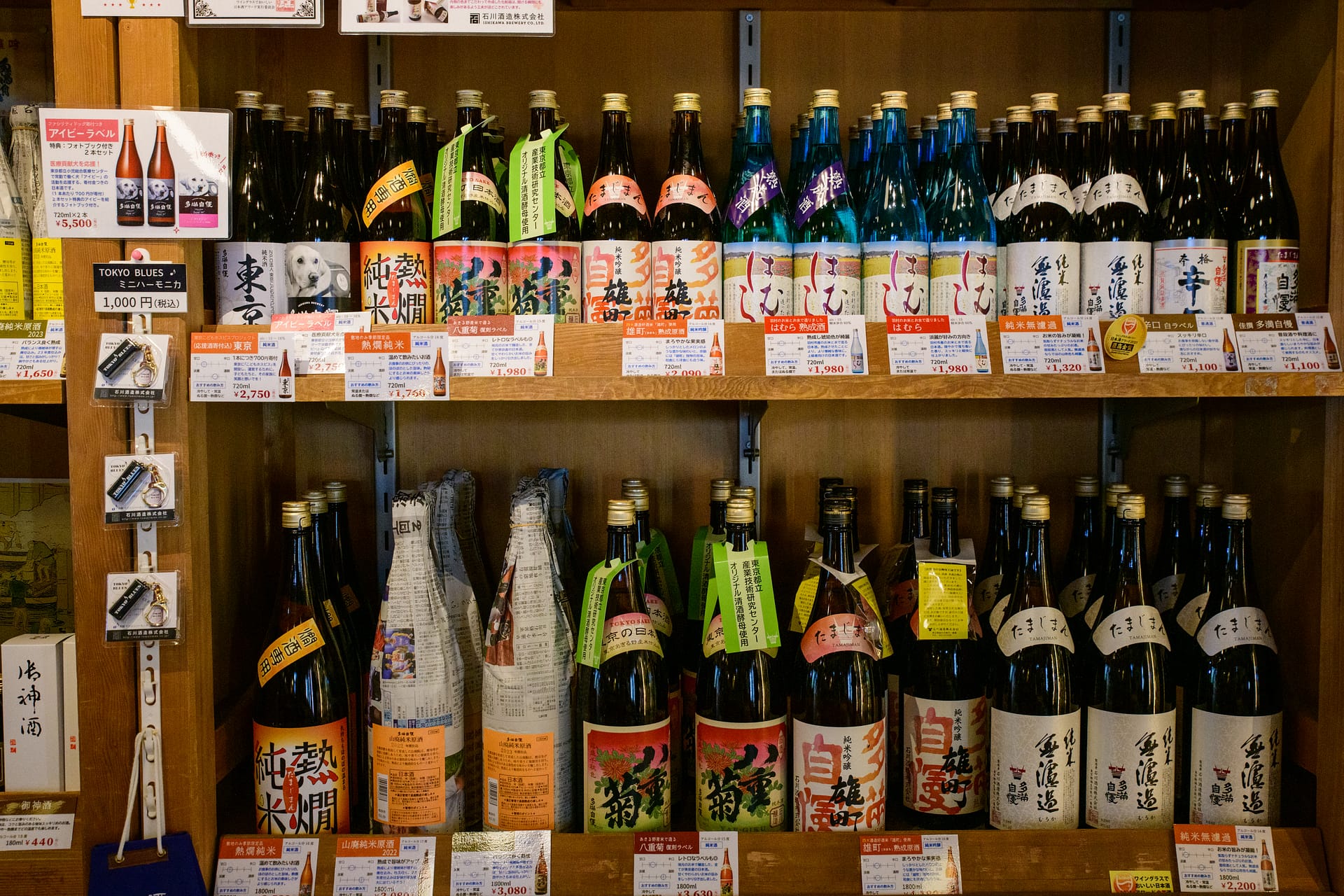


It was the first time I tried such aged sake and was quite confused with its style. It felt somehow close to madeira and fortified wines.
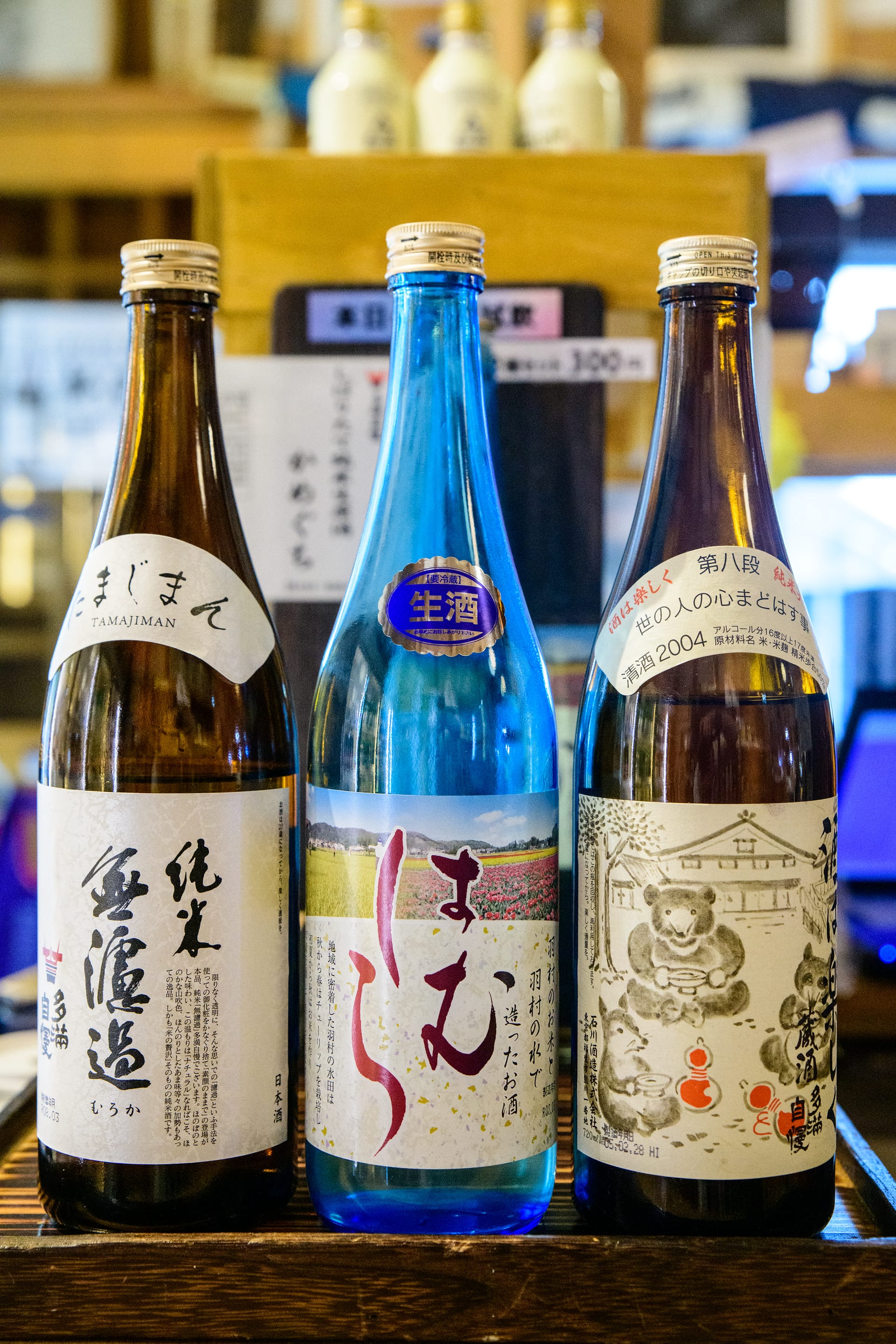
I first got to enjoy their best-seller: Tamajiman Junmai Muroka, a 70% polished rice with 14% abv. Rather full body, quite floral and warm, with hints of flat peach and dry apricot and a long lasting finish reminiscent of ripe banana.
I then tasted Ishikawa Hamura, made with 60% polished rice from the region, at 15% abv. A stronger rice kick and very dry, with hints of almond and white pepper. This is a non-pasteurised sake that needs to be kept in the fridge.
We ended the tasting with Sake Wa Tanoshiku from 2004, 50% polished Yamada Nishiki rice with 15% abv. On the nose, it offered ripe plum and walnut, very rich and full body – and that was the first time I tried such aged sake and was quite confused with this style. It felt somehow close to madeira and fortified wines and that was a very interesting experience.
This was the perfect ending to the visit and we chatted with Miss Suzuki about how fortunate she was to be working in such a wonderful environment, surrounded by these beautiful trees and the energy of a place anchored in tradition and history, while also offering both sake and beer of such quality. I certainly hope I’ll have the opportunity to return and buy more of their delicious sake to take home with me.
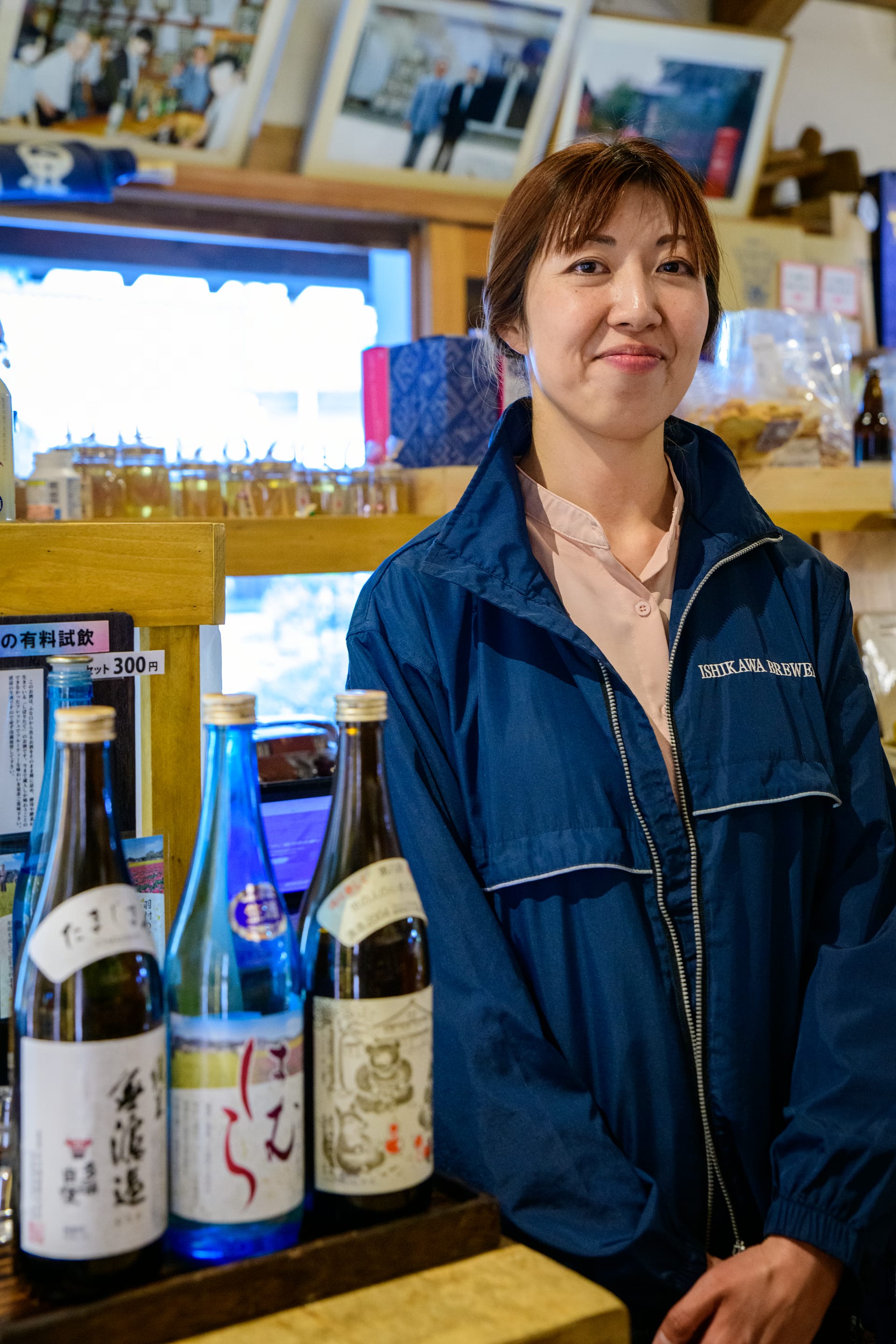
Many thanks to Mr Takahiro Koike and Mrs. Suzuki for their help in arranging this visit.
Post-Scriptum:
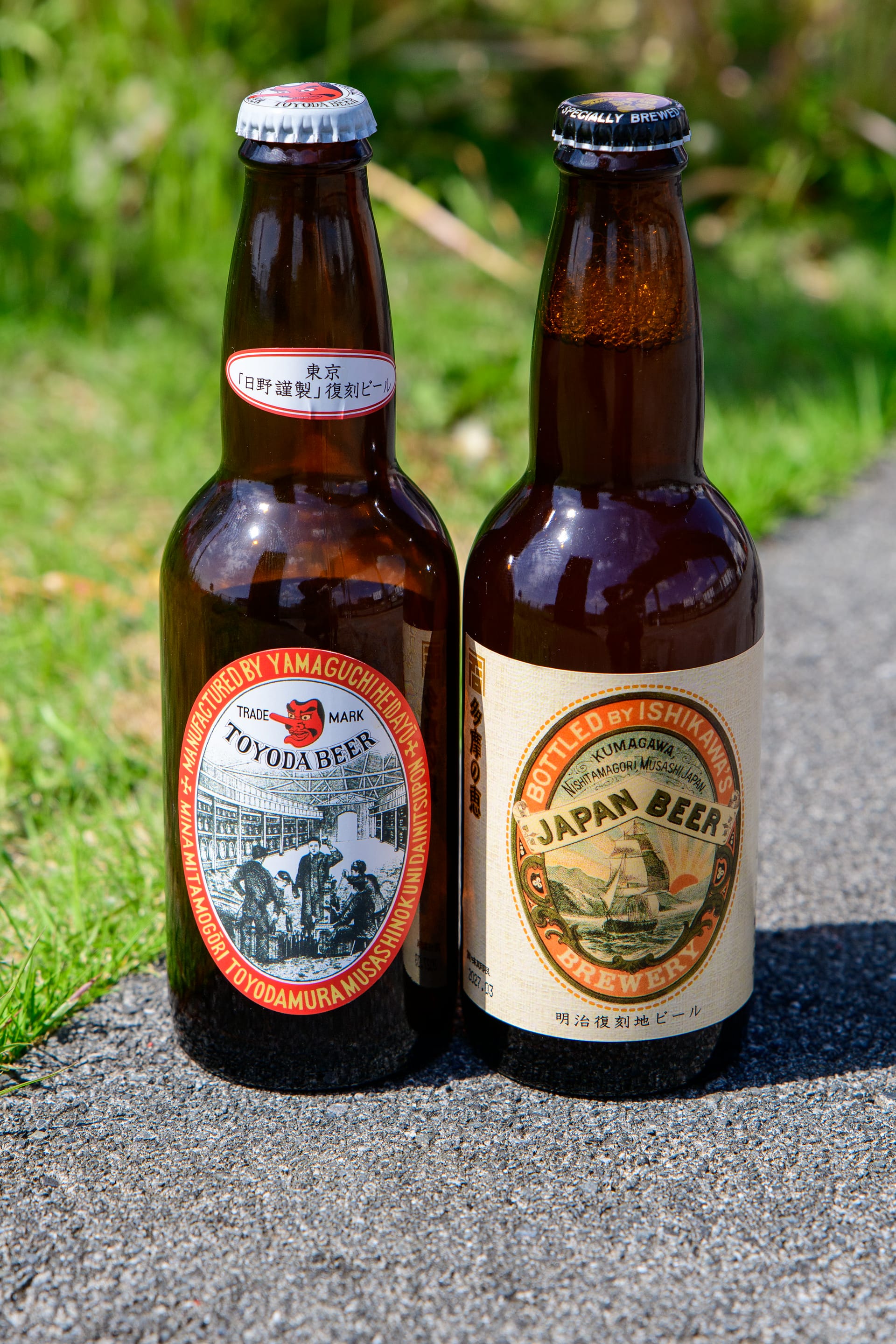
I also bought two of their historical-style beers to try and I must say…
They were just delicious!
Powerful, with good body and still very refreshing and aromatic.
I loved the historical labels too – highly recommended!