
Vinexpo Asia 2026 Industry Panel:
Regenerative Viticulture, Adding Value
Words & Photography by Aurélien Foucault
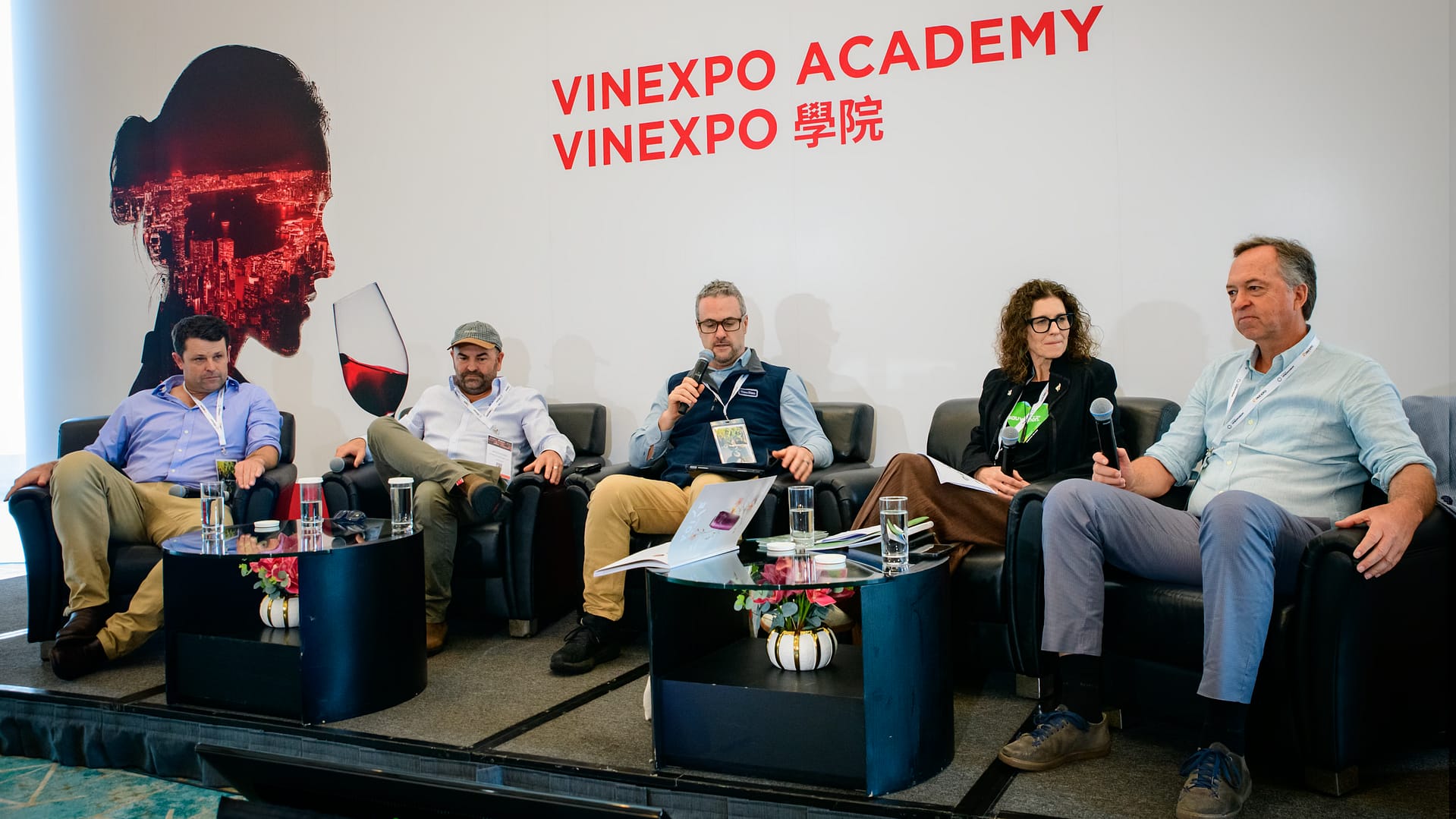
Vinexpo Asia hosted a panel discussing a side of the industry that is often left out – maybe because it is less glamorous – but in no way less essential to wine: its farmers, viticulturists and the origin of it all: the soil.
The session, organised in collaboration between Regenerative Viticulture Foundation (RVF) and Sustainability In Drinks, was moderated by Matthew Deller, Master of Wine and CEO of Wirra Wirra, Ashton Hills and Hahndorf Hill, with a panel bringing a grower-focused perspective and decades of industry experience:
- Charlotte Read (General Manager of Marketing, New Zealand Winegrowers, New Zealand)
- Andrej Razumovsky (Alpamanta, Mendoza, Argentina)
- Malcolm Leask (Hither and Yon, McLaren Vale, Australia)
- Stu Dudley (co-founder, The Marlborist, Marlborough, New Zealand)
The audience was unfortunately scarce – maybe because there were no wines to taste -, but they were attentive and seemed dedicated to the cause. Here’s a recap of the discussion.
Mendoza: mulch, ants and the discipline of observation
When Andrej Razumovsky is asked to describe the Mendoza wine landscape he encountered twenty years ago, he recalls it as “grape factories – no soul, no life.” He bought 35 hectares in Luján de Cuyo and decided from the start to farm differently. Alpamanta became the first certified biodynamic winery in Argentina and there are today nine of them, out of 3,500.
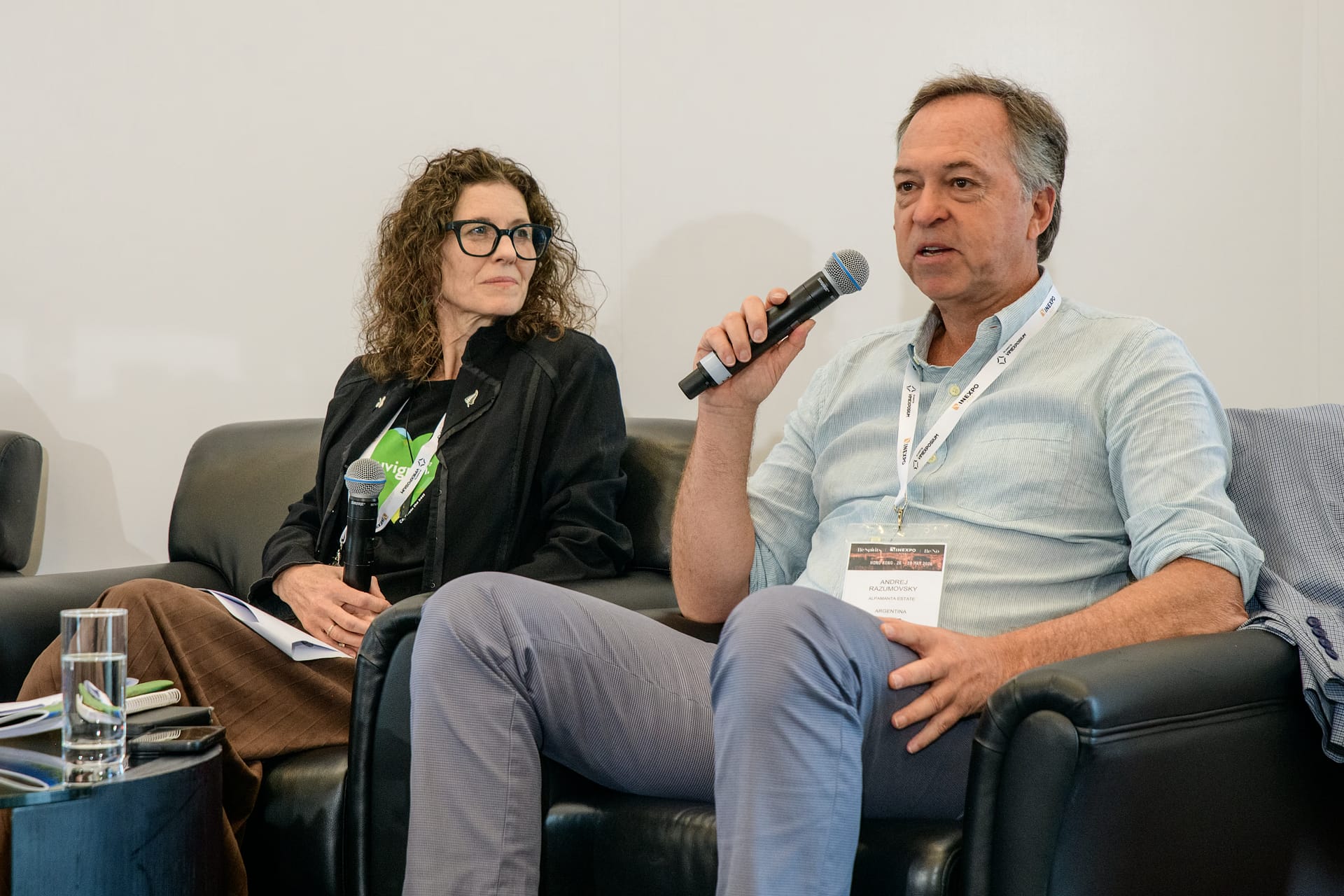
With rainfall sitting around 200 millimetres per year, Mendoza is a desert. Water, sourced from the melting snow of the Andes, is a precious, heavily managed commodity and the main farming challenge is not humidity or fungal pressure but ants. “The ants in the desert are everywhere,” Razumovsky said. “For organic producers, the biggest challenge is that the ants eat all the sprouts in spring and give you much less production at the end of the day.” In a biodiverse environment, with other food sources available, they cause less damage.
Alpamanta’s approach, refined over twenty years, is built around native plant cover, animals, and mulching rather than tilling. Cover crops are sown in winter and left to grow alongside the vines. Rather than bringing in tractors to remove competing plants, Alpamanta mulches them down into a living blanket that cools the surface, holds moisture, and lets native flowers and grasses coexist with the vines. “You don’t need to do a lot,” Razumovsky said.
The true cost of “doing nothing” in McLaren Vale
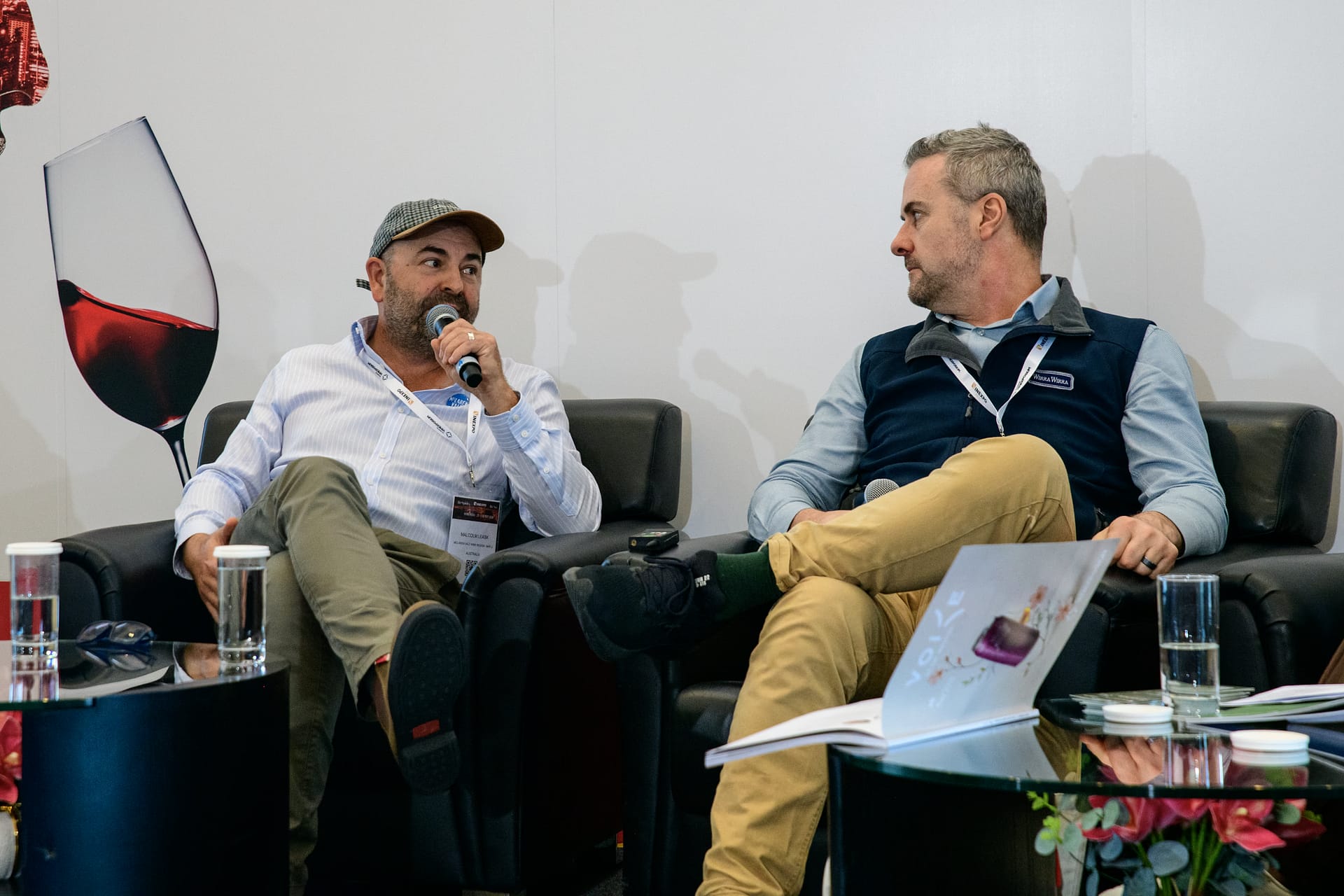
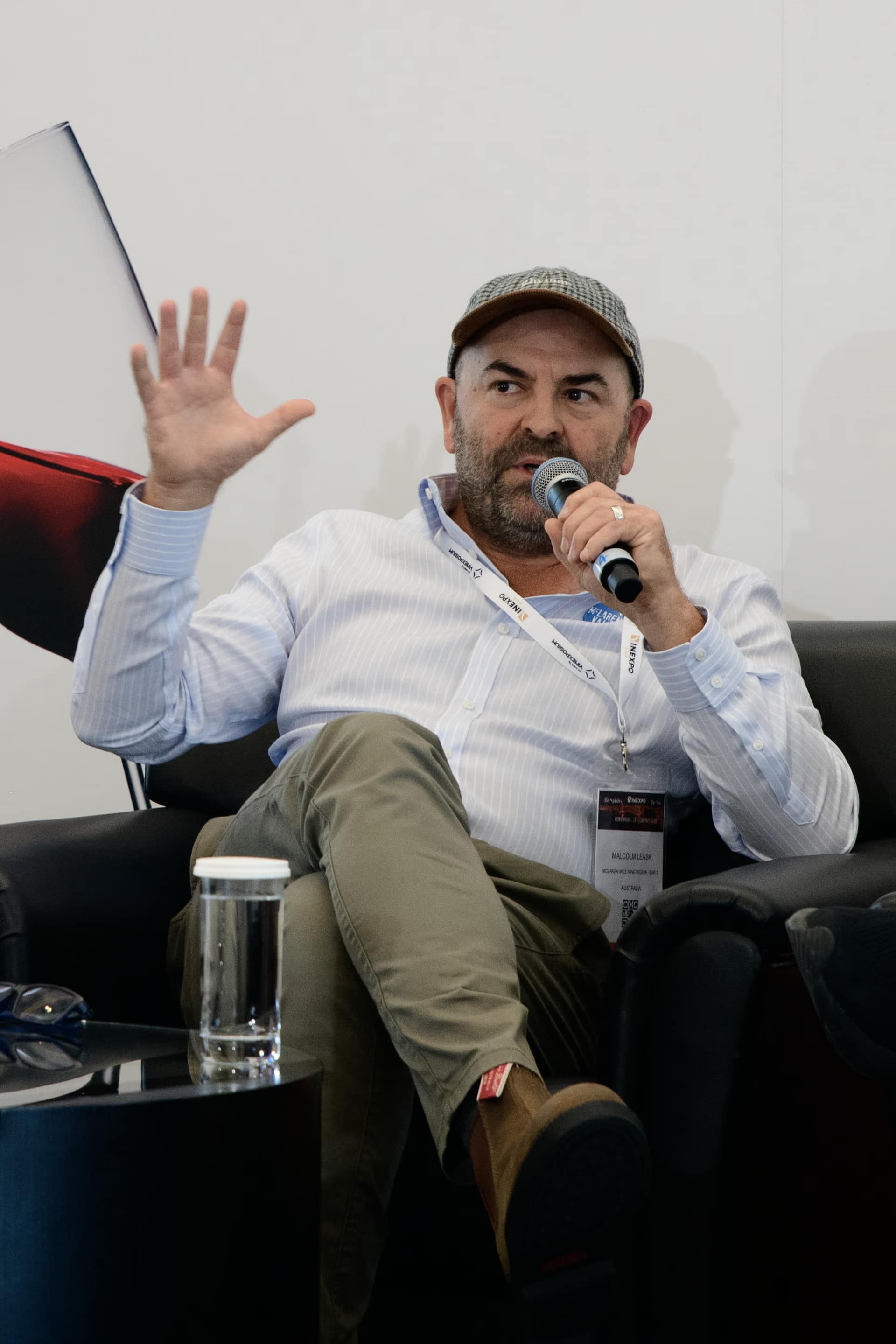
Malcolm Leask of Hither and Yon brought a pragmatist’s account of the economics. The initial shift away from herbicides does require investment – specialised under-vine machinery, increased labour. The transition period can see yields fluctuate. Matt Deller compared it to raising children strictly and then stopping: “they’re going to have a few wild years, and then they’ll find their own independence.”
But over a decade, across five properties and 25 varieties, the numbers for Hither and Yon have turned around. Mid-row cover crops and livestock – rented from neighbouring farmers when their feed needs align – have reduced the need for tractors. Water efficiency has improved. Fertiliser costs have come down. “Ultimately, the aim is to do nothing, really,” Malcolm said, but with more active observation of the vineyard.
Deller gave a concrete example of the increased resilience of regenerative vineyards: in a year where older vines in McLaren Vale were hit hard by Eutypa dieback, a 1960-planted vineyard managed regeneratively produced a balanced five tons per hectare. A neighbouring block of the same vine age, not managed regeneratively, cropped between two and three tons per hectare.
The market demands proof over promises
Charlotte Read, speaking from the market side, described a shift that is already under way. Major buyers – from Canada’s LCBO to Waitrose in the UK and Sweden’s Systembolaget – are no longer satisfied with general sustainability claims. They want proof on the label. “Whilst it might be good in your storytelling to say this is what we do,” Charlotte said, “they are increasingly asking for proof on the package.”
New Zealand has a strong baseline with its Sustainable Winegrowing New Zealand programme, but the pressure is moving toward more specific demonstration. The appeal of regenerative viticulture to consumers, Charlotte noted, is that it does not require specialist knowledge to understand: a vineyard with wildflowers and sheep is legible in a way that a certification acronym is not.
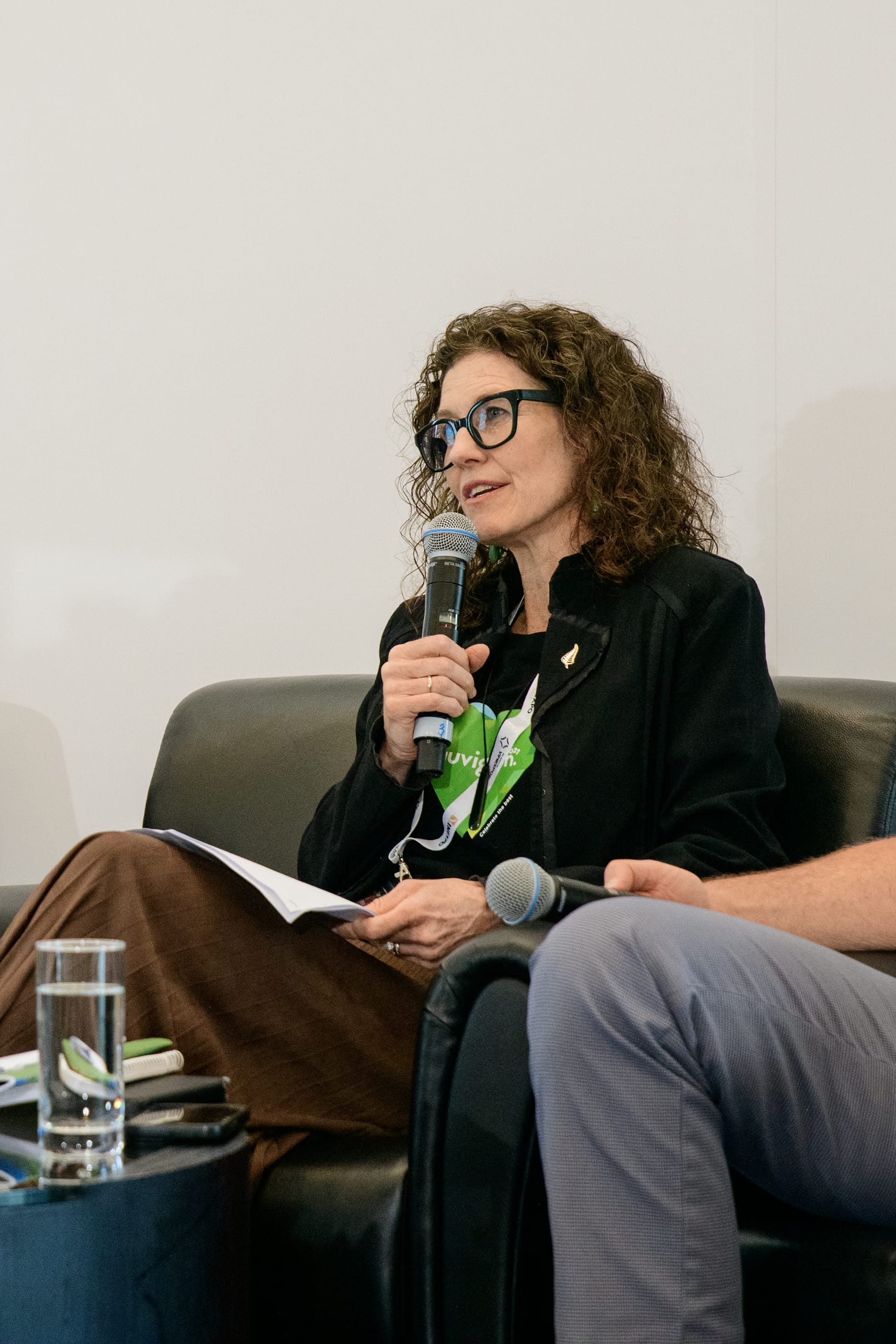
The question of certification was addressed but without a clear consensus. Alpamanta in Argentina is Demeter-certified, while Malcolm Leask noted that he avoids the word “biodynamic” on labels, opting for “organic” because technical language alienates more consumers than it attracts. Stu Dudley went further, saying the absence of a single regenerative certification is an advantage: it keeps the focus on philosophy and practice rather than audit checklists.
The one-block challenge and the question of community
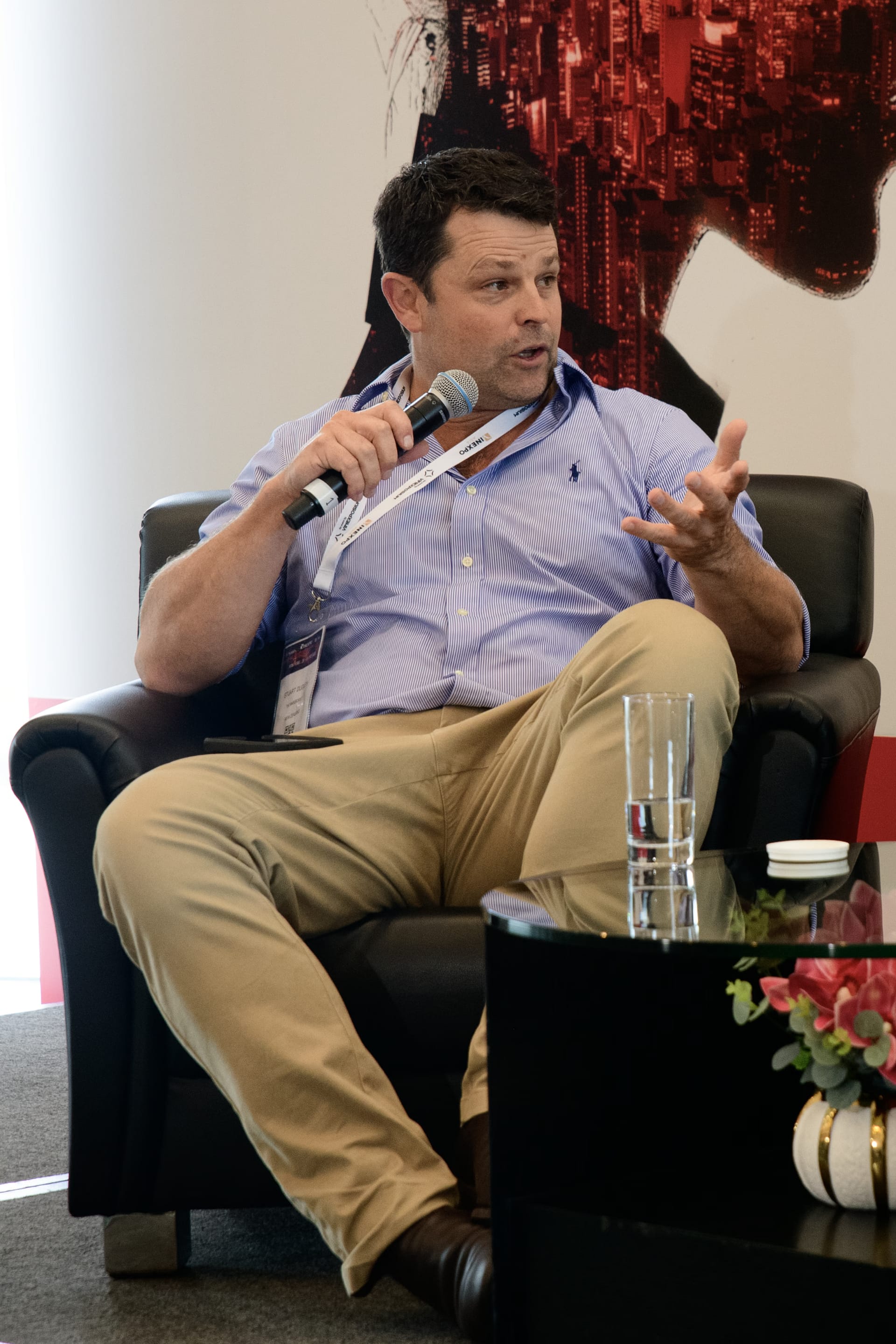
An encouraging takeaway from the panel was the demystification of the transition process. Stu Dudley, of The Marlborist, emphasised that regenerative viticulture is not an all-or-nothing religion.
“You don’t have to jump in the pool completely,” Stu advised. “You can just take one step and then it adds and adds.”
This ethos is encapsulated in the “one-block challenge,” an initiative encouraging conventional farmers to take just a single parcel of their land and manage it regeneratively. It removes the existential dread of risking an entire vintage and allows farmers to witness the changes firsthand. Charlotte Read echoed this, pointing out the cumulative power of small changes – how eliminating a single tractor pass across a region can save 15,000 litres of diesel.
Community is central to how this spreads. The panellists described a culture of collaboration: New Zealand’s Grape Days roadshows, McLaren Vale’s Generational Farming project, Razumovsky’s seminars in Mendoza – the structure may vary but its openness is consistent, as sharing knowledge is viewed as essential for the greater good.
“I’ve never met anyone that’s secretive about their practices that are improving the vineyard,” Stu said. “It’s a very open community. Everyone wants to see viticulture be better.”
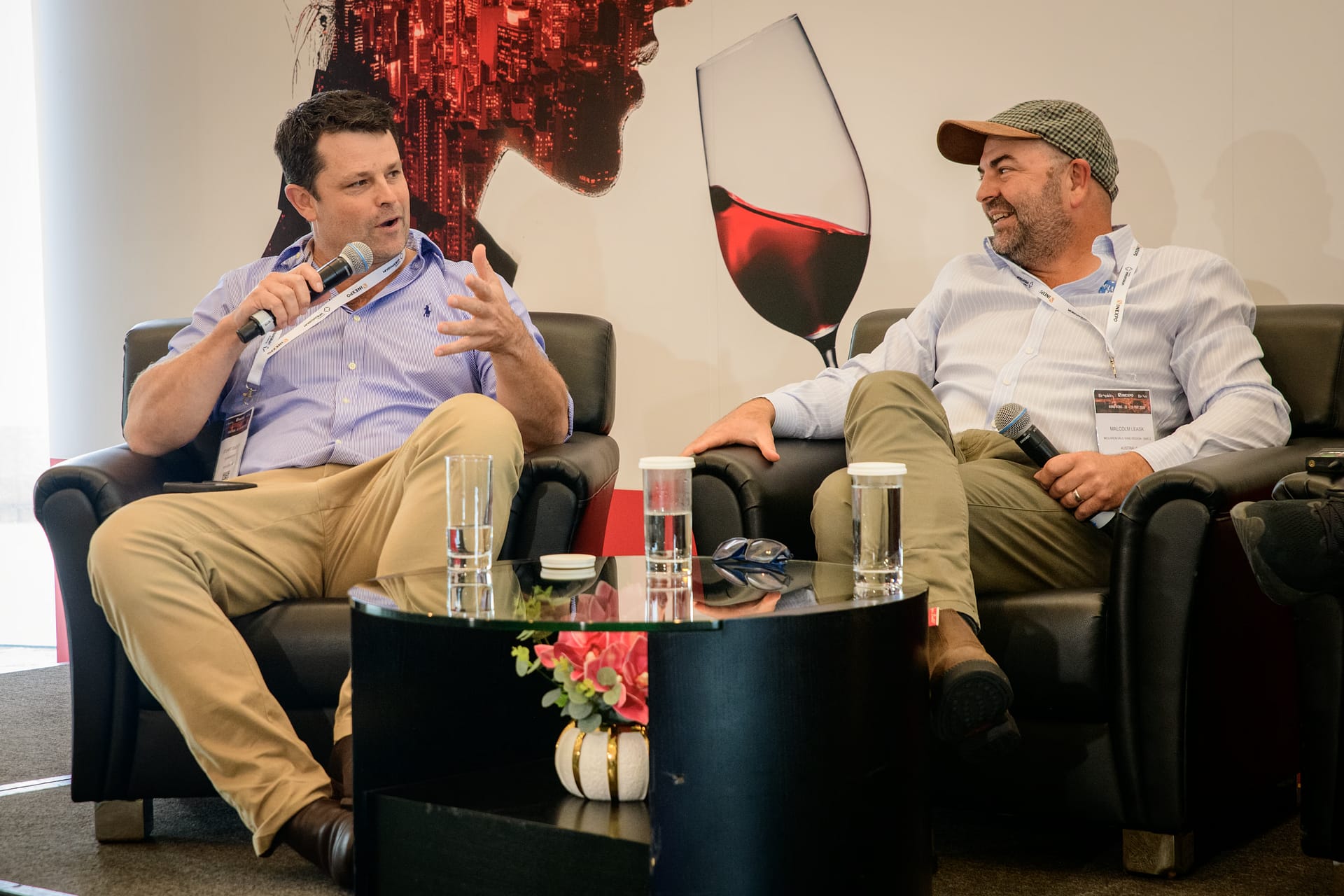
This matters because the practice is site-specific. What works in Marlborough will not map directly to Mendoza’s desert. But a seeding mix here, a mulching approach there – that kind of exchange is how it moves.
Returning to the joy of farming
As the session drew to a close, something became apparent. While the talk had been about farming and the soil, it was also about a certain view of the world and the people themselves.
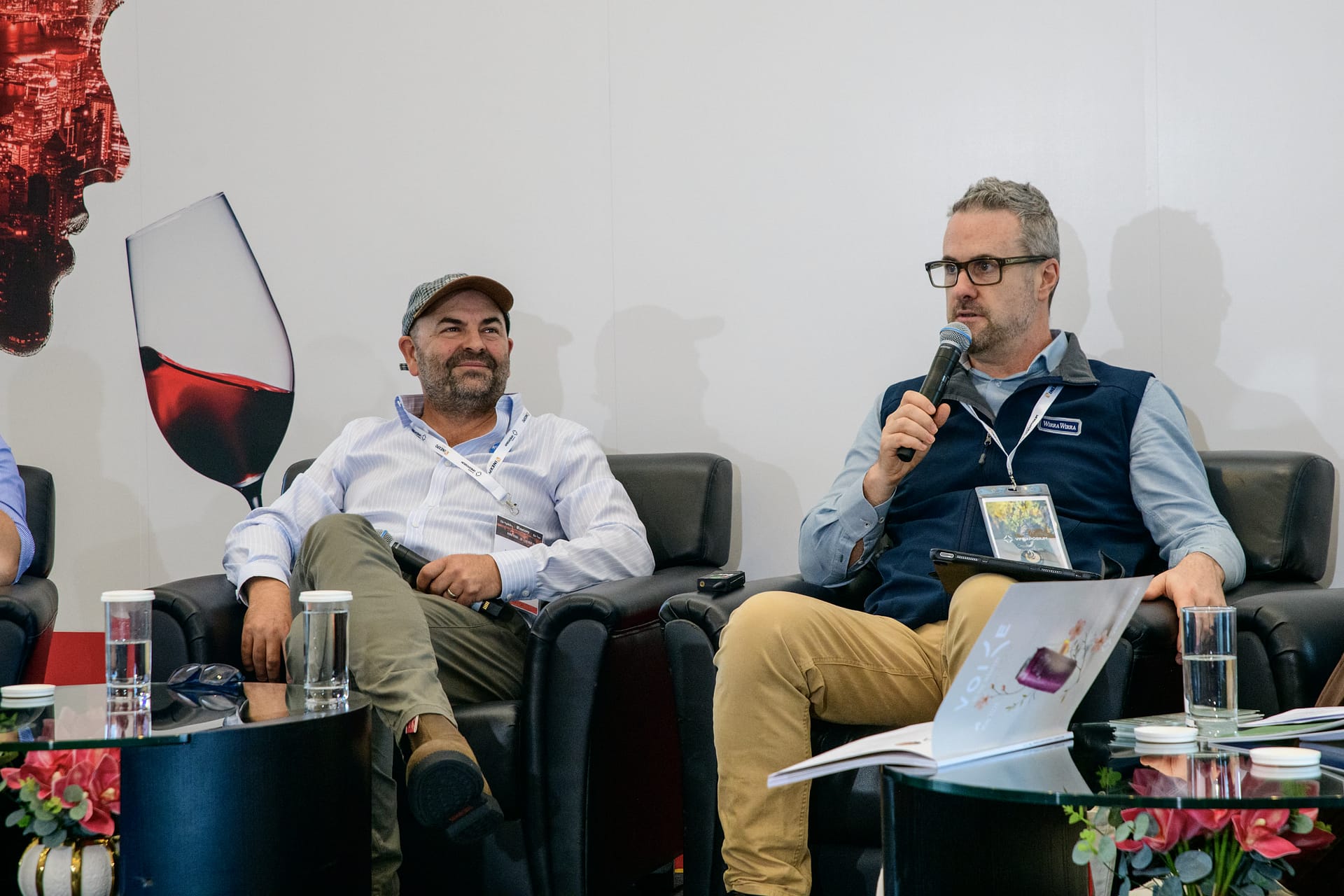
Conventional viticulture, with its spray schedules, its chemical applications and – I’ll say it – the horrific industry behind it, often reduces the farmer to a technician following a recipe. Regenerative farming demands presence. It requires walking the rows, observing the insect life, understanding the distinct personality of each block, and making intuitive, site-specific decisions.
“It’s probably about getting back to farming more thoughtfully again,” Stu reflected. Malcolm Leask echoed the sentiment, noting that across their estates, the people working the land are simply happier. “I don’t know how to quantify it, but getting out of bed each day is better.”
There is no single protocol that fits every vineyard, but the panel offered a set of practical first steps: start small, measure soil organic matter, rent livestock if you can, reduce tractor passes, and tell the story in simple terms people can relate to. Buyers will increasingly demand proof, and the market will reward those who can show measurable improvements in soil health, water efficiency and biodiversity.
If you’re a grower wondering whether to try it, the advice from the stage was unanimous: just go for it – with curiosity, patience, and the willingness to ask for help.
CELLAR BRIDGE | cellarbridge.com | editor@cellarbridge.com | Words & Photography by Aurélien Foucault