
ProWine Singapore 2026 Industry Panel:
Charting Southeast Asia’s Wine and Spirit Landscape
Words & Photography by Aurélien Foucault
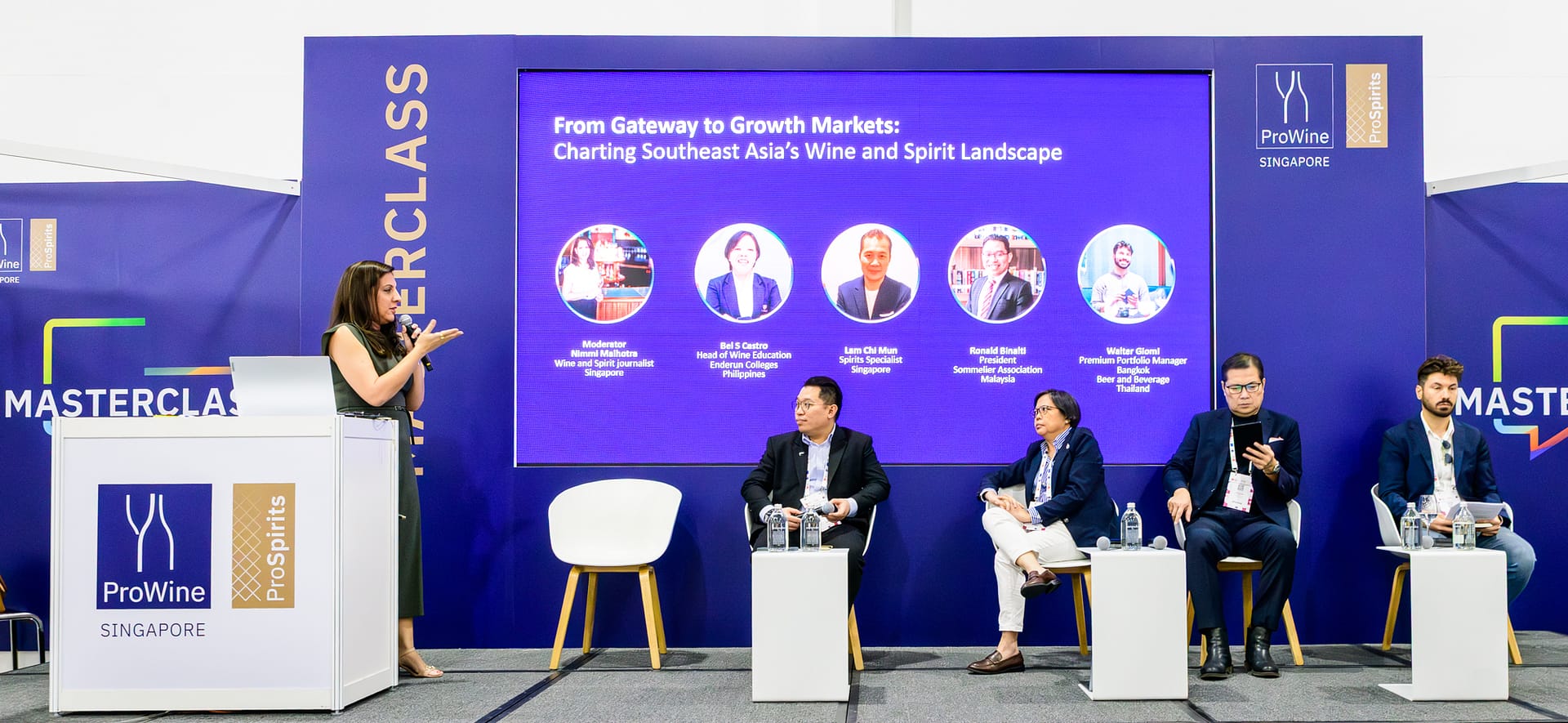
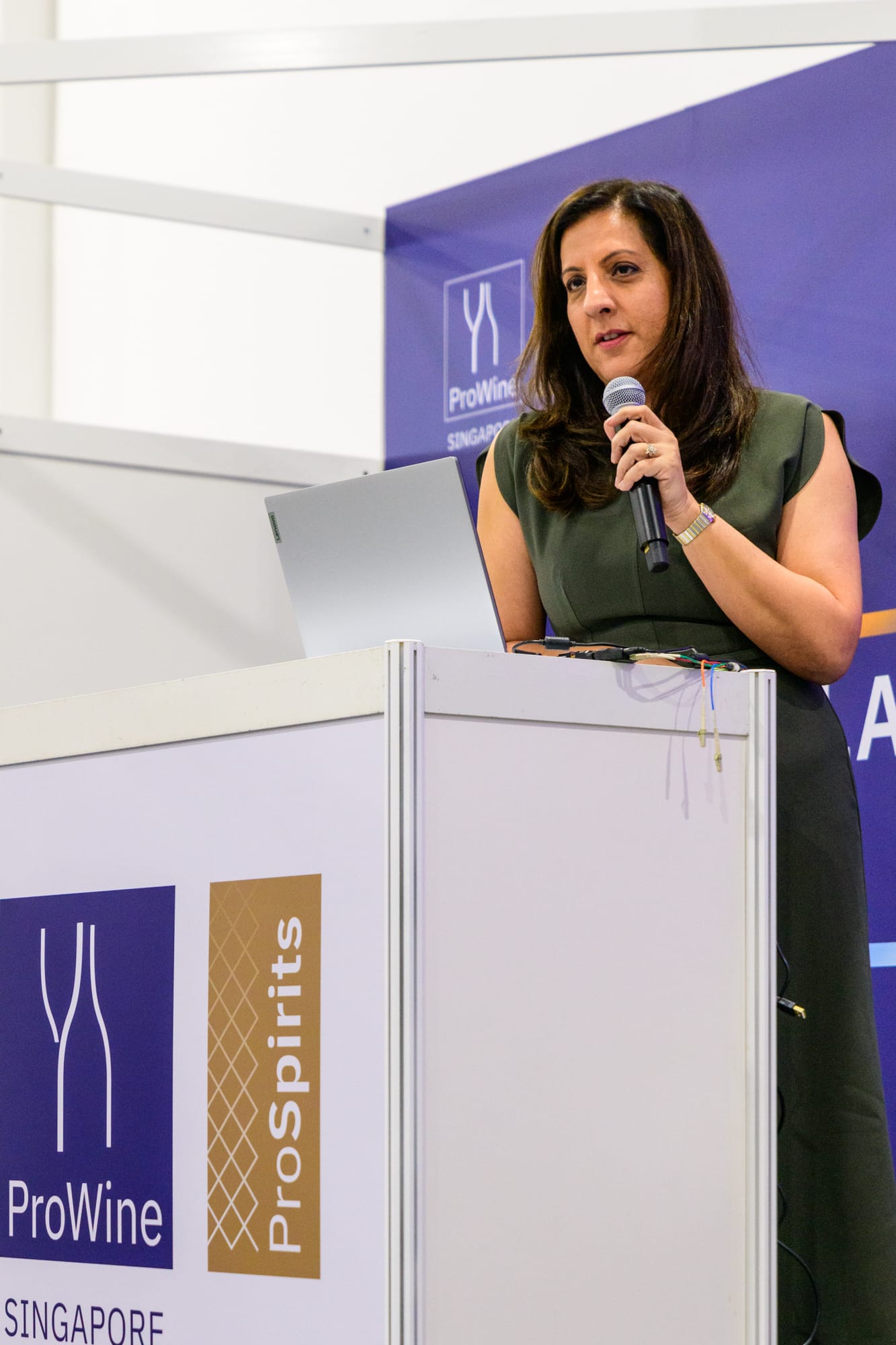
ProWine Singapore 2026 was also the occasion to gather knowledge and exchange about the wine and spirit market situation across South-East Asia, and the panel discussion led by Nimmi Malhotra, Asia Correspondent of The Drinks Business, brought together voices from across the region and offered a grounded, revealing look at how wine and spirits are being discovered, sold and understood in markets that are moving quickly, though not always in the same direction.
What follows are a few ideas from that conversation that I felt worth sharing with those who couldn’t attend.
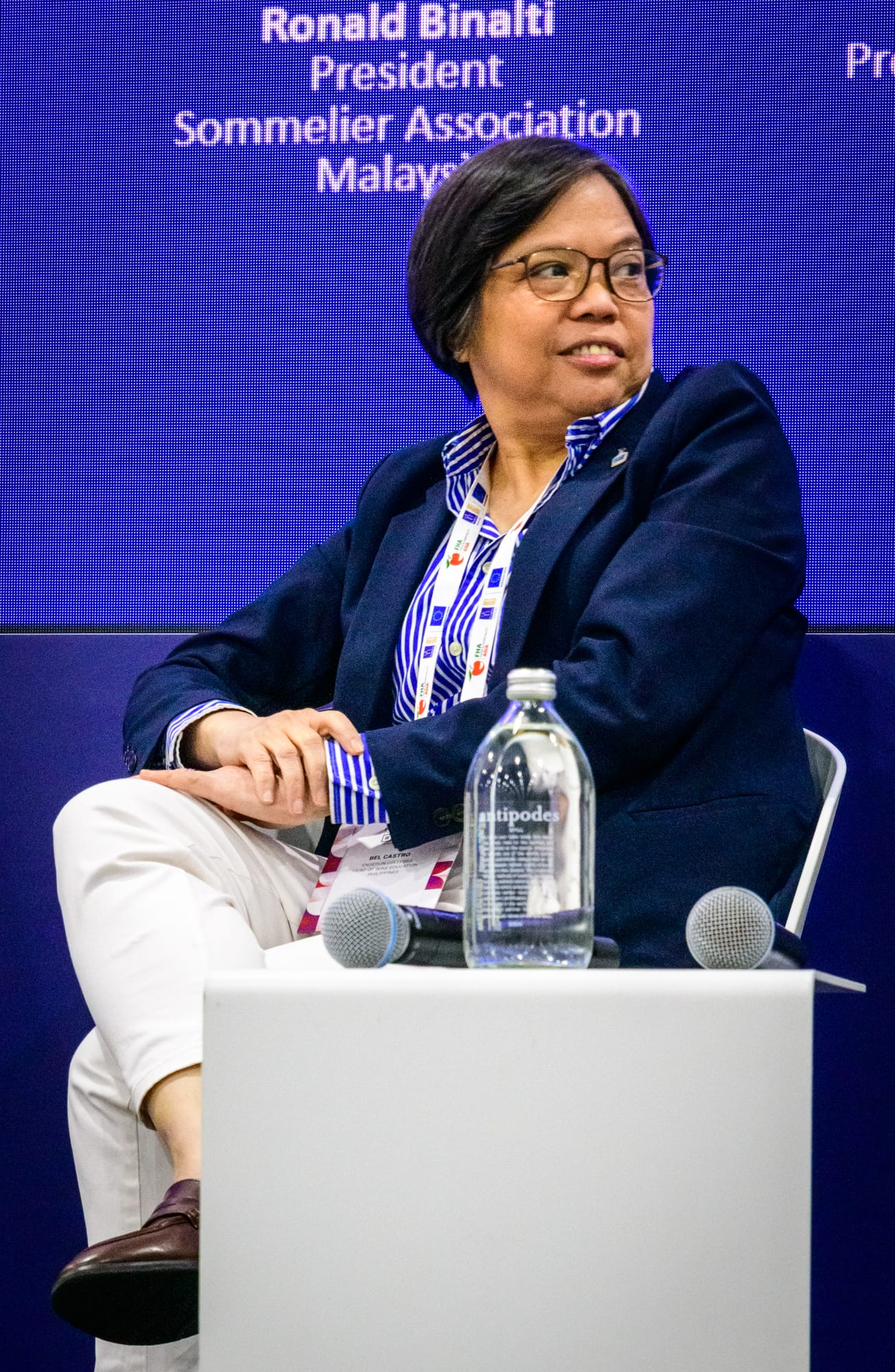
A key concept was brought forward by Bel S Castro, Head of Wine Education at Enderun Colleges in the Philippines, who spoke about what she calls the “intentional drinker”. In emerging markets, many people first encounter wine as an occasional purchase – a birthday bottle, a Christmas gift, something picked up for a special moment – often at a price point that barely registers. But once curiosity kicks in, the logic shifts. Consumers stop buying purely on promotion and start paying attention to story, style and trust. Once a certain threshold is crossed – in the Philippines, she put it at around SGD 20-25 at retail – you are dealing with a different kind of drinker: someone who listens, compares, upgrades and engages.
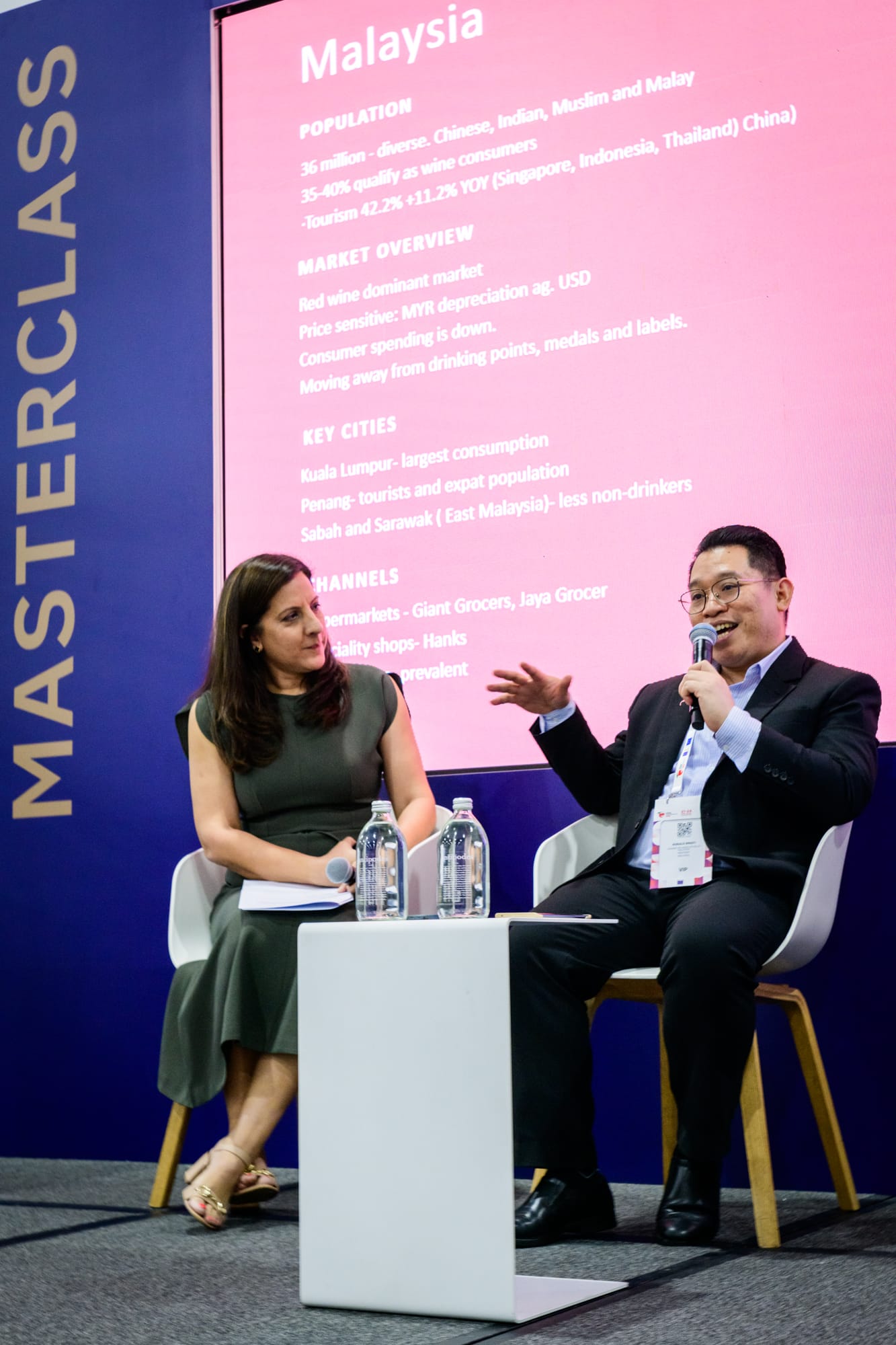
Jakarta came up repeatedly as a particularly interesting growth opportunity, a point made by Ronald Binati, President of the Sommelier Association of Malaysia, speaking from his experience of the Indonesian market. Not Indonesia in the abstract – which is simply too vast and uneven to be discussed as a single entity – but Jakarta itself. With around 10.7 million inhabitants in the city proper and some 35 million in Greater Jakarta, it is a young, dynamic market where demographics shape everything from format to occasion to price point. A lively hospitality scene is emerging, and consumers are slowly moving beyond beer and local spirits.
The obvious obstacle, of course, is tax. Across much of South-East Asia, alcohol remains heavily taxed, and any producer looking to enter the region needs to factor that reality into pricing from the outset.
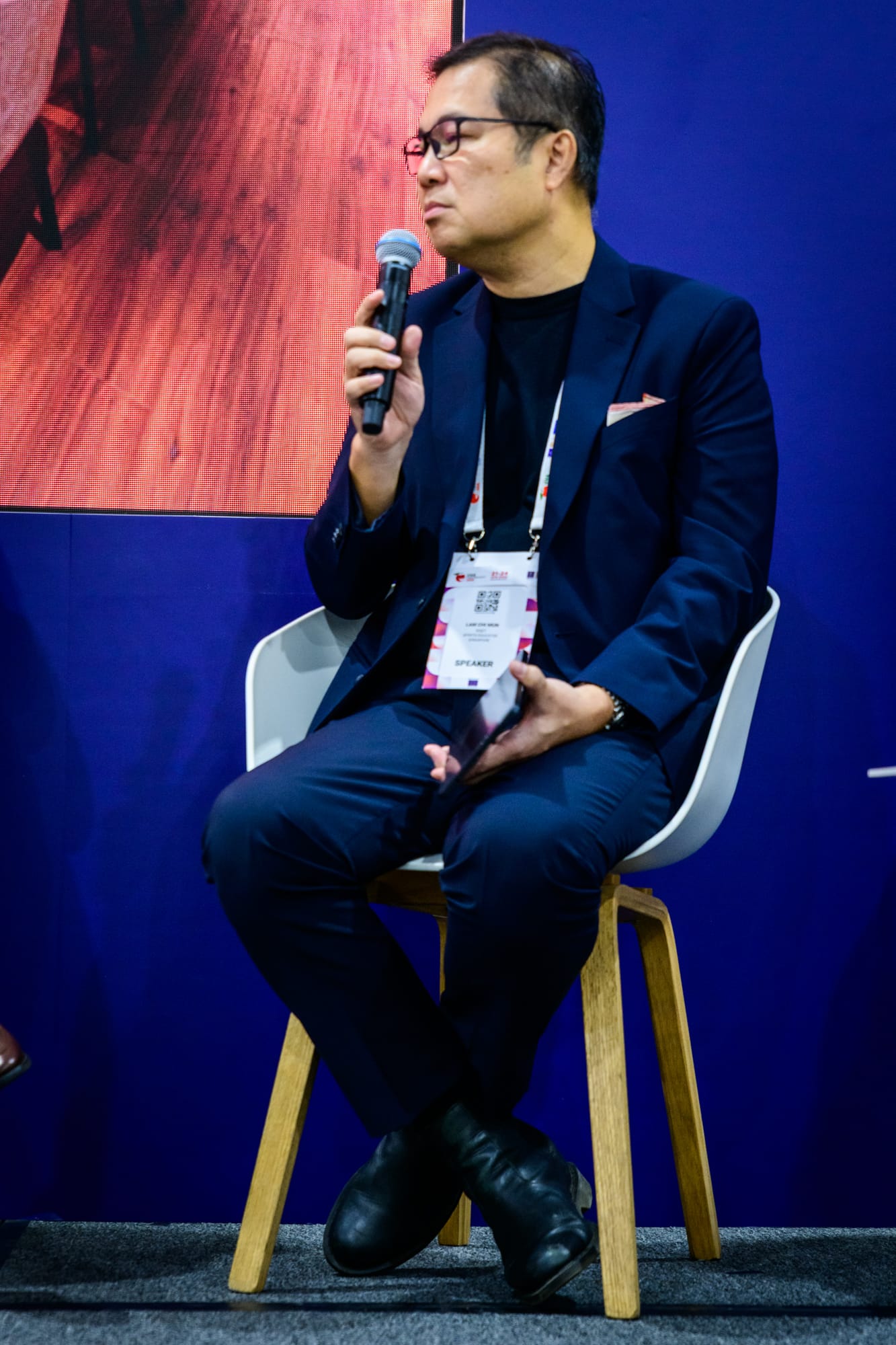
Singapore, discussed by Lam Chi Mun, spirits specialist and regional industry advisor, came across less as a growth frontier than as a regional anchor.
More mature, more regulated and more spirits-driven than most neighbouring markets, it often serves as a first landing point for brands before they expand into places like Jakarta or Manila.
In that sense, Singapore felt less like the story itself and more like the reference point against which the rest of South-East Asia is now being measured.
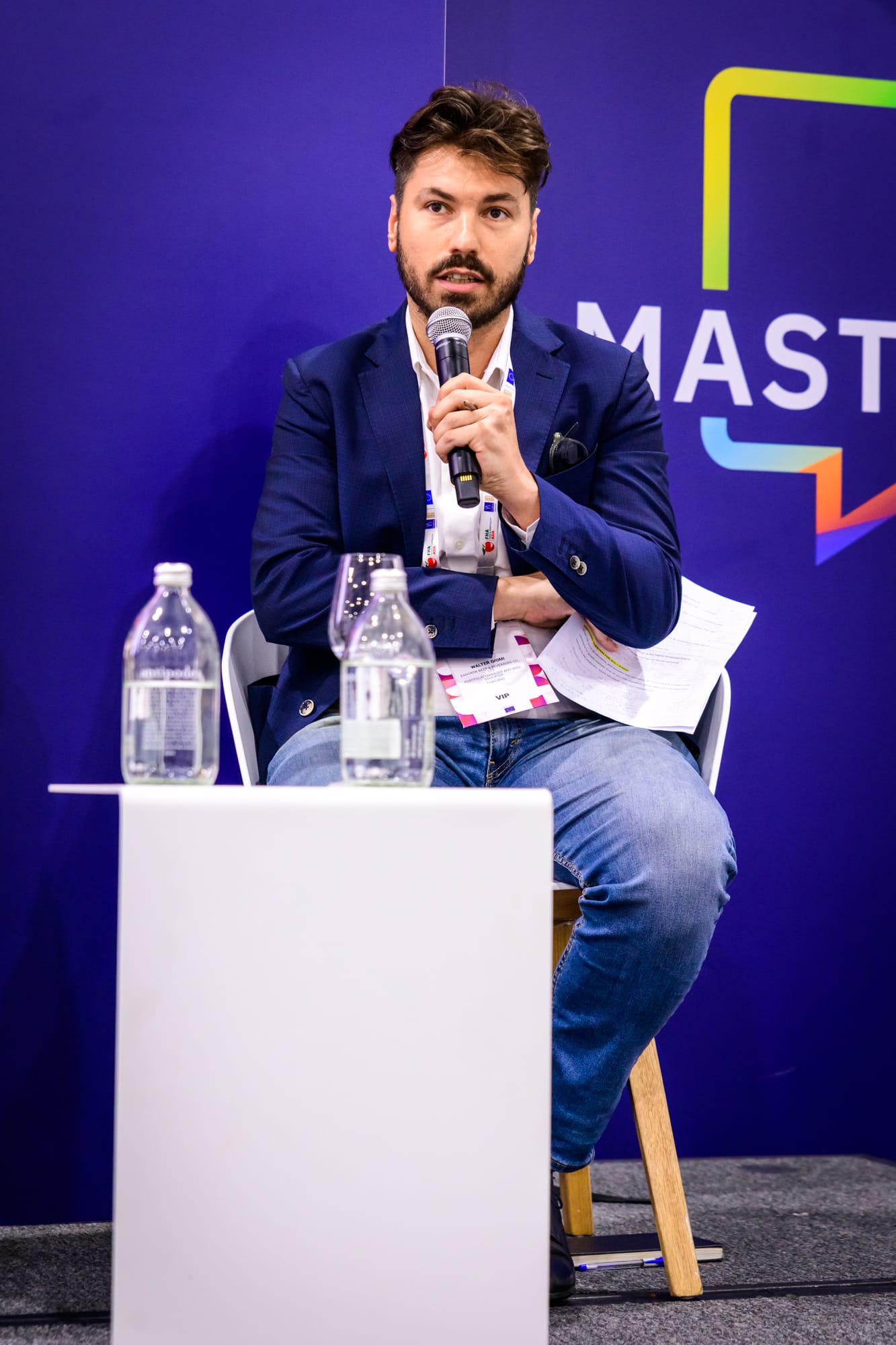
The Thai perspective came from Walter Giomi, Premium Portfolio Manager at Bangkok Beer and Beverage, who offered a reading I had not expected. Thailand has a deeply ingrained BYOB culture: consumers frequently buy wine at retail and bring their own bottles to restaurants rather than pay steep wine-list mark-ups. That changes the whole equation. For producers, the relationship often begins at retail rather than on the restaurant floor. Giomi was also refreshingly frank about how aggressive wine-list pricing actively discourages on-trade consumption – a problem he noted is far from unique to Thailand, drawing a pointed comparison with Italy.
As for Gen Z, the panel was strikingly aligned. Traditional formats – seminars, certifications, formal tastings – mostly reach people who are already converted. Younger drinkers come in through atmosphere, design, social moments and short-form video. They respond to the look of a label, the feel of a place, and content that makes wine seem approachable rather than intimidating. One line from Bel S Castro stayed with me: “There’s fine wine, and there’s fun wine. If they’re not ready for fine wine yet, you meet them at fun wine.” She cited the example of a Manila retailer running two parallel Instagram feeds: one technical and educational, the other lighter and more personal, handled by a younger assistant. The second had ten times the reach.
The panel ended rather abruptly, as the organisers were pressed for time, but there was clearly much more to be said.
What emerged most clearly from the panel was that South-East Asia cannot be approached as a single story. The region contains very different markets, thresholds and habits, yet across them all the same themes kept resurfacing: trust, accessibility, taxation, image and the need to meet younger drinkers where they actually are.
I only hope next time Vietnam will join the conversation as many agree to say this is where the next battle is fought and we do need to have our voice heard as a key South-East Asian actor.
CELLAR BRIDGE | cellarbridge.com | editor@cellarbridge.com | Words & Photography by Aurélien Foucault